
Automation
What is Industrial Automation? Delve into the Automated Systems of Modern Industry
In an era where manufacturing competition is no longer measured by "who produces more," but rather by "who produces with greater accuracy and efficiency," Industrial Automation, or automation systems in industry, is not just an option but a necessity for businesses aiming to fully embrace Industry 4.0. This article will guide you through the structure of automation systems from basics to practical applications, so that you can see how this technology will transform your factory.
Industrial Automation: The Heart of Modern Manufacturing
Industrial Automation involves using various control technologies such as computers, robots, and information technology in managing production processes and machinery within factories. Its primary goal is to reduce reliance on human labor for repetitive or high-risk tasks. From SCMA's field experience, the heart of Industrial Automation isn't just about installing robotic arms but integrating "Hardware" and "Software" seamlessly to enhance process precision, minimize errors, and ensure continuous quality control 24/7, forming the foundation of a Smart Factory.
Benefits of INDUSTRIAL AUTOMATION
- Automation systems increase production efficiency, reducing both time and costs.
- They reduce errors caused by human work, improving quality.
- Using automation enhances safety and reduces risks from dangerous tasks.
- Real-time data tracking improves analysis and monitoring accuracy.
View the INDUSTRIAL AUTOMATION Catalogue: Click Here

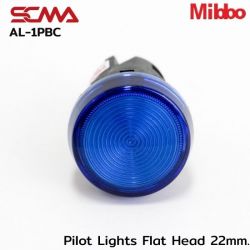 AL-1PBC Pilot Lights Flat Head 22mm. 24VAC/DC BlueSpecial Price THB 45.00 Regular Price THB 60.00
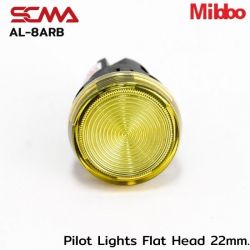 AL-1PYC Pilot Lights Flat Head 22mm. 24VAC/DC YellowSpecial Price THB 45.00 Regular Price THB 60.00
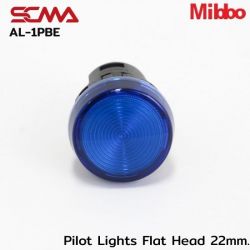 AL-1PBE Pilot Lights Flat Head 22mm. 220VAC/DC BlueSpecial Price THB 45.00 Regular Price THB 60.00
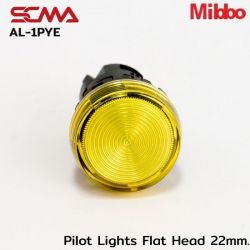 AL-1PYE Pilot Lights Flat Head 22mm. 220VAC/DC YellowSpecial Price THB 45.00 Regular Price THB 60.00
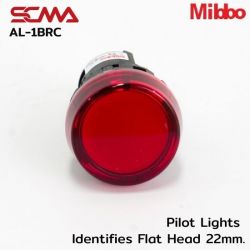 AL-1BRC Pilot Lights Identifies Flat Head 22mm. 24VAC/DC Red MibboSpecial Price THB 45.00 Regular Price THB 60.00
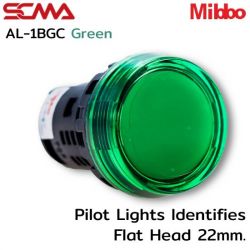 AL-1BGC Pilot Lights Identifies Flat Head 22mm. 24VAC/DC GreenSpecial Price THB 45.00 Regular Price THB 60.00
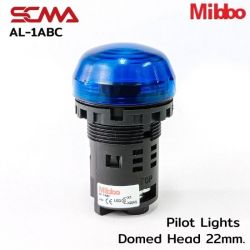 AL-1ABC Pilot Lights Domed Head 22mm. 24VAC/DC BlueSpecial Price THB 45.00 Regular Price THB 60.00
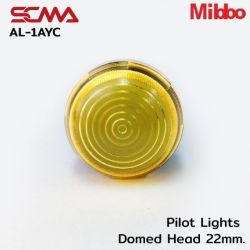 AL-1AYC Pilot Lights Domed Head 22mm. 24VAC/DC YellowSpecial Price THB 45.00 Regular Price THB 60.00
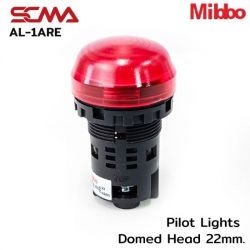 AL-1ARE Pilot Lights Domed Head 22mm. 220VAC/DC RedSpecial Price THB 45.00 Regular Price THB 60.00
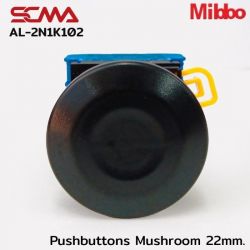 AL-2N1K102 Black Pushbutton Mushroom 22mm Momentary MibboSpecial Price THB 90.00 Regular Price THB 120.00
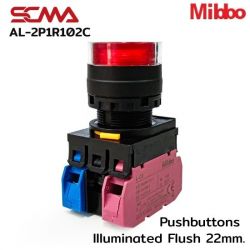 AL-2P1R102C 24VAC/DC Red Pushbuttons Illuminated Flush 22mm Momentary MiniSpecial Price THB 113.00 Regular Price THB 150.00
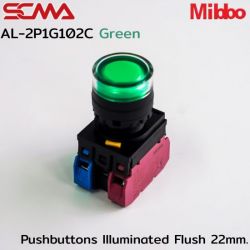 AL-2P1G102C 24VAC/DC Green Pushbuttons Illuminated Flush 22mm Momentary MiniSpecial Price THB 113.00 Regular Price THB 150.00
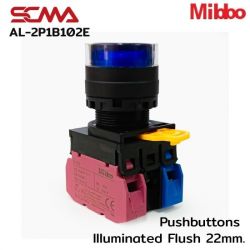 AL-2P1B102E 220VAC/DC Blue Pushbuttons Illuminated Flush 22mm Momentary MicroSpecial Price THB 120.00 Regular Price THB 160.00
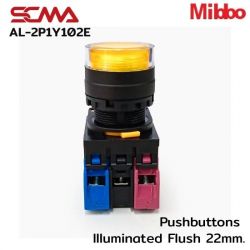 AL-2P1Y102E 220VAC/DC Yellow Pushbuttons Illuminated Flush 22mm Momentary MiniSpecial Price THB 120.00 Regular Price THB 160.00
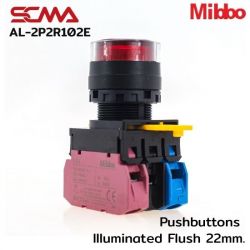 AL-2P2R102E 220VAC/DC Red Pushbuttons Illuminated Flush 22mm. Maintained MibboSpecial Price THB 128.00 Regular Price THB 170.00
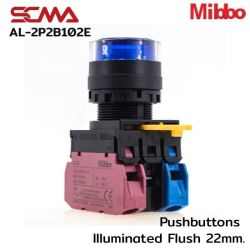 AL-2P2B102E 220VAC/DC Blue Pushbuttons Illuminated Flush 22mm Maintained MibboSpecial Price THB 128.00 Regular Price THB 170.00
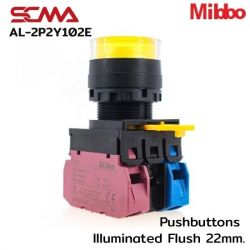 AL-2P2Y102E 220VAC/DC Yellow Pushbuttons Illuminated Flush 22mm. Maintained MibboSpecial Price THB 128.00 Regular Price THB 170.00
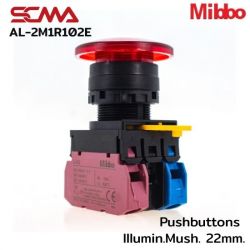 AL-2M1R102E 220VAC/DC Red Pushbutton Illuminated. Mushroom. 22mm. Momentary MicroswitchSpecial Price THB 128.00 Regular Price THB 170.00
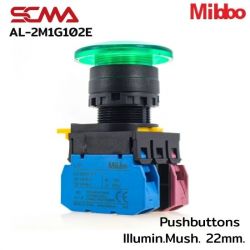 AL-2M1G102E 220VAC/DC Green Pushbuttons Illuminated. Mushroom. 22mm. Momentary Micro switchesSpecial Price THB 128.00 Regular Price THB 170.00
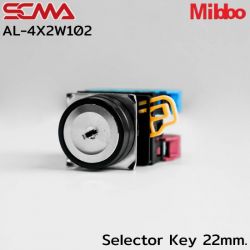 AL-4X2W102 Selector Key 22mm. 2P Maintained White MibboSpecial Price THB 135.00 Regular Price THB 180.00
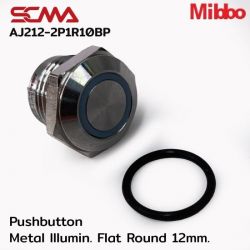 AJ212-2P1R10BP 12VDC Red 1NO Pushbutton Metal Illuminated Flat Round 12mm MibboSpecial Price THB 120.00 Regular Price THB 160.00
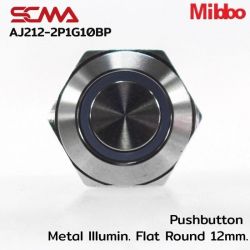 AJ212-2P1G10BP 12VDC Green 1NO Pushbutton Metal Illuminated Flat Round 12mm MibboSpecial Price THB 120.00 Regular Price THB 160.00
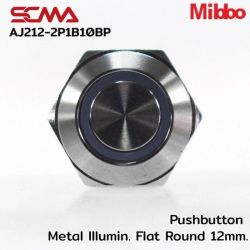 AJ212-2P1B10BP 12VDC Blue 1NO Pushbutton Metal Illuminated Flat Round 12mm MibboSpecial Price THB 120.00 Regular Price THB 160.00
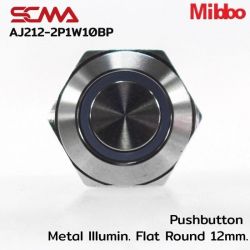 AJ212-2P1W10BP 12VDC White 1NO Pushbutton Metal Illuminated Flat Round 12mm MibboSpecial Price THB 120.00 Regular Price THB 160.00
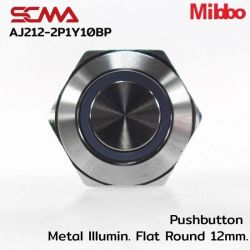 AJ212-2P1Y10BP 12VDC Yellow 1NO Pushbutton Metal Illuminated Flat Round 12mm MibboSpecial Price THB 120.00 Regular Price THB 160.00
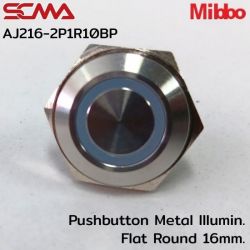 AJ216-2P1R10BP 12VDC Red 1NO Pushbutton Metal Illuminated Flat Round 16mm MibboSpecial Price THB 150.00 Regular Price THB 200.00
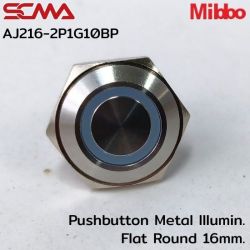 AJ216-2P1G10BP 12VDC Green 1NO Pushbutton Metal Illuminated Flat Round 16mm MibboSpecial Price THB 150.00 Regular Price THB 200.00
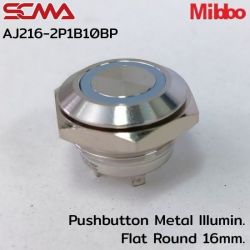 AJ216-2P1B10BP 12VDC Blue 1NO Pushbutton Metal Illuminated Flat Round 16mm MibboSpecial Price THB 150.00 Regular Price THB 200.00
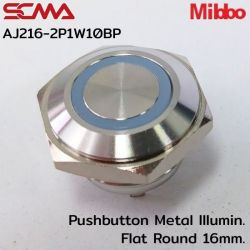 AJ216-2P1W10BP 12VDC White 1NO Pushbutton Metal Illuminated Flat Round 16mm MibboSpecial Price THB 150.00 Regular Price THB 200.00
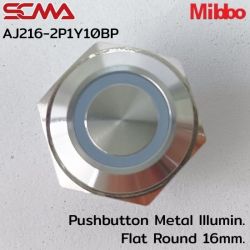 AJ216-2P1Y10BP 12VDC Yellow 1NO Pushbutton Metal Illuminated Flat Round 16mm MibboSpecial Price THB 150.00 Regular Price THB 200.00
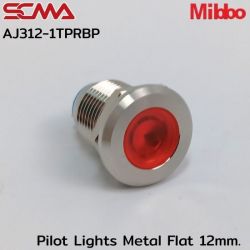 AJ312-1TPRBP Pilot Lights Metal Flat 12mm. 12VDC Red MibboSpecial Price THB 82.50 Regular Price THB 110.00
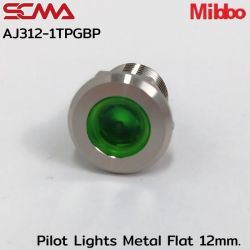 AJ312-1TPGBP Pilot Lights Metal Flat 12mm. 12VDC GreenSpecial Price THB 82.50 Regular Price THB 110.00
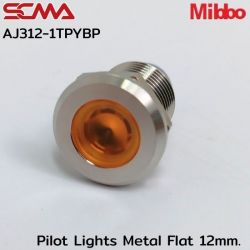 AJ312-1TPYBP Pilot Lights Metal Flat 12mm. 12VDC Yellow MibboSpecial Price THB 82.50 Regular Price THB 110.00
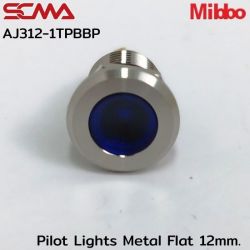 AJ312-1TPBBP Pilot Lights Metal Flat 12mm. 12VDC Blue MibboSpecial Price THB 82.50 Regular Price THB 110.00
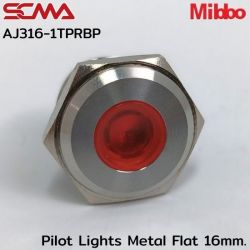 AJ316-1TPRBP Pilot Lights Metal Flat 16mm. 12VDC Red MibboSpecial Price THB 97.50 Regular Price THB 130.00
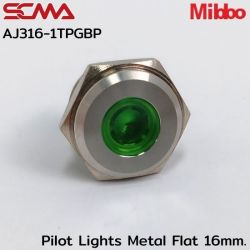 AJ316-1TPGBP Pilot Lights Metal Flat 16mm. 12VDC Green MibboSpecial Price THB 97.50 Regular Price THB 130.00
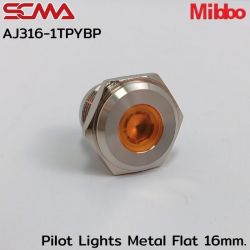 AJ316-1TPYBP Pilot Lights Metal Flat 16mm. 12VDC YellowSpecial Price THB 97.50 Regular Price THB 130.00
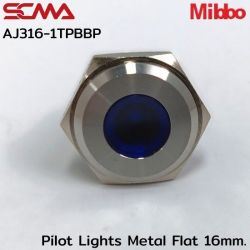 AJ316-1TPBBP Pilot Lights Metal Flat 16mm. 12VDC BlueSpecial Price THB 97.50 Regular Price THB 130.00
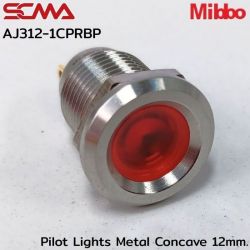 AJ312-1CPRBP Pilot Lights Metal Concave 12mm. 12VDC Red MibboSpecial Price THB 82.50 Regular Price THB 110.00
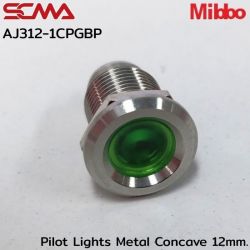 AJ312-1CPGBP Pilot Lights Metal Concave 12mm. 12VDC Green MibboSpecial Price THB 82.50 Regular Price THB 110.00
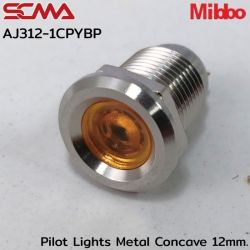 AJ312-1CPYBP Pilot Lights Metal Concave 12mm. 12VDC Yellow MibboSpecial Price THB 82.50 Regular Price THB 110.00
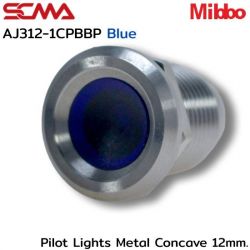 AJ312-1CPBBP Pilot Lights Metal Concave 12mm. 12VDC Blue MibboSpecial Price THB 82.50 Regular Price THB 110.00
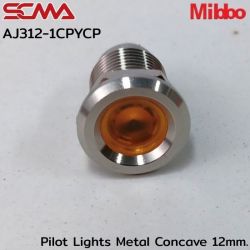 AJ312-1CPYCP Pilot Lights Metal Concave 12mm. 24VDC Yellow MibboSpecial Price THB 82.50 Regular Price THB 110.00
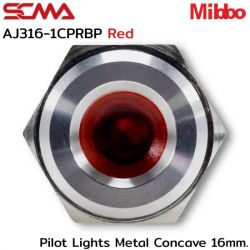 AJ316-1CPRBP Pilot Lights Metal Concave 16mm. 12VDC Red MibboSpecial Price THB 97.50 Regular Price THB 130.00
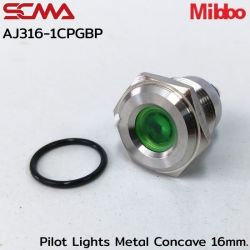 AJ316-1CPGBP Pilot Lights Metal Concave 16mm. 12VDC Green MibboSpecial Price THB 97.50 Regular Price THB 130.00
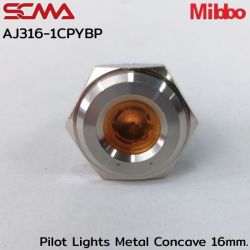 AJ316-1CPYBP Pilot Lights Metal Concave 16mm. 12VDC YellowSpecial Price THB 97.50 Regular Price THB 130.00
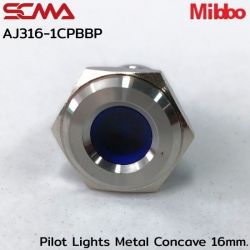 AJ316-1CPBBP Pilot Lights Metal Concave 16mm. 12VDC Blue MibboSpecial Price THB 97.50 Regular Price THB 130.00
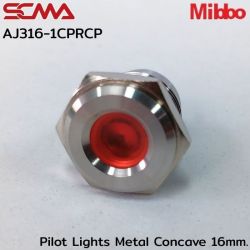 AJ316-1CPRCP Pilot Lights Metal Concave 16mm. 24VDC Red MibboSpecial Price THB 97.50 Regular Price THB 130.00
Why is Industrial Automation Important for Businesses Today?
In the rapidly changing business world, having an automation system in industry is like arming a business with increased agility. Leading global organizations are pushing for Digital Transformation to enable businesses to adapt quickly to market demands. The importance of an automation system for businesses can be summarized into three main aspects:
- Increasing Productivity: The system can work continuously without stopping, resulting in a significant increase in production volume.
- Long-term Cost Reduction: Although the initial investment may seem high, reducing waste and labor costs will quickly lead to a return on investment.
- Safety: Using automated systems in hazardous areas can greatly reduce accidents that could otherwise harm employees.
For factories in Thailand, especially those in the EEC where SCMA provides services, adopting automation systems also helps address the problem of skilled labor shortages.
Main Components of Industrial Automation Systems
A complete industrial automation system is like a human body with various organs working together systematically. PLCs are akin to the brain and SCADA HMIs are like the face and nervous system, comprising the following main components:
1. Sensors & Actuators - Senses and Muscles
- Sensors: Function as "eyes" and "ears," detecting physical values such as temperature, pressure, or position, then converting them into electrical signals to send to the controller. For example, process sensors from the ifm brand that SCMA specializes in.
- Actuators: Serve as "hands" or "muscles," transforming command signals into movement, such as motors, valves, or pneumatic cylinders.
2. Control Systems - Commanding Brain
This is the heart of an automation control system and includes:
- PLC (Programmable Logic Controller): Industrial computers designed for high durability, used to receive values from sensors, process according to conditions, and operate machinery. If you're wondering what a PLC is and how it works, read our in-depth article (recommended for further understanding).
- DCS (Distributed Control System): A decentralized control system commonly used in large factories with complex processes.
3. HMI & SCADA - Window to the System
- HMI (Human Machine Interface): Touchscreens attached to machines, allowing operators to command or view status immediately.
- SCADA (Supervisory Control and Data Acquisition): A large software system that collects real-time data from across the factory and displays it in a central control room, helping managers see an overview and make timely decisions.
4. Industrial Robotics
Mechanical arms that take over human work in tasks requiring high precision or beyond human strength, such as welding, assembly, or pick-and-place operations.
(Additional information about international automation standards can be found at ARM Glossary)
Types of Industrial Automation You Should Know About
Selecting the right type of automation for your production model is key to success. We categorize types of systems based on flexibility into 4 categories:
1. Fixed Automation (Fixed System)
A system designed to perform a single task only, not easily adjustable. Suitable for mass production of one product in large quantities, such as beverage manufacturing conveyor lines. The advantage is low unit cost but lacks flexibility.
2. Programmable Automation (Programmable System)
A system that can be adjusted by changing the program, suitable for batch or varied products with not too many changes. Each change may require time to reconfigure machines.
3. Flexible Automation (Flexible System)
This is an advanced version of programmable systems where product models can be changed quickly without stopping machinery. Suitable for high-mix, low-volume factories using CNC or smart robotic arms.
4. Integrated Automation (Integrated System)
The highest level of industrial automation involves connecting all the above systems under a single management system from computer-aided design (CAD/CAM), resource planning (ERP) to shipping. All data is linked, forming the foundation of a true Smart Factory.
Interested in Industrial Automation? Buy from SCMA Today!
Moving towards automation may seem complex, but you don't have to start alone. At SCMA, we define ourselves as "Technical Partners" ready to support you from the beginning. Whether you're looking for specialized equipment like ifm sensors or Kyoritsu measuring tools, or need consulting for designing new production line projects and solutions, our team of engineers with over 10 years of expertise is here to help analyze and design the most cost-effective systems so that you can focus on expanding your business without worrying about technical issues. You can view details of our design and installation services at Our Services or contact a branch near you.
Summary
Industrial Automation is the key to unlocking the production potential of Thai factories on an international level. Understanding components from sensors, PLCs, to SCADA and choosing the right type for your business needs will maximize your investment's value. Starting today creates a sustainable advantage for the future.
Frequently Asked Questions
How is Industrial Automation Different from Robots?
A robot or mechanical arm is merely "part" of an industrial automation system, which encompasses sensors, controllers (PLCs), software, and communication networks working together to control production processes.
What are L1, L2, and L3 Automations?
This refers to the hierarchical structure of automation systems:
- L1 (Field Level): On-site equipment such as sensors, motors
- L2 (Control Level): Control systems like PLCs, DCS
- L3 (Supervisory Level): Supervisory and control systems like SCADA, HMIs
How Should SMEs Start with Automation?
No need to change the entire factory at once. Start from bottlenecks or areas of frequent errors first, such as installing sensors for data collection or using small-scale automation (Low Cost Automation) and gradually expand when seeing value.
🤖 IFM Product Assistant
Ask about products, specs and replacement models
Hello 👋 I can answer your questions about IFM efector products.
Examples:
• What is the replacement model for PN2021?
• Which pressure sensor models cover 250 bar?
Examples:
• What is the replacement model for PN2021?
• Which pressure sensor models cover 250 bar?
🗑 Clear history