
SPECIAL PROMOTION — Up to 40% off across many product groups, until 31 December 2026 · Click to see all promotion itemsIFM, Sensor, Automation SystemMeasuring / Testing InstrumentsTemp Indicator, Control, T/C, RTD, TimerHeater, SCR Control, Solid State, Power Supply, Control CabinetField Measuring Instruments, Pressure Gauge, Level Control, Flow MeasurementEMC, Pneumatic, Solenoid ValveInspection Test Lamp, Head Light, Automotive Measuring InstrumentWeighing Scales, Marking Machine, PrintersEducational Training SystemsHot Line Tools & Equipment SPECIAL PROMOTION — Up to 40% off across many product groups, until 31 December 2026 · Click to see all promotion itemsIFM, Sensor, Automation SystemMeasuring / Testing InstrumentsTemp Indicator, Control, T/C, RTD, TimerHeater, SCR Control, Solid State, Power Supply, Control CabinetField Measuring Instruments, Pressure Gauge, Level Control, Flow MeasurementEMC, Pneumatic, Solenoid ValveInspection Test Lamp, Head Light, Automotive Measuring InstrumentWeighing Scales, Marking Machine, PrintersEducational Training SystemsHot Line Tools & Equipment View promotion items View all
Clamp Meters
What are Clamp Meters?
A clamp meter, or current clamp, is used to measure electrical current without the need to cut into wires. This makes it convenient and safe for use as there's no need to interrupt wiring or directly touch live wires.
How Clamp Meters Work
Clamp meters operate on magnetic induction, creating a magnetic field around the wire carrying electrical current. When the clamp meter is clamped around the wire, this magnetic field induces an electric current in the coil inside the clamp meter, allowing it to measure the current flowing through the wire.
Types of Clamp Meters
- Digital Clamp Meters feature a digital display for easy and accurate reading of values.
- Analog Clamp Meters use a needle to indicate readings, suitable for tasks that do not require high precision.
- AC Clamp Meters are specifically designed for measuring alternating current (AC).
- AC/DC Clamp Meters can measure both alternating current (AC) and direct current (DC).
- True RMS Clamp Meters provide more accurate measurements in cases of interference or non-sinusoidal waveforms.
Uses of Clamp Meters
- They can be used to inspect and repair electrical systems in homes, buildings, and construction industries.
- They are useful for checking the operation of machinery and maintaining electric machines in manufacturing industries.
- They can also be used to check electrical current in vehicles or other modes of transportation in automotive industries.
View our Clamp Meters Catalog : Click here
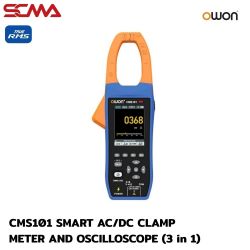 CMS101 SMART AC/DC CLAMP METER AND OSCILLOSCOPE (3 in 1) OWONSpecial Price THB 3,150.00 Regular Price THB 4,200.00
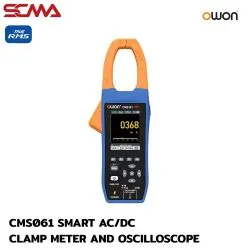 CMS061 SMART AC/DC CLAMP METER AND OSCILLOSCOPE (3 in 1) OWONSpecial Price THB 2,775.00 Regular Price THB 3,700.00
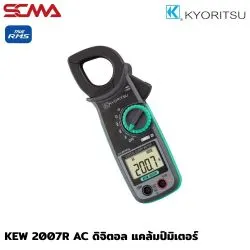 KEW 2007R AC DIGITAL CLAMP METERS KYORITSUราคาโปรดติดต่อเจ้าหน้าที่
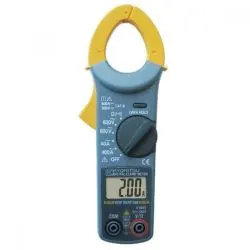 KEW SNAP 200 KYORITSU AC Clamp metersSpecial Price THB 1,160.00 Regular Price THB 1,450.00
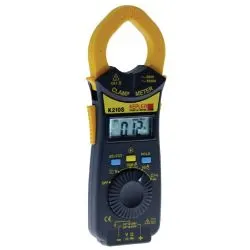 K210S KEPLER AC Clamp metersSpecial Price THB 2,560.00 Regular Price THB 3,200.00
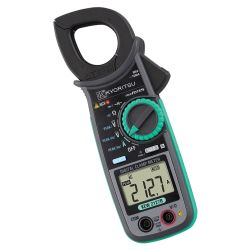 KEW 2127R KYORITSU AC Clamp metersSpecial Price THB 3,200.00 Regular Price THB 4,000.00
Delivery: 30 ต.ค. 2569
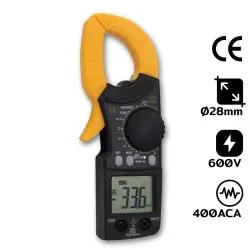 K240 CL KEPLER Clamp metersSpecial Price THB 1,200.00 Regular Price THB 1,500.00
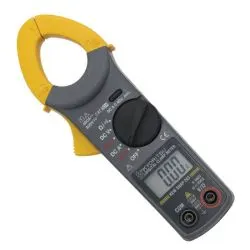 KEW SNAP 203 KYORITSU AC/DC Clamp metersSpecial Price THB 2,560.00 Regular Price THB 3,200.00
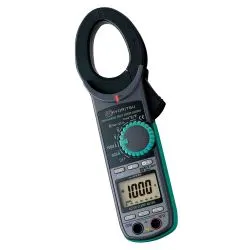 KEW 2056R KYORITSU AC/DC Clamp metersSpecial Price THB 5,920.00 Regular Price THB 7,400.00
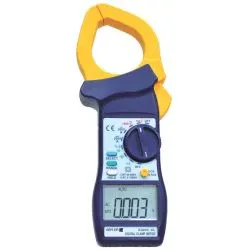 K3904 CL KEPLER AC/DC Clamp metersSpecial Price THB 5,200.00 Regular Price THB 6,500.00
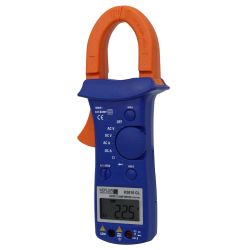 K3810 CL KEPLER AC/DC Clamp metersSpecial Price THB 6,000.00 Regular Price THB 7,500.00
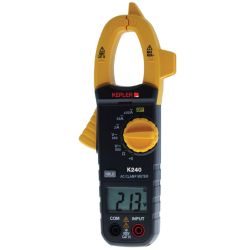 K240 KEPLER AC Clamp metersSpecial Price THB 960.00 Regular Price THB 1,200.00
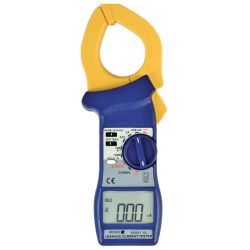 K3921 CL KEPLER Leakage Clamp metersSpecial Price THB 13,200.00 Regular Price THB 16,500.00
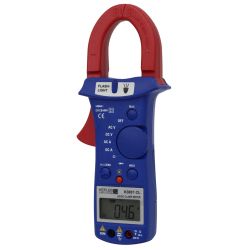 K3801 CL KEPLER AC/DC Clamp metersSpecial Price THB 5,200.00 Regular Price THB 6,500.00
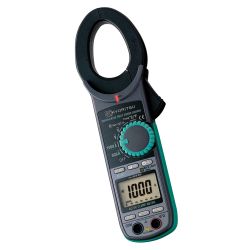 KEW 2055 KYORITSU AC/DC Clamp metersSpecial Price THB 4,160.00 Regular Price THB 5,200.00
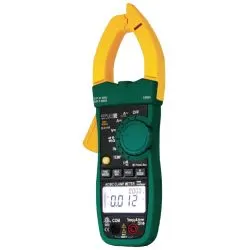 K211R KEPLER AC/DC Clamp metersSpecial Price THB 4,160.00 Regular Price THB 5,200.00
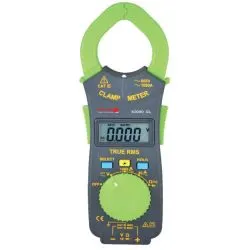 K2960 CL KEPLER AC Clamp MetersSpecial Price THB 3,360.00 Regular Price THB 4,200.00
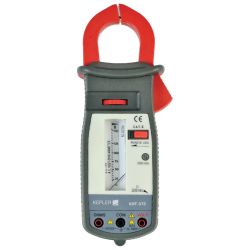 KST-375 KEPLER Analog Clamp MetersSpecial Price THB 3,200.00 Regular Price THB 4,000.00
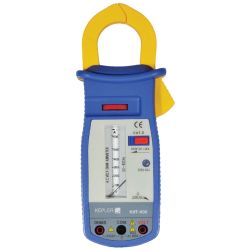 KST-600 KEPLER Analog Clamp MetersSpecial Price THB 3,200.00 Regular Price THB 4,000.00
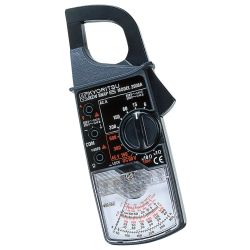 2608A KYORITSU Analog Clamp MetersSpecial Price THB 2,680.00 Regular Price THB 3,350.00
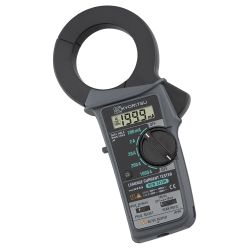 2413R KYORITSU Leakage Clamp metersSpecial Price THB 22,800.00 Regular Price THB 28,500.00
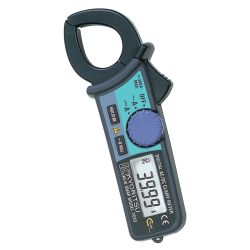 2033 KYORITSU AC/DC Clamp metersSpecial Price THB 8,160.00 Regular Price THB 10,200.00
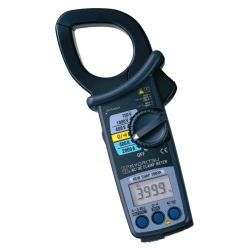 KEW 2003A KYORITSU AC/DC Clamp metersSpecial Price THB 7,840.00 Regular Price THB 9,800.00
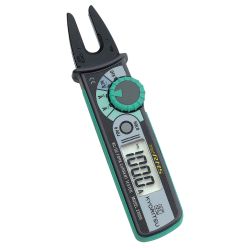 2300R KYORITSU AC/DC Clamp metersSpecial Price THB 2,400.00 Regular Price THB 3,000.00
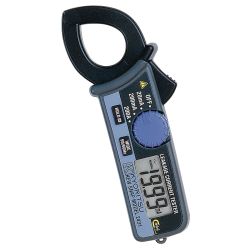 2431 KYORITSU Leakage Clamp MetersSpecial Price THB 14,800.00 Regular Price THB 18,500.00
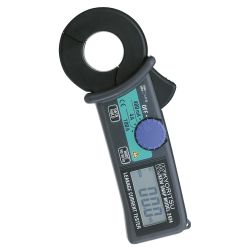 2434 KYORITSU Leakage Clamp MetersSpecial Price THB 10,320.00 Regular Price THB 12,900.00
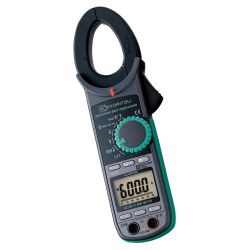 KEW 2046R KYORITSU AC/DC Clamp metersSpecial Price THB 5,440.00 Regular Price THB 6,800.00
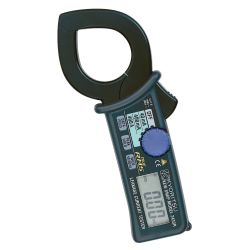 2433R KYORITSU Leakage Clamp MetersSpecial Price THB 18,720.00 Regular Price THB 23,400.00
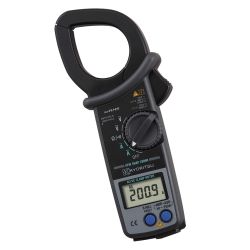 KEW 2009R KYORITSU AC/DC Clamp metersSpecial Price THB 10,720.00 Regular Price THB 13,400.00
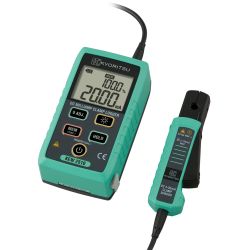 KEW 2500 KYORITSU DC mA Clamp metersSpecial Price THB 14,400.00 Regular Price THB 18,000.00
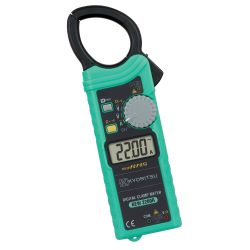 KEW 2200 KYORITSU AC Clamp metersSpecial Price THB 2,360.00 Regular Price THB 2,950.00
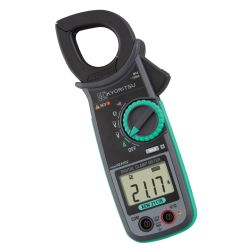 KEW 2117R KYORITSU AC Clamp metersSpecial Price THB 2,320.00 Regular Price THB 2,900.00
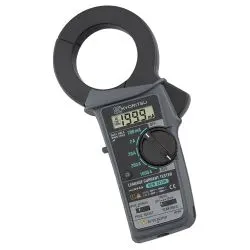 2413F KYORITSU Leakage Clamp MetersSpecial Price THB 20,240.00 Regular Price THB 25,300.00
Delivery: 30 ต.ค. 2569
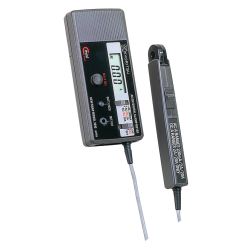 2010 KYORITSU AC/DC Clamp metersSpecial Price THB 20,720.00 Regular Price THB 25,900.00
Delivery: 30 ต.ค. 2569
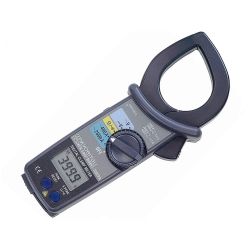 2002PA KYORITSU AC Clamp metersSpecial Price THB 4,480.00 Regular Price THB 5,600.00
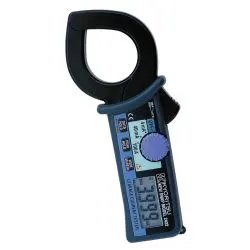 2432 KYORITSU Leakage Clamp metersSpecial Price THB 13,200.00 Regular Price THB 16,500.00
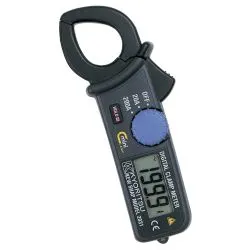 2031 KYORITSU AC Clamp metersSpecial Price THB 2,000.00 Regular Price THB 2,500.00
Delivery: 30 ต.ค. 2569
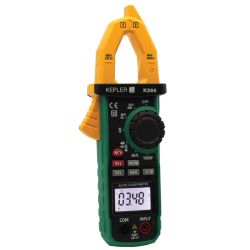 K266 KEPLER AC/DC Clamp metersSpecial Price THB 1,920.00 Regular Price THB 2,400.00
Delivery: 30 ต.ค. 2569
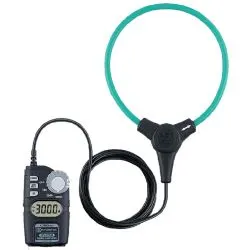 KEW 2210R KYORITSU AC Clamp metersSpecial Price THB 10,640.00 Regular Price THB 13,300.00
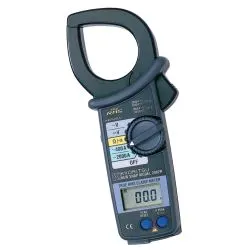 2002R KYORITSU AC Clamp metersSpecial Price THB 13,280.00 Regular Price THB 16,600.00
Delivery: 30 ต.ค. 2569
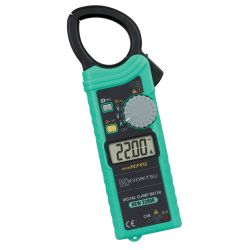 KEW 2200R KYORITSU AC Clamp metersSpecial Price THB 3,263.00 Regular Price THB 4,350.00
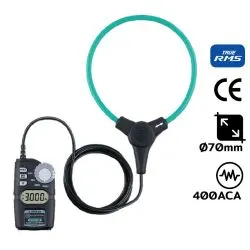 KEW 2204R KYORITSU AC Clamp metersSpecial Price THB 10,320.00 Regular Price THB 12,900.00
Delivery: 30 ต.ค. 2569
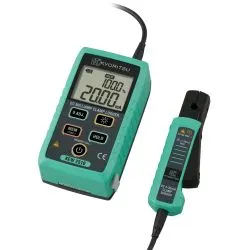 KEW 2510 KYORITSU DC mA Clamp metersSpecial Price THB 22,400.00 Regular Price THB 28,000.00
Delivery: 30 ต.ค. 2569
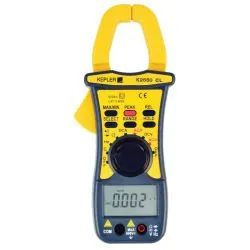 K2660 CL KEPLER AC Clamp MetersSpecial Price THB 5,040.00 Regular Price THB 6,300.00
What is a Clamp Meter? How to Use and Choose One
Have you ever wondered how electricians measure large amounts of current without cutting the wires? The answer is "Clamp Meter" or what Thai electricians commonly call "Kieb Amp." This tool is like a doctor's stethoscope for electricians, allowing us to quickly and safely check the health of electrical systems. This article will take you through every aspect of Clamp Meters - what they are, how they work, what can be measured with them, and which brand to choose that offers the best value and safety for your needs. For further consultation, contact an experthere
What is a Clamp Meter? How Does It Work?
A clamp meter (Clamp Meter) is an electrical measuring tool designed to combine the functions of a multimeter and a current sensor. Its standout feature is its jaw, which can open and wrap around wires to measure the current flowing through them instantly without stopping machinery or cutting into circuits. This non-contact measurement method makes it highly safe and convenient for maintenance and electrical system checks.
Definition and Importance of Clamp Meter
In engineering, a current measuring device is used to measure the flow of electrons in circuits. A clamp meter is thus an essential tool that allows electricians to check load currents, find leakage points, or verify phase balance accurately without risking direct contact with live conductors.
Basic Working Principle (Electromagnetic Induction)
The working principle of a clamp meter relies on the theory of electromagnetic induction. When current flows through wires, it generates a magnetic field around them. The jaw of the clamp meter acts as an iron core to collect these magnetic lines and convert their intensity back into electrical current values displayed on the screen. This is why clamping is the safest measurement method. Read more about how it workshere
Differences Between Clamp Meter and Multimeter
While both measure electrical values similarly, the key difference lies in "current measurement methods." A multimeter requires cutting into circuits to insert measuring leads in series, which is cumbersome and dangerous for high currents. In contrast, a clamp meter simply needs to be "clamped" around wires to take measurements. However, clamp meters may have lower precision than multimeters for small electronics work. See detailed comparison datahere
What are the types of clamp meters? How do you choose them?
There are various types of clamp meters available in the market to cater to different needs. Choosing the wrong type may result in inaccurate readings or even failure to measure at all, so understanding the types of tools is crucial.
AC Clamp Meter
This is the basic and most commonly used model designed for measuring alternating current (AC) in household and general industrial electrical systems. It uses transformer principles to induce signals, so it cannot measure direct current (DC). Suitable for general building electrician work.
AC/DC Clamp Meter
This model uses Hall Effect sensors allowing it to measure both AC and DC currents. It is ideal for automotive mechanics who need to measure car battery charging, solar cell technicians, or UPS systems that use batteries. If you are unsure how to measure DC amps, this is the answer.
Leakage Clamp Meter
It has a very high level of sensitivity and can accurately measure currents in milliamps (mA). The clamp mouth is specially designed to close tightly to prevent interference signals. Used specifically for detecting electrical leakage points to ground.
Power Clamp Meter
This top-of-the-line model can measure power (Watt), Power Factor, and Harmonics. Suitable for factory engineers who need to analyze electrical quality and energy consumption of machinery.
What Can Clamp Meters Measure? (Functions)
In addition to measuring current, modern clamp meters have been developed into versatile tools that can measure almost all electrical parameters comprehensively.
Current Measurement
This is the primary function with units measured in amperes (A). It can measure from low currents to thousands of amps, depending on the specifications of the meter. For a three-phase clamp meter, you must clamp each wire separately; never clamping them together as magnetic fields will cancel out and read zero.
Voltage Measurement
Uses test leads plugged into the meter to measure both AC and DC voltages, similar to a standard multimeter. Used to check if there is power at outlets or breakers.
Resistance Measurement and Continuity Testing
Used to check the condition of wires for breaks or inspect motor windings. The continuity test function often emits a "beep" sound when circuits are connected, making work easier without having to look at the screen.
Additional Functions such as Temperature Measurement and Capacitance
Some models come with Type K temperature probes for measuring motor or electrical cabinet heat, and can also measure capacitance to check the condition of start motors or air conditioning units.
How to Use a Clamp Meter Correctly and Safely (Step-by-Step)
Safety is the key when working with electricity. Knowing how to use it correctly can prevent accidents and damage to equipment.
Preparation Steps Before Using
Check the condition of the meter, leads, and jaws for any cracks or damages. Ensure that the battery has sufficient power. Adjust the measurement range (Range) to suit the expected value. If unsure, always set it to the highest range.
How to Measure AC/DC Current Precisely
- Switch to the current measurement range (A).
- Press the trigger to open the jaws and clamp around a single wire.
- Release the trigger to close the jaws tightly.
- Read the value on the display (wait for a stable reading before recording).
- For DC measurement, press the Zero (REL) button to clear residual magnetic field readings before clamping.
How to Measure Voltage and Other Values
Insert the red lead into the V/Ω jack and the black lead into the COM jack. Touch the leads to the measurement point (parallel with the circuit). Be careful not to touch any metal parts of the leads.
Safety Precautions for Maximum Safety
Do not measure current beyond the specified limits. Do not use wet or damp tools, and wear insulated gloves when working with high voltage.
How to Choose a Clamp Meter That Fits Your Work and Budget
Choosing a good clamp meter does not mean buying the most expensive one but rather the one that "fits" your work best.
Factors to Consider Before Buying
Ask yourself, "What will I be measuring?" If it's just household electricity, a standard AC model is sufficient. For solar cells, you need DC as well. In fluctuating frequency environments (Inverter), choose True RMS for accurate readings even with non-smooth waveforms.
Safety Standards (CAT Rating) to Know
Check the meter's CAT III or CAT IV rating at what voltage. The higher the CAT number, the better it withstands surge voltages and is safer for industrial work.
Recommended Clamp Meters for Different Types of Work
- Home/DIY: Small, affordable clamp meter that measures AC.
- Air Conditioning Technician: Must have capacitor and temperature measurement functions.
- Industrial Factory: Should be True RMS, CAT IV, and capable of high current measurements.
Compare the Top 5 Popular Clamp Meters - Which Brand is Best?
If you are looking for the best clamp meter brand, we will highlight some leading brands that are well-recognized in the industry.
Review of Fluke (Emphasizing Durability and Accuracy)
Fluke meters are world standards when it comes to durability and accuracy. The popular model, Fluke 325, measures both AC/DC and temperature accurately, with excellent drop resistance.
Review of KYORITSU (Emphasizing Value for Money)
A Japanese brand familiar to Thai electricians, offering affordable prices and reliable quality. Popular models are usually mid-range analog or digital types with complete functions.
Review of Hioki (Emphasizing Japanese Technology)
Known for its slim design, easy-to-reach narrow spaces with the clamp jaws, and high safety non-contact voltage measurement technology.
Review of UNI-T (A Choice for Beginners)
Affordable price, many functions, suitable for beginners or light use. However, durability may not match that of major brands.
Comparison Table of Specifications and Prices
(This section recommends creating a comparison table for popular models such as Fluke 325 vs KYORITSU 2200 vs Hioki 3280, comparing price, measurement range, and special functions.)
If You Are Looking for Clamp Meters, Think SCMA!
If you need high-quality current measuring tools with reliable after-sales service and professional engineer advice, SCMA is here to serve. We offer a wide range of leading brands to choose from, along with calibration services for measurement instruments. View all productshere.
Summary
A clamp meter is an essential tool for electrical work. Choosing the right model and using it correctly will help ensure your work runs smoothly and safely. We hope this guide helps answer questions about what a clamp meter measures and how to choose one that offers the best value. For further consultation, contact ushere.
Frequently Asked Questions
How Often Should a Clamp Meter Be Calibrated?
It should be calibrated once a year or as per the ISO requirements of your factory to ensure accuracy.
What is True RMS and Why Is It Important?
True RMS (Root Mean Square) refers to the ability to accurately measure electrical current, even when the waveform is distorted (non-sinusoidal wave), which often occurs due to electronic devices or inverters. This is crucial for modern industrial applications.
How to Maintain a Clamp Meter for Long Service Life?
Store in a dry place, not too hot, remove batteries when not used for long periods, and be careful not to let the clamp jaws get dirty or scratched as this can cause inaccurate readings. Learn more about maintaining measurement toolshere.
This website uses cookies
We use cookies to make the site work properly, to understand how it is used, and to show content that is relevant to you. You choose which types to allow; strictly necessary cookies are always on. Privacy Policy
🤖 AI Assistant
Ask about products, specs and replacement models
Hello 👋 Ask us anything — find products, compare specs, or troubleshoot.
🗑 Clear history