
SPECIAL PROMOTION — Up to 40% off across many product groups, until 31 December 2026 · Click to see all promotion itemsIFM, Sensor, Automation SystemMeasuring / Testing InstrumentsTemp Indicator, Control, T/C, RTD, TimerHeater, SCR Control, Solid State, Power Supply, Control CabinetField Measuring Instruments, Pressure Gauge, Level Control, Flow MeasurementEMC, Pneumatic, Solenoid ValveInspection Test Lamp, Head Light, Automotive Measuring InstrumentWeighing Scales, Marking Machine, PrintersEducational Training SystemsHot Line Tools & Equipment SPECIAL PROMOTION — Up to 40% off across many product groups, until 31 December 2026 · Click to see all promotion itemsIFM, Sensor, Automation SystemMeasuring / Testing InstrumentsTemp Indicator, Control, T/C, RTD, TimerHeater, SCR Control, Solid State, Power Supply, Control CabinetField Measuring Instruments, Pressure Gauge, Level Control, Flow MeasurementEMC, Pneumatic, Solenoid ValveInspection Test Lamp, Head Light, Automotive Measuring InstrumentWeighing Scales, Marking Machine, PrintersEducational Training SystemsHot Line Tools & Equipment View promotion items View all
Sockets
What are Sockets?
Sockets are electrical connectors used to supply power from a source (such as household or industrial electricity) to devices or appliances through plugs. The socket is the part that is permanently installed in walls, or in some cases may be portable, such as an extension cord strip.
Components of Sockets
- Socket Housing made from heat-resistant materials like high-quality plastic or polymer
- Contact Pins the part that connects to plugs, made from good electrical conductors such as copper or brass
- Overcurrent Protection Features some models have circuit breakers, shock protection switches, or overvoltage protection systems
Benefits of Choosing the Right Sockets
- Increase safety by reducing risks of electrical shorts or fires
- Enhance convenience with easy use and specific needs such as direct USB charging
- Support a variety of devices, such as multi-standard plug compatible universal sockets
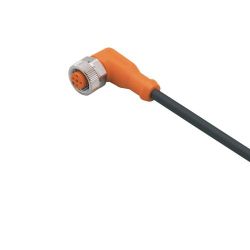 EVC005 \ ecomat 400 \ Connection \ ADOAH040MSS0005H04 \ PLSpecial Price THB 900.00 Regular Price THB 1,200.00
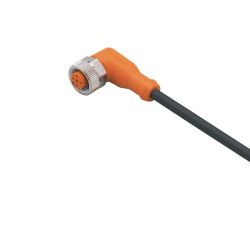 EVC004 \ ecomat 400 \ Connection \ ADOAH040MSS0002H04 \ PLSpecial Price THB 770.00 Regular Price THB 1,100.00
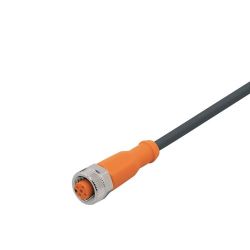 EVC001 \ ecomat 400 \ Connection \ ADOGH040MSS0002H04 \ PLSpecial Price THB 770.00 Regular Price THB 1,100.00
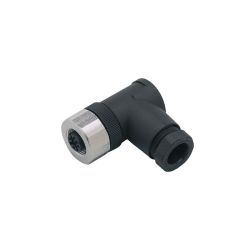 E11252 \ ecomat 400 \ Passive connection technology \ SDOAH040VASFKPG \ DESpecial Price THB 727.50 Regular Price THB 970.00
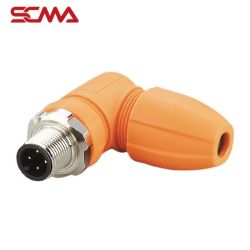 EVC811 \ ecomat 400 \ Connection \ SDOAH040MSSFKPG \ PLSpecial Price THB 825.00 Regular Price THB 1,100.00
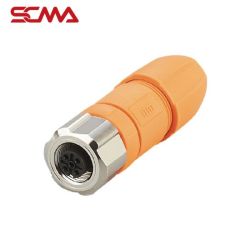 EVC810 \ ecomat 400 \ Connection \ SDOGH040MSSFKPG \ PLSpecial Price THB 825.00 Regular Price THB 1,100.00
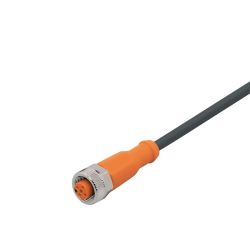 EVC003 \ ecomat 400 \ Passive connection technology \ ADOGH040MSS0010H04 \ PLSpecial Price THB 1,125.00 Regular Price THB 1,500.00
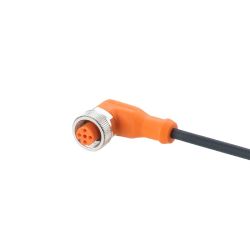 EVC006 \ ecomat 400 \ Passive connection technology \ ADOAH040MSS0010H04 \ PLSpecial Price THB 1,125.00 Regular Price THB 1,500.00
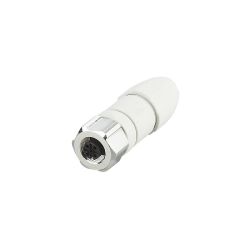 EVF565 \ ecomat 400 \ Passive connection technology \ SDOGH040VASFKPG \ PLSpecial Price THB 1,275.00 Regular Price THB 1,700.00
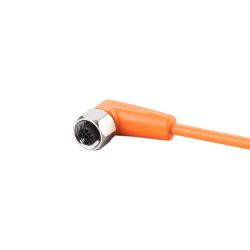 EVT013 \ ecomat 400 \ Passive connection technology \ ADOAH050VAS0005E05 \ PLSpecial Price THB 1,125.00 Regular Price THB 1,500.00
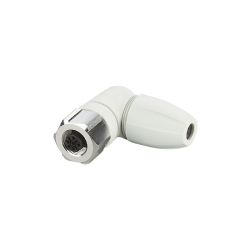 EVF566 \ ecomat 400 \ Passive connection technology \ SDOAH040VASFKPG \ PLSpecial Price THB 1,275.00 Regular Price THB 1,700.00
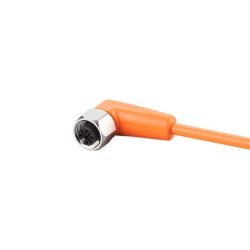 EVT005 \ ecomat 400 \ Passive connection technology \ ADOAH040VAS0010E04 \ PLSpecial Price THB 1,275.00 Regular Price THB 1,700.00
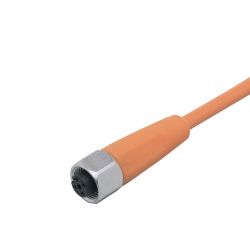 EVT001 \ ecomat 400 \ Connection \ ADOGH040VAS0005E04 \ PLSpecial Price THB 1,050.00 Regular Price THB 1,400.00
 E11145 \ ecomat 400 \ Passive connection technology \ SDOGH040PLSFKSK \ DESpecial Price THB 480.00 Regular Price THB 640.00
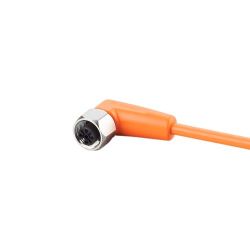 EVT004 \ ecomat 400 \ Connection \ ADOAH040VAS0005E04 \ PLSpecial Price THB 1,050.00 Regular Price THB 1,400.00
 E11774 \ ecomat 400 \ Passive connection technology \ SDOGH050MSSFKPG \ DESpecial Price THB 825.00 Regular Price THB 1,100.00
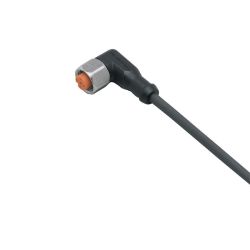 EVM009 \ ecomat 400 \ Passive connection technology \ ADOAH043VAS0010H04 \ PLSpecial Price THB 1,575.00 Regular Price THB 2,100.00
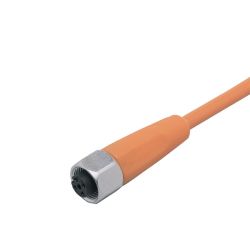 EVT002 \ ecomat 400 \ Passive connection technology \ ADOGH040VAS0010E04 \ PLSpecial Price THB 1,275.00 Regular Price THB 1,700.00
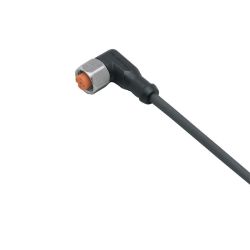 EVM008 \ ecomat 400 \ Passive connection technology \ ADOAH043VAS0005H04 \ PLSpecial Price THB 1,350.00 Regular Price THB 1,800.00
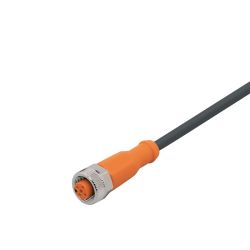 EVC083 \ ecomat 400 \ Passive connection technology \ ADOGH040MSS0020H04 \ PLSpecial Price THB 1,875.00 Regular Price THB 2,500.00
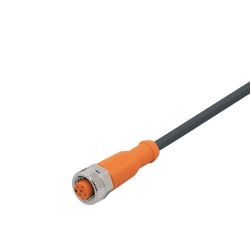 EVC002 \ ecomat 400 \ Connection \ ADOGH040MSS0005H04 \ PLSpecial Price THB 900.00 Regular Price THB 1,200.00
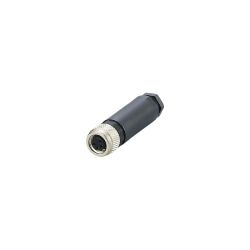 E12464 \ ecomat 400 \ Passive connection technology \ SDOGF040MSSFKPG \ DESpecial Price THB 675.00 Regular Price THB 900.00
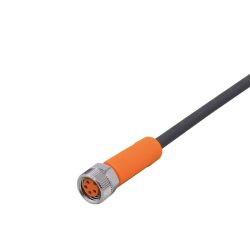 EVC151 \ ecomat 400 \ Passive connection technology \ ADOGF040MSS0005H04 \ PLSpecial Price THB 975.00 Regular Price THB 1,300.00
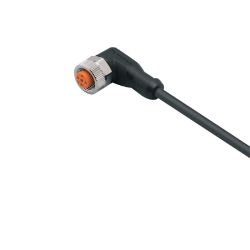 EVC007 \ ecomat 400 \ Passive connection technology \ ADOAH043MSS0002H04 \ PLSpecial Price THB 975.00 Regular Price THB 1,300.00
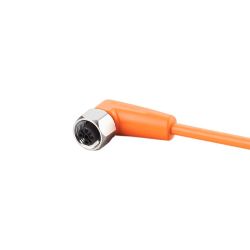 EVT006 \ ecomat 400 \ Passive connection technology \ ADOAH040VAS0025E04 \ PLSpecial Price THB 1,950.00 Regular Price THB 2,600.00
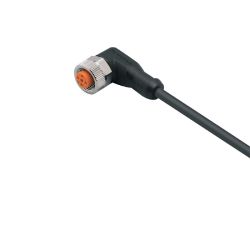 EVC008 \ ecomat 400 \ Passive connection technology \ ADOAH043MSS0005H04 \ PLSpecial Price THB 1,050.00 Regular Price THB 1,400.00
Delivery: 30 ต.ค. 2569
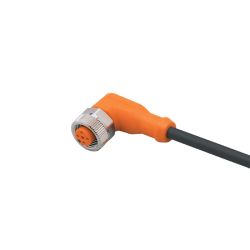 EVC075 \ ecomat 400 \ Passive connection technology \ ADOAH050MSS0010H05 \ PLSpecial Price THB 1,425.00 Regular Price THB 1,900.00
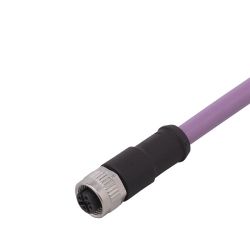 E11597 \ ecomat 400 \ Passive connection technology \ ADOGH050MSA0005C02 \ HUSpecial Price THB 3,900.00 Regular Price THB 5,200.00
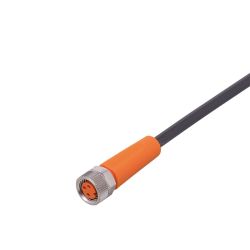 EVC141 \ ecomat 400 \ Passive connection technology \ ADOGF030MSS0002H03 \ PLSpecial Price THB 770.00 Regular Price THB 1,100.00
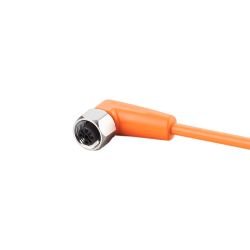 EVT014 \ ecomat 400 \ Passive connection technology \ ADOAH050VAS0010E05 \ PLSpecial Price THB 1,500.00 Regular Price THB 2,000.00
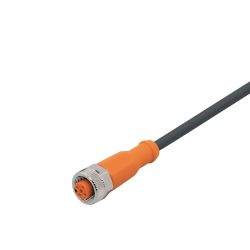 EVC072 \ ecomat 400 \ Passive connection technology \ ADOGH050MSS0010H05 \ PLSpecial Price THB 1,425.00 Regular Price THB 1,900.00
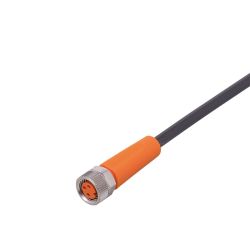 EVC142 \ ecomat 400 \ Passive connection technology \ ADOGF030MSS0005H03 \ PLSpecial Price THB 900.00 Regular Price THB 1,200.00
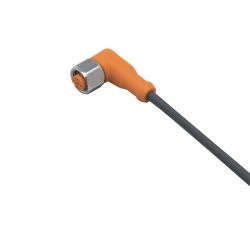 EVM006 \ ecomat 400 \ Passive connection technology \ ADOAH040VAS0010H04 \ PLSpecial Price THB 1,350.00 Regular Price THB 1,800.00
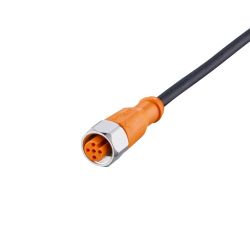 EVM002 \ ecomat 400 \ Passive connection technology \ ADOGH040VAS0005H04 \ PLSpecial Price THB 1,200.00 Regular Price THB 1,600.00
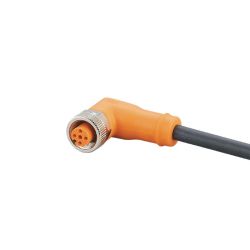 EVC715 \ ecomat 400 \ Passive connection technology \ ADOAH040MSP0050H04 \ PLSpecial Price THB 3,675.00 Regular Price THB 4,900.00
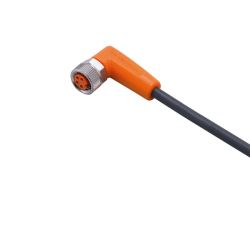 EVC155 \ ecomat 400 \ Passive connection technology \ ADOAF040MSS0010H04 \ PLSpecial Price THB 1,200.00 Regular Price THB 1,600.00
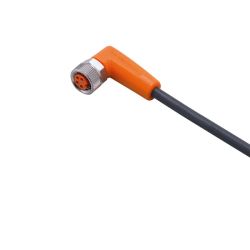 EVC154 \ ecomat 400 \ Passive connection technology \ ADOAF040MSS0005H04 \ PLSpecial Price THB 975.00 Regular Price THB 1,300.00
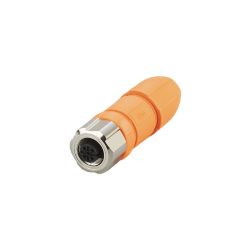 EVC814 \ ecomat 400 \ Passive connection technology \ SDOGH050MSSFKPG \ PLSpecial Price THB 900.00 Regular Price THB 1,200.00
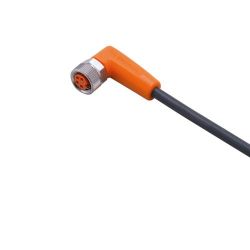 EVC153 \ ecomat 400 \ Connection \ ADOAF040MSS0002H04 \ PLSpecial Price THB 825.00 Regular Price THB 1,100.00
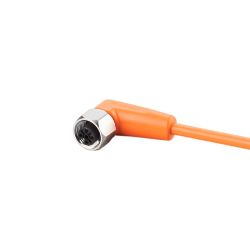 EVT095 \ ecomat 400 \ Passive connection technology \ ADOAH040VAS0020E04 \ PLSpecial Price THB 1,650.00 Regular Price THB 2,200.00
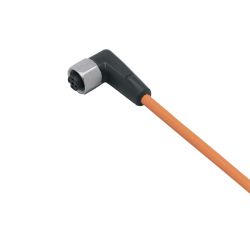 EVT008 \ ecomat 400 \ Passive connection technology \ ADOAH043VAS0010E04 \ PLSpecial Price THB 1,425.00 Regular Price THB 1,900.00
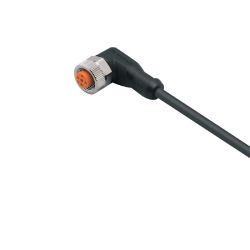 EVC009 \ ecomat 400 \ Passive connection technology \ ADOAH043MSS0010H04 \ PLSpecial Price THB 1,275.00 Regular Price THB 1,700.00
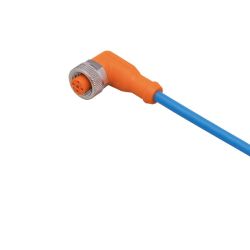 ENC05A \ ecomat 400 \ Passive connection technology \ ADOAH040MSN0005H04/1G/1D \ PLSpecial Price THB 1,125.00 Regular Price THB 1,500.00
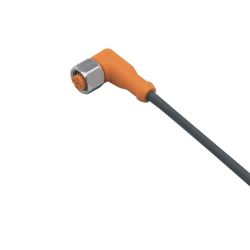 EVM004 \ ecomat 400 \ Passive connection technology \ ADOAH040VAS0002H04 \ PLSpecial Price THB 975.00 Regular Price THB 1,300.00
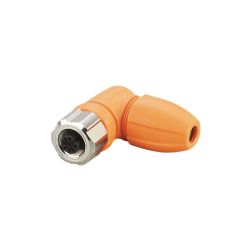 EVC815 \ ecomat 400 \ Passive connection technology \ SDOAH050MSSFKPG \ PLSpecial Price THB 900.00 Regular Price THB 1,200.00
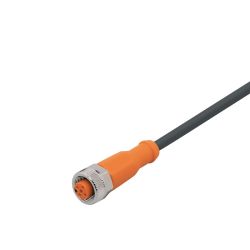 EVS002 \ ecomat 400 \ Passive connection technology \ ADOGH030ZDB0005E03 \ PLSpecial Price THB 840.00 Regular Price THB 1,200.00
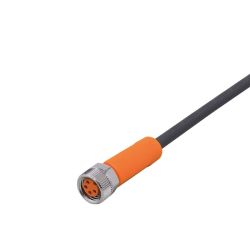 EVC152 \ ecomat 400 \ Passive connection technology \ ADOGF040MSS0010H04 \ PLSpecial Price THB 1,200.00 Regular Price THB 1,600.00
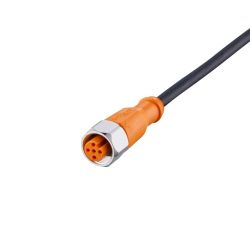 EVM037 \ ecomat 400 \ Passive connection technology \ ADOGH050VAS0005H05 \ PLSpecial Price THB 1,275.00 Regular Price THB 1,700.00
Sockets and Choosing an Impact Socket: On-Site Techniques to Reduce Damaged Bolt Heads and Speed Up Repairs
Ever wondered why maintenance work sometimes takes longer than it should? This article summarises what you need to know about sockets and the techniques for using an impact socket, to reduce on-site problems and prevent damage to your socket set, helping you buy exactly the right impact socket set. If you need calibration and measuring instrument services or a specialised engineering solution, the SCMA team is ready to give full support.
What Are Sockets?
Sockets are cylindrical hand tools for maintenance work that grip a bolt head to transmit torque from a handle or an air gun to the workpiece. Having a comprehensive socket set lets technicians dismantle and reassemble machinery faster and more accurately than an open-ended spanner, especially in hard-to-reach places. Choosing tool sockets designed for industrial work spreads the pressure evenly, reducing the risk of rounding or damaging a bolt head — the main cause of unplanned downtime.
How Many Types of Socket Are There?
Choosing the wrong type of socket risks accidents and delays. We group them by application so engineers can choose a socket set that matches the job safely.
Hex Sockets
Also called 6-point sockets, these are the tool sockets most widely used in general maintenance. They are designed to grip the flats of the bolt head over the full contact face, reducing the chance of rounding it off and transmitting torque excellently. They suit tightening machine components where high accuracy is required.
Impact Sockets
Made from chrome molybdenum steel (Cr-Mo) with a matt black finish, tough and highly resistant to impact. An impact socket must only be used with an air gun or an electric impact wrench. If your plant needs speed and high torque, investing in a good impact socket set reduces the risk of a socket shattering and injuring the operator.
Specialty Sockets
Special sockets for specific jobs, such as spark plug sockets or through-type sockets that can turn a nut on a long thread, as well as a big impact socket set for heavy machinery. Having these solves the on-site problem of a standard socket that cannot reach, genuinely reducing machine downtime.
Why Must Chrome Sockets Never Be Used With an Air Gun?
This is a critical safety matter that engineers must impress on their technicians. The difference lies in the steel composition, which affects the mechanical properties:
- Chrome vanadium (Cr-V) for chrome sockets: Hard but brittle, designed to withstand continuous torque from human effort. Used with the hammering, snatching action of an air gun, the steel structure cannot cope and shatters, sending sharp fragments flying at the user immediately
- Chrome molybdenum (Cr-Mo) for impact sockets: Tough and flexible; the molybdenum helps the steel absorb shock, so when it meets an enormous impact the socket gives slightly rather than breaking. This offers the highest safety for industrial work
Key Advantages of Sockets
Why do professional engineers choose sockets over an open-ended spanner when assembling machinery? The answer is safety and speed, which affect production efficiency directly.
Good Torque Distribution
The structure of a tool socket is designed to grip the bolt head over the full 360-degree contact face, spreading torque evenly into the walls of the nut and reducing rounding or head cracking when high tightening force is needed. Complete power transmission makes tightening accurate and protects high-value machine parts from damage.
High Safety
Using a good impact socket set designed specifically for air guns provides a pin and O-ring locking system at the base of the socket, holding it securely to the drive spindle and preventing the socket from flying off at the operator while turning at high speed. This is a safety standard that leading plants must take seriously.
Access in Tight Spaces
Restricted space is solved by using a socket set together with a long extension or a universal joint, reaching bolt heads in deep recesses that an ordinary spanner cannot. This cuts out the step of dismantling obstructing components, so the team works conveniently and finishes maintenance faster without modifying tools.
Speed
Switching to an impact socket with an air gun cuts bolt tightening time by more than half compared with turning by hand, reducing fatigue for the team and getting the production line running again sooner. Investing in the right tools is the most worthwhile shortcut to improving maintenance efficiency.
How Sockets Work
The main mechanism converts torque from the power tool through the socket wall into the side of the bolt head, not into its corners. This design lets sockets take enormous torque without damaging the nut. Using a standard-compliant impact socket set, torque is transmitted at full efficiency, making it easy to tighten or release even a seized or rusted nut.
Steps for Using Sockets
To obtain the correct torque value and extend tool life, technicians should follow the standard procedure. Incorrect use damages both the tool sockets and the workpiece.
Checking Condition Before Use
Before starting work every time, check the impact socket for cracks or chipping that could cause it to break under high impact. Removing damaged equipment from the site immediately is the safety standard that prevents accidents and flying steel fragments.
Choosing the Right Size for the Tool Being Used
Trial-fitting the socket so it sits snugly on the bolt head reduces the clearance and slip that would damage the corners of the nut. Choosing the correct size from a standard-compliant socket set transmits torque at full efficiency and makes a tightly seized nut easier to remove.
Correct Fitting to the Tool Being Used
When used with an air gun or an electric tightening tool, always make sure the socket is pushed fully onto the spindle and locked with the pin and O-ring. Using a good impact socket set with a secure locking system prevents the socket flying off while turning at high speed — a serious hazard in the work area.
Correct Tightening Technique
Technicians should hold the tool square to the workpiece throughout tightening, so the force transfers evenly into the bolt head. Tilting the handle wears the inner wall of the tool socket faster than it should and may damage the thread, costing extra repair time.
Correct Storage
After the job, wipe away oil and grease to prevent rust before storing the set tidily in its case. Caring for an impact socket set correctly extends its life and lets the maintenance team check the inventory easily, preventing losses before the next day's work.
The Pin & O-Ring Locking System: An On-Site Safety Standard
When using an impact socket with an air gun, the thing most often neglected is fitting the pin and the O-ring.
- Why it matters: The centrifugal force of an air gun turning at high speed can throw the socket off the spindle if there is no lock, creating a serious hazard for people nearby
- What to do: SCMA recommends always passing the pin through the hole in the socket and the air gun spindle, then fitting the O-ring over it as a second layer, for 100% safe working
Socket Accessories That Reduce Unplanned Downtime
Sometimes the on-site problem is not the socket but reaching a nut at an awkward angle. Accessories are therefore an important aid that lets the maintenance team work faster without dismantling obstructing parts.
- Extension bars: Let sockets reach nuts in deep recesses without dismantling the machine. Using a quality extension with a socket set keeps the torque in line and protects the bolt head on site
- Universal joints: Help turn nuts at awkward angles that the handle cannot reach. Choosing an impact socket grade universal joint keeps maintenance flowing, reaching difficult points immediately without wasting time modifying tools
- Drive size adapters: Convert the drive size so a socket can be used immediately with handles of a different size. Having adapters in a good impact socket set reduces the number of tools to carry and helps finish the job faster
- Impact-rated joints: Joints made specifically for use with an impact socket set, taking the enormous shock of an air gun without cracking — safer than a chrome joint, which risks shattering if used incorrectly
Industrial Applications of Sockets
Sockets are the key to maintaining cycle time in maintenance work. A complete socket set lets the team dismantle and reassemble machinery and install pipework on site quickly.
- Machine maintenance: Using an impact socket on machine base or large motor bolts requires a socket that takes high torque so the bolt head does not wear
- Automotive industry: Vehicle assembly lines use an impact socket set heavily all day, and the durability of the socket directly affects assembly quality
- Steel structure work: Tightening structural bolts often requires an extra-large big impact socket set to achieve the torque required by engineering standards
- Work in confined spaces: Using a universal joint or a swivel socket reaches points an ordinary spanner cannot, reducing the time spent dismantling parts
How to Choose the Right Sockets
Choosing the right socket for the job reduces the risk of accidents. Using an industrial-grade good impact socket set is an important technical factor that maintenance engineers must consider to prevent damage to the workpiece.
- Choose according to the tool: If using an air gun, only an impact socket (black, Cr-Mo) may be used; with a hand handle, a chrome socket (Cr-V) is acceptable
- Drive size: Must match the handle — for example 1/2 inch, 3/4 inch or 1 inch for heavy work. The larger the drive, the more torque it can take
- Number of points: The 6-point type takes torque best and reduces the chance of rounding the nut; the 12-point type is convenient in tight spaces but takes less torque
- Socket depth: Choose a deep socket for nuts on a long protruding thread, so it grips the base of the nut over the full contact face
Maintaining Sockets
Extend the life of your sockets by inspecting them on a preventive maintenance plan, to reduce the risk of a tool cracking — especially a big impact socket set that must take enormous impact continuously.
- Look for cracks: Before using with an air gun, inspect the mouth and base of the socket for cracks. If any are found, discard it immediately — never weld a repair
- Clean after use: Oil film makes the socket slip while turning and risks an accident. Wipe it clean and store it tidily in its case
- Check the flats for wear: If the internal flats begin to round off, replace the socket immediately to prevent damaging the bolt head, which would cost time to remove later
- Store by type: Keep chrome sockets and impact sockets in clearly separate places to prevent the wrong type being picked up
Summary
Choosing the right sockets and impact socket set reduces the risk of accidents and prevents damage to machinery. The SCMA engineering team is ready to support you with engineering solutions and to attend site immediately in both the EEC and the northern region, so you can be confident that maintenance work continues smoothly and at maximum efficiency. Consult the SCMA engineering team or see all products — click here
Frequently Asked Questions
What is the difference between an impact socket and an ordinary socket?
An impact socket (black) is made from chrome molybdenum steel (Cr-Mo) and is tough, standing up well to the impact of an air gun. An ordinary socket (silver) is made from chrome vanadium (Cr-V), hard but brittle, suited to a hand handle and never to be used with an air gun.
Should I choose a 6-point or a 12-point socket?
Machine maintenance requiring high torque should use the 6-point type, because it grips the bolt head over the full contact face and reduces the chance of rounding it. The 12-point type suits confined spaces where the handle can only be moved a little.
Why does an impact socket have a hole at the base?
The hole is for the pin that locks the socket to the air gun spindle, preventing the socket flying off while turning at high speed. It is a very important safety standard.
Looking for “Sockets”? Think of SCMA!
Using sockets or an impact socket set that does not meet the standard is an enormous risk. At SCMA we select only industrial-grade sockets and a big impact socket set for heavy work, with an engineering team on standby in Chonburi and Lamphun. You can be confident that whenever machinery has a problem, we are ready to deliver the right tools and the right advice to your site immediately.
If you need calibration and industrial measuring instrument services, click here, or if you need advice on installing a sensor system on site, SCMA is ready to look after you to engineering standards.
This website uses cookies
We use cookies to make the site work properly, to understand how it is used, and to show content that is relevant to you. You choose which types to allow; strictly necessary cookies are always on. Privacy Policy
🤖 AI Assistant
Ask about products, specs and replacement models
Hello 👋 Ask us anything — find products, compare specs, or troubleshoot.
🗑 Clear history