
SPECIAL PROMOTION — Up to 40% off across many product groups, until 31 December 2026 · Click to see all promotion itemsIFM, Sensor, Automation SystemMeasuring / Testing InstrumentsTemp Indicator, Control, T/C, RTD, TimerHeater, SCR Control, Solid State, Power Supply, Control CabinetField Measuring Instruments, Pressure Gauge, Level Control, Flow MeasurementEMC, Pneumatic, Solenoid ValveInspection Test Lamp, Head Light, Automotive Measuring InstrumentWeighing Scales, Marking Machine, PrintersEducational Training SystemsHot Line Tools & Equipment SPECIAL PROMOTION — Up to 40% off across many product groups, until 31 December 2026 · Click to see all promotion itemsIFM, Sensor, Automation SystemMeasuring / Testing InstrumentsTemp Indicator, Control, T/C, RTD, TimerHeater, SCR Control, Solid State, Power Supply, Control CabinetField Measuring Instruments, Pressure Gauge, Level Control, Flow MeasurementEMC, Pneumatic, Solenoid ValveInspection Test Lamp, Head Light, Automotive Measuring InstrumentWeighing Scales, Marking Machine, PrintersEducational Training SystemsHot Line Tools & Equipment View promotion items View all
HMI
HMI: The Smart Heart of Modern Factories
In the era where manufacturing is stepping into Smart Factory territory, the role of machine control technology has fundamentally changed. One indispensable core component is HMI (Human Machine Interface), an apparatus that acts as a "translator" between operators and complex machinery. This article will take you deep into what HMI is, why it's important, and how it can elevate hmi plc in your factory.
Features of HMI
- HMI is used to display information and statuses of various systems, such as temperature, pressure, or other operational data.
- Commands can be entered through touch screens or buttons, making usage easy.
- This touchscreen will immediately alert when there is a system malfunction or abnormal status.
- Machine operations can be controlled through HMI, making machine control more convenient.
View the full HMI catalog here.
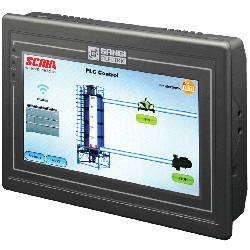 Touch Screen Model: SPI8102R/ 10.2" Color Display Remote Human Machine InterfaceSpecial Price THB 20,560.00 Regular Price THB 25,700.00
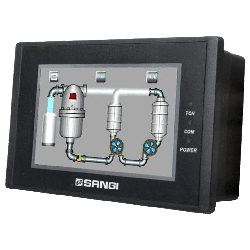 Touch Screen Model: LEVI2043E-N/ 4.3" Human Machine InterfaceSpecial Price THB 4,080.00 Regular Price THB 5,100.00
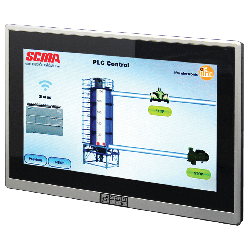 Touch Screen Model: SPI9120R/ 12" Color Display Remote Human Machine InterfaceSpecial Price THB 33,120.00 Regular Price THB 41,400.00
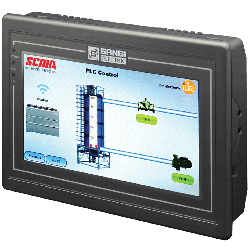 Touch Screen Model: SPI8070R/ 7" Color Display Remote Human Machine InterfaceSpecial Price THB 15,360.00 Regular Price THB 19,200.00
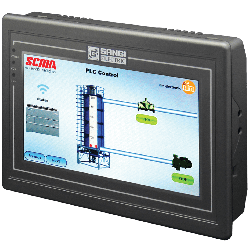 Touch Screen Model: SPI8070/ 7" Color Display Human Machine InterfaceSpecial Price THB 14,400.00 Regular Price THB 18,000.00
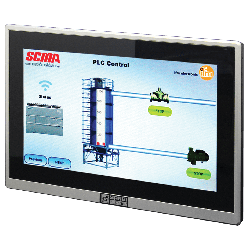 Touch Screen Model: SPI9150/ 15.6" Color Display Human Machine InterfaceSpecial Price THB 33,520.00 Regular Price THB 41,900.00
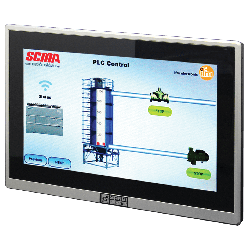 Touch Screen Model: SPI9150R/ 15.6" Color Display Remote Human Machine InterfaceSpecial Price THB 36,400.00 Regular Price THB 45,500.00
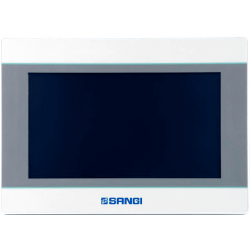 Touch Screen Model: SPI3070i/ 7" Color Display Human Machine InterfaceSpecial Price THB 5,440.00 Regular Price THB 6,800.00
Delivery: 30 ต.ค. 2569
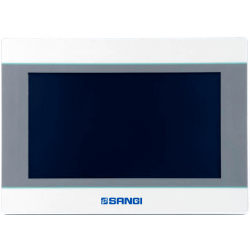 Touch Screen Model: SPI3070i-N/ 7" Color Display Human Machine InterfaceSpecial Price THB 6,000.00 Regular Price THB 7,500.00
Delivery: 30 ต.ค. 2569
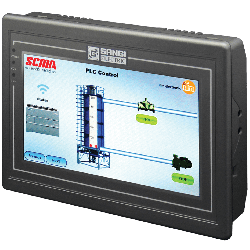 Touch Screen Model: SPI8102/ 10.2" Color Display Human Machine InterfaceSpecial Price THB 19,200.00 Regular Price THB 24,000.00
Delivery: 30 ต.ค. 2569
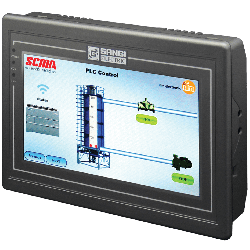 Touch Screen Model: SPI9070/ 7" Color Display Human Machine InterfaceSpecial Price THB 15,600.00 Regular Price THB 19,500.00
Delivery: 30 ต.ค. 2569
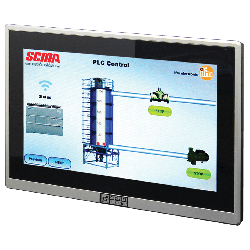 Touch Screen Model: SPI9120/ 12" Color Display Human Machine InterfaceSpecial Price THB 31,920.00 Regular Price THB 39,900.00
Delivery: 30 ต.ค. 2569
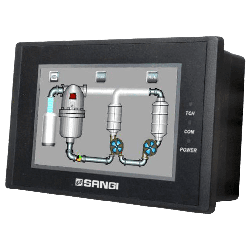 Touch Screen Model: LEVI2043T/ 4.3" Color Display Human Machine InterfaceSpecial Price THB 3,600.00 Regular Price THB 4,500.00
Delivery: 30 ต.ค. 2569
What is HMI?
HMI stands for Human Machine Interface, which translates to "human-machine interface" in Thai. It refers to equipment or software that enables humans to communicate, control, and monitor the status of machines or automated systems. Typically, it appears as touch screens (Touch Screen) or control panels displaying real-time graphical data, making it easy for users to manage complex systems with just a touch.
The Importance of HMI in Automation Systems and Smart Factories
In modern industrial settings, HMI is not merely a display screen but an essential component driving the operation of smart factories because it serves as a central hub connecting data between operators (Human) and control systems (Machine). The importance of human machine interface includes:
- Central Control Point: Connects operators to complex automated systems, allowing control over multiple machines from one point.
- Real-time Monitoring: Enables engineers to see the status of machinery immediately (real-time monitoring), facilitating quick responses to issues.
- Error Reduction: Well-designed interfaces help reduce human errors in command input or machine setup.
- Safety Enhancement: Timely alerts for anomalies and reducing risks where humans need to enter hazardous areas.
- Remote Work Support: Modern HMIs can work with network systems, allowing monitoring and control of factories from anywhere.
Main Functions of HMI
The primary role of HMI is to serve as an intermediary for interaction between users and automated control systems (such as PLC) to ensure smooth and efficient operation. Key functions include:
- Data Visualization: Transforms raw data from sensors or PLCs into easily understandable graphics, such as temperature graphs, pressure gauges, or operational status (ON/OFF).
- Control and Operation: Receives commands from users via touch screens or buttons to start machines (Start), stop them (Stop), or change operating modes.
- Alarm Management: Detects and displays warning messages when faults occur, such as "Motor Overload" or "Temperature Exceeded," enabling timely resolution.
- Parameter Setting: Allows authorized users to adjust various production parameters, like setting baking times or adjusting conveyor belt speeds.
If you are interested in more detailed information about HMI concepts and evolution, read further from the COPA-DATA expert industrial software article.
Popular Types of HMIs Used in Industry
To meet diverse usage requirements, human machine interfaces come in various forms, from simple to advanced computer systems:
1. Push-button Replacer Type
The traditional type using push buttons and status lights (Pilot Lamp), emphasizing durability and ease of use for uncomplicated machinery with limited budgets.
2. Touch Screen HMI
The most popular type today, featuring touch panels displaying beautiful graphics, easy to use like smartphones, supporting complex functions and large data display well.
3. Portable HMI
Designed for operators to carry around (Mobile Device), allowing them to monitor and control machinery from various points in production lines, suitable for maintenance or inspection work.
4. Industrial PC (IPC)
A high-performance industrial computer running on operating systems (such as Windows) capable of processing large amounts of data, working with SCADA software, and connecting to complex network systems.
The Benefits of Using HMI in Factories
Investing in installing an HMI system for machinery not only makes the factory look modern but also generates tangible profits:
Increase Production Efficiency
Operators can see a comprehensive overview of production on one screen, speeding up management and decision-making processes, reducing machine downtime.
Reduce Human Errors (Human Error)
Clear menu systems and automatic alerts prevent errors from incorrect button presses or forgotten steps, ensuring consistent accuracy in the manufacturing process.
Show Real-time Data for Decision Making
Real-time production data helps managers or engineers analyze problems and improve processes immediately without waiting for daily summaries.
Increase Work Safety
HMI reduces the need for employees to directly interact with machinery in hazardous areas, and alert systems help mitigate emergencies before severe damage occurs.
Interested in HMI? Buy from SCMA Today!
Selecting a high-quality and suitable HMI is the first step towards smart factory success at SCMA. We are your trusted technical partners, curating top-tier global brands with standards and expert engineers ready to consult on specifications, installation, and programming control. If you're looking for HMI solutions or need advice on upgrading machine control systems, see our services or read more about Human Machine Interface on our website. The SCMA team is dedicated to serving you with expertise and care.
Summary
HMI is the key that connects human potential with machine power. Choosing an appropriate HMI not only simplifies machine control but also enhances efficiency, safety, and competitiveness in industrial factories for a sustainable digital era.
Frequently Asked Questions
What's the Difference Between PLC and HMI?
A PLC (Programmable Logic Controller) is like the "brain" processing and controlling machinery, while an HMI (Human Machine Interface) is like the "face," receiving commands from humans and displaying results from PLC for human understanding. Both work together but have different roles.
Does HMI Always Need to Work with a PLC?
HMIs are usually designed to work with PLCs to control machinery, but in some cases, HMIs can connect to other control devices like Inverters, Temperature Controllers, or Industrial PCs depending on system design.
This website uses cookies
We use cookies to make the site work properly, to understand how it is used, and to show content that is relevant to you. You choose which types to allow; strictly necessary cookies are always on. Privacy Policy
🤖 AI Assistant
Ask about products, specs and replacement models
Hello 👋 Ask us anything — find products, compare specs, or troubleshoot.
🗑 Clear history