
SPECIAL PROMOTION — Up to 40% off across many product groups, until 31 December 2026 · Click to see all promotion itemsIFM, Sensor, Automation SystemMeasuring / Testing InstrumentsTemp Indicator, Control, T/C, RTD, TimerHeater, SCR Control, Solid State, Power Supply, Control CabinetField Measuring Instruments, Pressure Gauge, Level Control, Flow MeasurementEMC, Pneumatic, Solenoid ValveInspection Test Lamp, Head Light, Automotive Measuring InstrumentWeighing Scales, Marking Machine, PrintersEducational Training SystemsHot Line Tools & Equipment SPECIAL PROMOTION — Up to 40% off across many product groups, until 31 December 2026 · Click to see all promotion itemsIFM, Sensor, Automation SystemMeasuring / Testing InstrumentsTemp Indicator, Control, T/C, RTD, TimerHeater, SCR Control, Solid State, Power Supply, Control CabinetField Measuring Instruments, Pressure Gauge, Level Control, Flow MeasurementEMC, Pneumatic, Solenoid ValveInspection Test Lamp, Head Light, Automotive Measuring InstrumentWeighing Scales, Marking Machine, PrintersEducational Training SystemsHot Line Tools & Equipment View promotion items View all
Temperature controllers
What are Temperature Controllers?
Temperature controllers are devices that control temperature within various processes, such as heating systems, cooling systems, and air conditioning. They maintain the set temperature by receiving signals from temperature sensors, processing them, and displaying the results on a screen. The display shows two sets of numbers:
- Set Value (SV) - the desired temperature setting
- Process Value (PV) - the actual temperature as measured by the sensor
Types of Temperature Controllers
- Analog Temperature Controller - features an easy-to-use needle gauge and operates in on/off mode. When the temperature exceeds the set value, it stops until the temperature drops to the desired level.
- Digital Temperature Controller - has a digital display that clearly shows temperature readings. Popular in industries due to easy installation and user-friendly operation. Some models allow for programmable settings.
- Multi-Loop Modular Temperature Controller - installs on DIN rail and can control multiple loops simultaneously but lacks a display screen.
Industries Using Temperature Controllers
- Manufacturing Industry - used to control temperature in machinery and production processes.
- Food and Beverage Industry - monitors and controls temperatures during production and storage.
- Medical and Pharmaceutical Industry - checks and controls temperatures during drug manufacturing and storage.
- Water Treatment and Environmental Management Industry - used to monitor and control temperatures in water treatment processes.
- Energy Industry - for temperature control in reactor systems, heating systems, and cooling systems at power plants.
- Steel and Metal Manufacturing Industry - controls temperatures during steel and metal melting and heating processes.
- Electronics Industry - used to control temperature in electronics manufacturing and assembly for quality standards.
Popular Temperature Controller Brands
- Aeropak - offers a wide range of products with high efficiency.
- Delta - a Taiwanese brand popular in the Asian market, known for user-friendly and cost-effective products.
- Shinko - another Japanese brand with high-quality products and reliability.
- Siemens - a German brand renowned for durability and accuracy.
- Yokogawa - a leading Japanese brand in measurement and control, known for high durability.
View the Temperature Controller Catalog : Click Here
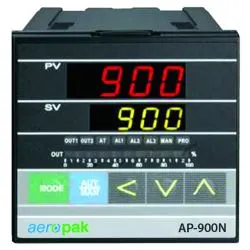 Aeropak AP-900N-301 Temperature ControllersSpecial Price THB 1,932.00 Regular Price THB 2,415.00
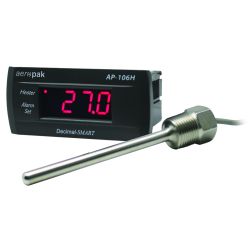 Aeropak AP-106H Temperature ControllersSpecial Price THB 1,440.00 Regular Price THB 1,800.00
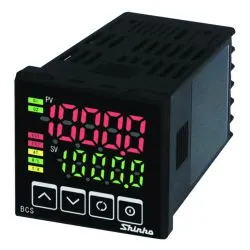 Shinko BCS2S10-00 Temperature ControllersSpecial Price THB 2,978.00 Regular Price THB 3,970.00
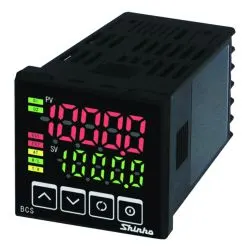 Shinko BCS2R00-00 Temperature ControllersSpecial Price THB 2,978.00 Regular Price THB 3,970.00
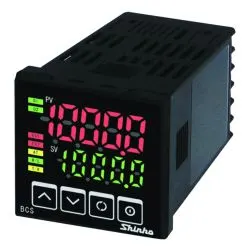 Shinko BCS2A00-00 Temperature ControllersSpecial Price THB 2,978.00 Regular Price THB 3,970.00
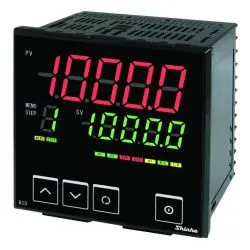 Shinko BCD2R00-06 Temperature ControllersSpecial Price THB 5,385.00 Regular Price THB 7,180.00
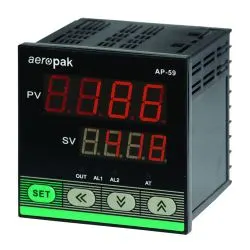 Aeropak AP-59A Temperature ControllersSpecial Price THB 2,000.00 Regular Price THB 2,500.00
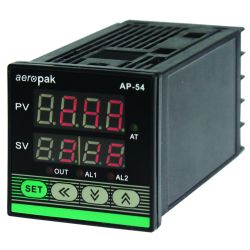 Aeropak AP-54R Temperature ControllersSpecial Price THB 1,840.00 Regular Price THB 2,300.00
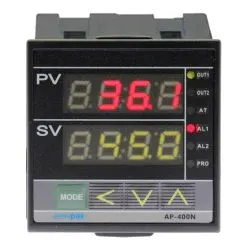 Aeropak AP-400N-301 Temperature ControllersSpecial Price THB 1,656.00 Regular Price THB 2,070.00
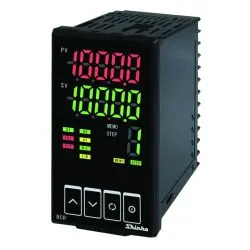 Shinko BCR2A00-16 Temperature ControllersSpecial Price THB 5,153.00 Regular Price THB 6,870.00
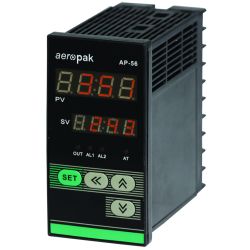 Aeropak AP-56S Temperature ControllersSpecial Price THB 1,840.00 Regular Price THB 2,300.00
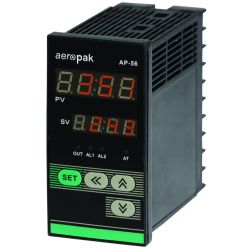 Aeropak AP-56R Temperature ControllersSpecial Price THB 1,840.00 Regular Price THB 2,300.00
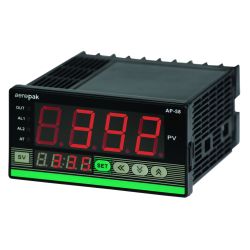 Aeropak AP-58R Temperature ControllersSpecial Price THB 1,840.00 Regular Price THB 2,300.00
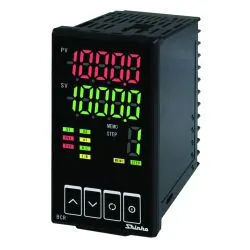 Shinko BCD2S00-00 Temperature ControllersSpecial Price THB 4,350.00 Regular Price THB 5,800.00
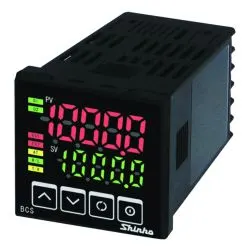 Shinko BCS2A10-00 Temperature ControllersSpecial Price THB 2,978.00 Regular Price THB 3,970.00
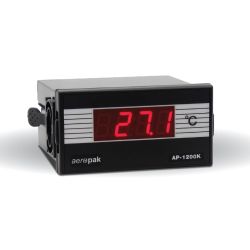 Aeropak AP-1200K Temperature ControllersSpecial Price THB 1,748.00 Regular Price THB 2,185.00
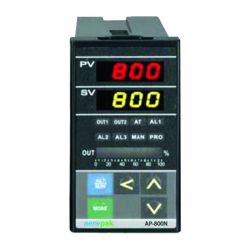 Aeropak AP-800N-201 Temperature ControllersSpecial Price THB 2,484.00 Regular Price THB 3,105.00
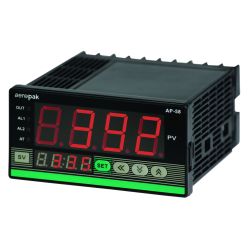 Aeropak AP-58S Temperature ControllersSpecial Price THB 1,840.00 Regular Price THB 2,300.00
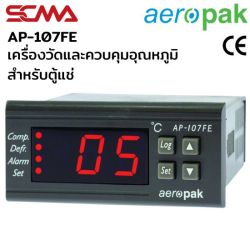 AP-107FE Temperature Controllers Digital Refrigerator Temperature Controller AeropakSpecial Price THB 1,000.00 Regular Price THB 1,250.00
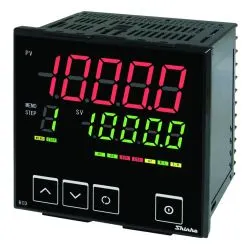 Shinko BCD2A00-06 Temperature ControllersSpecial Price THB 5,385.00 Regular Price THB 7,180.00
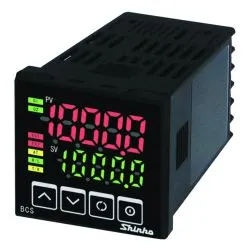 Shinko BCS2R00-06 Temperature ControllersSpecial Price THB 4,350.00 Regular Price THB 5,800.00
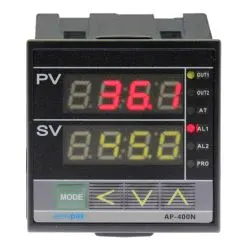 Aeropak AP-400N-101 Temperature ControllersSpecial Price THB 1,656.00 Regular Price THB 2,070.00
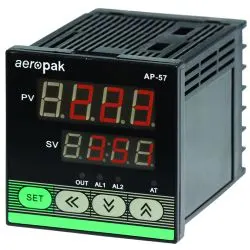 Aeropak AP-57A Temperature ControllersSpecial Price THB 2,000.00 Regular Price THB 2,500.00
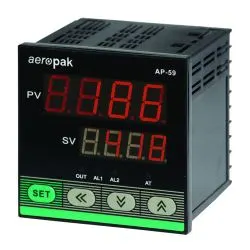 Aeropak AP-59S Temperature controllersSpecial Price THB 1,840.00 Regular Price THB 2,300.00
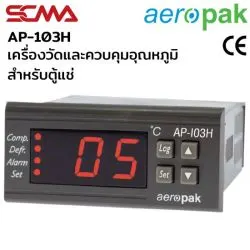 AP-103H Temperature Controllers Aeropak Refrigerator Temperature SensorSpecial Price THB 1,080.00 Regular Price THB 1,350.00
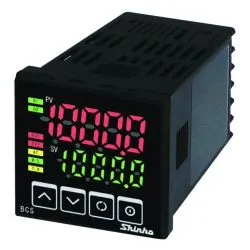 Shinko Temperature Controllers BCS2S00-00Special Price THB 2,978.00 Regular Price THB 3,970.00
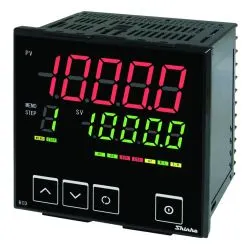 Shinko BCD2R00-16 Temperature ControllersSpecial Price THB 5,723.00 Regular Price THB 7,630.00
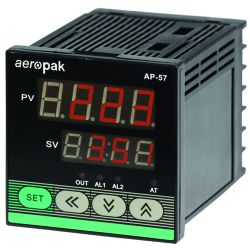 Aeropak AP-57S Temperature ControllersSpecial Price THB 1,840.00 Regular Price THB 2,300.00
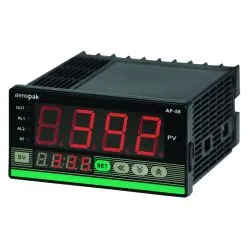 Aeropak AP-58A Temperature ControllersSpecial Price THB 2,000.00 Regular Price THB 2,500.00
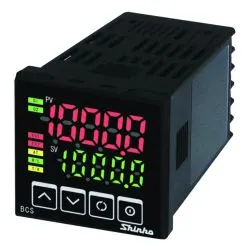 Shinko BCS2R00-16 Temperature ControllersSpecial Price THB 4,523.00 Regular Price THB 6,030.00
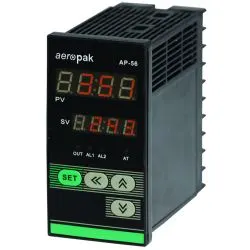 Aeropak AP-56A Temperature ControllersSpecial Price THB 2,000.00 Regular Price THB 2,500.00
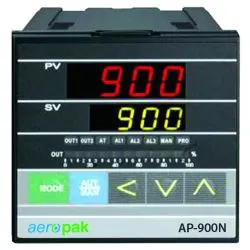 Aeropak AP-900N-101 Temperature ControllersSpecial Price THB 1,932.00 Regular Price THB 2,415.00
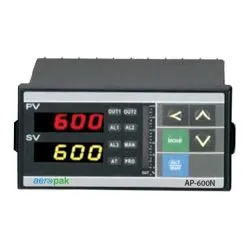 Aeropak AP-600N-201 Temperature ControllersSpecial Price THB 2,300.00 Regular Price THB 2,875.00
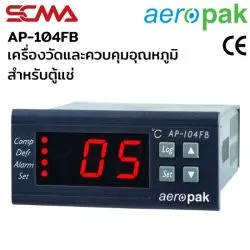 AP-104FB Temperature Controllers AeropakSpecial Price THB 880.00 Regular Price THB 1,100.00
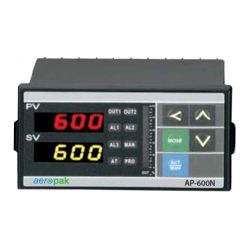 Aeropak AP-600N-101 Temperature ControllersSpecial Price THB 1,932.00 Regular Price THB 2,415.00
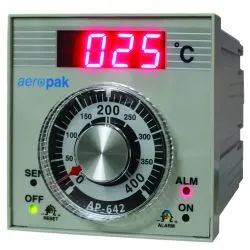 Aeropak AP-642 Temperature ControllersSpecial Price THB 1,840.00 Regular Price THB 2,300.00
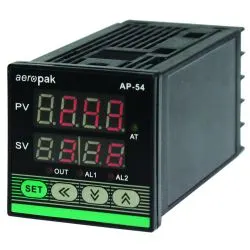 Aeropak AP-54A Temperature ControllersSpecial Price THB 2,000.00 Regular Price THB 2,500.00
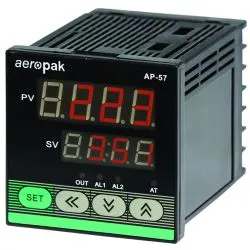 Aeropak AP-57R Temperature ControllersSpecial Price THB 1,840.00 Regular Price THB 2,300.00
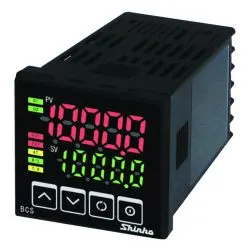 Shinko BCS2R10-00 Temperature ControllersSpecial Price THB 2,978.00 Regular Price THB 3,970.00
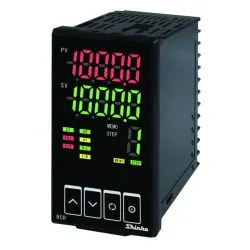 Shinko BCD2R00-00 Temperature ControllersSpecial Price THB 4,350.00 Regular Price THB 5,800.00
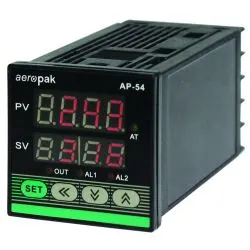 Aeropak AP-54S Temperature ControllersSpecial Price THB 1,840.00 Regular Price THB 2,300.00
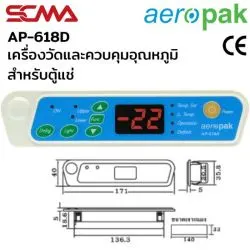 AP-618D Temperature Controllers Digital Aeropak RefrigeratorSpecial Price THB 990.00 Regular Price THB 2,200.00
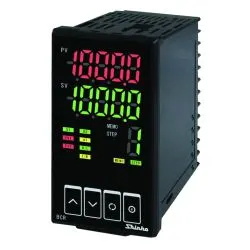 Shinko BCR2R00-06 Temperature ControllersSpecial Price THB 4,808.00 Regular Price THB 6,410.00
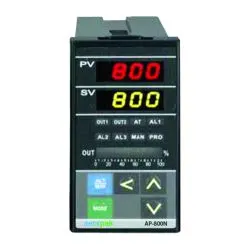 Aeropak AP-800N-101 Temperature ControllersSpecial Price THB 1,932.00 Regular Price THB 2,415.00
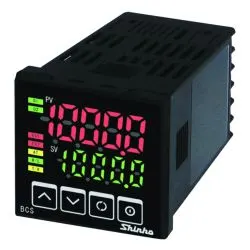 Shinko Temperature Controllers BCS2R00-10Special Price THB 3,323.00 Regular Price THB 4,430.00
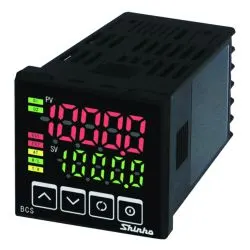 Shinko BCS2A00-10 Temperature ControllersSpecial Price THB 3,323.00 Regular Price THB 4,430.00
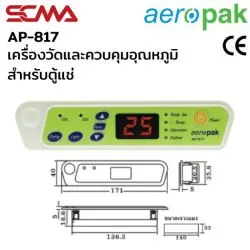 AP-817 Temperature Controllers for Aeropak RefrigeratorsSpecial Price THB 1,080.00 Regular Price THB 2,400.00
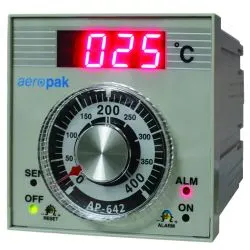 Aeropak AP-642 1200 CA+AL Temperature ControllersSpecial Price THB 2,300.00 Regular Price THB 2,875.00
What are Temperature Controllers? Types and How They Work
Temperature Controllers, also known as temperature control devices, are a crucial component of manufacturing processes in various industries. If you're wondering what a PID Controller is or still unsure about what temperature means and its importance in automation systems, this article will delve into every aspect from how they work, types, to selecting the right Temperature Controller that fits your needs and provides value for money. It also offers practical tips to enhance the efficiency of your system. For more information on related products or services, please visit SCMA Services
What is a Temperature Controller?
A temperature controller (Temperature Controller) is an automatic device that measures and adjusts the temperature to maintain it at a set point (Set Point). It receives input from sensors, compares it with the preset value, and sends output signals to control heating or cooling devices (such as heaters, air conditioners) to start or stop operations in order to stabilize the temperature. Suitable for industrial and general electrical applications.
The Importance of Temperature Controllers in Industry
In manufacturing processes that require heat or cooling, such as plastic melting, food drying, or chemical reactions, temperature control is a critical factor for product quality. Even slight variations in temperature can lead to product damage, energy loss, or hazards. Therefore, temperature controllers are essential tools for maintaining safety and production standards.
Three Main Components You Need to Know (Input, Controller, Output)
A temperature control system consists of three main parts: 1. Input: Temperature sensors (such as Thermocouple, RTD) that send actual temperature readings to the device; 2. Controller: The brain that processes and compares actual values with set points; 3. Output: Control signals (such as Relay, SSR) sent to drive heating or cooling devices.
Basic Operation Principle of Temperature Controller
The basic operation principle of a Temperature Controller involves measuring the current temperature (PV) from the sensor, comparing it with the set value (SV), calculating the deviation, then processing and sending control signals to the actuator to adjust the heating/cooling device (Heater/Cooler) so that the PV approaches the desired SV continuously in a closed-loop manner. For more information, see Temperature Controllers Basics
Sensor Input Reception
First, the controller receives electrical signals from a temperature sensor. The values obtained are either voltage or resistance that changes with temperature. The controller then converts these values into human-readable temperature numbers (Process Value - PV).
Comparison with Setpoint (SV)
Next, the controller compares the actual temperature value (PV) with the user-set target value (Setpoint Value - SV) to calculate the difference (Error), determining how much higher or lower the temperature is from what is desired.
Output Signal Transmission for Device Control
Once the deviation is known, the controller sends output signals to the end device, such as instructing a relay to supply power to the heater to increase heat or cut off power when the temperature reaches the specified point, to maintain system balance.
Types of Popular Temperature Controllers
There are various types of temperature controllers available in the market, categorized as follows:
On-Off Control (Advantages and Disadvantages)
This is the most basic control method where it switches "on" when the temperature drops below a set point, and "off" once the desired level is reached. The advantage is that it's cheap and easy to understand, but the disadvantage is that there will be significant overshoot in temperature fluctuations (Overshoot), making it unsuitable for applications requiring precision.
Proportional Control (P Control)
In Proportional control, the power supply is reduced as the temperature approaches the set point, which helps to reduce temperature fluctuations better than On-Off control. However, a disadvantage is that it may cause a permanent offset (Offset) where the temperature does not reach the target precisely.
PID Control (Proportional-Integral-Derivative)
If asked what a PID controller is, it would be described as the most accurate control system that integrates three functions together: P (proportional), I (integral - correcting cumulative error), and D (derivative - responding quickly to changes). This makes temperature controllers highly stable and precise, suitable for high-precision applications.
Comparison Table of Each Control Type
|
Type of Control |
Precision |
Temperature Fluctuation |
Cost |
Suitable Applications |
|
On-Off |
Low |
High |
Economical |
Refrigerators, applications not critical about temperature |
|
Proportional (P) |
Medium |
Medium |
Medium |
Less complex systems |
|
PID |
Very High |
Very Low |
High |
Industrial ovens, plastic injection machines |
Guide to Selecting the Right Temperature Controller for Your Application
Choosing the right temperature controller can enhance efficiency and extend the lifespan of equipment. Learn more at Control and Selection Temperature Control
Factor 1: Type of Input Sensor (Thermocouple, RTD, Analog)
Select a controller that supports the sensor used in your application, such as Thermocouples for high temperatures or RTDs (Pt100) for high precision. Some models offer Universal Input to accommodate all types.
Factor 2: Temperature Range Required
Check the temperature range of the temp control to ensure it covers your application needs, such as selecting a High Temperature model if you need to work at 1000°C and use an appropriate sensor.
Factor 3: Type of Output Required (Relay, SSR, Analog)
For large heater controllers, SSR output or driving through a Magnetic Contactor is recommended for durability. For valve control, an Analog Output (4-20mA) may be necessary.
Factor 4: Size and Mounting Style (Panel Mount, DIN Rail)
Choose standard faceplate sizes (such as 48x48mm, 96x96mm) to fit panel cutouts or select DIN Rail models for installation in control panels to save space.
Factor 5: Additional Features Required (Alarm, Communication)
Alarms help alert when temperatures are abnormal and communication (RS-485 Modbus) is necessary for plants requiring data logging or PLC system integration.
Examples of Industrial Applications
What controller is indispensable in manufacturing lines? Let's look at some real-world applications:
Food and Beverage Industry (Ovens, Refrigerators)
Thermostats or Digital Controllers are used to control temperature in bread ovens and refrigeration units for maintaining freshness and taste according to food safety regulations.
Plastics Industry (Injection Molding Machines)
In injection molding, precise barrel and mold temperatures are crucial. PID temperature controllers help plastic melt at the right point without burning or becoming too hard.
Laboratories and Medical Equipment (Temperature Control Chambers)
Incubators or drug storage units require extremely high precision. Using a digital temperature controller with decimal accuracy is therefore essential.
Other Industries
Such as the ceramic industry (kilns), chemical industry (reaction temperature control), and HVAC systems (temperature control valves in building cooling systems).
Important Installation and Usage Precautions
To ensure the Temperature Controller operates at maximum efficiency, pay attention to the following installation considerations:
Selecting the Correct Sensor Installation Location
The position of the sensor is crucial. It should be installed in a spot that truly represents the system's temperature, avoiding dead corners or areas too close to heaters which may cause inaccurate readings.
Wiring and Noise Interference
Signal wires from the sensor should be separated from power lines (Power Line) to prevent noise interference that could cause abnormal temperature fluctuations.
AUTO-Tuning for PID Controller
For new users, setting up PID parameters may seem daunting. However, newer controller models often come with an AUTO-Tuning function that automatically finds the best P, I, D values simply by pressing a start button.
If You Are Looking for Temperature Controllers, Think SCMA!
If you are looking for high-quality Temperature Controllers or need advice on what a controller means in the context of smart factories, SCMA has a team of expert engineers ready to help select controllers that meet all your needs with reliable after-sales service. Browse products at All Products
Summary
Temperature Controllers are the heart of production quality control. Understanding how they work and selecting the appropriate type, whether On-Off or PID, can save energy and reduce losses significantly. For more information or technical consultation, contact our expert team at SCMA
Frequently Asked Questions
What is PID and How Does It Work?
PID stands for Proportional-Integral-Derivative, an algorithm that helps reduce errors, minimize oscillations, and quickly respond to temperature changes, ensuring the most stable and accurate temperature control.
How Do You Choose Between Thermocouple and RTD Sensors?
Thermocouples are high-temperature tolerant, cost-effective, and quick to respond but less precise. On the other hand, RTDs (such as Pt100) offer higher precision and stability but have lower temperature tolerance and a higher price.
When Should You Use Solid State Relay (SSR)?
Use SSR when high-frequency switching is required for PID control (Pulse Output) because SSRs have no mechanical contacts, making them durable for frequent on-off cycles and silent operation. Unlike Magnetic Contactor, which may wear out faster.
Learn more about the basics of temperature control at TeamWavelength
This website uses cookies
We use cookies to make the site work properly, to understand how it is used, and to show content that is relevant to you. You choose which types to allow; strictly necessary cookies are always on. Privacy Policy
🤖 AI Assistant
Ask about products, specs and replacement models
Hello 👋 Ask us anything — find products, compare specs, or troubleshoot.
🗑 Clear history