
SPECIAL PROMOTION — Up to 40% off across many product groups, until 31 December 2026 · Click to see all promotion itemsIFM, Sensor, Automation SystemMeasuring / Testing InstrumentsTemp Indicator, Control, T/C, RTD, TimerHeater, SCR Control, Solid State, Power Supply, Control CabinetField Measuring Instruments, Pressure Gauge, Level Control, Flow MeasurementEMC, Pneumatic, Solenoid ValveInspection Test Lamp, Head Light, Automotive Measuring InstrumentWeighing Scales, Marking Machine, PrintersEducational Training SystemsHot Line Tools & Equipment SPECIAL PROMOTION — Up to 40% off across many product groups, until 31 December 2026 · Click to see all promotion itemsIFM, Sensor, Automation SystemMeasuring / Testing InstrumentsTemp Indicator, Control, T/C, RTD, TimerHeater, SCR Control, Solid State, Power Supply, Control CabinetField Measuring Instruments, Pressure Gauge, Level Control, Flow MeasurementEMC, Pneumatic, Solenoid ValveInspection Test Lamp, Head Light, Automotive Measuring InstrumentWeighing Scales, Marking Machine, PrintersEducational Training SystemsHot Line Tools & Equipment View promotion items View all
Vibration monitoring
Vibration Monitoring What Is It?
Vibration Monitoring is the inspection and measurement of machine or equipment vibration to monitor for potential issues. Changes in vibration levels can indicate developing problems within machinery. This involves sensors installed at critical points on machines to detect movement or vibrations, with data then sent to an analysis system to check for abnormal signals.
Vibration Monitoring Types
- Frequency - the frequency of vibration indicating different types of machine abnormalities
- Velocity - the speed of vibration indicating the severity of shaking
- Displacement - measuring the distance traveled by parts during vibrations
Benefits of Vibration Monitoring
- Detects issues before they cause severe damage, such as bearing, gear, or blade failure.
- Reduces repair costs by monitoring machine condition for timely maintenance.
- Prevents accidents caused by machinery failures during operation.
- Ensures machines operate at full efficiency and reduces downtime.
Vibration Monitoring Applications
- Monitoring motor and turbine vibrations.
- Inspecting rotating or moving equipment such as pumps, compressors, and blowers.
- Used in heavy industries like drilling, steel production, and construction.
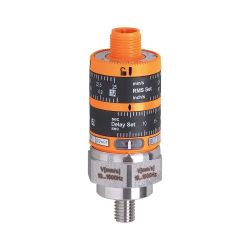 VKV022 \ efector 800 \ Diagnostic \ VIBRATION MONITOR \ DESpecial Price THB 10,200.00 Regular Price THB 13,600.00
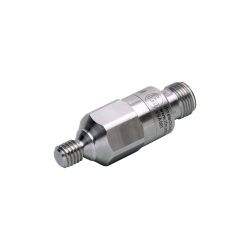 VSA001 \ efector 800 \ Diagnostic \ VIBRATION SENSOR \ DESpecial Price THB 10,125.00 Regular Price THB 13,500.00
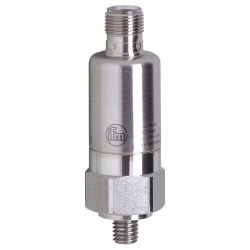 VTV122 \ efector 800 \ Diagnostic \ VIBRATION TRANSMITTER \ DESpecial Price THB 12,000.00 Regular Price THB 16,000.00
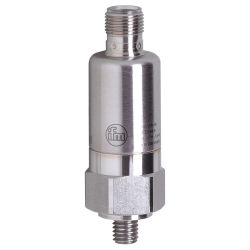 VTV12A \ effector 800 \ Diagnostic systems \ VIBRATION TRANSMITTER \ DESpecial Price THB 17,100.00 Regular Price THB 22,800.00
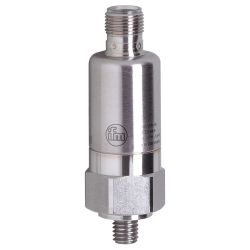 VTV121 \ efector 800 \ Diagnostic systems \ VIBRATION TRANSMITTER \ DESpecial Price THB 12,000.00 Regular Price THB 16,000.00
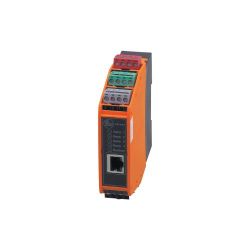 VSE002 \ efector 800 \ DIAGNOSTIC ELECTRONICS \ DESpecial Price THB 31,650.00 Regular Price THB 42,200.00
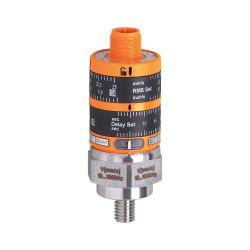 VKV021 \ efector 800 \ Diagnostic \ VIBRATION MONITOR \ DESpecial Price THB 10,200.00 Regular Price THB 13,600.00
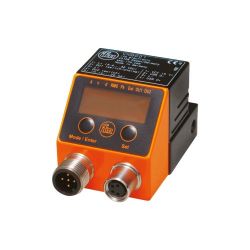 VNB001 \ efector 800 \ Diagnostic \ VIBRATION SENSOR \ DESpecial Price THB 22,725.00 Regular Price THB 30,300.00
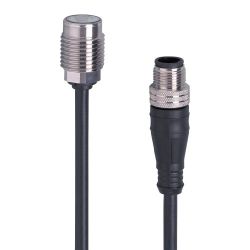 VSA002 \ efector 800 \ Diagnostic \ VIBRATION SENSOR \ DESpecial Price THB 12,825.00 Regular Price THB 17,100.00
Delivery: 30 ต.ค. 2569
คำถามที่พบบ่อยเกี่ยวกับ Vibration Monitoring
1. Vibration Monitoring คืออะไร?
Vibration Monitoring คือการติดตามค่าการสั่นสะเทือนของเครื่องจักร เพื่อดูแนวโน้มการทำงานและตรวจพบความเปลี่ยนแปลงที่อาจบ่งบอกถึงความผิดปกติ
2. เครื่องจักรประเภทใดควรตรวจวัดการสั่นสะเทือน?
เครื่องจักรที่มีชิ้นส่วนหมุน เช่น มอเตอร์ ปั๊ม พัดลม และคอมเพรสเซอร์ เป็นกลุ่มที่มักใช้การตรวจวัดการสั่นสะเทือนเพื่อช่วยวางแผนบำรุงรักษา
3. ค่าการสั่นสะเทือนที่สูงขึ้นหมายความว่าเครื่องเสียแล้วหรือไม่?
ไม่เสมอไป ค่าที่สูงขึ้นเป็นสัญญาณให้ตรวจสอบเพิ่มเติม โดยควรเทียบกับค่าปกติของเครื่อง รอบการทำงาน และสภาพการติดตั้งก่อนสรุปสาเหตุ
4. ความเร็วการสั่นสะเทือนกับความเร่งต่างกันอย่างไร?
ความเร็วการสั่นสะเทือนมักใช้ติดตามภาพรวมการสั่นของเครื่องจักร ส่วนความเร่งช่วยวิเคราะห์การสั่นในช่วงความถี่ที่สูงขึ้น ค่าที่เหมาะจะใช้ขึ้นอยู่กับจุดประสงค์และรุ่นเซนเซอร์
5. เซนเซอร์วัดการสั่นสะเทือนควรติดตั้งตรงไหน?
ควรติดตั้งบนตำแหน่งที่ถ่ายทอดแรงสั่นจากชิ้นส่วนที่ต้องการตรวจสอบได้ดี เช่น บริเวณตัวเรือนแบริ่ง โดยยึดให้แน่นและติดตั้งตามคำแนะนำของรุ่นนั้น
6. Vibration Monitoring ช่วยลดเวลาหยุดเครื่องจักรได้อย่างไร?
การติดตามแนวโน้มช่วยให้ทีมบำรุงรักษาเห็นความผิดปกติก่อนเครื่องหยุดทำงานในบางกรณี และจัดเวลาตรวจสอบหรือซ่อมตามข้อมูลที่พบได้
7. VNB001, VKV และ VSA Series เหมือนกันหรือไม่?
ไม่เหมือนกัน แต่เป็นกลุ่มอุปกรณ์ที่เกี่ยวกับการตรวจวัดการสั่นสะเทือน ควรเปรียบเทียบค่าที่วัดได้ วิธีแสดงผล สัญญาณขาออก และอุปกรณ์ที่ต้องใช้ร่วมกันเป็นรายรุ่น
8. เซนเซอร์วัดการสั่นสะเทือนส่งข้อมูลเข้าระบบควบคุมได้ไหม?
ได้ในรุ่นที่มีสัญญาณขาออกที่ระบบควบคุมรองรับ เช่น สัญญาณสวิตช์หรือแอนะล็อก ต้องตรวจสเปกและวิธีต่อสายของรุ่นที่เลือก
9. ก่อนเลือกเซนเซอร์วัดการสั่นสะเทือนต้องดูอะไรบ้าง?
ดูชนิดค่าที่ต้องวัด ช่วงการวัด ความถี่ที่สนใจ วิธีติดตั้ง สัญญาณขาออก และสภาพแวดล้อมของเครื่องจักร
10. ดูสินค้า Vibration Monitoring ของ SCMA ได้ที่ไหน?
ดูรุ่นและสเปกในหน้า Vibration Monitoring ของ SCMA และใช้แคตตาล็อกหน้า A3-01 เพื่อดูภาพรวมของ VNB001, VKV 02 Series และ VSA Series
This website uses cookies
We use cookies to make the site work properly, to understand how it is used, and to show content that is relevant to you. You choose which types to allow; strictly necessary cookies are always on. Privacy Policy
🤖 AI Assistant
Ask about products, specs and replacement models
Hello 👋 Ask us anything — find products, compare specs, or troubleshoot.
🗑 Clear history