
SPECIAL PROMOTION — Up to 40% off across many product groups, until 31 December 2026 · Click to see all promotion itemsIFM, Sensor, Automation SystemMeasuring / Testing InstrumentsTemp Indicator, Control, T/C, RTD, TimerHeater, SCR Control, Solid State, Power Supply, Control CabinetField Measuring Instruments, Pressure Gauge, Level Control, Flow MeasurementEMC, Pneumatic, Solenoid ValveInspection Test Lamp, Head Light, Automotive Measuring InstrumentWeighing Scales, Marking Machine, PrintersEducational Training SystemsHot Line Tools & Equipment SPECIAL PROMOTION — Up to 40% off across many product groups, until 31 December 2026 · Click to see all promotion itemsIFM, Sensor, Automation SystemMeasuring / Testing InstrumentsTemp Indicator, Control, T/C, RTD, TimerHeater, SCR Control, Solid State, Power Supply, Control CabinetField Measuring Instruments, Pressure Gauge, Level Control, Flow MeasurementEMC, Pneumatic, Solenoid ValveInspection Test Lamp, Head Light, Automotive Measuring InstrumentWeighing Scales, Marking Machine, PrintersEducational Training SystemsHot Line Tools & Equipment View promotion items View all
Optical forks & angle sensors
Optical forks & angle sensors are what?
Laser & Distance sensors are optical switch probes with both transmitter and receiver in one unit. They can be used for various applications such as detecting the edges or angles of workpieces, or detecting position marks or color bands. These are commonly used in packaging line or material handling operations. Due to their shape resembling a letter U and crab claws, they are often referred to as U-shaped sensors and optical fork sensors.
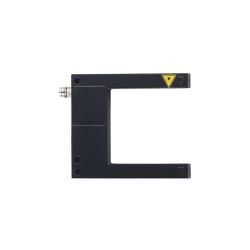 OPU701 \ effector 200 \ Photoelectric sensors \ OPULFPKG/IO-Link/AS \ DESpecial Price THB 18,225.00 Regular Price THB 24,300.00
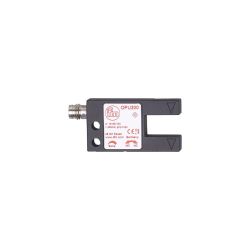 OPU200 \ effector 200 \ Photoelectric sensors \ OPU-FCKG/IO-LINK/AS \ DESpecial Price THB 8,775.00 Regular Price THB 11,700.00
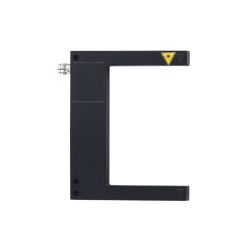 OPU702 \ effector 200 \ Photoelectric sensors \ OPULFPKG/IO-Link/AS \ DESpecial Price THB 19,425.00 Regular Price THB 25,900.00
Delivery: 30 ต.ค. 2569
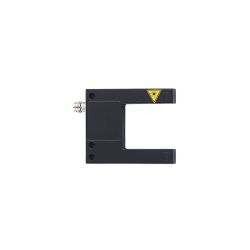 OPU700 \ effector 200 \ Photoelectric sensors \ OPULFPKG/IO-Link/AS \ DESpecial Price THB 17,475.00 Regular Price THB 23,300.00
Delivery: 30 ต.ค. 2569
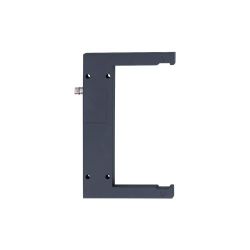 OPU211 \ efector 200 \ Photo sensor \ OPU-FNKG/AS \ DESpecial Price THB 13,125.00 Regular Price THB 17,500.00
Delivery: 30 ต.ค. 2569
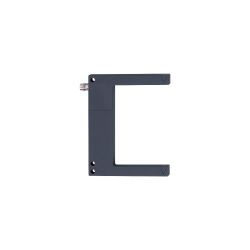 OPU210 \ efector 200 \ Photo sensor \ OPU-FNKG/AS \ DESpecial Price THB 12,900.00 Regular Price THB 17,200.00
Delivery: 30 ต.ค. 2569
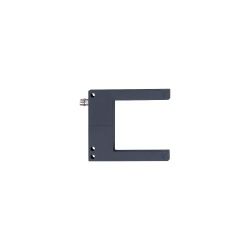 OPU209 \ efector 200 \ Photo sensor \ OPU-FNKG/AS \ DESpecial Price THB 11,925.00 Regular Price THB 15,900.00
Delivery: 30 ต.ค. 2569
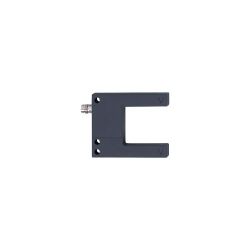 OPU208 \ efector 200 \ Photo sensor \ OPU-FNKG/AS \ DESpecial Price THB 11,025.00 Regular Price THB 14,700.00
Delivery: 30 ต.ค. 2569
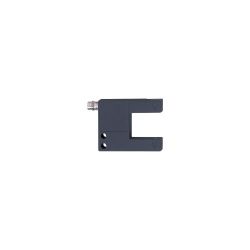 OPU207 \ efector 200 \ Photo sensor \ OPU-FNKG/AS \ DESpecial Price THB 9,525.00 Regular Price THB 12,700.00
Delivery: 30 ต.ค. 2569
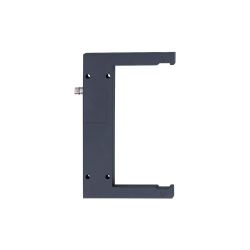 OPU205 \ efector 200 \ Photo sensor \ OPU-FPKG/AS \ DESpecial Price THB 13,050.00 Regular Price THB 17,400.00
Delivery: 30 ต.ค. 2569
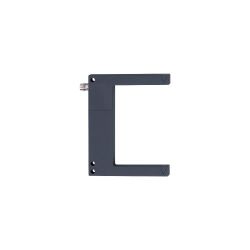 OPU204 \ efector 200 \ Photo sensor \ OPU-FPKG/AS \ DESpecial Price THB 12,825.00 Regular Price THB 17,100.00
Delivery: 30 ต.ค. 2569
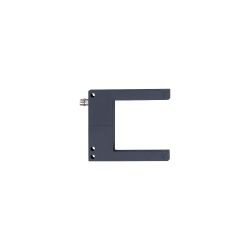 OPU203 \ efector 200 \ Photo sensor \ OPU-FPKG/AS \ DESpecial Price THB 11,850.00 Regular Price THB 15,800.00
Delivery: 30 ต.ค. 2569
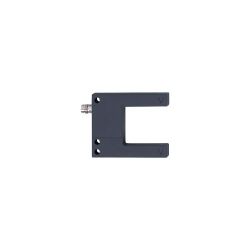 OPU202 \ efector 200 \ Photo sensor \ OPU-FPKG/AS \ DESpecial Price THB 11,025.00 Regular Price THB 14,700.00
Delivery: 30 ต.ค. 2569
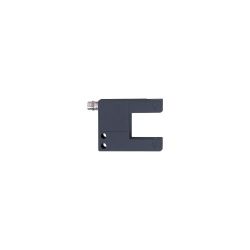 OPU201 \ efector 200 \ Photo sensor \ OPU-FPKG/AS \ DESpecial Price THB 9,450.00 Regular Price THB 12,600.00
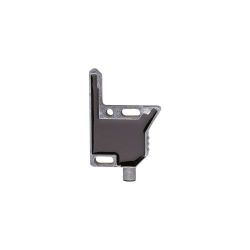 OPL205 \ efector 200 \ Photo sensor \ OPL-DPKG/US \ DESpecial Price THB 12,525.00 Regular Price THB 16,700.00
Delivery: 30 ต.ค. 2569
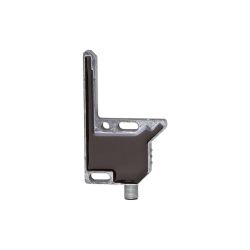 OPL204 \ effector 200 \ Photoelectric sensors \ OPL-DPKG/US \ DESpecial Price THB 13,725.00 Regular Price THB 18,300.00
Delivery: 30 ต.ค. 2569
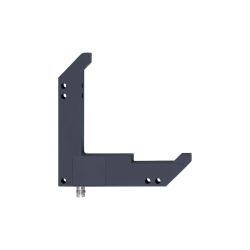 OPL203 \ effector 200 \ Photoelectric sensors \ OPL-FNKG/IO-LINK/AS \ DESpecial Price THB 13,500.00 Regular Price THB 18,000.00
Delivery: 30 ต.ค. 2569
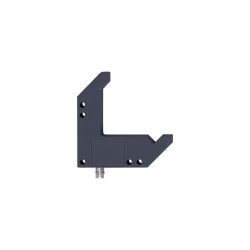 OPL202 \ effector 200 \ Photoelectric sensors \ OPL-FNKG/IO-LINK/AS \ DESpecial Price THB 12,375.00 Regular Price THB 16,500.00
Delivery: 30 ต.ค. 2569
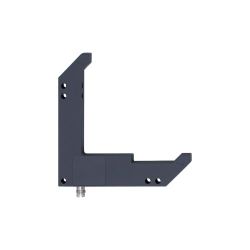 OPL201 \ efector 200 \ Photo sensor \ OPL-FPKG/AS \ DESpecial Price THB 13,425.00 Regular Price THB 17,900.00
Delivery: 30 ต.ค. 2569
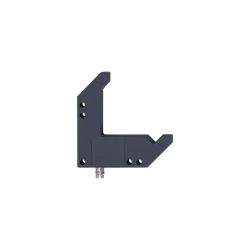 OPL200 \ effector 200 \ Photoelectric sensors \ OPL-FCKG/IO-LINK/AS \ DESpecial Price THB 12,300.00 Regular Price THB 16,400.00
Delivery: 30 ต.ค. 2569
Optical Fork and Angle Sensors: High Accuracy That Ends Lens Alignment Problems
Optical fork and angle sensors solve the problem of a sensor losing focus and stopping the production line — a constant irritation for maintenance teams. A fork sensor is the answer, combining emitter and receiver in a single housing, so technicians do not have to spend time realigning the lens when the machine takes a knock. A U-shaped sensor or fork sensor meets the needs of work requiring high accuracy. If you need a part urgently, SCMA offers online specification matching with immediate dispatch, so there is no waiting for a salesperson to visit.
What Is a U-Shaped or Fork Sensor?
A U-shaped or fork sensor is a type of photoelectric sensor with the emitter and receiver built into a single housing. Its external shape resembles the letter U or a pair of pincers, and purchasing staff and technicians commonly call it a fork sensor. This construction is designed to solve a specific problem in industrial plants. Optical fork and angle sensors hugely reduce on-site installation time. This kind of optical sensor relies on a structure that locks the lens position permanently at the factory, so the U-shaped sensor reads accurately without drift even when the machine vibrates.
How a Fork-Type Optical Sensor Works
The circuit inside optical fork and angle sensors continuously fires a beam of light from one arm to the other. When a workpiece runs through the slot in the middle the beam is broken, and the output signal immediately commands the control cabinet. This kind of optical sensor has a very high switching frequency, so a U-shaped sensor easily copes with counting workpieces on a high-speed conveyor. Understanding that a U-shaped or fork sensor is a highly responsive device helps engineers design a fork sensor system that controls machinery with maximum efficiency.
On-Site Problems: Ending the Irritation of Alignment
Maintenance technicians have headaches with through-beam sensors where the emitter and receiver are separate: a member of staff only has to knock the bracket slightly for the lens to go off line, the machine stops and downtime begins immediately. Switching to a fork sensor closes off this weakness. The construction of optical fork and angle sensors locks the lens position permanently, so the technicians do not have to sit adjusting bolts to realign the beam. Using a fork sensor genuinely saves maintenance time. It is well known that the U-shaped or fork sensor is a device designed for the greatest possible stability of the U-shaped sensor.
What Kind of Industrial Machinery Suits a Fork Sensor?
Applying a fork sensor depends mainly on the limitations of the slot. These are the applications where a U-shaped sensor performs best.
Labelling Machines
Applying stickers requires accuracy down to a fraction of a millimetre. The fork sensor reads the gap between each label, and the responsiveness of the optical sensor lets the motor stop feeding labels at exactly the right position, preventing the sticker from shifting.
Small Electronic Component Production Lines
Tiny parts such as SMD components drop through the slot of the fork sensor to be counted. The very fine laser beam allows the circuit to process quickly, answering anyone who wonders whether a U-shaped or fork sensor really is a high-speed counting device.
Gear Tooth Inspection Systems
Checking whether a gear has completed a full rotation requires a device that responds quickly. A U-shaped sensor can read the gaps between gear teeth passing by flawlessly. Using an optical sensor is a good way to prevent errors in automotive assembly mechanisms.
How to Check a Fork Sensor Specification So It Fits Straight in Place of the Old One
An initial specification assessment starts by measuring the slot width of the fork sensor (fork width) and the slot depth (fork depth): the workpiece must pass through without striking the edge. You must check the type of light source — a laser suits tiny workpieces, while infrared light suits sites with dust and smoke. Check whether the optical fork and angle sensors output is NPN or PNP so it matches the existing I/O board. Matching the specification to identify which U-shaped or fork sensor model is needed lets purchasing order the correct fork sensor or U-shaped sensor to fit on site.
Engineering Limitations of the Sensor to Watch For
There are always two sides to a coin. Using a U-shaped sensor has physical limitations that engineers must assess before installation. Knowing the limitations of an optical sensor extends the life of the machine.
- A workpiece that is too large cannot pass through the slot of the fork sensor, so it cannot be used with products of every size
- The installation area at the machine must allow enough clearance for the fork sensor to straddle the workpiece properly, without fouling other mechanical parts
- Dust and debris falling and collecting in the fork slot blinds the lens and latches the output. Technicians must blow it clean regularly on the PM cycle
A Housing Structure That Withstands Vibration
World-class quality brands pay attention to designing the U-shaped sensor housing to withstand the environment. Choosing the right fork sensor material reduces breakages.
- A die-cast zinc housing withstands vibration from press machinery better than ordinary plastic
- Choosing a fork sensor housing material suited to the environment extends the working life of the machine considerably
- A metal structure protects the lens face of the optical sensor from impact by workpieces that may swing
- The U-shaped or fork sensor must withstand temperature and oil films in the plant, so metal offers the best stability
Summary
Investing in optical fork and angle sensors permanently ends the irritating problem of a sensor lens losing focus. Understanding that the U-shaped or fork sensor is a fork-shaped device combining emitter and receiver in one helps technicians choose and apply a U-shaped sensor accurately. If you have questions about the specification of a fork sensor, the SCMA team is always ready to be your online engineering adviser.
Want to Buy? Order from SCMA Today!
A production line cannot wait. SCMA holds stock of optical fork and angle sensors ready for express dispatch. Photograph the nameplate of the failed fork sensor and send it through chat: our engineering team is ready to match the fork sensor specification online free of charge, and once you order we pack and ship immediately. We act as an easily accessible technical partner. To find out which U-shaped or fork sensor specification you need, SCMA will handle it as quickly as possible.
Frequently Asked Questions
Why are they also called angle sensors?
Some housings are designed with the fork sensor slot at 90 degrees (angle shape), resembling the letter L, making it easier to fit into a tight corner of a machine than a straight version. This optical sensor design saves a great deal of space in confined areas.
Can it detect a clear plastic label on a clear backing (clear-on-clear)?
With an ordinary light source the beam passes straight through. This kind of application requires a special fork sensor that emits ultrasonic waves (ultrasonic fork sensors) and detects the change in film thickness instead. Knowing what a U-shaped or fork sensor is helps you choose the right specialised model.
Is there a difference between a fork sensor and a fork-type photoelectric sensor?
They are the same device — only the name differs according to what the site technician is used to. Some say fork sensor, others say U-shaped sensor. Both usually mean an optical sensor with the receiver and emitter built into a fork shape.
This website uses cookies
We use cookies to make the site work properly, to understand how it is used, and to show content that is relevant to you. You choose which types to allow; strictly necessary cookies are always on. Privacy Policy
🤖 AI Assistant
Ask about products, specs and replacement models
Hello 👋 Ask us anything — find products, compare specs, or troubleshoot.
🗑 Clear history