
SPECIAL PROMOTION — Up to 40% off across many product groups, until 31 December 2026 · Click to see all promotion itemsIFM, Sensor, Automation SystemMeasuring / Testing InstrumentsTemp Indicator, Control, T/C, RTD, TimerHeater, SCR Control, Solid State, Power Supply, Control CabinetField Measuring Instruments, Pressure Gauge, Level Control, Flow MeasurementEMC, Pneumatic, Solenoid ValveInspection Test Lamp, Head Light, Automotive Measuring InstrumentWeighing Scales, Marking Machine, PrintersEducational Training SystemsHot Line Tools & Equipment SPECIAL PROMOTION — Up to 40% off across many product groups, until 31 December 2026 · Click to see all promotion itemsIFM, Sensor, Automation SystemMeasuring / Testing InstrumentsTemp Indicator, Control, T/C, RTD, TimerHeater, SCR Control, Solid State, Power Supply, Control CabinetField Measuring Instruments, Pressure Gauge, Level Control, Flow MeasurementEMC, Pneumatic, Solenoid ValveInspection Test Lamp, Head Light, Automotive Measuring InstrumentWeighing Scales, Marking Machine, PrintersEducational Training SystemsHot Line Tools & Equipment View promotion items View all
Power Meters
What are Power Meters?
A Power Meter is an electrical energy measurement device used to measure and record electricity consumption in the power system. It measures parameters such as power (Watt), cumulative energy (kWh), voltage, current, and other related parameters of the power system. It works by detecting and measuring electrical parameters in circuits using the principle of voltage and current difference measurements, then calculating the consumed electrical energy. Generally, Power Meters have sensors that can detect various electrical values and use electronic circuits to process and display data.
Types of Power Meters
- Analog Power Meters - Use a needle gauge for readings; durable and easy to use.
- Digital Power Meters - Have digital displays, providing high accuracy and ease of reading.
- Portable Power Meters - Small and portable, suitable for field work and temporary inspections.
- Panel Mount Power Meters - Installed on control panels, ideal for monitoring energy usage in large power systems.
- Networked Power Meters - Can connect to network systems for remote data monitoring and recording.
Applications of Power Meters
- To monitor electricity consumption in homes or commercial buildings, including construction projects that require electrical system installation and energy usage checks.
- To check and analyze the energy use of machinery, electrical equipment, and manage power generation and usage in the energy industry.
- To plan and manage energy usage in machines, factories, and facilities related to manufacturing industries.
- To inspect and analyze the quality of electricity supplied to systems, including electric vehicles and related automotive industry equipment.
Famous Power Meter Brands
- Eaton - A brand known for high-quality products and expertise in energy management.
- Fluke - A leading brand renowned for its quality and reliability.
- Hioki - A brand specialized in producing highly accurate electrical measuring tools.
- Kyoritsu - A Japanese brand famous for durability and accuracy.
- KEPLER INSTRUMENTS - Offers a wide range of high-quality, reliable products.
- Schneider Electric - Provides various products specializing in energy management.
- Yokogawa - A Japanese brand renowned for its measuring instruments and power system inspection tools.
View Power Meters Catalog: Click Here
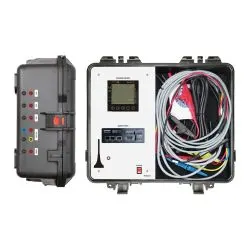 ชุดกระเป๋ามิเตอร์วัดและวิเคราะห์กำลังไฟฟ้า Power Meter Kits KP-965R With IIoT Gateway, Ethernet+4GSpecial Price THB 28,500.00 Regular Price THB 38,000.00
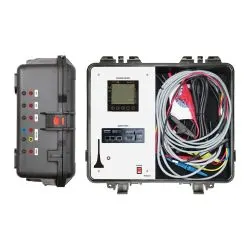 ชุดกระเป๋ามิเตอร์วัดและวิเคราะห์กำลังไฟฟ้า Power Meter Kits KP-965R With IIoT Gateway, Ethernet+WIFISpecial Price THB 23,475.00 Regular Price THB 31,300.00
Delivery: 30 ต.ค. 2569
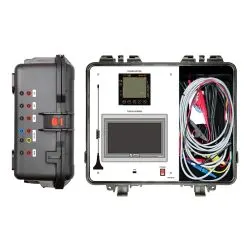 ชุดกระเป๋ามิเตอร์วัดและวิเคราะห์กำลังไฟฟ้า Power Meter Kits KP-965R With IIoT Touch screen, 4GSpecial Price THB 27,375.00 Regular Price THB 36,500.00
Delivery: 30 ต.ค. 2569
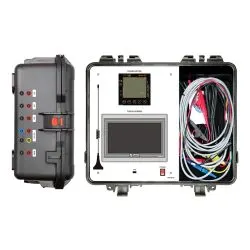 ชุดกระเป๋ามิเตอร์วัดและวิเคราะห์กำลังไฟฟ้า Power Meter Kits KP-965R With IIoT Touch screen, EthernetSpecial Price THB 26,175.00 Regular Price THB 34,900.00
Delivery: 30 ต.ค. 2569
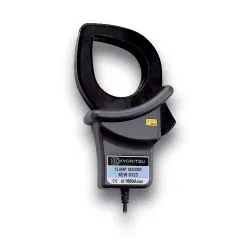 KEW 8123 LOAD CURRENT CLAMP SENSORS KYORITSUSpecial Price THB 5,100.00 Regular Price THB 6,800.00
Delivery: 30 ต.ค. 2569
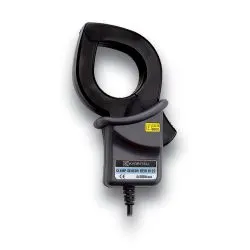 KEW 8122 LOAD CURRENT CLAMP SENSORS KYORITSUSpecial Price THB 4,800.00 Regular Price THB 6,400.00
Delivery: 30 ต.ค. 2569
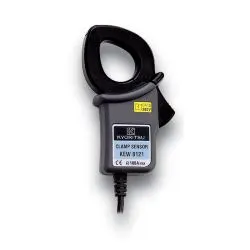 KEW 8121 LOAD CURRENT CLAMP SENSORS KYORITSUSpecial Price THB 3,900.00 Regular Price THB 5,200.00
Delivery: 30 ต.ค. 2569
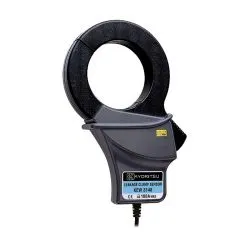 KEW 8148 LEAKAGE & LOAD CURRENT CLAMP SENSORS KYORITSUSpecial Price THB 10,650.00 Regular Price THB 14,200.00
Delivery: 30 ต.ค. 2569
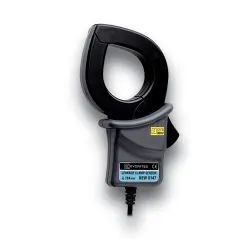 KEW 8147 LEAKAGE & LOAD CURRENT CLAMP SENSORS KYORITSUSpecial Price THB 7,500.00 Regular Price THB 10,000.00
Delivery: 30 ต.ค. 2569
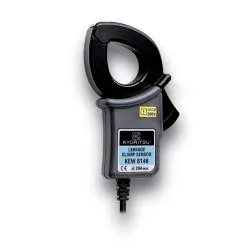 KEW 8146 LEAKAGE & LOAD CURRENT CLAMP SENSORS KYORITSUSpecial Price THB 6,562.50 Regular Price THB 8,750.00
Delivery: 30 ต.ค. 2569
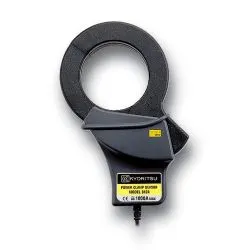 8124 LOAD CURRENT CLAMP SENSORS KYORITSUSpecial Price THB 9,600.00 Regular Price THB 12,800.00
Delivery: 30 ต.ค. 2569
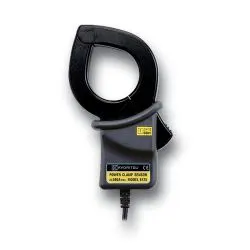 8125 LOAD CURRENT CLAMP SENSORS KYORITSUSpecial Price THB 6,187.50 Regular Price THB 8,250.00
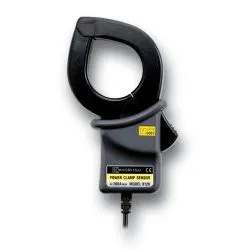 8126 LOAD CURRENT CLAMP SENSORS KYORITSUSpecial Price THB 6,750.00 Regular Price THB 9,000.00
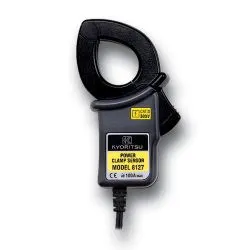 8127 LOAD CURRENT CLAMP SENSORS KYORITSUSpecial Price THB 5,625.00 Regular Price THB 7,500.00
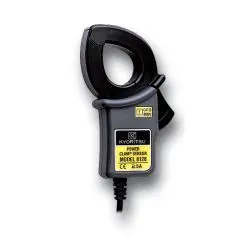 8128 LOAD CURRENT CLAMP SENSORS KYORITSUSpecial Price THB 6,150.00 Regular Price THB 8,200.00
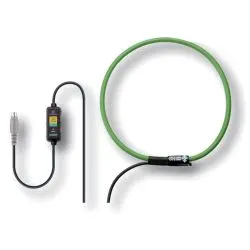 KEW 8133 LOAD CURRENT CLAMP SENSORS KYORITSUSpecial Price THB 16,200.00 Regular Price THB 21,600.00
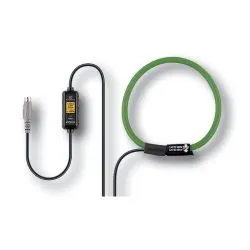 KEW 8130 LOAD CURRENT CLAMP SENSORS KYORITSUSpecial Price THB 13,500.00 Regular Price THB 18,000.00
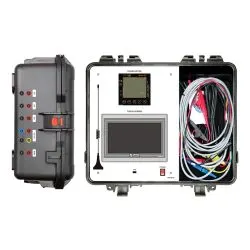 POWER METER KITS KP-965R POWER METER KEPLERSpecial Price THB 22,425.00 Regular Price THB 29,900.00
Delivery: 30 ต.ค. 2569
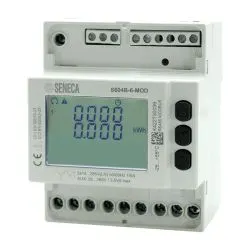 S604E-6-MOD MULTIFUNCTION POWER ANALYZER SENECASpecial Price THB 14,100.00 Regular Price THB 18,800.00
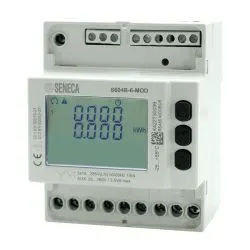 S604B-6-MOD MULTIFUNCTION POWER ANALYZER SENECASpecial Price THB 12,000.00 Regular Price THB 16,000.00
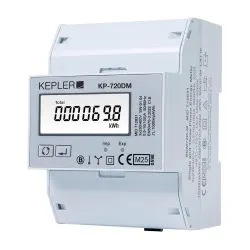 KP-720DM MULTIFUNCTION POWER ANALYZER KEPLERSpecial Price THB 2,325.00 Regular Price THB 3,100.00
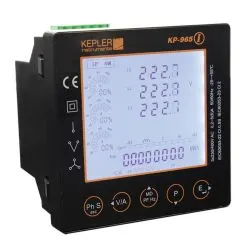 KP-965-J MULTIFUNCTION POWER ANALYZER KEPLERSpecial Price THB 7,350.00 Regular Price THB 9,800.00
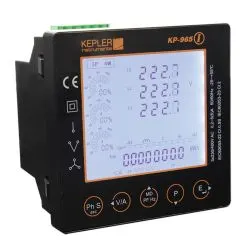 KP-965-G MULTIFUNCTION POWER ANALYZER KEPLERSpecial Price THB 4,500.00 Regular Price THB 6,000.00
Delivery: 30 ต.ค. 2569
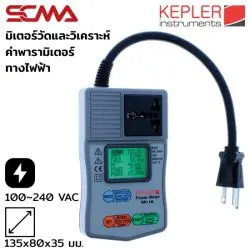 KP-15 KEPLER Electric Parameter Measurement and Analysis MeterSpecial Price THB 4,240.00 Regular Price THB 5,300.00
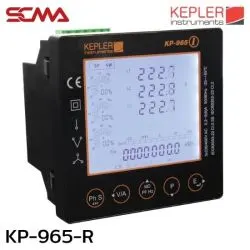 KP-965-R Electric Parameter Measurement and Analysis Meter EthernetSpecial Price THB 4,400.00 Regular Price THB 5,500.00
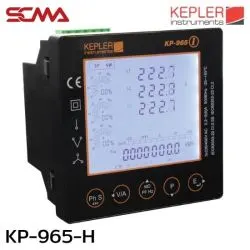 KP-965-H Electric Parameter Meter and Analyzer EthernetSpecial Price THB 5,600.00 Regular Price THB 7,000.00
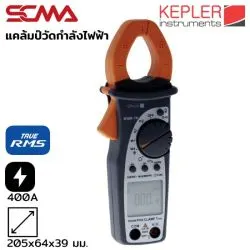 KWM-70 KEPLER 400A ACSpecial Price THB 8,640.00 Regular Price THB 10,800.00
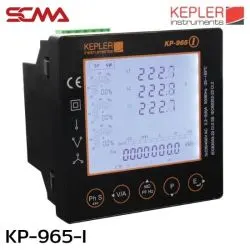 KP-965-I Ethernet Parameter Measurement and Analysis仪表英文名应该是:Special Price THB 6,800.00 Regular Price THB 8,500.00
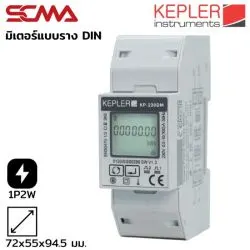 KP-230DM KEPLER 1P2W KWH Meter, Max.100A direct inputSpecial Price THB 1,520.00 Regular Price THB 1,900.00
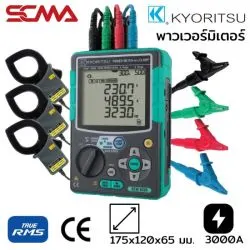 KEW 6305 KYORITSU Power Quality AnalyzerSpecial Price THB 52,720.00 Regular Price THB 65,900.00
Delivery: 30 ต.ค. 2569
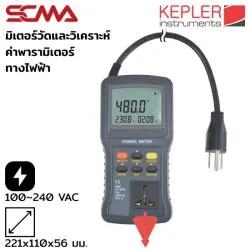 KP-15C KEPLER Electric Parameter Measurement and Analysis MeterSpecial Price THB 8,960.00 Regular Price THB 11,200.00
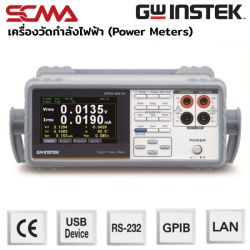 GPM-8213 GW Instek Digital Power Meter with RS-232C / USB device / LANSpecial Price THB 40,080.00 Regular Price THB 50,100.00
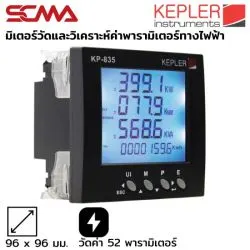 KP-835 KEPLER Electric Parameter Measurement and Analysis MeterSpecial Price THB 4,000.00 Regular Price THB 5,000.00
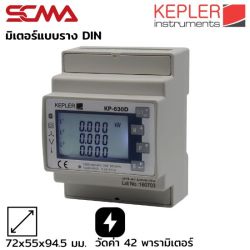 DIN KP-630D KEPLER Electric Parameter Meter and Analyzer Rail TypeSpecial Price THB 3,600.00 Regular Price THB 4,500.00
Delivery: 30 ต.ค. 2569
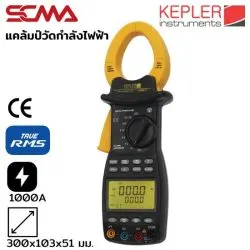 KWM-71 KEPLER 1000A ACSpecial Price THB 9,360.00 Regular Price THB 11,700.00
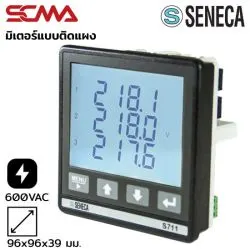 S711E6MOD SENECA Multifunction Power AnalyzerSpecial Price THB 16,640.00 Regular Price THB 20,800.00
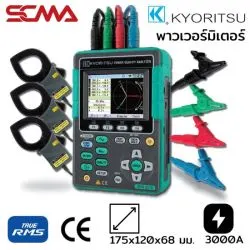 KEW 6315 KYORITSU Power Quality AnalyzerSpecial Price THB 116,800.00 Regular Price THB 146,000.00
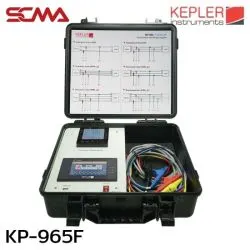 KP-965F KEPLER POWER METER KITSSpecial Price THB 27,600.00 Regular Price THB 34,500.00
Delivery: 30 ต.ค. 2569
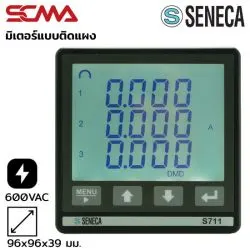 S711B6MOD SENECA Multifunction Power AnalyzerSpecial Price THB 14,160.00 Regular Price THB 17,700.00
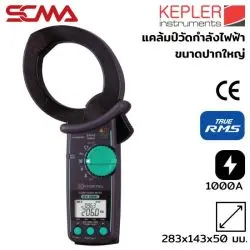 KEW 2060BT KYORITSU Clamp MeterSpecial Price THB 39,600.00 Regular Price THB 49,500.00
Delivery: 30 ต.ค. 2569
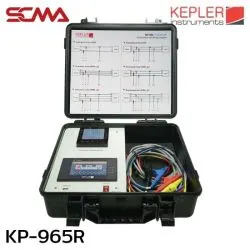 KP-965R KEPLER POWER METER KITSSpecial Price THB 27,600.00 Regular Price THB 34,500.00
Delivery: 30 ต.ค. 2569
What is a Power Meter? How to Choose the Right One for Industrial Plants
This article delves into what a power meter or electrical energy measuring device is, its importance in industrial electricity systems, and introduces various types such as digital power meters that offer high precision, along with energy meters for measuring units of electricity, and other types of meters that engineers should be familiar with to ensure proper and cost-effective usage. If you need expert consultation on energy management systems, contact expertshere
What is a Power Meter? Why Should It Be Installed in Factories and Buildings?
A power meter, also known as an electrical measuring device among technicians, is an electronic instrument designed to measure and analyze various electrical parameters in the electricity supply system. These include voltage (Voltage), current (Current), power (Power), and accumulated energy (Energy). Power meters serve as eyes monitoring the health of the electrical system, allowing system managers to spot anomalies and plan energy usage efficiently. Unlike old analog wattmeters that could only measure one value at a time
Definition and Primary Functions
The primary function of an electrical power meter is to detect signals from the supply source and load, then process them into understandable electrical data. This information is crucial for Energy Management Systems (EMS) or power quality checks. Installing meters at key points such as MDB panels or main machinery will help determine the true cost of energy per production line
Differences Between Mechanical Meters and Digital Meters
In the past, we were familiar with mechanical meters (Analog Meter) mounted on utility poles that only measured accumulated energy (kWh). However, in Industry 4.0, digital power meters have become increasingly important due to their higher accuracy, finer readings, and ability to communicate data over networks for real-time monitoring on computers. Digital meters significantly reduce the burden of manual meter reading and human error. Learn more about digital metershere
Benefits for Energy Management (Energy Management)
Having accurate data from power meters helps organizations break down energy usage to identify where the most energy is being used, pinpointing inefficiencies and leading to measurable energy-saving measures such as improving Power Factor or reducing Peak Demand, which can result in tangible electricity cost savings
Types of Power Meters You Should Know About
There are various types of electrical measuring devices available on the market depending on your needs and budget. Choosing the right type will ensure you get comprehensive data at an appropriate cost
Basic Power Meter (Measures V, A, kW)
This is a basic model that focuses on measuring fundamental values such as voltage (Volt), current (Amp), and power (kW). Suitable for subpanels or general machinery requiring only monitoring. Often inexpensive and easy to use, it combines both an ammeter and voltmeter in one unit
Advanced Power Meter (Measures Power Quality, Harmonics)
For factories with many electronic devices or motor inverters, advanced electrical measuring devices that can analyze power quality are necessary. These measure harmonics (Harmonics), voltage sags/swells (Sag/Swell), and phase imbalance (Unbalance). This data helps prevent damage to expensive equipment. Learn more about power quality analyzershere
Kilowatt-Hour Meter (Energy Meter)
If your primary goal is to calculate electricity costs or collect monthly energy usage data, kWh meters are the most precise option. They focus on accurately measuring accumulated electrical units. Some models may be digital water meters integrated into a comprehensive utility system for all-inclusive management or separate electric meters for rental spaces
What Does a Power Meter Measure? (Parameters)
The capabilities of modern digital electrical measuring devices cover almost every parameter an electrical engineer needs to know, making system analysis easier.
Voltage (V), Current (A), Power (W)
These are basic values that all voltage and current meters must measure. Knowing the voltage helps determine if it is too high or low, while current indicates machine load, and power (kW) shows energy usage at any given moment.
Accumulated Energy (Energy - kWh)
This is the total of electricity used over time in kilowatt-hours (kWh), or "units" we pay for. Choosing a watt meter with this accurate function will help calculate production costs per unit correctly.
Power Factor and Harmonics
The power factor indicates energy efficiency; if it's low, you may face penalties from the utility company. Harmonics are disruptive signals that can cause electronic equipment or PSU meters to malfunction. Measuring these helps address system issues directly.
How to Choose a Power Meter That Is Cost-Effective and Fits Your Needs
Choosing an electrical meter isn't just about price but also matching specifications with actual job requirements to avoid unnecessary expenses.
Precision (Accuracy Class)
For billing purposes, choose meters with Class 0.2 or 0.5s for maximum accuracy; general monitoring can use Class 1.0. Choosing a higher class than necessary may lead to budget overruns.
Communication Functions (Modbus RS485, Ethernet)
In the IoT era, data connectivity is crucial. Choose electrical meters that support standard protocols like Modbus RTU via RS485 for easy integration into computer systems or PLCs; high-speed options may use Ethernet (TCP/IP).
Size and Installation Style (DIN Rail vs Panel Mount)
Consider the space available. For control panels with pre-drilled slots, choose panel mount models in standard sizes like 96x96 mm; for consumer units or limited spaces, DIN rail models are more convenient.
Installation and Basic Usage
Installing electrical measuring devices should be done by skilled technicians to ensure safety and prevent equipment damage.
Connecting with CT (Current Transformer)
Most power meters can only handle direct current up to 5A, so they must work with Current Transformers (CT) to reduce the current. Properly connecting CTs involves careful attention to polarity and terminals; incorrect connections will skew readings.
Setting Ratio and Communication
After installation, configure CT ratio and PT ratio (if applicable) in the meter to match external equipment for accurate readings. Also set address and baud rate if there is a communication system.
Reading Values and Using Data
Learn to read various values on the electrical meter's display and understand each parameter's meaning for analyzing energy usage trends. Learn more about electricity meters herehere
Think of SCMA When You Need a Power Meter!
If your factory or building needs to enhance energy management with high-quality power meters, SCMA is ready as your trusted technical partner. We offer products covering all needs from basic digital power meters to advanced quality analysis models and internationally certified energy meters. Our expert engineering team provides guidance on selecting specifications, designing systems, and solving field issues for the most cost-effective solutions. View our full product range herehere
Summary
A power meter is a crucial tool for turning electrical data into energy-saving opportunities. Choosing the right and high-quality power meter will help organizations manage costs efficiently. SCMA aims to deliver accurate measurement technology and close customer service, contributing to your success. For further consultation, contact our team herehere
Frequently Asked Questions
How Does a Digital Power Meter Differ from an Analog Meter?
Digital power meters display numerical values, are easier to read and more accurate, measure multiple parameters in one unit (V, A, kW, kWh, PF), and can send data to computers. In contrast, analog meters typically only measure a single value and require manual recording.
Do You Need to Install Power Meters on Every Panel?
No, it depends on the level of detail needed in your data. It's recommended to install them at main panels (MDB) and subpanels for large machinery or departments with high energy usage according to Pareto’s principle.
Which Power Meter is Best for Factories with High Harmonics?
Choose a power meter that specifies its ability to measure Total Harmonic Distortion (THD) and separate individual harmonics, enabling precise analysis and resolution of power quality issues.
This website uses cookies
We use cookies to make the site work properly, to understand how it is used, and to show content that is relevant to you. You choose which types to allow; strictly necessary cookies are always on. Privacy Policy
🤖 AI Assistant
Ask about products, specs and replacement models
Hello 👋 Ask us anything — find products, compare specs, or troubleshoot.
🗑 Clear history