
SPECIAL PROMOTION — Up to 40% off across many product groups, until 31 December 2026 · Click to see all promotion itemsIFM, Sensor, Automation SystemMeasuring / Testing InstrumentsTemp Indicator, Control, T/C, RTD, TimerHeater, SCR Control, Solid State, Power Supply, Control CabinetField Measuring Instruments, Pressure Gauge, Level Control, Flow MeasurementEMC, Pneumatic, Solenoid ValveInspection Test Lamp, Head Light, Automotive Measuring InstrumentWeighing Scales, Marking Machine, PrintersEducational Training SystemsHot Line Tools & Equipment SPECIAL PROMOTION — Up to 40% off across many product groups, until 31 December 2026 · Click to see all promotion itemsIFM, Sensor, Automation SystemMeasuring / Testing InstrumentsTemp Indicator, Control, T/C, RTD, TimerHeater, SCR Control, Solid State, Power Supply, Control CabinetField Measuring Instruments, Pressure Gauge, Level Control, Flow MeasurementEMC, Pneumatic, Solenoid ValveInspection Test Lamp, Head Light, Automotive Measuring InstrumentWeighing Scales, Marking Machine, PrintersEducational Training SystemsHot Line Tools & Equipment View promotion items View all
1D and 2D code readers (barcode scanners)
What are 1D and 2D Code Readers?
A 1D or 2D code reader is an equipment used for reading and decoding barcodes, commonly known as barcode scanners. They read data from the barcode which can be either one-dimensional (1D) or two-dimensional (2D). These devices are widely used across various industries such as transportation, retail, and manufacturing to help manage information efficiently. Here's a breakdown of both types:
- 1D Code: One-dimensional barcodes (1D) consist of black bars and white spaces that store data such as UPC, EAN or Code 39. They are scanned using a laser beam to read the single-line barcode quickly.
- 2D Code: Two-dimensional barcodes (2D) can store information both horizontally and vertically, allowing for more data storage in less space. Examples include QR codes, Data Matrix, and PDF417. These are scanned using camera technology or high-resolution light to decode the two-dimensional barcode.
Differences Between 1D and 2D Code Readers
- A 1D code reader stores data in a single line format (suitable for small amounts of information).
- A 2D code reader can store more data in less space and handle complex information such as URL links or longer text.
Uses of 1D and 2D Code Readers
- A 1D code reader is often used for reading general product codes, like in supermarkets or inventory checks.
- A 2D code reader is utilized when additional information needs to be stored, such as scanning QR codes for payments, data sharing, or manufacturing processes requiring detailed barcodes.
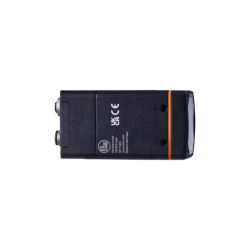 O2I513 \ effector 190 \ Identification systems \ O2IIRDKG/E1/E4/EF/VF/TB/W \ DE \Special Price THB 75,750.00 Regular Price THB 101,000.00
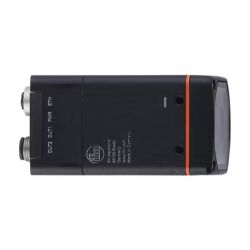 O2I510 \ effector 190 \ Identification systems \ O2IRRDKG/E1/E4/EF/VF/TB/S \ DE \Special Price THB 75,750.00 Regular Price THB 101,000.00
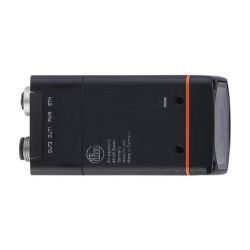 O2I500 \ effector 190 \ Identification systems \ O2IRRDKG/E1/E2/EF/VF/TB/S \ DE \Special Price THB 72,975.00 Regular Price THB 97,300.00
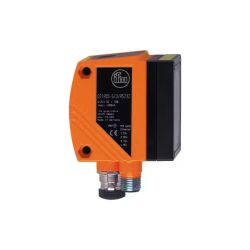 O2I355 \ effector 190 \ Identification systems \ O2IIOS-G/D/RS232/E1/E2 \ DE \Special Price THB 53,400.00 Regular Price THB 71,200.00
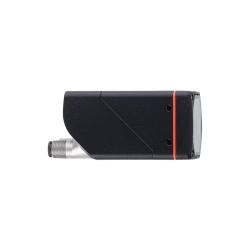 O2D530 \ effector 250 \ Object recognition \ O2DIRDKG/E1/E4/EF/GM/TB/S/16 \ DE \Special Price THB 65,850.00 Regular Price THB 87,800.00
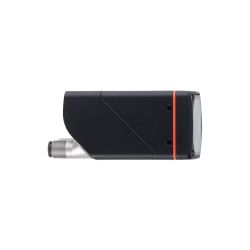 O2D512 \ effector 250 \ Object recognition \ O2DCRDKG/E1/E4/EF/GM/TB/W/30 \ DE \Special Price THB 65,850.00 Regular Price THB 87,800.00
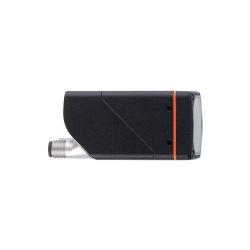 O2D500 \ effector 250 \ Object recognition \ O2DCRDKG/E1/E2/EF/GM/TB/S/16 \ DE \Special Price THB 62,025.00 Regular Price THB 82,700.00
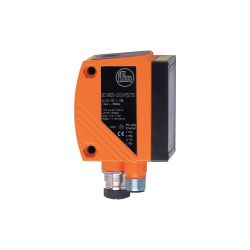 O2I101 \ efector 190 \ DMC \ O2IIOS-G/D/RS232/E1/E2 \ DESpecial Price THB 58,575.00 Regular Price THB 78,100.00
Delivery: 30 ต.ค. 2569
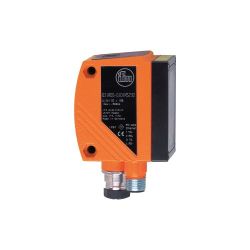 O2I300 \ efector 190 \ DMC \ O2IROS-G/D/RS232/E1/E2 \ DESpecial Price THB 56,100.00 Regular Price THB 74,800.00
Delivery: 30 ต.ค. 2569
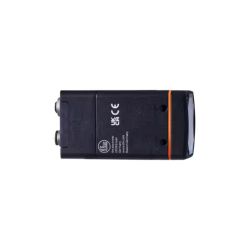 O2I515 \ effector 190 \ Identification systems \ O2IIRDKG/E1/E4/EF/VF/TB/T \ DE \Special Price THB 75,750.00 Regular Price THB 101,000.00
Delivery: 30 ต.ค. 2569
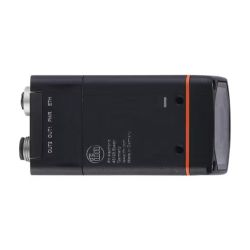 O2I514 \ effector 190 \ Identification systems \ O2IRRDKG/E1/E4/EF/VF/TB/T \ DE \Special Price THB 75,750.00 Regular Price THB 101,000.00
Delivery: 30 ต.ค. 2569
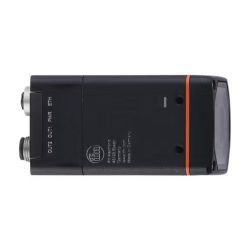 O2I512 \ effector 190 \ Identification systems \ O2IRRDKG/E1/E4/EF/VF/TB/W \ DE \Special Price THB 75,750.00 Regular Price THB 101,000.00
Delivery: 30 ต.ค. 2569
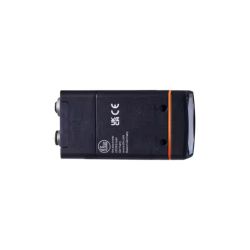 O2I511 \ effector 190 \ Identification systems \ O2IIRDKG/E1/E4/EF/VF/TB/S \ DE \Special Price THB 75,750.00 Regular Price THB 101,000.00
Delivery: 30 ต.ค. 2569
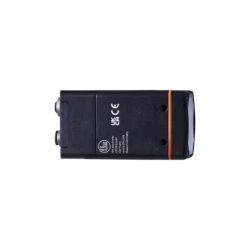 O2I505 \ effector 190 \ Identification systems \ O2IIRDKG/E1/E2/EF/VF/TB/T \ DESpecial Price THB 72,975.00 Regular Price THB 97,300.00
Delivery: 30 ต.ค. 2569
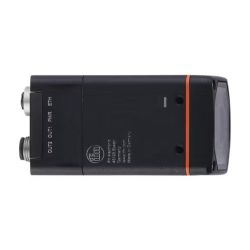 O2I504 \ effector 190 \ Identification systems \ O2IRRDKG/E1/E2/EF/VF/TB/T \ DE \Special Price THB 72,975.00 Regular Price THB 97,300.00
Delivery: 30 ต.ค. 2569
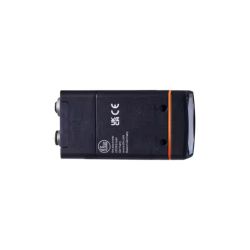 O2I503 \ effector 190 \ Identification systems \ O2IIRDKG/E1/E2/EF/VF/TB/W \ DESpecial Price THB 72,975.00 Regular Price THB 97,300.00
Delivery: 30 ต.ค. 2569
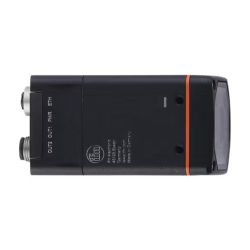 O2I502 \ effector 190 \ Identification systems \ O2IRRDKG/E1/E2/EF/VF/TB/W \ DESpecial Price THB 72,975.00 Regular Price THB 97,300.00
Delivery: 30 ต.ค. 2569
 O2I501 \ effector 190 \ Identification systems \ O2IIRDKG/E1/E2/EF/VF/TB/S \ DESpecial Price THB 72,975.00 Regular Price THB 97,300.00
Delivery: 30 ต.ค. 2569
 O2I424 \ effector 190 \ Identification systems \ O2IIRDKG/E1/IO/EF/TB/T \ DE \Special Price THB 46,200.00 Regular Price THB 61,600.00
Delivery: 30 ต.ค. 2569
 O2I422 \ effector 190 \ Identification systems \ O2IIRDKG/E1/IO/EF/TB/W \ DE \Special Price THB 46,200.00 Regular Price THB 61,600.00
Delivery: 30 ต.ค. 2569
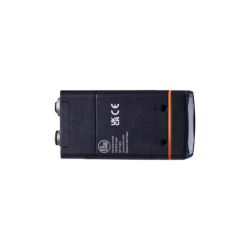 O2I420 \ effector 190 \ Identification systems \ O2IIRDKG/E1/IO/EF/TB/S \ DE \Special Price THB 46,200.00 Regular Price THB 61,600.00
Delivery: 30 ต.ค. 2569
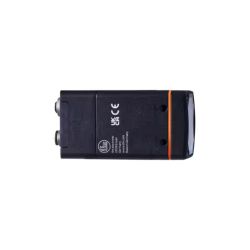 O2I414 \ effector 190 \ Identification systems \ O2IRRDKG/E1/IO/EF/TB/T \ DE \Special Price THB 46,200.00 Regular Price THB 61,600.00
Delivery: 30 ต.ค. 2569
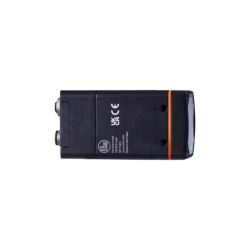 O2I412 \ effector 190 \ Identification systems \ O2IRRDKG/E1/IO/EF/TB/W \ DE \Special Price THB 46,200.00 Regular Price THB 61,600.00
Delivery: 30 ต.ค. 2569
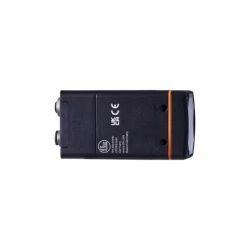 O2I410 \ effector 190 \ Identification systems \ O2IRRDKG/E1/IO/EF/TB/S \ DE \Special Price THB 46,200.00 Regular Price THB 61,600.00
Delivery: 30 ต.ค. 2569
 O2I404 \ effector 190 \ Identification systems \ O2ICRDKG/E1/IO/EF/TB/T \ DE \Special Price THB 46,200.00 Regular Price THB 61,600.00
Delivery: 30 ต.ค. 2569
 O2I402 \ effector 190 \ Identification systems \ O2ICRDKG/E1/IO/EF/TB/W \ DE \Special Price THB 46,200.00 Regular Price THB 61,600.00
Delivery: 30 ต.ค. 2569
 O2I400 \ effector 190 \ Identification systems \ O2ICRDKG/E1/IO/EF/TB/S \ DE \Special Price THB 46,200.00 Regular Price THB 61,600.00
Delivery: 30 ต.ค. 2569
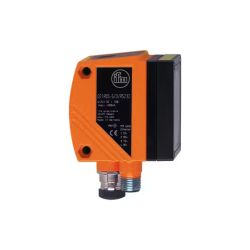 O2I354 \ effector 190 \ Identification systems \ O2IROS-G/D/RS232/E1/E2 \ DE \Special Price THB 53,400.00 Regular Price THB 71,200.00
Delivery: 30 ต.ค. 2569
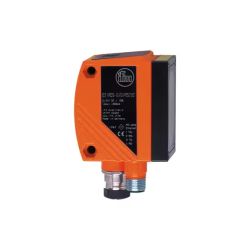 O2I353 \ effector 190 \ Identification systems \ O2IIOS-G/D/RS232/E1/E2 \ DE \Special Price THB 51,900.00 Regular Price THB 69,200.00
Delivery: 30 ต.ค. 2569
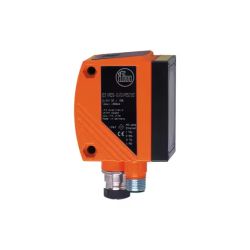 O2I352 \ effector 190 \ Identification systems \ O2IROS-G/D/RS232/E1/E2 \ DESpecial Price THB 51,900.00 Regular Price THB 69,200.00
Delivery: 30 ต.ค. 2569
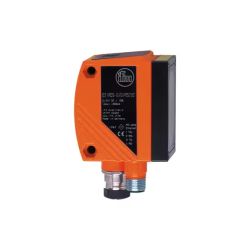 O2I351 \ effector 190 \ Identification systems \ O2IIOS-G/D/RS232/E1/E2 \ DESpecial Price THB 51,900.00 Regular Price THB 69,200.00
Delivery: 30 ต.ค. 2569
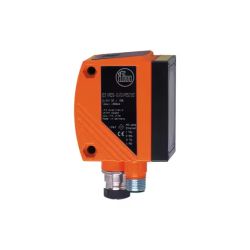 O2I350 \ effector 190 \ Identification systems \ O2IROS-G/D/RS232/E1/E2 \ DESpecial Price THB 51,900.00 Regular Price THB 69,200.00
Delivery: 30 ต.ค. 2569
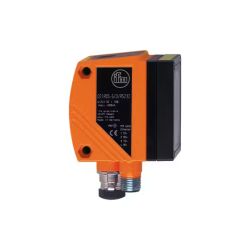 O2I305 \ effector 190 \ Identification systems \ O2IIOS-G/D/RS232/E1/E2 \ DESpecial Price THB 57,750.00 Regular Price THB 77,000.00
Delivery: 30 ต.ค. 2569
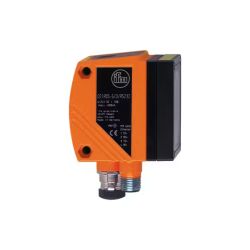 O2I304 \ effector 190 \ Identification systems \ O2IROS-G/D/RS232/E1/E2 \ DESpecial Price THB 57,750.00 Regular Price THB 77,000.00
Delivery: 30 ต.ค. 2569
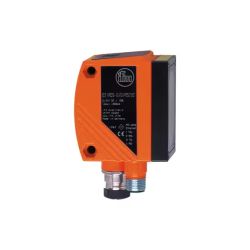 O2I303 \ effector 190 \ Identification systems \ O2IIOS-G/D/RS232/E1/E2 \ DESpecial Price THB 56,100.00 Regular Price THB 74,800.00
Delivery: 30 ต.ค. 2569
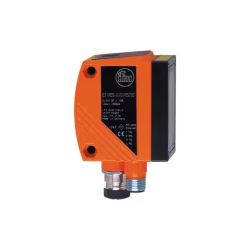 O2I302 \ effector 190 \ Identification systems \ O2IROS-G/D/RS232/E1/E2 \ DESpecial Price THB 56,100.00 Regular Price THB 74,800.00
Delivery: 30 ต.ค. 2569
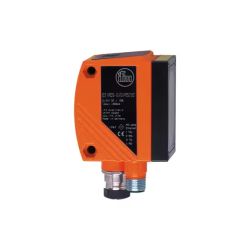 O2I301 \ effector 190 \ Identification systems \ O2IIOS-G/D/RS232/E1/E2 \ DESpecial Price THB 56,100.00 Regular Price THB 74,800.00
Delivery: 30 ต.ค. 2569
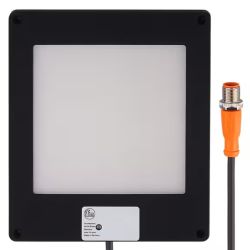 O2D945 \ effector 250 \ Object recognition \ BACKLIGHT 100X00 IR/0,3M/US \ DE \Special Price THB 32,775.00 Regular Price THB 43,700.00
Delivery: 30 ต.ค. 2569
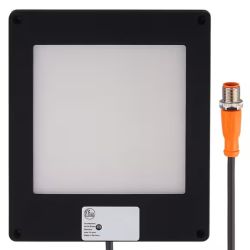 O2D944 \ effector 250 \ Object recognition \ BACKLIGHT 100X100 RT/0,3M/US \ DE \Special Price THB 32,775.00 Regular Price THB 43,700.00
Delivery: 30 ต.ค. 2569
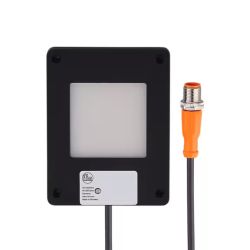 O2D943 \ effector 250 \ Object recognition \ BACKLIGHT 50X50 IR/0.3M/US \ DE \Special Price THB 26,175.00 Regular Price THB 34,900.00
Delivery: 30 ต.ค. 2569
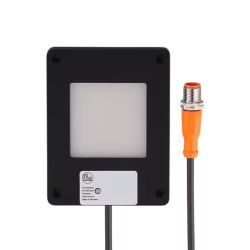 O2D942 \ effector 250 \ Object recognition \ BACKLIGHT 50X50 RT/0.3M/US \ DE \Special Price THB 26,175.00 Regular Price THB 34,900.00
Delivery: 30 ต.ค. 2569
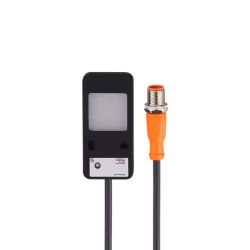 O2D941 \ effector 250 \ Object recognition \ BACKLIGHT 25X25 IR/0.3M/US \ DE \Special Price THB 19,575.00 Regular Price THB 26,100.00
Delivery: 30 ต.ค. 2569
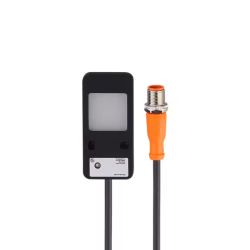 O2D940 \ effector 250 \ Object recognition \ BACKLIGHT 25X25 RT/0.3M/US \ DE \Special Price THB 19,575.00 Regular Price THB 26,100.00
Delivery: 30 ต.ค. 2569
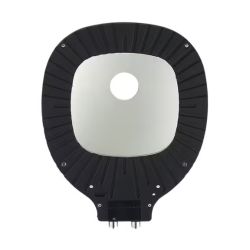 O2D933 \ effector 250 \ Object recognition \ Dome Light 130 CY RD/ US \ FR \Special Price THB 66,375.00 Regular Price THB 88,500.00
Delivery: 30 ต.ค. 2569
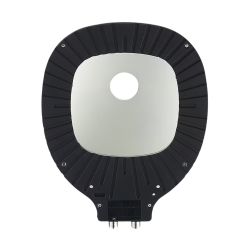 O2D932 \ effector 250 \ Object recognition \ Dome Light 130 WH IR/ US \ FR \Special Price THB 66,375.00 Regular Price THB 88,500.00
Delivery: 30 ต.ค. 2569
 O2D931 \ effector 250 \ Object recognition \ Dome Light 80 CY RD/ US \ FR \Special Price THB 53,025.00 Regular Price THB 70,700.00
Delivery: 30 ต.ค. 2569
 O2D930 \ effector 250 \ Object recognition \ Dome Light 80 WH IR/ US \ FR \Special Price THB 53,025.00 Regular Price THB 70,700.00
Delivery: 30 ต.ค. 2569
 O2D926 \ effector 250 \ Object recognition \ BAR LIGHT 10x150 W/0.3M/US \ DE \Special Price THB 23,400.00 Regular Price THB 31,200.00
Delivery: 30 ต.ค. 2569
คำถามที่พบบ่อยเกี่ยวกับ 1D/2D Code Readers
1. 1D/2D Code Reader คืออะไร?
1D/2D Code Reader คืออุปกรณ์สำหรับอ่านและถอดรหัสบาร์โค้ดแบบเส้นและรหัสสองมิติ เพื่อนำข้อมูลไปใช้ระบุหรือติดตามชิ้นงานในระบบ
2. บาร์โค้ด 1D กับรหัส 2D ต่างกันอย่างไร?
บาร์โค้ด 1D เก็บข้อมูลตามแนวแถบเส้น เช่น Code 128 ส่วนรหัส 2D เก็บข้อมูลทั้งสองแนว เช่น QR Code และ Data Matrix จึงบรรจุข้อมูลได้มากกว่าในพื้นที่ใกล้เคียงกัน
3. เครื่องอ่าน 1D/2D ใช้ในสายการผลิตอย่างไร?
ติดตั้งเครื่องอ่านในจุดที่ชิ้นงานเคลื่อนผ่าน เพื่ออ่านรหัสประจำชิ้นงาน แล้วส่งข้อมูลให้ระบบควบคุมใช้ตรวจสอบ คัดแยก หรือบันทึกขั้นตอนการผลิต
4. เครื่องอ่าน 1D/2D อ่าน QR Code และ Data Matrix ได้ไหม?
ได้ในรุ่นที่รองรับรหัสเหล่านั้น ควรตรวจสอบรายการชนิดรหัสที่อ่านได้ของเครื่องแต่ละรุ่นก่อนเลือกซื้อ
5. Code Reader อ่านรหัสที่พิมพ์บนโลหะได้หรือไม่?
บางรุ่นรองรับการอ่านรหัสที่ทำเครื่องหมายลงบนชิ้นงานโดยตรง แต่ผลการอ่านขึ้นอยู่กับวิธีทำรหัส ผิววัสดุ แสง และการตั้งค่ากล้อง ควรทดสอบกับชิ้นงานจริง
6. ระยะอ่านของ Code Reader กำหนดจากอะไร?
ขึ้นอยู่กับขนาดรหัส เลนส์ ระยะติดตั้ง ขอบเขตภาพ แสงสว่าง และการเคลื่อนที่ของชิ้นงาน จึงควรประเมินจากสภาพการใช้งานจริง
7. เครื่องอ่านรหัสส่งข้อมูลไปยัง PLC ได้ไหม?
ได้เมื่อเครื่องอ่านและ PLC มีช่องทางสื่อสารที่ใช้งานร่วมกันได้ ควรตรวจสอบพอร์ตและโปรโตคอลของรุ่นที่เลือกทั้งสองฝั่ง
8. ถ้ารหัสเคลื่อนที่เร็ว เครื่องอ่านยังอ่านได้หรือไม่?
ขึ้นอยู่กับความเร็วชิ้นงาน ขนาดรหัส แสง และความสามารถของรุ่นที่ใช้ การทดสอบที่ความเร็วสายการผลิตจริงจะช่วยยืนยันความเหมาะสม
9. ก่อนเลือก 1D/2D Code Reader ต้องเตรียมข้อมูลอะไร?
ควรทราบชนิดและขนาดรหัส วัสดุพื้นผิว ระยะติดตั้ง ความเร็วชิ้นงาน สภาพแสง และระบบที่ต้องรับข้อมูลจากเครื่องอ่าน
10. ดูรุ่น 1D/2D Code Readers ของ SCMA ได้ที่ไหน?
ดูรายการสินค้าในหน้า 1D/2D Code Readers ของ SCMA แล้วเปรียบเทียบคุณสมบัติของแต่ละรุ่น หากมีตัวอย่างรหัสและข้อมูลหน้างาน ควรใช้ประกอบการเลือกรุ่น
This website uses cookies
We use cookies to make the site work properly, to understand how it is used, and to show content that is relevant to you. You choose which types to allow; strictly necessary cookies are always on. Privacy Policy
🤖 AI Assistant
Ask about products, specs and replacement models
Hello 👋 Ask us anything — find products, compare specs, or troubleshoot.
🗑 Clear history