
SPECIAL PROMOTION — Up to 40% off across many product groups, until 31 December 2026 · Click to see all promotion itemsIFM, Sensor, Automation SystemMeasuring / Testing InstrumentsTemp Indicator, Control, T/C, RTD, TimerHeater, SCR Control, Solid State, Power Supply, Control CabinetField Measuring Instruments, Pressure Gauge, Level Control, Flow MeasurementEMC, Pneumatic, Solenoid ValveInspection Test Lamp, Head Light, Automotive Measuring InstrumentWeighing Scales, Marking Machine, PrintersEducational Training SystemsHot Line Tools & Equipment SPECIAL PROMOTION — Up to 40% off across many product groups, until 31 December 2026 · Click to see all promotion itemsIFM, Sensor, Automation SystemMeasuring / Testing InstrumentsTemp Indicator, Control, T/C, RTD, TimerHeater, SCR Control, Solid State, Power Supply, Control CabinetField Measuring Instruments, Pressure Gauge, Level Control, Flow MeasurementEMC, Pneumatic, Solenoid ValveInspection Test Lamp, Head Light, Automotive Measuring InstrumentWeighing Scales, Marking Machine, PrintersEducational Training SystemsHot Line Tools & Equipment View promotion items View all
Strip heater
What is a Strip Heater? A Complete Guide for Business Owners
Are you looking for an efficient heating device for your industrial needs? A strip heater, or sheet heater, might be the solution you're seeking. This article will guide you through understanding how it works, its types, applications, and tips on selecting the best one for your business. It also includes installation and maintenance advice to ensure optimal performance. For further consultation, contact our industrial heater experts immediately.
Features of Strip Heaters
- Heats molds, plastic blades, packaging machines
- Used for initial heating of oil
- Used in the compaction process to make objects uniform
- Electrical connections include high-temperature wires, terminal blocks, ceramic terminals, and plug-in types
- Materials available are stainless steel, galvanized iron, mica, and ceramics
- Available in various wattage and voltage options
Benefits of Using Strip Heaters
- Heats objects with smooth surfaces
- Used in the compaction process to make objects uniform
- Attached directly to plastic blades for heating purposes
View the Strip Heater Catalog Click Here
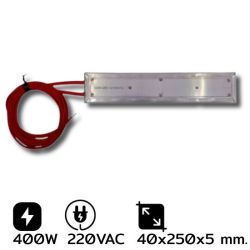 STRIP HEATER SANGI 40x250x5 mm 400 W 220 VACSpecial Price THB 825.00 Regular Price THB 1,100.00
Delivery: 30 ต.ค. 2569
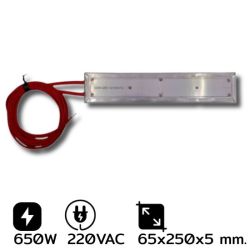 STRIP HEATER SANGI 65x250x5 mm. 650 W 220 VACSpecial Price THB 1,043.00 Regular Price THB 1,390.00
Delivery: 30 ต.ค. 2569
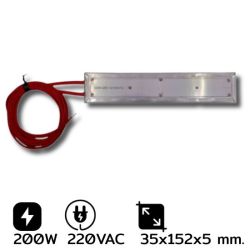 STRIP HEATER SANGI 35x152x5 mm 200 W 220 VACSpecial Price THB 758.00 Regular Price THB 1,010.00
Delivery: 30 ต.ค. 2569
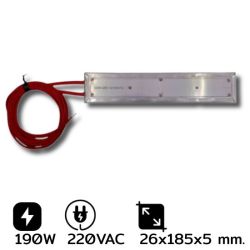 STRIP HEATER SANGI 26x185x5 mm. 190 W 220 VACSpecial Price THB 750.00 Regular Price THB 1,000.00
Delivery: 30 ต.ค. 2569
What is a Strip Heater? Get to Know the Versatile Industrial Heater
Strip Heater or sheet heater, is a heating device designed in a thin plate form suitable for heating smooth surfaces in various industrial applications. A heater is an important tool that converts electrical energy into heat. Sheet heaters have diverse uses ranging from packaging machines, plastic cutting blades, ovens to warming containers with a structure composed of resistance wire wound around insulation and mounting holes, making the sheet heater easy to install and highly efficient.
How Strip Heaters Work
A strip heater works by using conductive heating principles. When an electric current flows through the resistance wire inside, heat is generated and transferred to the surface that needs to be heated. The sheet heater must be tightly attached to the workpiece for maximum heat transfer efficiency. This type of heater can precisely control temperature with a temperature controller, making it suitable for applications requiring constant and consistent heating.
Important Structures and Materials Used in Production
The structure of sheet heaters consists of three main parts: high-temperature alloy resistance wire, insulating materials such as mica or ceramics that help distribute heat and prevent electrical short circuits, and an external metal plate that serves to transfer heat out to the workpiece. High-quality sheet heaters use industrial-grade materials capable of withstanding high temperatures and continuous operation for long periods. Choosing appropriate materials helps extend service life and reduce maintenance costs.
Types of Strip Heaters Currently in Use
Sheet heaters come in various types suitable for different job characteristics and environments. Understanding the differences between each type will help you choose the most appropriate and cost-effective strip heater. The price of sheet heaters varies according to materials and special features, with each type having unique advantages suited to specific applications.
Mica Strip Heaters
Mica strip heaters are the most commonly used due to their affordability and good heat distribution. They use mica sheets as insulation around resistance wires for even heat dispersion. This type of heater can operate at a maximum temperature of approximately 450-500°C, suitable for general applications such as heating in industrial machinery, sealing bags, and packaging work. Mica sheet heaters are lightweight and thin enough to be easily installed in limited spaces.
Ceramic Strip Heaters
Ceramic strip heaters have higher durability than mica types, capable of operating at temperatures up to 650-750°C using high-quality ceramics as insulation and heat distributors. Round or special-shaped sheet heaters can be custom-made in this type, suitable for applications requiring high heat and resistance to harsh environments such as metal industries, mold making, and continuous high-temperature oven heaters. The price of ceramic strip heater types is higher due to better quality materials.
Finned Strip Heaters
Finned strip heaters are designed to increase surface area for transferring heat into air or liquids with metal fins attached on the sides, enhancing cooling and heat distribution efficiency. The price of this type is higher than standard ones but offers better performance in applications requiring rapid heat dispersion. Suitable for heating air ducts, ventilation channels, or various convection heating systems. Some silicone finned strip heaters have also been developed to enhance efficiency.
Benefits and Applications of Strip Heater in Various Industries
The strip heater is a highly flexible device that can be used across various industries. With its compact design and precise heating capabilities, the strip heater has become a popular choice in factories, whether for small or large-scale industries. Understanding how to apply it will help you see the true potential of the strip heater.
Plastic and Packaging Industry
In plastic and packaging manufacturing plants, strip heaters are used in bag sealing machines, plastic cutting and sealing machines, as well as heating knives during production processes. Strip heaters enable quick and consistent melting and sealing of plastics, reducing waste and increasing production efficiency. They are also utilized in plastic forming machinery and plastic sheeting machines that require precise temperature control to produce high-quality products.
Food and Beverage Industry
The strip heater plays a crucial role in the food industry by being used in warming machines, automatic hot drink vending machines, and industrial food preparation equipment. Strip heaters help maintain consistent temperatures for food and beverages, ensuring quality and safety for consumers. They are also employed in vacuum packaging machines, bottle sealing machines, and heating equipment in various food production lines that require high hygiene standards.
Heating in Ovens and Molds
The strip heater is used as an oven heater in various industries such as ovens for baking or curing parts, and for heating molds in casting or plastic injection processes. Installing the strip heater on molds helps achieve precise temperature control and even heat distribution, resulting in high-quality workpieces and reduced production time. The metal and plastic industries use strip heaters as a critical component of their manufacturing process to increase efficiency and reduce costs.
Examples of Use in Specialized Machinery
The strip heater is also used in other specialized machinery such as egg incubators requiring constant and consistent temperature, textile drying machines, and laboratory equipment that requires precise heat control. Strip heaters are utilized during maintenance work to prevent liquid from freezing in pipes during cold weather, and in medical devices that require thermal sterilization. The versatility of its applications makes the strip heater an essential tool in modern industries.
How to Select the Right Strip Heater for Your Application and Budget
Selecting the right strip heater is crucial to ensure efficient use and cost-effectiveness. The price of a strip heater varies based on specifications and features. Carefully considering various factors will help you find a suitable strip heater that meets your needs and lasts long without issues.
Calculating Required Size and Wattage
Selecting the appropriate wattage is the first step in choosing a strip heater, taking into account the area to be heated, target temperature, and desired heating time. The basic formula is: Wattage = (Area x Temperature Increase x Material Coefficient) / Time. A strip heater with too high wattage may cause excessive heat and waste energy, while insufficient wattage will fail to meet heating requirements. Consulting an expert can help you find the best-sized heater.
Selecting Durable Materials for Working Environments
The material of a strip heater must be suitable for its working environment. For high-humidity applications, choose a strip heater with moisture-resistant coating or stainless steel to prevent corrosion. In chemical environments, select materials resistant to specific chemicals. Food-grade materials are required for food contact applications to ensure safety and compliance. Choosing the right material will help prevent premature failure of heaters and reduce maintenance costs.
Considering Maximum Operating Temperature
The maximum operating temperature that a strip heater can handle is a critical factor in selection. Mica-type strip heaters operate up to 450-500°C, ceramic types up to 650-750°C, and some special models can withstand even higher temperatures. Choosing a heater with a maximum operating temperature about 50-100°C above actual use will extend equipment lifespan. Remember to consider whether the heater needs continuous or intermittent operation as this affects appropriate specification selection.
Selecting Electrical Connection Types
Strip heaters come in various electrical connection types, such as direct wiring, side wiring, or terminal box installation. Some models include thermocouple or RTD for direct temperature measurement and control. The choice of connection type should consider installation space and maintenance convenience. Strip heaters with a terminal box protect wire connections from damage and make replacement or repair easier. Choose the most suitable option to match existing electrical systems and reduce installation costs.
Installation and Maintenance Warnings to Extend Lifespan
Proper installation and maintenance of a strip heater are crucial for the device's efficient operation and longevity. Improperly installed heaters may cause damage or premature failure. Following these guidelines will help reduce issues and save costs in the long run.
Correct Installation Techniques for Maximum Efficiency
The strip heater must be securely mounted to the surface requiring heating without being loose or having gaps, as this can lead to incomplete heat transfer. Use screws or clamps recommended by the manufacturer. The installation surface should be cleaned thoroughly before mounting to ensure optimal contact. If possible, use thermal grease or a thermal pad to enhance heat transfer efficiency. Wiring must be neat and kept away from high-temperature areas for safety and to prevent circuit overload.
Preventive Maintenance Guidelines
Preventive maintenance is essential for continuous operation of the strip heater. Regularly inspect the strip heater for cracks or damage, check electrical connections and terminals for tightness and signs of burning, and clean the heater surface regularly to prevent dirt buildup. Measure resistance periodically to detect potential issues. If a faulty heater or reduced efficiency is found, replace it immediately to avoid larger problems. Keeping maintenance records will aid in planning and predicting lifespan.
If You Are Looking for Strip Heaters, Think SCMA!
Strip heaters are crucial components in various industries. Choosing high-quality and suitable strip heaters can enhance production efficiency and reduce long-term costs. With over 30 years of experience, SCMA is an expert in industrial heater solutions offering a variety of types from mica to ceramic, finned, and infrared heaters. Our engineering team is ready to advise on selecting the best strip heater for your needs, including custom sizing and installation services. Contact us here for free consultation and quotes.
Summary
A strip heater or sheet heater is a versatile heating device used across industries. Selecting an appropriate sheet heater involves considering factors such as type, size, wattage, material, installation, and maintenance. High-quality strip heaters from reliable manufacturers will ensure smooth and efficient business operations. For more information or to find the best fitting heater, contact SCMA today for expert advice and the perfect strip heater solution.
Frequently Asked Questions
About Strip Heater How long does a strip heater last?
The lifespan of a strip heater depends on several factors such as the quality of the heater, usage, installation, and maintenance. Generally, high-quality heaters that are installed correctly can last 3-5 years or longer with proper maintenance. Operating the heater at maximum temperature continuously or in harsh environments may shorten its lifespan. Regular inspection and maintenance will help extend the life of the equipment.
Can custom sizes be ordered?
Yes, strip heaters can be customized to meet customer requirements, including length, width, shape, wattage, mounting hole positions, and wiring connection points. Custom shapes such as round or special-shaped heaters can also be produced. Special orders may take longer than stock items and may incur additional costs but will provide the best fit for your application needs. Consult with a manufacturer or supplier for details and quotes.
What is a Strip Heater?
A strip heater, also known as a band heater, is a heating device that has a flat or strip-like shape designed to heat smooth surfaces and various parts. This type of heater works by converting electrical energy into heat through resistance wires inside it. It is widely used in industries such as bag sealing, mold heating, ovens, and other industrial equipment. The advantages of strip heaters include easy installation, even heat distribution, and precise temperature control. For more information, see Dwyer Omega reference.
This website uses cookies
We use cookies to make the site work properly, to understand how it is used, and to show content that is relevant to you. You choose which types to allow; strictly necessary cookies are always on. Privacy Policy
🤖 AI Assistant
Ask about products, specs and replacement models
Hello 👋 Ask us anything — find products, compare specs, or troubleshoot.
🗑 Clear history