
SPECIAL PROMOTION — Up to 40% off across many product groups, until 31 December 2026 · Click to see all promotion itemsIFM, Sensor, Automation SystemMeasuring / Testing InstrumentsTemp Indicator, Control, T/C, RTD, TimerHeater, SCR Control, Solid State, Power Supply, Control CabinetField Measuring Instruments, Pressure Gauge, Level Control, Flow MeasurementEMC, Pneumatic, Solenoid ValveInspection Test Lamp, Head Light, Automotive Measuring InstrumentWeighing Scales, Marking Machine, PrintersEducational Training SystemsHot Line Tools & Equipment SPECIAL PROMOTION — Up to 40% off across many product groups, until 31 December 2026 · Click to see all promotion itemsIFM, Sensor, Automation SystemMeasuring / Testing InstrumentsTemp Indicator, Control, T/C, RTD, TimerHeater, SCR Control, Solid State, Power Supply, Control CabinetField Measuring Instruments, Pressure Gauge, Level Control, Flow MeasurementEMC, Pneumatic, Solenoid ValveInspection Test Lamp, Head Light, Automotive Measuring InstrumentWeighing Scales, Marking Machine, PrintersEducational Training SystemsHot Line Tools & Equipment View promotion items View all
Photo sensors
What are Photo Sensors?
SCMA has been officially appointed as the sole authorized distributor of ifm in Thailand.
Photo sensors (photoelectric sensors) are sensors that can detect objects of all types, including long-range detection and non-contact object detection. They are suitable for applications where the detection range exceeds what proximity switches can achieve.
Benefits of Photo Sensors
- High accuracy in detecting small objects quickly and accurately
- Long-range detection capabilities, allowing for the detection of objects at greater distances than other types of sensors
- Versatile environmental use, resistant to dust, humidity, and a range of temperatures
- Fast response time suitable for high-speed production line detection
Why Choose Photo Sensors from ifm?
ifm electronic, a global brand specializing in the production and distribution of automatic sensor systems for industrial applications, offers high-quality products that enhance efficiency and reliability in smart factories. The technology includes IO-Link, which is crucial for developing intelligent industries by improving production efficiency, reducing errors, and enhancing process control accuracy to ensure excellent product quality.
View the Photo Sensors Catalog Click Here
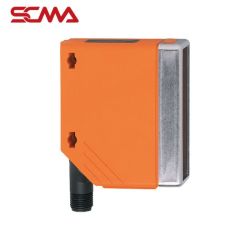 O4H500 \ efector 200 \ Photo sensor \ O4H-FPKG/US100 \ DESpecial Price THB 8,250.00 Regular Price THB 11,000.00
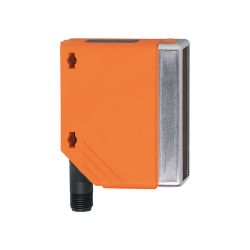 O4H200 \ efector 200 \ Photoelectric sensors \ O4H-HPKG/US100 \ DESpecial Price THB 6,375.00 Regular Price THB 8,500.00
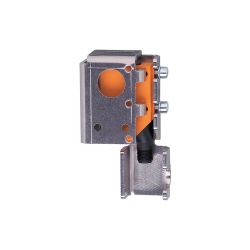 O5E51A \ effector 200 \ Photoelectric sensors \ O5E-FPKG/US100/3D \ DE \Special Price THB 8,625.00 Regular Price THB 11,500.00
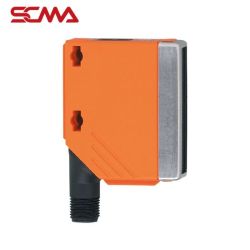 O5E500 \ efector 200 \ Photo sensor \ O5E-FPKG/US100 \ DESpecial Price THB 5,925.00 Regular Price THB 7,900.00
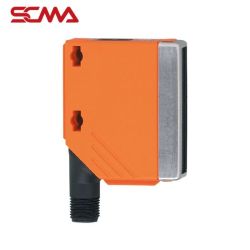 O5H500 \ efector 200 \ Photo sensor \ O5H-FPKG/US100 \ DESpecial Price THB 7,800.00 Regular Price THB 10,400.00
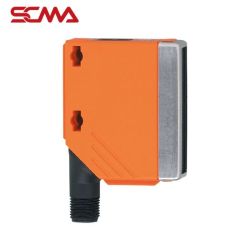 O5H200 efector 200 Photo sensor O5H-HPKG/US100 DESpecial Price THB 6,000.00 Regular Price THB 8,000.00
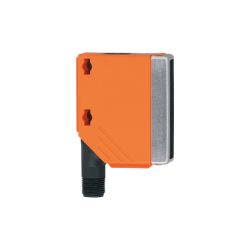 O5H501 \ efector 200 \ Photoelectric sensors \ O5H-FPKG/US100 \ DESpecial Price THB 8,250.00 Regular Price THB 11,000.00
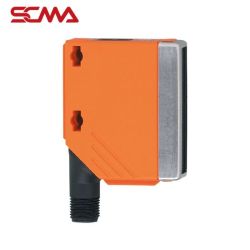 O5P500 \ efector 200 \ Photo sensor \ O5P-FPKG/US100 \ DESpecial Price THB 6,000.00 Regular Price THB 8,000.00
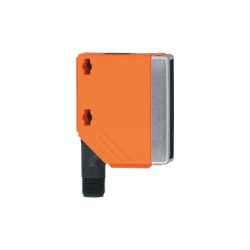 O5P200 \ effector 200 \ Photoelectric sensors \ O5P-DPKG/US100 \ DESpecial Price THB 5,400.00 Regular Price THB 7,200.00
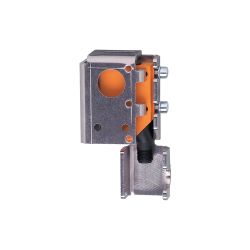 O5S51A \ effector 200 \ Photoelectric sensors \ O5S-OOKG/US100/3D \ DESpecial Price THB 7,650.00 Regular Price THB 10,200.00
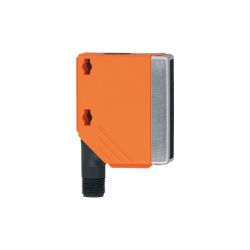 O5S200 \ efector 200 \ Photoelectric sensors \ O5S-OOKG/US100 \ DESpecial Price THB 4,575.00 Regular Price THB 6,100.00
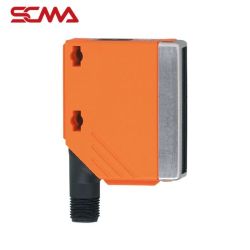 O5S500 \ efector 200 \ Photo sensor \ O5S-OOKG/US100 \ DESpecial Price THB 4,650.00 Regular Price THB 6,200.00
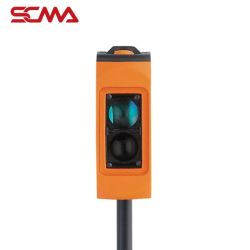 O6E200 \ efector 200 \ Photo sensor \O6E-FPKG \ SGSpecial Price THB 2,325.00 Regular Price THB 3,100.00
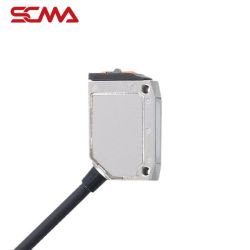 O6E300 \ efector 200 \ Photo sensor \O6E-FPKG \ SGSpecial Price THB 3,600.00 Regular Price THB 4,800.00
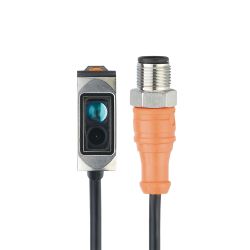 O6E301 \ effector 200 \ Photoelectric sensors \ O6E-FPKG/0,30m/US \ SG \Special Price THB 3,600.00 Regular Price THB 4,800.00
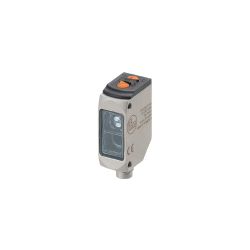 O6E302 \ efector 200 \ Photoelectric sensors \ O6E-FPKG/AS/3P \ SG \Special Price THB 3,600.00 Regular Price THB 4,800.00
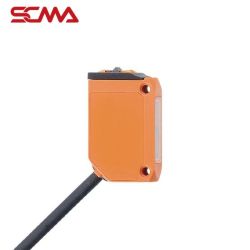 O6E204 \ efector 200 \ Photo sensor \O6E-FNKG \ SGSpecial Price THB 2,325.00 Regular Price THB 3,100.00
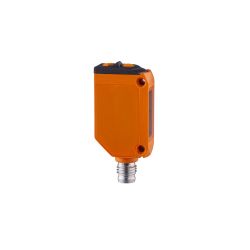 O6E203 \ effector 200 \ Photoelectric sensors \ O6E-FPKG/AS/4P \ SG \Special Price THB 2,325.00 Regular Price THB 3,100.00
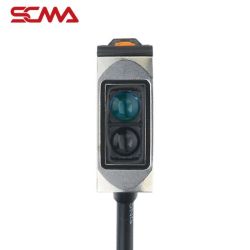 O6H304 \ efector 200 \ Photo sensor \ O6H-FNKG \ SGSpecial Price THB 5,850.00 Regular Price THB 7,800.00
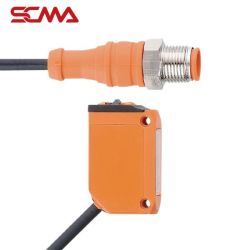 O6H201 \ efector 200 \ Photo sensor \ O6H-FPKG/0,30m/US \ SGSpecial Price THB 4,125.00 Regular Price THB 5,500.00
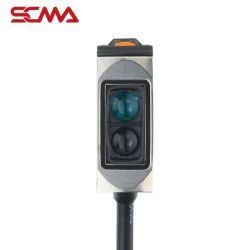 O6H300 \ efector 200 \ Photo sensor \O6H-FPKG \ SGSpecial Price THB 5,850.00 Regular Price THB 7,800.00
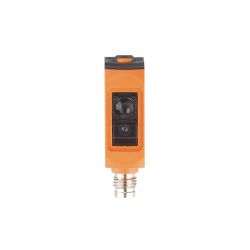 O6H702 \ effector 200 \ Photoelectric sensors \ O6HLFPKG/AS/4P \ SG \Special Price THB 7,950.00 Regular Price THB 10,600.00
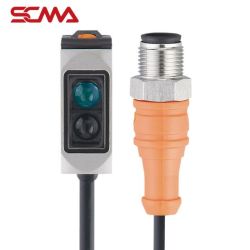 O6H305 \ efector 200 \ Photo sensor \O6H-FNKG/0,30m/US \ SGSpecial Price THB 5,850.00 Regular Price THB 7,800.00
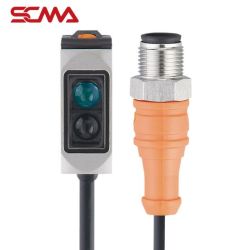 O6H301 \ efector 200 \ Photo sensor \ O6H-FPKG/0,30m/US \ SGSpecial Price THB 5,850.00 Regular Price THB 7,800.00
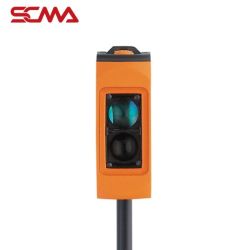 O6H200 \ efector 200 \ Photo sensor \O6H-FPKG \ SGSpecial Price THB 4,125.00 Regular Price THB 5,500.00
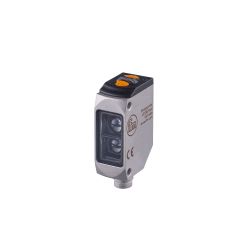 O6H302 \ effector 200 \ Photoelectric sensors \ O6H-FPKG/AS/3P \ SG \Special Price THB 5,850.00 Regular Price THB 7,800.00
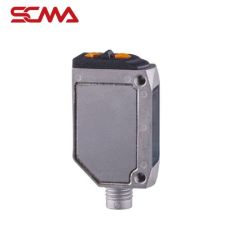 O6H309 \ efector 200 \ Photo sensor \ O6H-FPKG/AS/4P \ SGSpecial Price THB 6,075.00 Regular Price THB 8,100.00
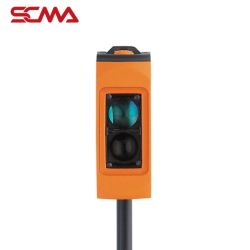 O6H204 \ efector 200 \ Photo sensor \ O6H-FNKG \ SGSpecial Price THB 4,125.00 Regular Price THB 5,500.00
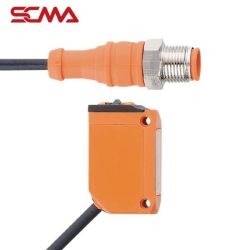 O6H205 \ efector 200 \ Photo sensor \ O6H-FNKG/0,30m/US \ SGSpecial Price THB 4,125.00 Regular Price THB 5,500.00
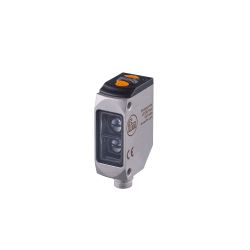 O6H307 \ effector 200 \ Photoelectric sensors \ O6H-FNKG/AS/4P \ SG \Special Price THB 5,850.00 Regular Price THB 7,800.00
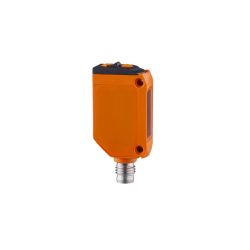 O6H202 \ effector 200 \ Photoelectric sensors \ O6H-FPKG/AS/3P \ SG \Special Price THB 4,125.00 Regular Price THB 5,500.00
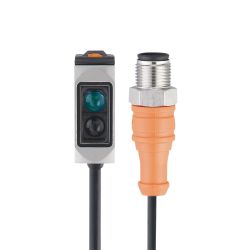 O6H404 \ effector 200 \ Photoelectric sensors \ O6H-FPKG/0,30m/US \ SG \Special Price THB 5,700.00 Regular Price THB 7,600.00
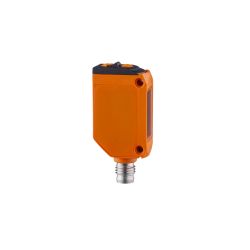 O6H203 \ efector 200 \ Photoelectric sensors \ O6H-FPKG/AS/4P \ SG \Special Price THB 4,125.00 Regular Price THB 5,500.00
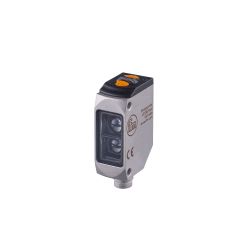 O6H303 \ effector 200 \ Photoelectric sensors \ O6H-FPKG/AS/4P \ SG \Special Price THB 5,850.00 Regular Price THB 7,800.00
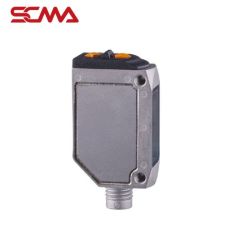 O6H400 \ efector 200 \ Photo sensor \ O6H-FPKG/AS/4P \ SGSpecial Price THB 5,700.00 Regular Price THB 7,600.00
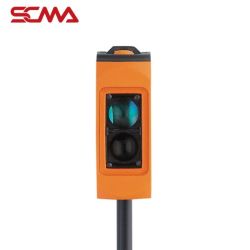 O6P204 \ efector 200 \ Photo sensor \O6P-FNKG \ SGSpecial Price THB 3,600.00 Regular Price THB 4,800.00
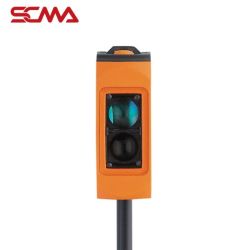 O6P200 \ efector 200 \ Photo sensor \O6P-FPKG \ SGSpecial Price THB 3,600.00 Regular Price THB 4,800.00
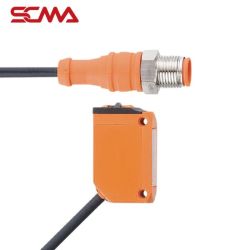 O6P201 \ efector 200 \ Photo sensor \ O6P-FPKG/0,30m/US \ SGSpecial Price THB 3,600.00 Regular Price THB 4,800.00
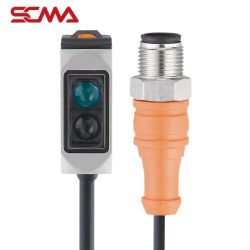 O6P305 \ efector 200 \ Photo sensor \ O6P-FNKG/0,30m/US \ SGSpecial Price THB 5,250.00 Regular Price THB 7,000.00
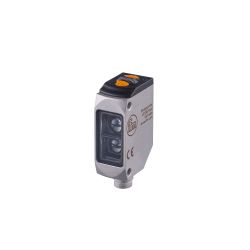 O6P303 \ efector 200 \ Photoelectric sensors \ O6P-FPKG/AS/4P \ SG \Special Price THB 5,325.00 Regular Price THB 7,100.00
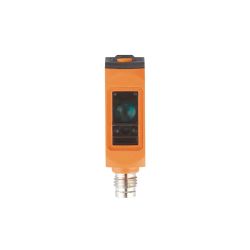 O6P702 \ effector 200 \ Photoelectric sensors \ O6PLFPKG/AS/4P \ SG \Special Price THB 7,425.00 Regular Price THB 9,900.00
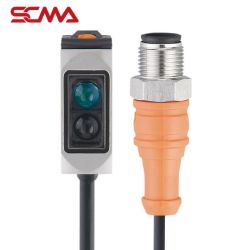 O6P301 \ efector 200 \ Photo sensor \ O6P-FPKG/0,30m/US \ SGSpecial Price THB 5,325.00 Regular Price THB 7,100.00
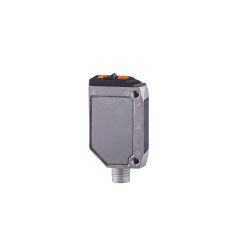 O6P309 \ efector 200 \ Photoelectric sensors \ O6P-FPKG/AS/4P \ SG \Special Price THB 5,475.00 Regular Price THB 7,300.00
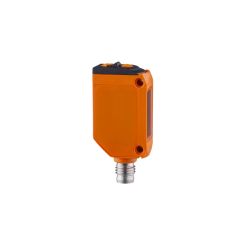 O6P203 \ efector 200 \ Photoelectric sensors \ O6P-FPKG/AS/4P \ SG \Special Price THB 3,600.00 Regular Price THB 4,800.00
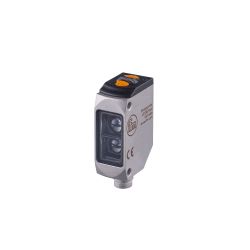 O6P302 \ efector 200 \ Photoelectric sensors \ O6P-FPKG/AS/3P \ SG \Special Price THB 5,325.00 Regular Price THB 7,100.00
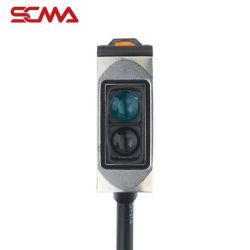 O6P304 \ efector 200 \ Photo sensor \O6P-FNKG \ SGSpecial Price THB 5,325.00 Regular Price THB 7,100.00
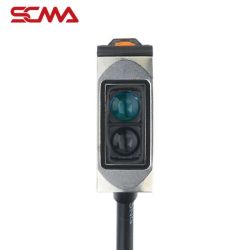 O6P300 \ efector 200 \ Photo sensor \O6P-FPKG \ SGSpecial Price THB 5,325.00 Regular Price THB 7,100.00
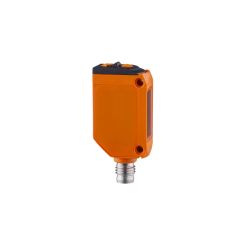 O6P202 \ efector 200 \ Photoelectric sensors \ O6P-FPKG/AS/3P \ SG \Special Price THB 3,600.00 Regular Price THB 4,800.00
Frequently Asked Questions (FAQ) – Photo Sensors from IFM
1. What is a photo sensor?
A photo sensor (photoelectric sensor) is a device that uses a beam of light to detect the presence, position or movement of an object in an automated production process.
2. What are IFM photo sensors used for?
They are widely used to detect workpieces on conveyors, count products, check part positions and control machine operation in automation systems.
3. How many types of photo sensor are there?
Generally three main types: through-beam sensors, retro-reflective sensors and diffuse reflection sensors. Each type suits a different kind of application.
4. Can photo sensors detect transparent objects?
Yes. Some IFM photo sensor models are designed specifically to detect transparent objects such as glass bottles, film or clear plastic packaging.
5. Can photo sensors detect black objects or glossy surfaces?
Yes. Models with advanced detection technology can accurately detect dark objects, glossy surfaces or reflective materials.
6. What sensing range do photo sensors have?
The range depends on the sensor type and model, from just a few millimetres up to several tens of metres for industrial applications.
7. Do IFM photo sensors support IO-Link?
Many models do, allowing convenient parameter setting, operating data readout and sensor status analysis through the IO-Link system.
8. Which industries are photo sensors suitable for?
They can be used in automotive, food and beverage, packaging, logistics and electronics industries, and in general automation systems.
9. How does a photo sensor differ from an ultrasonic sensor?
A photo sensor uses light to detect objects, so it responds quickly and suits high-speed applications. An ultrasonic sensor uses sound waves and suits transparent objects or surfaces that are difficult to detect optically.
10. How should a photo sensor be selected for the job?
Consider the object type, sensing range, operating environment, production process speed and the required output type, to get the best possible performance.
This website uses cookies
We use cookies to make the site work properly, to understand how it is used, and to show content that is relevant to you. You choose which types to allow; strictly necessary cookies are always on. Privacy Policy
🤖 AI Assistant
Ask about products, specs and replacement models
Hello 👋 Ask us anything — find products, compare specs, or troubleshoot.
🗑 Clear history