
SPECIAL PROMOTION — Up to 40% off across many product groups, until 31 December 2026 · Click to see all promotion itemsIFM, Sensor, Automation SystemMeasuring / Testing InstrumentsTemp Indicator, Control, T/C, RTD, TimerHeater, SCR Control, Solid State, Power Supply, Control CabinetField Measuring Instruments, Pressure Gauge, Level Control, Flow MeasurementEMC, Pneumatic, Solenoid ValveInspection Test Lamp, Head Light, Automotive Measuring InstrumentWeighing Scales, Marking Machine, PrintersEducational Training SystemsHot Line Tools & Equipment SPECIAL PROMOTION — Up to 40% off across many product groups, until 31 December 2026 · Click to see all promotion itemsIFM, Sensor, Automation SystemMeasuring / Testing InstrumentsTemp Indicator, Control, T/C, RTD, TimerHeater, SCR Control, Solid State, Power Supply, Control CabinetField Measuring Instruments, Pressure Gauge, Level Control, Flow MeasurementEMC, Pneumatic, Solenoid ValveInspection Test Lamp, Head Light, Automotive Measuring InstrumentWeighing Scales, Marking Machine, PrintersEducational Training SystemsHot Line Tools & Equipment View promotion items View all
Wiring Connection technology
What is Wiring Connection technology?
Wiring Connection technology refers to connector technology for sensors. It involves methods and equipment used to connect electrical or signal wires in various systems, ensuring safety, efficiency, and durability under operational conditions. This technology is crucial in industrial systems, building electrical systems, and electronic devices as it impacts the system's safety, reliability, and performance.
Types of Wiring Connection technology
- Permanent connection methods such as soldering or crimping, suitable for applications where disconnection is infrequent.
- Removable connections using connectors that can be unplugged and reconnected easily, commonly used in systems requiring easy maintenance or upgrades, such as electronic devices.
- Wireless connection methods utilizing wireless technologies like Bluetooth, Wi-Fi, or NFC to transmit data without wires.
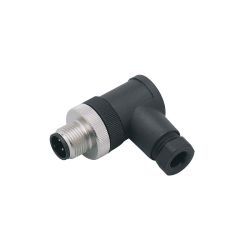 E11507 \ ecomat 400 \ Passive connection technology \ SSTAH050MSSFKPG \ HUSpecial Price THB 1,400.00 Regular Price THB 2,000.00
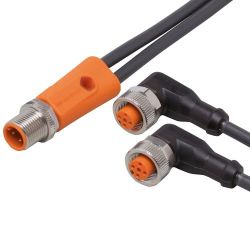 EVC438 \ ecomat 400 \ Connection \ YDOAH032MSS0002H03STGH040MSS \ PLSpecial Price THB 1,800.00 Regular Price THB 2,400.00
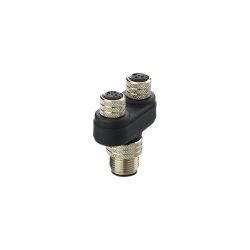 E10802 \ ecomat 400 \ Passive connection technology \ ZDO2F030MSS0000-00STGH040MSS \ PLSpecial Price THB 975.00 Regular Price THB 1,300.00
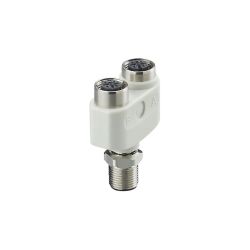 EBF006 \ ecomat 400 \ Passive connection technology \ ZDO2H030VAS0000-00STGH040VAS \ PLSpecial Price THB 1,125.00 Regular Price THB 1,500.00
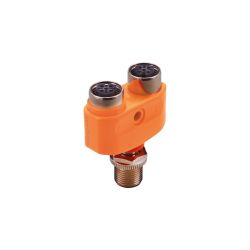 EBC113 \ ecomat 400 \ Passive connection technology \ ZDO2H030MSS0000-00STGH040MSS \ PLSpecial Price THB 1,050.00 Regular Price THB 1,400.00
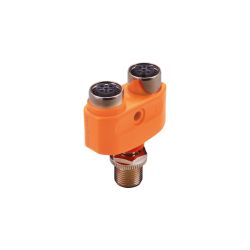 EBC114 \ ecomat 400 \ Passive connection technology \ ZDO2H050MSS0000-00STGH050MSS \ PLSpecial Price THB 1,050.00 Regular Price THB 1,400.00
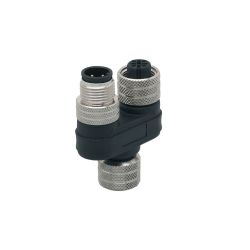 E11569 \ efector 100 \ Inductive sensors \ Safety splitter box \ PLSpecial Price THB 1,275.00 Regular Price THB 1,700.00
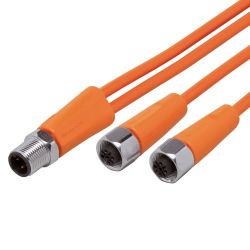 EVT329 \ ecomat 400 \ Connection \ YDOGH040VAS0001E04STGH050VAS \ PLSpecial Price THB 2,175.00 Regular Price THB 2,900.00
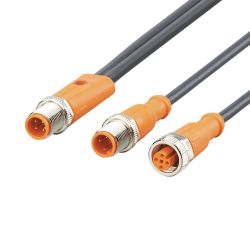 EVC696 \ ecomat 400 \ Passive connection technology \ YDSGHDA0MSS0010HDASTGH030MSS \ PLSpecial Price THB 1,950.00 Regular Price THB 2,600.00
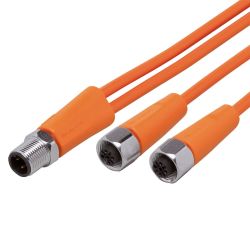 EVT348 \ ecomat 400 \ Passive connection technology \ YDOGH040VAS01,6E04STGH050VAS \ PLSpecial Price THB 2,250.00 Regular Price THB 3,000.00
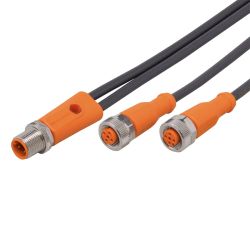 EVC510 \ ecomat 400 \ Passive connection technology \ YDOGH040MSS00,3H04STGH040MSS \ PLSpecial Price THB 1,500.00 Regular Price THB 2,000.00
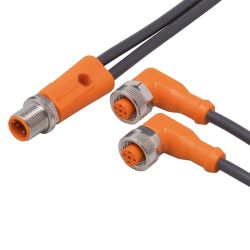 EVC435 \ ecomat 400 \ Passive connection technology \ YDOAH040MSS0002H04STGH050MSS \ PLSpecial Price THB 1,575.00 Regular Price THB 2,100.00
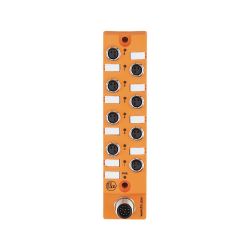 EBC138 \ ecomat 400 \ Passive connection technology \ ZDO8F039MSS0000---STGH120MSS \ DESpecial Price THB 4,125.00 Regular Price THB 5,500.00
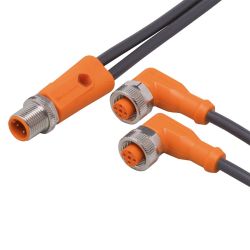 EVC434 \ ecomat 400 \ Passive connection technology \ YDOAH040MSS0001H04STGH050MSS \ PLSpecial Price THB 1,575.00 Regular Price THB 2,100.00
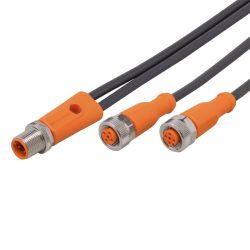 EVC432 \ ecomat 400 \ Passive connection technology \ YDOGH040MSS0002H04STGH050MSS \ PLSpecial Price THB 1,575.00 Regular Price THB 2,100.00
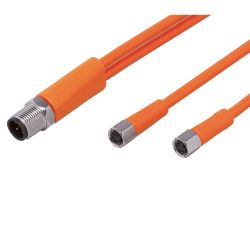 EVT339 \ ecomat 400 \ Passive connection technology \ YDOGF040VAS00,6E04STGH040VAS \ PLSpecial Price THB 3,300.00 Regular Price THB 4,400.00
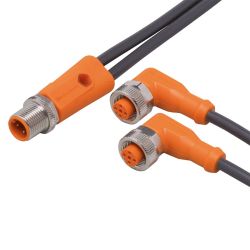 EVC758 \ ecomat 400 \ Passive connection technology \ YDOAH040MSS0012H04STGH040MSS \ PLSpecial Price THB 2,325.00 Regular Price THB 3,100.00
Delivery: 30 ต.ค. 2569
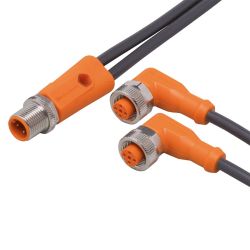 EVC619 \ ecomat 400 \ Passive connection technology \ YDOAH040MSS0003H04STGH040MSS \ PLSpecial Price THB 1,800.00 Regular Price THB 2,400.00
Delivery: 30 ต.ค. 2569
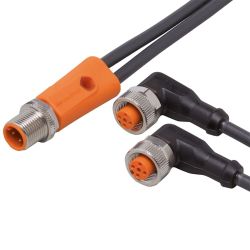 EVC523 \ ecomat 400 \ Passive connection technology \ YDOAH032MSS0008H03STGH040MSS \ PLSpecial Price THB 2,175.00 Regular Price THB 2,900.00
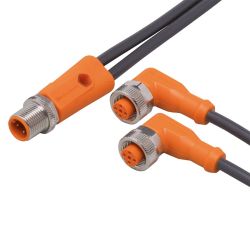 EVC436 \ ecomat 400 \ Passive connection technology \ YDOAH040MSS0005H04STGH050MSS \ PLSpecial Price THB 1,800.00 Regular Price THB 2,400.00
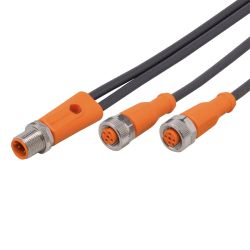 EVC431 \ ecomat 400 \ Passive connection technology \ YDOGH040MSS0001H04STGH050MSS \ PLSpecial Price THB 1,575.00 Regular Price THB 2,100.00
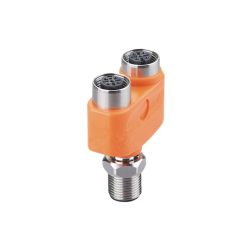 EBT006 \ ecomat 400 \ Passive connection technology \ ZDO2H030VAS0000-00STGH040VAS \ PLSpecial Price THB 1,125.00 Regular Price THB 1,500.00
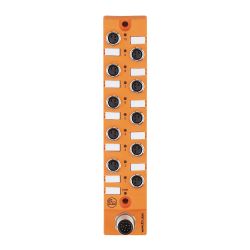 EBC139 \ ecomat 400 \ Passive connection technology \ ZDOAF03BMSS0000---STGH120MSS \ DESpecial Price THB 4,425.00 Regular Price THB 5,900.00
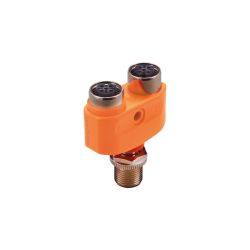 EBC117 \ ecomat 400 \ Passive connection technology \ ZDO2H040MSS0000-00STGH050MSS \ PLSpecial Price THB 1,050.00 Regular Price THB 1,400.00
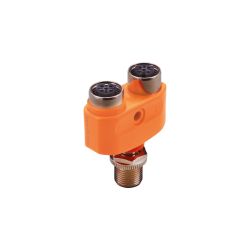 EBC115 \ ecomat 400 \ Passive connection technology \ ZDO2H040MSS0000-00STGH050MSS \ PLSpecial Price THB 1,050.00 Regular Price THB 1,400.00
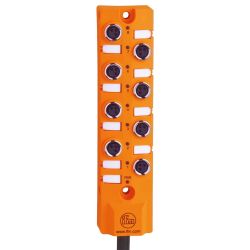 EBC055 \ ecomat 400 \ Passive connection technology \ ZDO8F039MSS0010H10 \ DESpecial Price THB 6,000.00 Regular Price THB 8,000.00
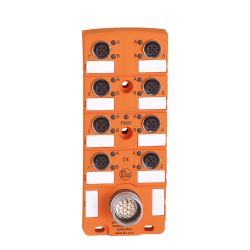 EBC012 \ ecomat 400 \ Passive connection technology \ ZDO8H05HMSS0000-00STAK190MSS \ DESpecial Price THB 6,750.00 Regular Price THB 9,000.00
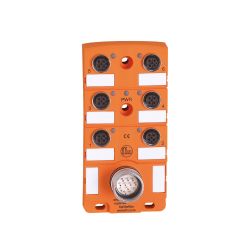 EBC006 \ ecomat 400 \ Passive connection technology \ ZDO6H057MSS0000-00STAK120MSS \ DESpecial Price THB 4,500.00 Regular Price THB 6,000.00
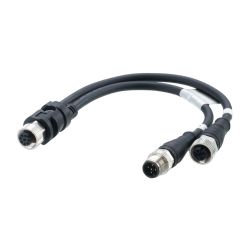 E12640 \ efector 120 \ Magnetic and cylinder sensors \ Y SPLITTER CABLE \ DESpecial Price THB 2,625.00 Regular Price THB 3,500.00
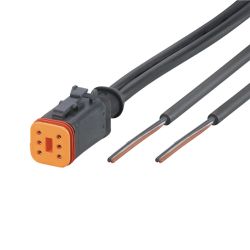 E12554 \ ecomat 400 \ Passive connection technology \ YDOGS040PLS0005H02 \ PLSpecial Price THB 2,325.00 Regular Price THB 3,100.00
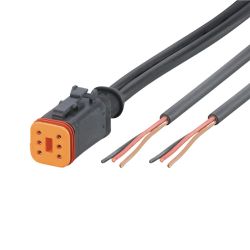 E12548 \ ecomat 400 \ Passive connection technology \ YDOGS030PLS0005H03 \ PLSpecial Price THB 1,725.00 Regular Price THB 2,300.00
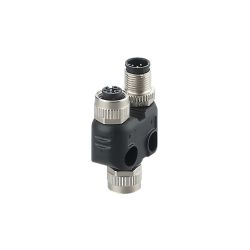 E12529 \ ecomat 400 \ Passive connection technology \ ZDO2H050ZDS0000-00STGH050ZDS \ DESpecial Price THB 1,125.00 Regular Price THB 1,500.00
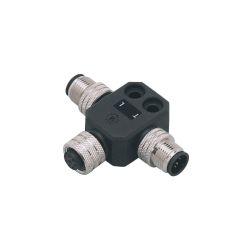 E11627 \ ecomat 400 \ Passive connection technology \ T SPLITTER M12/2XUS \ PLSpecial Price THB 2,175.00 Regular Price THB 2,900.00
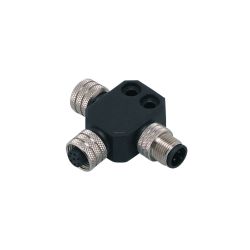 E11566 \ ecomat 400 \ Passive connection technology \ T SPLITTER M12/2XUS \ PLSpecial Price THB 2,175.00 Regular Price THB 2,900.00
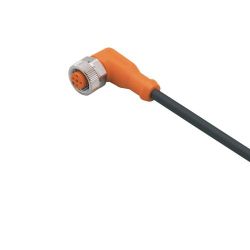 EVC005 \ ecomat 400 \ Connection \ ADOAH040MSS0005H04 \ PLSpecial Price THB 900.00 Regular Price THB 1,200.00
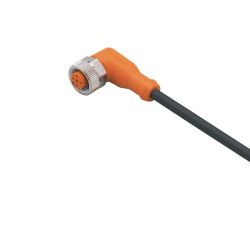 EVC004 \ ecomat 400 \ Connection \ ADOAH040MSS0002H04 \ PLSpecial Price THB 770.00 Regular Price THB 1,100.00
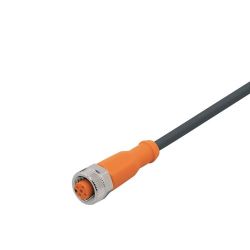 EVC001 \ ecomat 400 \ Connection \ ADOGH040MSS0002H04 \ PLSpecial Price THB 770.00 Regular Price THB 1,100.00
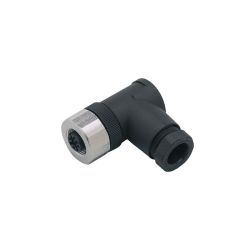 E11252 \ ecomat 400 \ Passive connection technology \ SDOAH040VASFKPG \ DESpecial Price THB 727.50 Regular Price THB 970.00
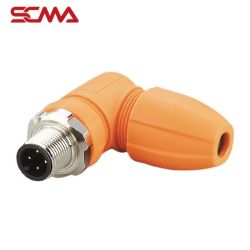 EVC811 \ ecomat 400 \ Connection \ SDOAH040MSSFKPG \ PLSpecial Price THB 825.00 Regular Price THB 1,100.00
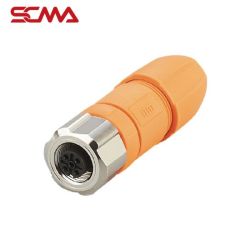 EVC810 \ ecomat 400 \ Connection \ SDOGH040MSSFKPG \ PLSpecial Price THB 825.00 Regular Price THB 1,100.00
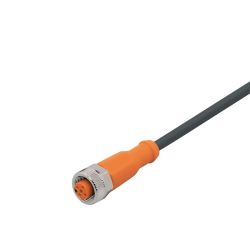 EVC003 \ ecomat 400 \ Passive connection technology \ ADOGH040MSS0010H04 \ PLSpecial Price THB 1,125.00 Regular Price THB 1,500.00
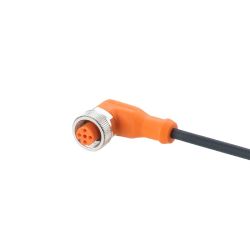 EVC006 \ ecomat 400 \ Passive connection technology \ ADOAH040MSS0010H04 \ PLSpecial Price THB 1,125.00 Regular Price THB 1,500.00
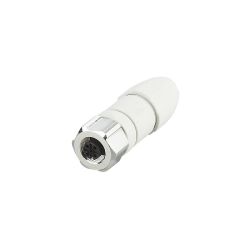 EVF565 \ ecomat 400 \ Passive connection technology \ SDOGH040VASFKPG \ PLSpecial Price THB 1,275.00 Regular Price THB 1,700.00
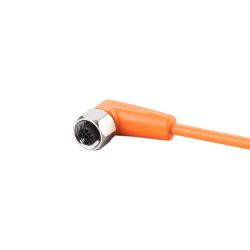 EVT013 \ ecomat 400 \ Passive connection technology \ ADOAH050VAS0005E05 \ PLSpecial Price THB 1,125.00 Regular Price THB 1,500.00
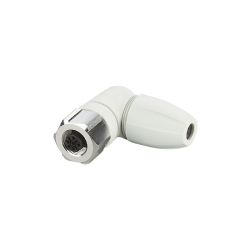 EVF566 \ ecomat 400 \ Passive connection technology \ SDOAH040VASFKPG \ PLSpecial Price THB 1,275.00 Regular Price THB 1,700.00
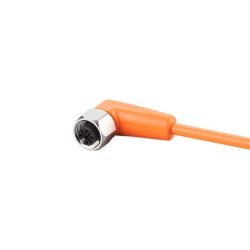 EVT005 \ ecomat 400 \ Passive connection technology \ ADOAH040VAS0010E04 \ PLSpecial Price THB 1,275.00 Regular Price THB 1,700.00
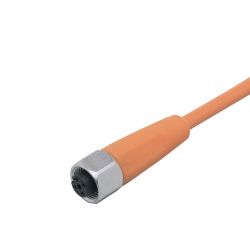 EVT001 \ ecomat 400 \ Connection \ ADOGH040VAS0005E04 \ PLSpecial Price THB 1,050.00 Regular Price THB 1,400.00
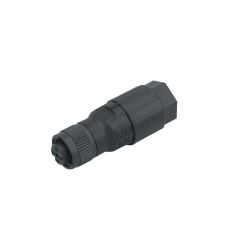 E11145 \ ecomat 400 \ Passive connection technology \ SDOGH040PLSFKSK \ DESpecial Price THB 480.00 Regular Price THB 640.00
What Is Wiring Connection Technology, and How to Choose Terminals to Suit Your Site
Is the wiring connection technology you use now causing loose wires that short out the control cabinet or stall the production line? This article looks in depth at wire termination technology, from the familiar cage clamp system through to newer innovations such as push-in technology, so engineers can choose terminals that withstand real on-site vibration. To end substandard connection points for good, consult the SCMA engineering team for help assessing and designing a control system that stays stable long term.
What Is Wiring Connection Technology?
Wiring connection technology is the innovation used to terminate wires or make electrical connections in a control panel. Its main purpose is to create a secure joint that prevents wires working loose from machine vibration on site. The technology has developed continuously from the traditional screw system to spring-loaded systems such as the cage clamp familiar throughout engineering, and on to the latest push-in technology, which cuts on-site wiring time by more than half — closing off the problem of technicians failing to tighten screws properly and causing heat to build up in the switchboard.
How wiring connection technology works: the main mechanism relies on mechanical contact force to create a perfect electrical contact between the copper conductor and the busbar. With a cage clamp system, a screwdriver opens the spring aperture before the wire is inserted; when the screwdriver is withdrawn, the spring grips the wire firmly for the rest of its service life. Push-in technology works in a similar way, but is designed so that a solid wire or a stranded wire fitted with a ferrule can be pushed straight into the connection aperture. The internal spring mechanism locks the wire automatically and withstands the shocks of an industrial production line.
How Many Types of Wiring Connection Technology Are There?
Types of wiring connection technology are classified by the mechanism that grips the wire. World-class control cabinet equipment manufacturers design them for different environments. Maintenance engineers need to know the difference between the screw system, spring-pressure systems such as the cage clamp, and push-in technology innovations, in order to specify the right one for the site.
Screw Connection
The basic system, in which a screw presses the copper conductor against the busbar. It suits large cables and depends on the technician's skill in judging the correct torque.
Spring-Cage Connection
Also known as the cage clamp, it uses the tension of a steel spring to press on the wire, giving excellent protection against the wire working loose from machine vibration.
Push-In Technology
An innovation developed from the spring-loaded system: technicians can push a ferruled wire straight into the aperture without a tool to open it, saving the maximum amount of control cabinet assembly time.
Insulation Displacement Connection (IDC)
A connection system that requires no stripping of the wire insulation: an internal metal blade cuts through the insulation to contact the copper conductor directly. Widely used for sensor signal cables.
Key features of wiring connection technology: the reason most plants upgrade their wiring connection technology is the goal of achieving genuine zero downtime. Moving to newer termination technologies such as push-in technology or the cage clamp closes off the risk from substandard electrical connection points.
- High vibration resistance: Spring terminals always maintain a constant pressure on the wire, preventing it working loose when mounted on motors or presses subject to severe shaking
- Reduced wiring time: Push-in technology lets the technician push the wire straight into the terminal, saving an enormous amount of time when assembling or maintaining a control cabinet
- Fewer human errors: No more screws tightened so hard the wire breaks, or left so loose that a hot spot develops at the contact
- Maintenance free: No need to schedule the maintenance team to re-tighten screws, reducing the long-term PM workload
Putting wiring connection technology to work: getting the best from wiring connection technology starts with preparing the wire correctly. Site technicians must understand the differences between the mechanisms in order to avoid damaging the internal spring of a cage clamp or push-in technology terminal.
- Stripping the insulation: Strip to the length marked on the terminal (strip length) — neither shorter nor longer, to prevent tracking between poles
- Ferrule crimping: For fine stranded wire, crimp a tubular ferrule before inserting it into the terminal for a neat result
- Inserting the wire into the aperture: With push-in technology the ferrule can be pushed straight in; with a cage clamp a screwdriver must first release the spring
- Removing the wire: Use a flat-blade screwdriver of the correct size in the release slot to relax the spring, then pull the wire straight out — never yank it
Wiring connection technology in industry: the demand for machine stability has made wiring connection technology widely used in manufacturing. Choosing a cage clamp or push-in technology addresses the problem of wires shaking loose exactly at its source, letting the production line run at full capacity.
- Robotics & automation: Terminals must withstand constant movement, preventing signal loss between the sensor and the PLC in the control cabinet
- Automotive industry: Push-in technology is widely used for fast assembly of control boards, reducing waiting time in the machine building process
- Energy & petrochemical: The focus is on terminals that withstand high temperatures and chemical vapours, with international safety approvals to prevent sparking
- Railway systems: Standards mandate resistance to severe vibration, so spring terminals are a compulsory specification when designing rail control cabinets
Choosing the right wiring connection technology: deciding the specification must be based on an overall view of the control cabinet environment. Engineers must assess the risk factors on site to compare an ordinary cage clamp against push-in technology and decide which answers the need best.
- Assess the vibration on site: If it is installed near machinery with repeated impact, specify spring-loaded terminals to prevent the connection working loose
- Check the current and voltage rating: Choose a terminal block that covers the maximum load of the board, preventing melting from accumulated heat
- Consider limited space in the control cabinet: Newer models are designed slimmer (compact size), saving a great deal of space for cable management inside the cabinet
- Assess the skill of the maintenance technicians: Spring-pressure technology removes the need for screw-tightening skill, giving confidence that every technician makes an equally secure connection
Maintaining wiring connection technology: although newer wiring connection technology claims to be maintenance free, maintenance engineers must still inspect the control cabinet on schedule. Looking after cage clamp and push-in technology systems correctly extends the working life of the machinery.
- Inspect with a thermal camera: Check the temperature of the connection points at full load. An abnormal hot spot means the termination is not sound
- Check the condition of the wire insulation: Look for burn marks or brittle cracking at the terminal entry, and replace the wire immediately if there is any risk of a short circuit
- Clean away dust and oil: Use a vacuum cleaner or gentle air blast to prevent dust building up and obstructing the spring inside the terminal
- Use correctly sized tools: Insist that the maintenance team uses a flat-blade screwdriver that fits the spring release slot, to prevent damage to the internal mechanism
Summary: choosing wiring connection technology to match the site environment is the way to eliminate loose connections caused by vibration, root and branch. Spring-loaded technology such as the cage clamp, or time-saving innovations such as push-in technology, keep the control cabinet supplying power reliably with no need to keep re-tightening screws — so the maintenance team can focus fully on improving production efficiency.
If your control cabinet suffers from melted wires or machines stopping suddenly and often, the SCMA engineering team at our Chonburi and Lamphun branches is ready to visit your plant to investigate. We are ready to propose a precise control system solution specifically to prevent unplanned downtime.
Frequently Asked Questions
1. How is push-in technology better than screw terminals?
It saves more than half the on-site wiring time. The technician pushes the ferruled wire straight into the terminal, and the spring mechanism locks it more consistently than judging screw torque by hand, decisively reducing heat build-up at the connection.
2. What kind of wire suits a cage clamp terminal?
It accepts solid, stranded and ferruled wire alike. The cage clamp mechanism is designed to grip the copper contact tightly and withstands the pulling and shock forces of industrial machinery very well.
3. Which wiring connection technology should be chosen for a machine control cabinet?
Base the decision mainly on the vibration at the site. If it is mounted on a press or a motor, choose spring pressure to prevent the wire working loose. For in-depth advice, the SCMA "Project & Solutions" team is happy to consult and design a system to suit your production line.
Looking for “Wiring Connection Technology”? Think of SCMA!
The reliability of your wiring connection technology decides whether your production line keeps running or comes to a halt. Upgrading the control cabinet with a cage clamp or push-in technology is therefore better value than leaving the machinery exposed to emergency downtime. As your technical partner, SCMA is ready to supply equipment to international standards and stand alongside you. Our engineering team is ready to carry out maintenance on site in the EEC and the northern region, so you can have confidence in every step of your production process.
This website uses cookies
We use cookies to make the site work properly, to understand how it is used, and to show content that is relevant to you. You choose which types to allow; strictly necessary cookies are always on. Privacy Policy
🤖 AI Assistant
Ask about products, specs and replacement models
Hello 👋 Ask us anything — find products, compare specs, or troubleshoot.
🗑 Clear history