
SPECIAL PROMOTION — Up to 40% off across many product groups, until 31 December 2026 · Click to see all promotion itemsIFM, Sensor, Automation SystemMeasuring / Testing InstrumentsTemp Indicator, Control, T/C, RTD, TimerHeater, SCR Control, Solid State, Power Supply, Control CabinetField Measuring Instruments, Pressure Gauge, Level Control, Flow MeasurementEMC, Pneumatic, Solenoid ValveInspection Test Lamp, Head Light, Automotive Measuring InstrumentWeighing Scales, Marking Machine, PrintersEducational Training SystemsHot Line Tools & Equipment SPECIAL PROMOTION — Up to 40% off across many product groups, until 31 December 2026 · Click to see all promotion itemsIFM, Sensor, Automation SystemMeasuring / Testing InstrumentsTemp Indicator, Control, T/C, RTD, TimerHeater, SCR Control, Solid State, Power Supply, Control CabinetField Measuring Instruments, Pressure Gauge, Level Control, Flow MeasurementEMC, Pneumatic, Solenoid ValveInspection Test Lamp, Head Light, Automotive Measuring InstrumentWeighing Scales, Marking Machine, PrintersEducational Training SystemsHot Line Tools & Equipment View promotion items View all
Systems for oil quality
What are Systems for Oil Quality?
Systems for oil quality are sensors that check the lubricating oil's quality by measuring temperature and humidity to detect moisture or water contamination in the oil, values which vary with temperature. High levels of moisture or water can degrade the oil’s quality.
Properties Measurement of Systems for Oil Quality
Physical Quality Inspection
- Viscosity measurement to determine the oil's flowability.
- Flash Point measurement to assess fire risk.
- Color and clarity inspection to evaluate cleanliness and quality.
Chemical Quality Inspection
- Contaminant measurement, such as water, heavy metals, or other chemicals that may reduce oil quality.
- Acid/Base value measurement to assess oil degradation.
Tech Analysis
- Using techniques like Chromatography and Spectroscopy for oil component analysis, assessing quality and purity.
- FTIR (Fourier Transform Infrared Spectroscopy) to analyze chemicals in the oil.
Monitoring and Control System
- Real-time oil quality monitoring system with installed sensors and alert systems when oil quality does not meet standards.
- Recording and analyzing data related to oil quality for decision-making and quality improvement.
Oil Quality Management
- Establishing standards and processes for controlling oil quality, ensuring production and usage meet specified quality levels.
- Training staff on the use and maintenance of oil quality inspection systems.
Data Analysis
- Using software to analyze data from various inspections to evaluate oil quality and predict degradation.
Benefits of Systems for Oil Quality
- Reducing the risk of using low-quality oil, which can impact production or usage safety.
- Strict quality control helps reduce losses and costs from non-compliant oil production.
- Ensuring high-quality oil used in the production process increases efficiency.
- Helps meet environmental standards by continuously monitoring and controlling oil quality.
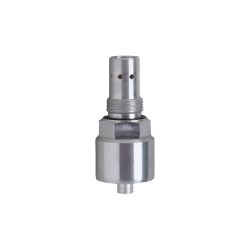 LDH100 \ efector 160 \ Level sensor \ OIL HUMIDITY SENSOR \ DESpecial Price THB 32,475.00 Regular Price THB 43,300.00
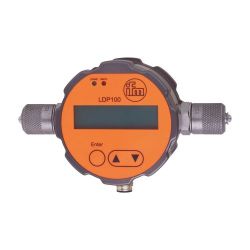 LDP100 \ efector 160 \ Level sensor \ OIL PARTICLE MONITOR \ DESpecial Price THB 114,000.00 Regular Price THB 152,000.00
Delivery: 30 ต.ค. 2569
คำถามที่พบบ่อยเกี่ยวกับ Systems for Oil Quality
1. Systems for Oil Quality คืออะไร?
Systems for Oil Quality คืออุปกรณ์ที่ช่วยติดตามสภาพน้ำมันในเครื่องจักร โดยเลือกตรวจค่าตามหน้าที่ของเซนเซอร์ เช่น ความชื้นหรืออนุภาคปนเปื้อน
2. ทำไมต้องตรวจสอบสภาพน้ำมันหล่อลื่น?
ความชื้นและสิ่งปนเปื้อนในน้ำมันอาจส่งผลต่อการหล่อลื่นและการทำงานของชิ้นส่วน การติดตามค่าจึงช่วยให้ทีมบำรุงรักษาทราบเมื่อควรตรวจสอบระบบเพิ่มเติม
3. LDH100 ใช้ตรวจอะไร?
LDH100 เป็นเซนเซอร์สำหรับติดตามความชื้นในน้ำมัน ควรตรวจข้อมูลจำเพาะของรุ่นเพื่อดูค่าที่แสดง ช่วงการวัด และวิธีติดตั้ง
4. LDP100 ใช้ตรวจอะไร?
LDP100 เป็นอุปกรณ์สำหรับติดตามอนุภาคในน้ำมัน ช่วยให้เห็นแนวโน้มการปนเปื้อนที่ควรนำไปตรวจสอบร่วมกับสภาพเครื่องจักรและระบบกรอง
5. เซนเซอร์วัดความชื้นในน้ำมันตรวจพบอนุภาคด้วยไหม?
ไม่ควรถือว่าเป็นหน้าที่เดียวกัน การวัดความชื้นและการตรวจอนุภาคใช้คนละหลักการ จึงต้องเลือกอุปกรณ์ให้ตรงกับสิ่งที่ต้องการติดตาม
6. Systems for Oil Quality วัดความหนืดและค่าความเป็นกรดได้หรือไม่?
ขึ้นอยู่กับอุปกรณ์ที่ใช้ สำหรับ LDH100 และ LDP100 ในหน้า SCMA ระบุหน้าที่เป็นการตรวจความชื้นและอนุภาค ไม่ควรนำผลจากสองรุ่นนี้ไปแทนการทดสอบความหนืดหรือค่าความเป็นกรด
7. ติดตั้งเซนเซอร์ตรวจสภาพน้ำมันตรงไหน?
ตำแหน่งติดตั้งขึ้นอยู่กับระบบน้ำมันและข้อกำหนดของอุปกรณ์ ควรเลือกจุดที่ให้น้ำมันไหลผ่านตามเงื่อนไขที่ผู้ผลิตระบุ และสะดวกต่อการตรวจสอบบำรุงรักษา
8. ค่าความชื้นหรืออนุภาคที่เพิ่มขึ้นบอกอะไร?
เป็นสัญญาณว่าสภาพน้ำมันอาจเปลี่ยนไป ควรตรวจสอบแนวโน้มร่วมกับชนิดน้ำมัน สภาพเครื่องจักร และผลตรวจอื่นก่อนสรุปสาเหตุ
9. ก่อนเลือกอุปกรณ์ตรวจสภาพน้ำมันต้องดูอะไร?
ควรระบุชนิดน้ำมัน สิ่งที่ต้องการตรวจ ช่วงอุณหภูมิและแรงดัน จุดติดตั้ง รูปแบบสัญญาณขาออก และวิธีนำข้อมูลไปใช้
10. ดูสินค้า Systems for Oil Quality ของ SCMA ได้ที่ไหน?
ดูรุ่น LDH100 และ LDP100 ในหน้า Systems for Oil Quality ของ SCMA แล้วเปรียบเทียบหน้าที่และสเปกของแต่ละรุ่นก่อนเลือกใช้
This website uses cookies
We use cookies to make the site work properly, to understand how it is used, and to show content that is relevant to you. You choose which types to allow; strictly necessary cookies are always on. Privacy Policy
🤖 AI Assistant
Ask about products, specs and replacement models
Hello 👋 Ask us anything — find products, compare specs, or troubleshoot.
🗑 Clear history