
SPECIAL PROMOTION — Up to 40% off across many product groups, until 31 December 2026 · Click to see all promotion itemsIFM, Sensor, Automation SystemMeasuring / Testing InstrumentsTemp Indicator, Control, T/C, RTD, TimerHeater, SCR Control, Solid State, Power Supply, Control CabinetField Measuring Instruments, Pressure Gauge, Level Control, Flow MeasurementEMC, Pneumatic, Solenoid ValveInspection Test Lamp, Head Light, Automotive Measuring InstrumentWeighing Scales, Marking Machine, PrintersEducational Training SystemsHot Line Tools & Equipment SPECIAL PROMOTION — Up to 40% off across many product groups, until 31 December 2026 · Click to see all promotion itemsIFM, Sensor, Automation SystemMeasuring / Testing InstrumentsTemp Indicator, Control, T/C, RTD, TimerHeater, SCR Control, Solid State, Power Supply, Control CabinetField Measuring Instruments, Pressure Gauge, Level Control, Flow MeasurementEMC, Pneumatic, Solenoid ValveInspection Test Lamp, Head Light, Automotive Measuring InstrumentWeighing Scales, Marking Machine, PrintersEducational Training SystemsHot Line Tools & Equipment View promotion items View all
Level sensors
What are Level Sensors?
Level sensors are devices used to measure the height or level of substances inside tanks or natural sources, whether liquids or solids. They can also be used for volume control when installed with a controller.
Types of Level Sensors
- Optical Level Sensors - These use infrared light to measure the quantity inside containers.
- Capacitive Level Sensors - They work by creating an electric field to measure the quantity inside containers.
- Conductive Level Sensors - These are point-level sensors that focus on a specific location.
- Resistive Level Sensors - Depending on the design of the resistor, these can measure both point and continuous levels.
- Vibrating Level Sensors - These are designed for measuring powder or granular materials with vibrating rods that offer versatile use.
- Tuning Fork Level Sensors - Single-piece metal sensors that measure level through vibration frequency.
- Ultrasonic Level Sensors - These use sound waves to measure and display liquid levels, easy to install.
- Microwave and Radar Level Sensors - Both types use electromagnetic energy for measurement, accurately measuring even in high temperatures or multi-layer vapor.
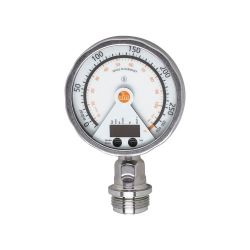 PG2798 \ Pressure Sensor 500 \ Pressure sensor \ PG-,25BREA01-MFRKG/US/ \ P \ DESpecial Price THB 32,700.00 Regular Price THB 43,600.00
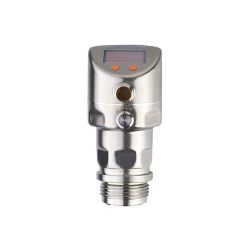 PI2798 \ efector 500 \ Pressure sensor \ PI-,25BREA01-MFRKG/US/ \ P \ DESpecial Price THB 32,400.00 Regular Price THB 43,200.00
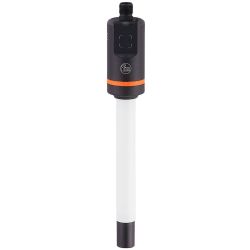 LI5131 \ effector 160 \ Level sensors \ LI0132--K-00KQPKG/US \ ROSpecial Price THB 6,525.00 Regular Price THB 8,700.00
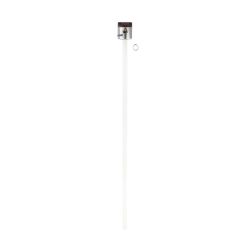 LK8124 \ effector 160 \ Level sensors \ LK0728B-B-00KVPKG/US \ ROSpecial Price THB 22,275.00 Regular Price THB 29,700.00
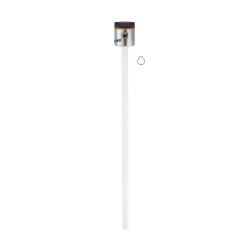 LK8123 \ efector 160 \ Level sensors \ LK0472B-B-00KVPKG/US \ ROSpecial Price THB 20,775.00 Regular Price THB 27,700.00
 LK3124 \ effector 160 \ Level sensors \ LK0728B-B-00KLPKG/US \ ROSpecial Price THB 22,725.00 Regular Price THB 30,300.00
 LK3123 \ efector 160 \ Level sensor \ LK0472B-B-00KLPKG/US \ DESpecial Price THB 21,300.00 Regular Price THB 28,400.00
 LK1024 \ effector 160 \ Level sensors \ LK0728B-B-00KQPKG/US \ ROSpecial Price THB 20,400.00 Regular Price THB 27,200.00
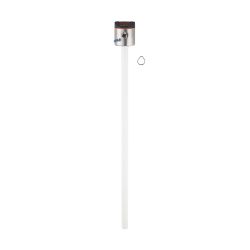 LK7023 \ effector 160 \ Level sensors \ LK0472A-A-00KQPKG/US \ RO \Special Price THB 18,900.00 Regular Price THB 25,200.00
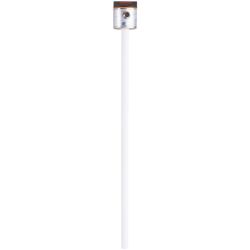 LK1023 \ effector 160 \ Level sensors \ LK0472B-B-00KQPKG/US \ ROSpecial Price THB 18,900.00 Regular Price THB 25,200.00
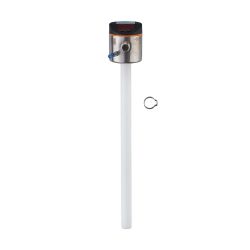 LK1022 \ efector 160 \ Level sensors \ LK0264B-B-00KQPKG/US \ RO \Special Price THB 17,550.00 Regular Price THB 23,400.00
 LK7024 \ effector 160 \ Level sensors \ LK0728A-A-00KQPKG/US \ RO \Special Price THB 20,400.00 Regular Price THB 27,200.00
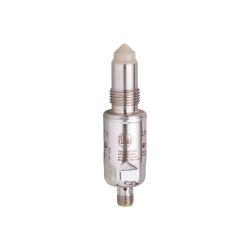 LMT100 \ efector 160 \ Level sensor \ LMACE-A12E/QSKG/0/US \ DESpecial Price THB 9,750.00 Regular Price THB 13,000.00
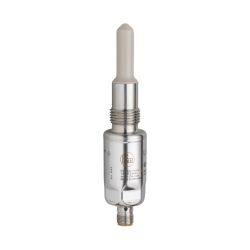 LMT102 \ effector 160 \ Level sensors \ LMCCE-A12E-QSKG-2/US \ DESpecial Price THB 11,025.00 Regular Price THB 14,700.00
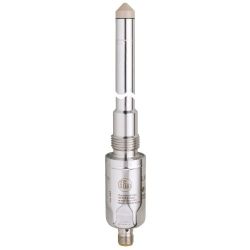 LMT105 \ efector 160 \ Level sensor \ LMECE-A12E-QSKG-2/US \ DESpecial Price THB 12,975.00 Regular Price THB 17,300.00
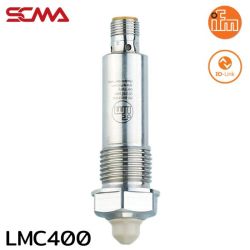 LMC400 \ effector 160 \ Level sensors \ LMGCE-C12E-QSKG-0/US \ DE \Special Price THB 7,425.00 Regular Price THB 9,900.00
Delivery: 30 ต.ค. 2569
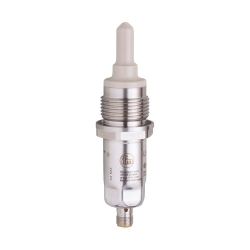 LMT302 \ efector 160 \ Level sensor \ LMCCE-A01E-QSKG-2/US \ DESpecial Price THB 11,100.00 Regular Price THB 14,800.00
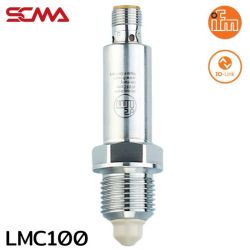 LMC100 \ effector 160 \ Level sensors \ LMFCE-B12E-QSKG-0/US \ DE \Special Price THB 7,425.00 Regular Price THB 9,900.00
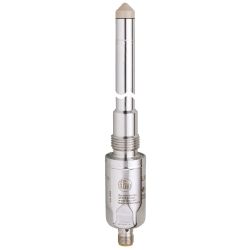 LMT104 \ effector 160 \ Level sensors \ LMDCE-A12E-QSKG-2/US \ DESpecial Price THB 12,750.00 Regular Price THB 17,000.00
 LMT121 \ efector 160 \ Level sensor \ LMACE-A12E-QSKG-2/US \ DESpecial Price THB 10,500.00 Regular Price THB 14,000.00
 LMT01A \ effector 160 \ Level sensors \ LMACE-A12E-QSKG-1/US/3D/3G \ DESpecial Price THB 13,350.00 Regular Price THB 17,800.00
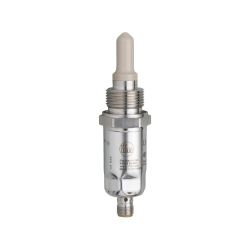 LMT202 \ efector 160 \ Level sensor \ LMBCE-A34E-QSKG-2/US \ DESpecial Price THB 10,800.00 Regular Price THB 14,400.00
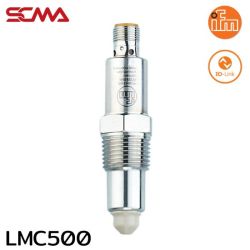 LMC500 \ effector 160 \ Level sensors \ LMFCE-N12E-QSKG-0/US \ DE \Special Price THB 7,425.00 Regular Price THB 9,900.00
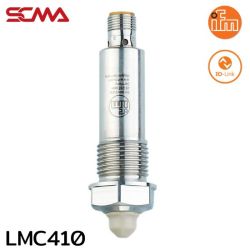 LMC410 \ effector 160 \ Level sensors \ LMGCE-C12E-QSKG-1/US \ DE \Special Price THB 7,425.00 Regular Price THB 9,900.00
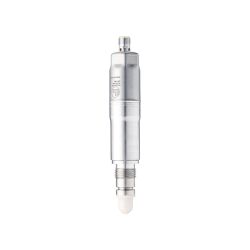 LMH610 \ efcator 160 \ Level sensors \ LMACE-A12K-QSKG-1/US \ DESpecial Price THB 16,650.00 Regular Price THB 22,200.00
Delivery: 30 ต.ค. 2569
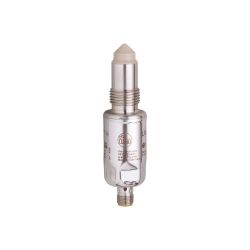 LMT110 \ efector 160 \ Level sensor \ LMACE-A12E/QSKG/1/US \ DESpecial Price THB 9,750.00 Regular Price THB 13,000.00
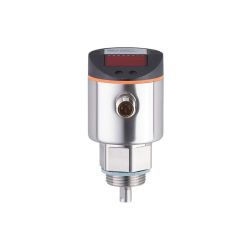 LR3000 efector 160 Level sensor LR0000B-BR34AMPKG/US DESpecial Price THB 19,800.00 Regular Price THB 26,400.00
Delivery: 30 ต.ค. 2569
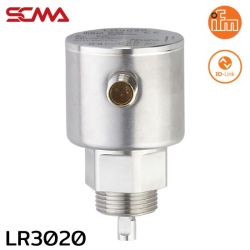 LR3020 \ efector 160 \ Level sensors \ LR0000--BR34AMDKG/US \ ROSpecial Price THB 16,725.00 Regular Price THB 22,300.00
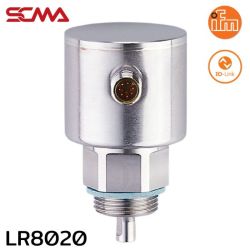 LR8020 \ effector 160 \ Level sensors \ LR0000--BR34ASPKG/US \ RO \Special Price THB 16,350.00 Regular Price THB 21,800.00
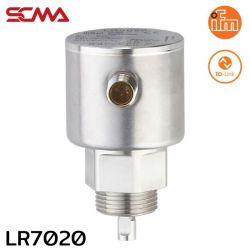 LR7020 \ efector 160 \ Level sensors \ LR0000--BR34AQPKG/US \ ROSpecial Price THB 14,250.00 Regular Price THB 19,000.00
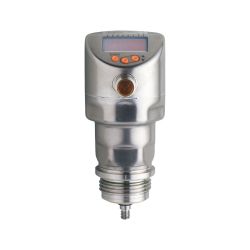 LR2750 \ effector 160 \ Level sensors \ LR0000B-EA01AKSKG/US \ ROSpecial Price THB 39,000.00 Regular Price THB 52,000.00
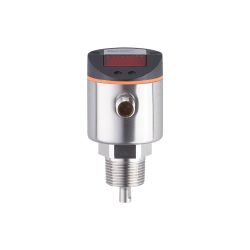 LR8300 \ effector 160 \ Level sensors \ LR0000B-BN34ASPKG/US \ ROSpecial Price THB 19,350.00 Regular Price THB 25,800.00
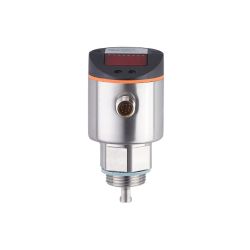 LR8000 \ efcator 160 \ Level sensors \ LR0000B-BR34ASPKG/US \ ROSpecial Price THB 19,350.00 Regular Price THB 25,800.00
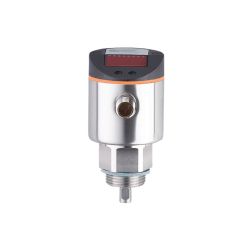 LR7000 \ efcator 160 \ Level sensors \ LR0000B-BR34AQPKG/US \ ROSpecial Price THB 16,725.00 Regular Price THB 22,300.00
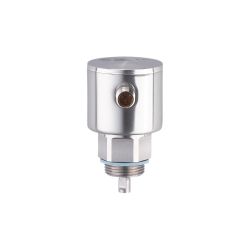 LR9020 \ efector 160 \ Level sensors \ LR0000--BR34A1DKG/US \ ROSpecial Price THB 17,700.00 Regular Price THB 23,600.00
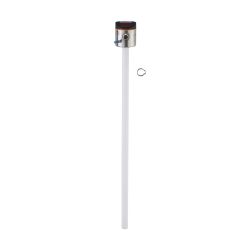 LT3023 \ effector 160 \ Level sensors \ LT0472B-B-00KLPKG/US \ ROSpecial Price THB 22,125.00 Regular Price THB 29,500.00
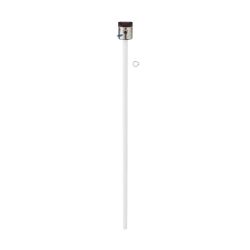 LT8024 \ effector 160 \ Level sensors \ LT0728B-B-00KSPKG/US \ ROSpecial Price THB 23,475.00 Regular Price THB 31,300.00
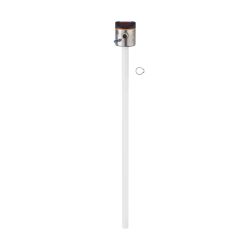 LT8023 \ effector 160 \ Level sensors \ LT0472B-B-00KSPKG/US \ ROSpecial Price THB 22,275.00 Regular Price THB 29,700.00
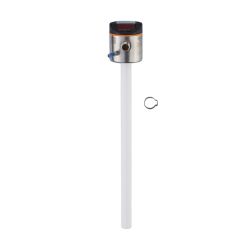 LT8022 \ effector 160 \ Level sensors \ LT0264B-B-00KSPKG/US \ ROSpecial Price THB 21,150.00 Regular Price THB 28,200.00
 E43210 efector 160 Level sensor PROBE L1600 DESpecial Price THB 4,425.00 Regular Price THB 5,900.00
 LW2760 \ effector 160 \ Level sensors \ NON-CONTACT LEVEL TRANSMITTER \ SESpecial Price THB 64,725.00 Regular Price THB 86,300.00
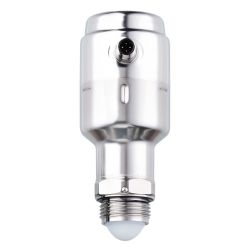 LW2720 \ effector 160 \ Level sensors \ NON-CONTACT LEVEL TRANSMITTER \ SESpecial Price THB 64,425.00 Regular Price THB 85,900.00
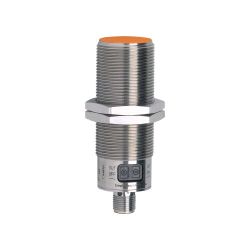 KI5085 \ efector 150 \ Capacitive sensor \ KIA3080BFPKG/2T/US \ DESpecial Price THB 5,550.00 Regular Price THB 7,400.00
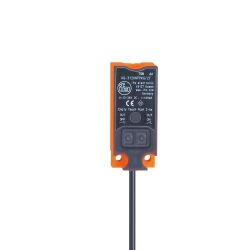 KQ6001 \ efector 150 \ Capacitive sensor \ KQ-3120NFAKG/2T \ DESpecial Price THB 3,525.00 Regular Price THB 4,700.00
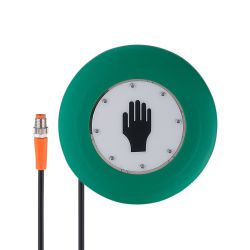 KT5006 \ effector 140 \ Hand sensors \ KTRSHMK-RBPKG/AM/AS/0.3M \ DE \Special Price THB 8,475.00 Regular Price THB 11,300.00
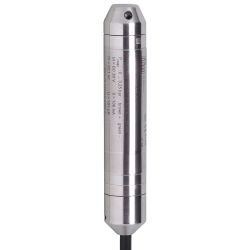 PS307A \ Pressure Sensor 500 \ Pressure sensor \SUBMERSIBLE 0,6BAR 10M FEP CABLE 1G/1D \ DESpecial Price THB 42,450.00 Regular Price THB 56,600.00
Delivery: 30 ต.ค. 2569
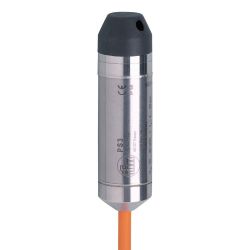 PS3407 efector 500 Pressure sensor PUR CABLE DESpecial Price THB 23,700.00 Regular Price THB 31,600.00
Delivery: 30 ต.ค. 2569
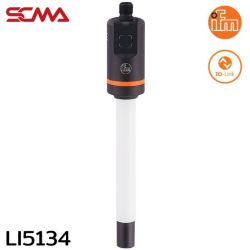 LI5134 \ effector 160 \ Level sensors \ LI0737--K-00KQPKG/US \ RO \Special Price THB 7,650.00 Regular Price THB 10,200.00
Delivery: 30 ต.ค. 2569
What Are Level Sensors? How to Choose One and End Tank Overflow and Pump Failure
What are level sensors? Tank overflow, or a pump running dry until the seal burns out, has a direct effect on the production line. This article looks in depth at how level sensors solve that problem. We explain how a level sensor works, along with techniques for matching the specification of a replacement transmitter or level gauge to the site. If you need to replace a level sensor, send us the details and SCMA will assess and match the model online straight away.
What Are Level Sensors?
Level sensors are electronic devices that detect the level of liquid, powder or plastic pellets inside a tank or silo. They assess the quantity of raw material in real time, and the internal circuit converts the physical value into an electrical signal sent to the PLC board. Understanding that level sensors are the brain of raw material stock management makes the work far easier.
Accurate level monitoring with a level sensor lets engineers keep the production process running continuously. Scrap caused by mixing raw materials incorrectly is detected before the main machine is damaged. Whether you use a level switch or level transmitters, correct signal transmission is the key.
The Difference Between a Level Switch and Level Transmitters
Many engineers are confused when ordering a replacement level sensor. Distinguishing between the measuring formats of a level switch and a transmitter lets the purchasing department order exactly the right specification.
Level Switch
Detects the level at a point (point level), reporting only whether the liquid has reached the set point. The status it outputs is simply on or off. A level switch is widely used to cut the water pump to prevent tank overflow, or to stop the pump running dry.
Level Transmitters
Detect the level continuously. Level transmitters report the liquid level at all times, from the bottom of the tank to the top, sending a standard 4-20 mA or 0-10 V output back to the central control system so that SCADA can plot a level sensor graph in real time.
How Many Types of Level Sensor Are Used in Plants?
Choosing a level sensor must be based on the nature of the chemical on site. Choosing the wrong type will make the PLC read the level sensor value severely differently from reality.
Magnetic Float
Relies on a float rising and falling with the water level, with a reed switch concealed inside the stem. It suits clean water with no sticky sediment. It works like a level switch based on a basic physical mechanism.
Radar Transmitter
Fires a high-frequency wave at the liquid surface which reflects back. It withstands chemical vapour and thick foam on the surface extremely well and needs no direct contact with the liquid. This is the most accurate level transmitter technology available today.
Tuning Fork
Uses the principle of resonant frequency: when liquid or powder covers the fork, the frequency changes and the system switches immediately. It suits plastic pellet silos and acts as a level switch that stands up very well to dust.
Level Gauges
The traditional sight glass fitted to the side of the tank, letting the maintenance technician see the level with the naked eye. Newer versions fit a level sensor over the level gauge so it can send an electrical signal too, combining the old mechanism with a modern transmitter.
Classic On-Site Problems When the Level Sensor Specification Is Wrong
Letting a level sensor work in an unsuitable environment shortens its life. Check these conditions at the machine to keep your level sensor going as long as possible.
- Thick foam on the surface: Tanks mixing shampoo or dishwashing liquid produce a great deal of foam. With an ultrasonic level sensor the waves are absorbed by the foam and an error value is returned; the technician must switch to radar level transmitters instead
- Sticky scale: Glue or syrup with a high viscosity clings to the probe, making a tuning fork level switch latch permanently on. The probe must be removed and cleaned regularly on the PM cycle
- Severe surface turbulence: Tanks with an agitator make the liquid surge heavily, so the output of the transmitter swings. The maintenance team must set a delay time in the controller to solve this
How to Choose a Transmitter and End Downtime
The engineering team must assess the site environment carefully to find replacement level transmitters or a level sensor more durable than the last.
- Temperature and pressure: Check whether the heat in the tank exceeds 100°C and how many bar of pressure build up. The level sensor specification must cover these conditions without the seal failing
- Wetted parts: A sulphuric acid tank requires a PTFE or PVDF plastic probe to resist corrosion. With ordinary stainless steel the level sensor will be eaten through within a few weeks
- Output signal: Check whether the control cabinet's receiving board supports IO-Link or the 4-20 mA current of the transmitter. Communicating over IO-Link allows far deeper data to be pulled into a proactive maintenance system
Summary
Level sensors are a vital line of defence protecting the pump, tank and silo systems in a plant. Understanding the differences between the measuring technologies — transmitter, level switch or level gauge — lets the purchasing team choose exactly the right level sensor specification. Using a standard brand of level sensor such as ifm decisively reduces unplanned downtime, because we know well what level sensors are: the heart of fluid control. If your maintenance department has a headache with level transmitters failing often, send a photo of the site to SCMA for assessment. We offer an online engineering consultation service and will match the specification quickly, with no waiting for a technician to visit.
Frequently Asked Questions
Can a tuning fork level switch measure every kind of liquid?
It works with almost every liquid. The only caution is a liquid so thick and sticky that it clings to the fork and will not fall away. In that condition the level switch circuit latches, so the pump will not switch off. This point must be watched carefully when choosing a level sensor.
What is the maximum distance a 4-20 mA signal can travel?
The 4-20 mA current from level transmitters is designed to resist electrical interference, so a level sensor cable can be run from an oil tank to the control cabinet over hundreds of metres without the value dropping. It suits large plants covering a wide area.
The original part is discontinued and unobtainable — what should I do?
Tell the SCMA engineers the tank depth, the type of liquid and the transmitter output signal type, and we will help. We can find an equivalent European-brand level sensor specification and advise on the wiring online straight away — no need to worry even if you are still using an old level gauge.
Looking for “Level Sensors”? Think of SCMA!
Choosing durable level transmitters or a level sensor is how you put an end to production line stoppages. SCMA is ready to serve and supply the level sensor solution that meets your plant's needs, with a deep understanding of what level sensors are. Although we work as a fully online service, we make up for it with professional speed in matching an emergency transmitter or level switch specification. Just send us the nameplate details of your existing level sensor, or a photo of the level gauge on site, and our engineering team will assess the specification and propose an engineering-sound solution immediately!
This website uses cookies
We use cookies to make the site work properly, to understand how it is used, and to show content that is relevant to you. You choose which types to allow; strictly necessary cookies are always on. Privacy Policy
🤖 AI Assistant
Ask about products, specs and replacement models
Hello 👋 Ask us anything — find products, compare specs, or troubleshoot.
🗑 Clear history