
SPECIAL PROMOTION — Up to 40% off across many product groups, until 31 December 2026 · Click to see all promotion itemsIFM, Sensor, Automation SystemMeasuring / Testing InstrumentsTemp Indicator, Control, T/C, RTD, TimerHeater, SCR Control, Solid State, Power Supply, Control CabinetField Measuring Instruments, Pressure Gauge, Level Control, Flow MeasurementEMC, Pneumatic, Solenoid ValveInspection Test Lamp, Head Light, Automotive Measuring InstrumentWeighing Scales, Marking Machine, PrintersEducational Training SystemsHot Line Tools & Equipment SPECIAL PROMOTION — Up to 40% off across many product groups, until 31 December 2026 · Click to see all promotion itemsIFM, Sensor, Automation SystemMeasuring / Testing InstrumentsTemp Indicator, Control, T/C, RTD, TimerHeater, SCR Control, Solid State, Power Supply, Control CabinetField Measuring Instruments, Pressure Gauge, Level Control, Flow MeasurementEMC, Pneumatic, Solenoid ValveInspection Test Lamp, Head Light, Automotive Measuring InstrumentWeighing Scales, Marking Machine, PrintersEducational Training SystemsHot Line Tools & Equipment View promotion items View all
Inclination sensors
Inclination sensors are what?
Inclination sensors are devices used to measure tilt. They are important tools for detecting the tilting of objects in various directions, with applications across industries, automotive, and various electronic devices. The operation of these sensors can control and adjust the movement of machinery and equipment to ensure accuracy and safety.
Types of Inclination Sensors
- Capacitive tilt sensor uses changes in electrical capacitance caused by the movement of a ball or liquid inside. When the sensor tilts, its capacitance changes and can be used to calculate the angle of tilt.
- Resistive tilt sensor uses changes in electrical resistance caused by the movement of an object within the sensor. As the tilt angle changes, so does the electrical resistance, allowing for measurement of the tilt angle.
- MEMS (Micro-Electro-Mechanical Systems) Tilt Sensor uses technology that includes small components moving inside the sensor to measure tilt. These are often used in portable devices or systems requiring compact size and high accuracy.
- Analog and Digital Tilt Sensors - Analog tilt sensors output signals that vary with the angle of tilt, while digital tilt sensors provide digital data on the angle of tilt for easy processing.
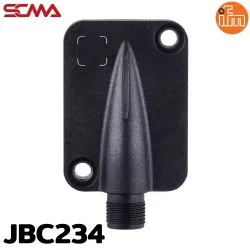 JBC234 – ifm Dynamic Inclination SensorPrice on request – please contact us
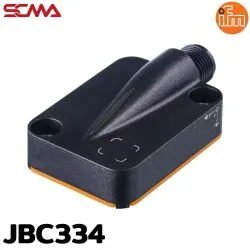 JBC334 – ifm Dynamic Inclination SensorPrice on request – please contact us
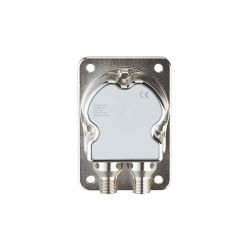 JN2200 \ efector 410 \ Inclination sensors \ INC-M2M360ABIAKG/US \ DESpecial Price THB 18,750.00 Regular Price THB 25,000.00
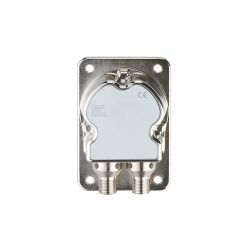 JN2201 \ efector 410 \ Inclination sensors \ INC-M2M090ABIAKG/US \ DESpecial Price THB 20,850.00 Regular Price THB 27,800.00
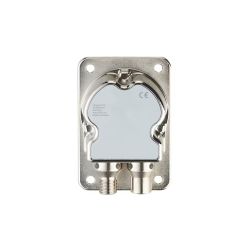 JN2101 \ efector 410 \ Inclination sensors \ INC-M2M090C -KG/US \ DE \Special Price THB 25,200.00 Regular Price THB 33,600.00
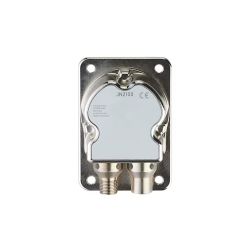 JN2100 \ efector 410 \ Inclination sensors \ INC-M2M360C -KG/US \ DE \Special Price THB 21,825.00 Regular Price THB 29,100.00
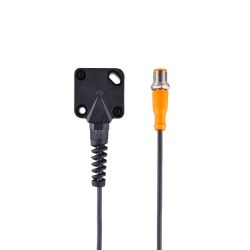 EC2060 \ efector 410 \ Inclination sensors \ R360/INCLINOMETER/4-20mA \ DESpecial Price THB 14,100.00 Regular Price THB 18,800.00
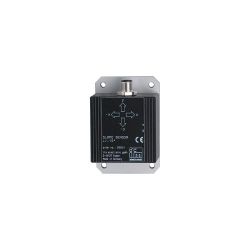 CR2102 ecomat 100 R360 R360/INCLINATION SENSOR/CAN DESpecial Price THB 34,050.00 Regular Price THB 45,400.00
Delivery: 25 Dec 2026
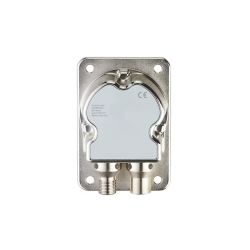 JN2300 \ efector 410 \ Inclination sensors \ INC-M2M360J-KG/US \ DE \Special Price THB 21,750.00 Regular Price THB 29,000.00
Delivery: 25 Dec 2026
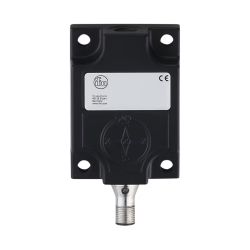 JD2310 \ efector 410 \ Inclination sensors \ INC-M2M180J-1-KG/US-H \ DE \Special Price THB 33,300.00 Regular Price THB 44,400.00
Delivery: 25 Dec 2026
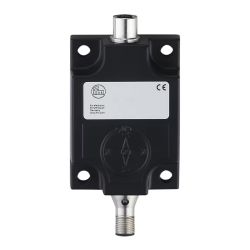 JD2120 \ efector 410 \ Inclination sensors \ INC-M2M180C-2-KG/US-H \ PL \Special Price THB 34,800.00 Regular Price THB 46,400.00
Delivery: 25 Dec 2026
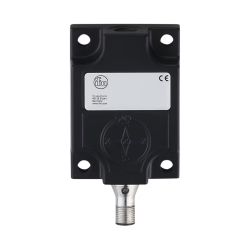 JD2110 \ efector 410 \ Inclination sensors \ INC-M2M180C-1-KG/US-H \ PL \Special Price THB 33,675.00 Regular Price THB 44,900.00
Delivery: 25 Dec 2026
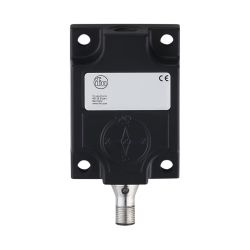 JD1311 \ efector 410 \ Inclination sensors \ INC-M1M360J-1-KG/US-V \ PL \Special Price THB 33,300.00 Regular Price THB 44,400.00
Delivery: 25 Dec 2026
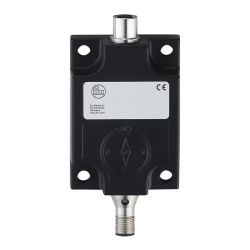 JD1121 \ efector 410 \ Inclination sensors \ INC-M1M360C-2-KG/US-V \ PL \Special Price THB 34,800.00 Regular Price THB 46,400.00
Delivery: 25 Dec 2026
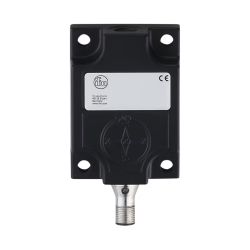 JD1111 \ efector 410 \ Inclination sensors \ INC-M1M360C-1-KG/US-V \ PL \Special Price THB 33,675.00 Regular Price THB 44,900.00
Delivery: 25 Dec 2026
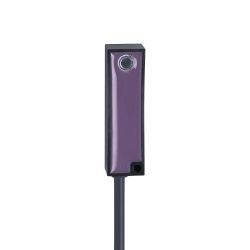 EC2061 \ ecomat 100 \ R360 (INCLINATION SWITCH) \ R360/INCLINATION SWITCH \ DESpecial Price THB 3,975.00 Regular Price THB 5,300.00
Delivery: 25 Dec 2026
01Inclination Sensor คืออะไร?
Inclination Sensor คือเซนเซอร์วัดมุมเอียงของวัตถุหรือเครื่องจักรเทียบกับแนวแรงโน้มถ่วง ใช้ตรวจสอบระดับ มุมเอียง และตำแหน่งเชิงมุมของชิ้นส่วน เช่น งารถยกหรือแขนรถขุด
02Inclination Sensor ทำงานอย่างไร?
เซนเซอร์แบบ MEMS ใช้ตัววัดความเร่งอ่านองค์ประกอบของแรงโน้มถ่วงแล้วคำนวณมุมเอียง ส่วนรุ่น Dynamic อย่าง JBC334 ใช้ข้อมูลจากไจโรสโคปร่วมด้วย เพื่อช่วยแยกผลจากการเคลื่อนที่ออกจากความเอียงที่ต้องการวัด
03เซนเซอร์วัดความเอียงใช้ตรวจสอบอะไรบนรถยก?
ใช้ตรวจมุมของงาและเสายกขณะทำงาน ข้อมูลมุมช่วยให้ผู้ขับหรือระบบควบคุมจัดแนวงานให้เหมาะกับการยกและวางสินค้า
04นอกจากรถยกแล้ว ใช้กับเครื่องจักรอะไรได้บ้าง?
แคตตาล็อก SCMA หน้า 76 ยกตัวอย่างรถขุดขนาดเล็กสำหรับตรวจตำแหน่งห้องโดยสาร และแท่นยกบุคคลสำหรับตรวจหรือปรับระดับแท่นขณะใช้งาน
05เซนเซอร์รุ่น JBC334 ในแคตตาล็อก SCMA คืออะไร?
JBC334 เป็นเซนเซอร์วัดความเอียงแบบ Dynamic ของ ifm สำหรับติดตั้งแนวนอน วัดมุมเอียงได้ 2 แกนตามตำแหน่งติดตั้ง รองรับ IO-Link และมีเอาต์พุตสวิตช์ 2 ช่อง
06Inclination Sensor แบบ Static และ Dynamic ต่างกันอย่างไร?
แบบ Static เหมาะกับการตรวจระดับหรือมุมขณะเครื่องหยุดนิ่งหรือมีแรงเร่งน้อย แบบ Dynamic เหมาะกับงานที่ต้องอ่านค่าระหว่างเคลื่อนที่ เช่น รถยกที่กำลังวิ่งหรือเครื่องจักรที่มีแรงเร่งระหว่างทำงาน
07IO-Link ช่วยอะไรกับเซนเซอร์ JBC334?
IO-Link ใช้ส่งค่าที่วัดได้และตั้งค่าพารามิเตอร์ของเซนเซอร์ผ่าน IO-Link Master เช่น ตำแหน่งติดตั้ง ตัวกรองสัญญาณ และจุดสวิตช์ ตามฟังก์ชันที่รุ่นรองรับ
08JBC334 ออกแบบให้ติดตั้งแบบไหน?
ตำแหน่งติดตั้งอ้างอิงของ JBC334 เป็นแนวนอน และรุ่นนี้ปรับแนวอ้างอิงผ่านอินเทอร์เฟซได้ ควรตรวจการตั้งค่าแกนวัดให้ตรงกับมุมก้ม–เงยและมุมเอียงด้านข้างที่ต้องการ
09ตั้งจุดศูนย์ของ JBC334 ได้อย่างไร?
จัดชิ้นส่วนให้อยู่ในตำแหน่งอ้างอิงที่ต้องการให้เป็น 0° แล้วตั้งจุดศูนย์ตามคู่มือ ifm ผ่านฟังก์ชัน Teach หรือผ่าน IO-Link จากนั้นทดสอบว่ามุมที่อ่านได้เปลี่ยนไปในทิศทางที่ต้องการ
10ควรเลือกเซนเซอร์วัดความเอียงอย่างไรให้เหมาะกับงาน?
เริ่มจากระบุว่าจะวัดขณะหยุดนิ่งหรือเคลื่อนที่ ต้องวัดกี่แกนและช่วงมุมเท่าใด จากนั้นตรวจทิศติดตั้ง สัญญาณที่ระบบควบคุมรองรับ และสภาพแวดล้อม เช่น ฝุ่น น้ำ และการล้างเครื่องจักร
This website uses cookies
We use cookies to make the site work properly, to understand how it is used, and to show content that is relevant to you. You choose which types to allow; strictly necessary cookies are always on. Privacy Policy
🤖 AI Assistant
Ask about products, specs and replacement models
Hello 👋 Ask us anything — find products, compare specs, or troubleshoot.
🗑 Clear history