
SPECIAL PROMOTION — Up to 40% off across many product groups, until 31 December 2026 · Click to see all promotion itemsIFM, Sensor, Automation SystemMeasuring / Testing InstrumentsTemp Indicator, Control, T/C, RTD, TimerHeater, SCR Control, Solid State, Power Supply, Control CabinetField Measuring Instruments, Pressure Gauge, Level Control, Flow MeasurementEMC, Pneumatic, Solenoid ValveInspection Test Lamp, Head Light, Automotive Measuring InstrumentWeighing Scales, Marking Machine, PrintersEducational Training SystemsHot Line Tools & Equipment SPECIAL PROMOTION — Up to 40% off across many product groups, until 31 December 2026 · Click to see all promotion itemsIFM, Sensor, Automation SystemMeasuring / Testing InstrumentsTemp Indicator, Control, T/C, RTD, TimerHeater, SCR Control, Solid State, Power Supply, Control CabinetField Measuring Instruments, Pressure Gauge, Level Control, Flow MeasurementEMC, Pneumatic, Solenoid ValveInspection Test Lamp, Head Light, Automotive Measuring InstrumentWeighing Scales, Marking Machine, PrintersEducational Training SystemsHot Line Tools & Equipment View promotion items View all
Programmable Logic Controller
Programmable Logic Controller (PLC)
PLC, or Programmable Logic Controller, is a smart controller that helps manage machinery and production processes in industrial factories with precision and efficiency. With the ability to receive data, process it, and control various devices through specially designed programs, Programmable Logic Controllers have become the heart of modern industrial automation systems.
Examples of Using Programmable Logic Controller (PLC)
- Controlling conveyor belts by receiving signals from sensors and instructing the belt to operate when products are present
- Automatically opening and closing valves using signals from level sensors to control valve operation
- Sequencing machine operations such as packaging, drilling or cutting parts
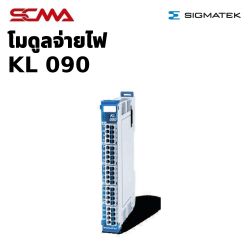 KL 090 S-DIAS Power Supply Module SIGMATEKSpecial Price THB 1,425.00 Regular Price THB 1,900.00
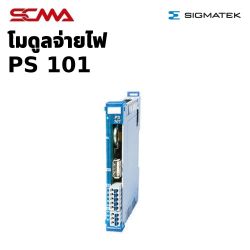 PS 101 S-DIAS Power Supply Module SIGMATEKSpecial Price THB 3,900.00 Regular Price THB 5,200.00
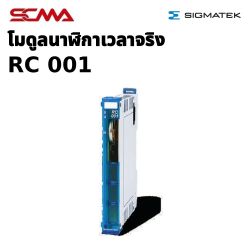 RC 001 S-DIAS Real Time Clock Module SIGMATEKSpecial Price THB 4,350.00 Regular Price THB 5,800.00
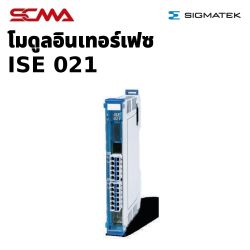 ISE 021 S-DIAS Interface Module SIGMATEKSpecial Price THB 5,850.00 Regular Price THB 7,800.00
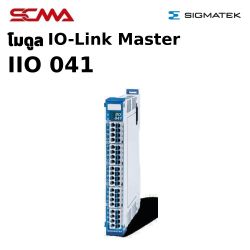 IO 041 S-DIAS SDCI Master Module SIGMATEKSpecial Price THB 11,925.00 Regular Price THB 15,900.00
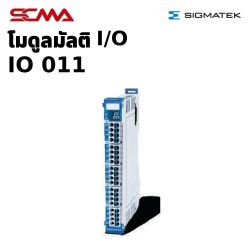 IO 011 S-DIAS Multi I/O Module SIGMATEKSpecial Price THB 9,750.00 Regular Price THB 13,000.00
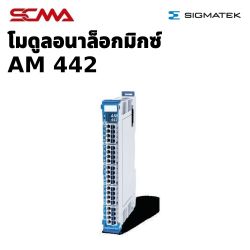 AM 442 S-DIAS Analog Mix Module SIGMATEKSpecial Price THB 11,325.00 Regular Price THB 15,100.00
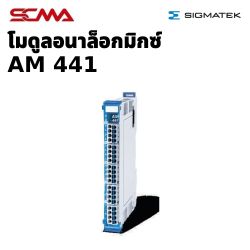 AM 441 S-DIAS Analog Mix Module SIGMATEKSpecial Price THB 9,300.00 Regular Price THB 12,400.00
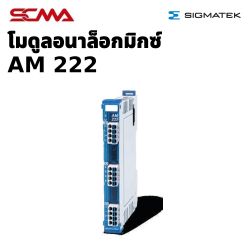 AM 222 S-DIAS Analog Mix Module SIGMATEKSpecial Price THB 9,142.50 Regular Price THB 12,190.00
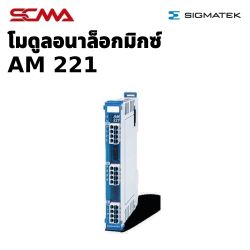 AM 221 S-DIAS Analog Mix Module SIGMATEKSpecial Price THB 12,150.00 Regular Price THB 16,200.00
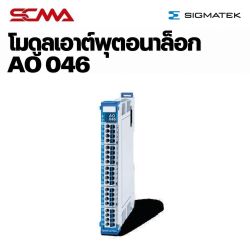 AO 046 S-DIAS Analog Output Module SIGMATEKSpecial Price THB 21,300.00 Regular Price THB 28,400.00
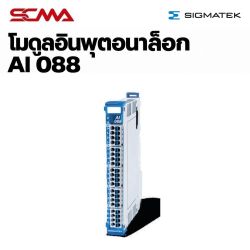 AI 088 S-DIAS Analog Input Module SIGMATEKSpecial Price THB 24,450.00 Regular Price THB 32,600.00
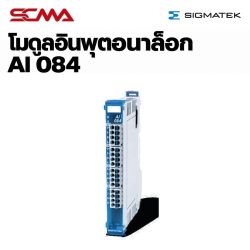 AI 084 S-DIAS Analog Input Module SIGMATEKSpecial Price THB 9,675.00 Regular Price THB 12,900.00
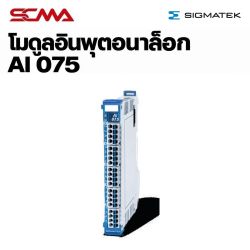 AI 075 S-DIAS Analog Input Module SIGMATEKSpecial Price THB 9,525.00 Regular Price THB 12,700.00
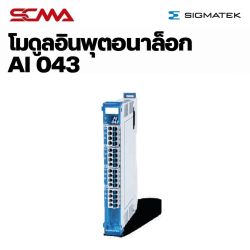 AI 043 S-DIAS Analog Input Module SIGMATEKSpecial Price THB 10,102.50 Regular Price THB 13,470.00
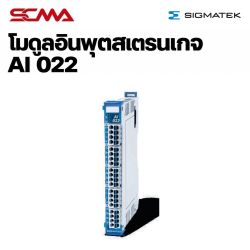 AI 022 S-DIAS Strain Gauge Input Module SIGMATEKSpecial Price THB 12,600.00 Regular Price THB 16,800.00
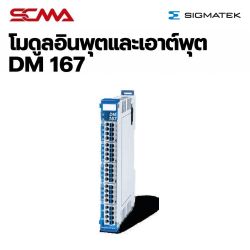 DM 167 S-DIAS Digital Mix Module SIGMATEKSpecial Price THB 7,650.00 Regular Price THB 10,200.00
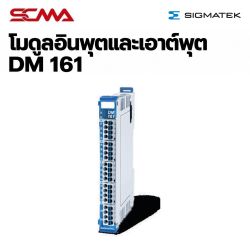 DM 161 S-DIAS Digital Mix Module SIGMATEKSpecial Price THB 4,425.00 Regular Price THB 5,900.00
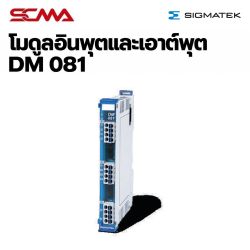 DM 081 S-DIAS Digital Mix Module SIGMATEKSpecial Price THB 6,172.50 Regular Price THB 8,230.00
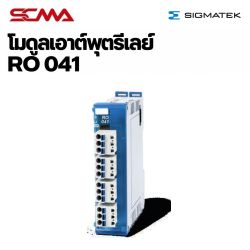 RO 041 S-DIAS Digital Relay Output Module SIGMATEKSpecial Price THB 4,417.50 Regular Price THB 5,890.00
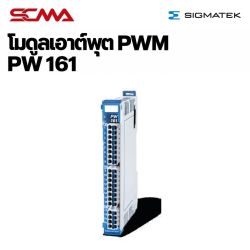 PW 161 S-DIAS Pulse Width Module SIGMATEKSpecial Price THB 13,125.00 Regular Price THB 17,500.00
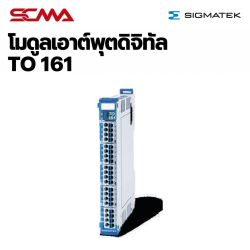 TO 161 S-DIAS Digital Output Module SIGMATEKSpecial Price THB 9,472.50 Regular Price THB 12,630.00
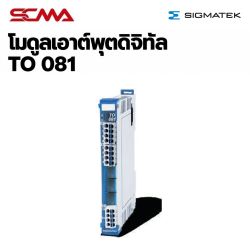 TO 081 S-DIAS Digital Output Module SIGMATEKSpecial Price THB 3,975.00 Regular Price THB 5,300.00
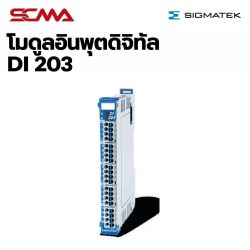 DI 203 S-DIAS Digital Input Module SIGMATEKSpecial Price THB 3,375.00 Regular Price THB 4,500.00
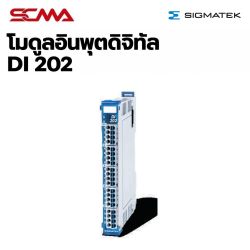 DI 202 S-DIAS Digital Input with Counter Function Module SIGMATEKSpecial Price THB 4,050.00 Regular Price THB 5,400.00
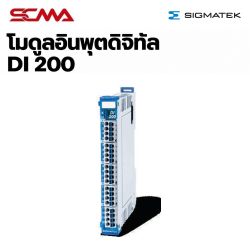 DI 200 S-DIAS Digital Input Module SIGMATEKSpecial Price THB 3,990.00 Regular Price THB 5,320.00
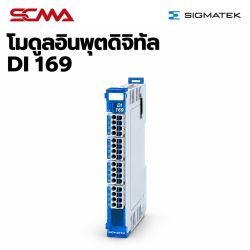 DI 169 S-DIAS Digital Input with Counter Function Module SIGMATEKSpecial Price THB 5,775.00 Regular Price THB 7,700.00
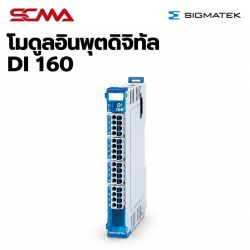 DI 160 S-DIAS Digital Input Module SIGMATEKSpecial Price THB 3,547.50 Regular Price THB 4,730.00
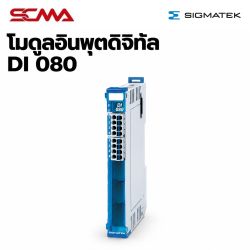 DI 080 S-DIAS Digital Input Module SIGMATEKSpecial Price THB 2,400.00 Regular Price THB 3,200.00
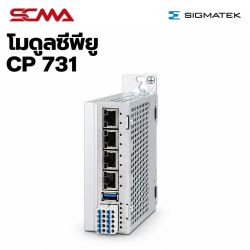 CP 731 CPU Module SIGMATEKSpecial Price THB 89,700.00 Regular Price THB 119,600.00
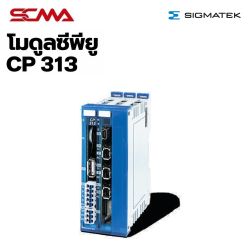 CP 313 CPU Module SIGMATEKSpecial Price THB 39,225.00 Regular Price THB 52,300.00
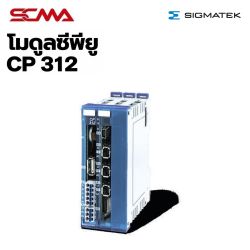 CP 312 CPU Module SIGMATEKSpecial Price THB 36,525.00 Regular Price THB 48,700.00
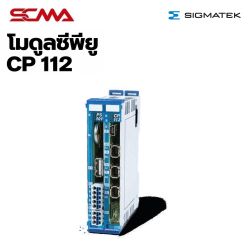 CP 112 CPU Module SIGMATEKSpecial Price THB 27,450.00 Regular Price THB 36,600.00
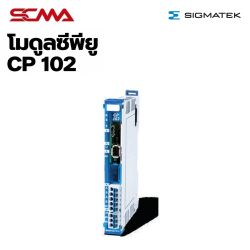 CP 102 CPU Module SIGMATEKSpecial Price THB 16,725.00 Regular Price THB 22,300.00
What is a PLC?
A Programmable Logic Controller (PLC) is a specialized computer designed specifically for industrial control applications. It contains a microprocessor as the main brain for processing and controlling operations. A PLC works by receiving signals from sensors or input devices, processing them according to pre-programmed instructions, and sending signals to control output devices such as motors, valves, or various signal lights. In the past, machine control often relied on relay systems that required wiring (Hard-Wired), which was complex and difficult to modify. However, using a Programmable Logic Controller allows us to change operations simply by modifying the program without rewiring, saving both time and costs.
Main Components of PLC
A Programmable Logic Controller system consists of several important components that work together in an integrated manner. Each component has a specific role to ensure efficient control:
- Central Processing Unit (CPU) - The brain of the system responsible for processing commands according to the program.
- Power Supply - Provides power to the entire PLC system.
- Input Modules - Receive signals from sensors and various devices.
- Output Modules - Send control signals to external devices.
- Memory - Records programs and operational data.
- Communication Ports - Used to connect with external devices such as HMIs or computers.
- Programming Device - Used for entering the program into the PLC system.
How a PLC Works
A Programmable Logic Controller operates in continuous cycles (Scan Cycle) according to clear steps to receive data, process it, and control various devices accurately:
- Receive Input Signals - Read values from external devices such as switches, sensors, buttons.
- Process - Use the programmed instructions to check conditions and calculate responses.
- Send Output Signals - Control various devices such as motors, valves, or signal lights.
Types and Functions of Output Modules
The output modules play a crucial role in controlling external devices of the Programmable Logic Controller system by following commands from the CPU. There are two main types to choose from to meet different needs:
Relay Output Module
This module uses relays as connectors and controllers for external devices, suitable for applications requiring durability and high current handling. However, it may have a limited lifespan due to moving parts.
Solid State Output Module
Uses electronic components like transistors or triacs for control, offering fast response times and no wear-prone moving parts, thus having a longer lifespan. Suitable for applications requiring high speed and switching frequency in Programmable Logic Controller systems.
Types and Capabilities of PLCs
Programmable Logic Controllers come in various types to suit different needs, ranging from small units for single machines to large-scale systems for factory-wide control:
All-in-One PLC
Combines the Programmable Logic Controller system with an integrated HMI display. This reduces wiring and saves installation space, ideal for smaller to medium-sized systems requiring ease of use.
Modular PLC
Designed to allow adding or removing modules as needed, offering high flexibility and scalability for future expansion. Suitable for factories planning production expansions or frequent process changes.
Programming Languages Used in PLCs
The programming of Programmable Logic Controllers can be done in several formats according to the IEC 61131-3 standard, which defines primary languages to choose from based on preference and job requirements:
- Ladder Diagram (LD) - A basic language that mimics relay circuits, easy for those with electrical backgrounds. Most commonly used.
- Function Block Diagram (FBD) - Uses function blocks to create programs, suitable for complex calculations.
- Structured Text (ST) - Similar to C programming in computers, suitable for high flexibility requirements.
- Instruction List (IL) - A low-level language similar to assembly.
- Sequential Function Chart (SFC) - Suitable for jobs with clear step sequences.
Applications of PLCs in Various Industries
The Programmable Logic Controller system can be applied across various industries to automate and enhance process efficiency:
- Automotive Industry - Controls assembly lines and testing systems.
- Food and Beverage Industry - Controls production and packaging processes.
- Water Treatment Systems - Controls pumps and filtration systems.
- Energy Industry - Controls power distribution and energy generation systems.
- General Manufacturing - Controls machines and automated production lines.
- Movement and Transport Systems - Controls conveyor belts and automatic storage systems.
- Sophisticated Building Control Systems - Controls electrical, lighting, and temperature systems.
Considerations for Installing PLCs
Correct installation of a Programmable Logic Controller system extends its lifespan and enhances performance. Users should consider the following key factors:
- Environment - Avoid areas with high humidity, dust, or temperatures above 55°C.
- Control Cabinet - Should be adequately sized, well-ventilated, and capable of preventing dust and moisture.
- Distance - Install at least 8 inches away from heat sources and high-voltage electrical equipment.
- Grounding - Must have an effective grounding system to prevent surges.
- Expansion Space - Reserve space for future system expansion.
- Accessibility - Install in easily accessible positions for maintenance.
Comprehensive PLC Services by SCMA Experts
At SCMA, we have a team of expert engineers ready to provide comprehensive services for Programmable Logic Controller systems. From consultation and control system design to selecting appropriate equipment, installation, and maintenance, we partner with leading global brands to offer tailored solutions that meet your business needs, whether it's small-scale or full-factory automation systems.
Summary
A Programmable Logic Controller is the heart of modern industrial automation systems, enabling precise, efficient, and flexible control over machinery and production processes. Choosing an appropriate PLC based on requirements, along with proper installation and programming, can elevate productivity and reduce long-term costs. SCMA stands ready to be your partner at every step in implementing a Programmable Logic Controller system in your business, with decades of experience in the industry ensuring confidence and success as you move towards Industry 4.0.
Frequently Asked Questions
What is the difference between PLC and PAC?
A PAC (Programmable Automation Controller) is an advanced version of a Programmable Logic Controller with higher processing capabilities, more complex network connectivity support, and often used in systems requiring large data processing or multi-level device communication.
How to choose the right size of PLC for your work?
Selecting a Programmable Logic Controller should consider the number of inputs and outputs needed, processing speed, future system expansion capabilities, and budget. SCMA's expert team is ready to provide advice to ensure you get a suitable PLC that meets your needs and provides good value.
How much programming knowledge is required for using PLCs?
No advanced programming knowledge is necessary as Programmable Logic Controllers are designed for ease of use, especially with Ladder Logic programming similar to electrical circuits. This makes it easy for technical staff and electrical engineers to learn. SCMA also offers training services to ensure your team can effectively utilize the system.
This website uses cookies
We use cookies to make the site work properly, to understand how it is used, and to show content that is relevant to you. You choose which types to allow; strictly necessary cookies are always on. Privacy Policy
🤖 AI Assistant
Ask about products, specs and replacement models
Hello 👋 Ask us anything — find products, compare specs, or troubleshoot.
🗑 Clear history