
SPECIAL PROMOTION — Up to 40% off across many product groups, until 31 December 2026 · Click to see all promotion itemsIFM, Sensor, Automation SystemMeasuring / Testing InstrumentsTemp Indicator, Control, T/C, RTD, TimerHeater, SCR Control, Solid State, Power Supply, Control CabinetField Measuring Instruments, Pressure Gauge, Level Control, Flow MeasurementEMC, Pneumatic, Solenoid ValveInspection Test Lamp, Head Light, Automotive Measuring InstrumentWeighing Scales, Marking Machine, PrintersEducational Training SystemsHot Line Tools & Equipment SPECIAL PROMOTION — Up to 40% off across many product groups, until 31 December 2026 · Click to see all promotion itemsIFM, Sensor, Automation SystemMeasuring / Testing InstrumentsTemp Indicator, Control, T/C, RTD, TimerHeater, SCR Control, Solid State, Power Supply, Control CabinetField Measuring Instruments, Pressure Gauge, Level Control, Flow MeasurementEMC, Pneumatic, Solenoid ValveInspection Test Lamp, Head Light, Automotive Measuring InstrumentWeighing Scales, Marking Machine, PrintersEducational Training SystemsHot Line Tools & Equipment View promotion items View all
Inclination sensors
Inclination sensors are what?
SCMA has been officially appointed as the sole authorized distributor of ifm in Thailand.
Inclination sensors are devices used to measure tilt, serving as an important tool for detecting the tilting direction of objects. They have a wide range of applications across industries, automotive, and various electronic equipment. The operation of these sensors can control and adjust the movement of machinery and devices to ensure accuracy and safety.
Types of Inclination Sensors
- Capacitive tilt sensor - uses changes in electrical capacitance caused by the movement of a ball or liquid inside the sensor. When tilted, the capacitance changes and can be used to calculate the angle.
- Resistive tilt sensor - utilizes changes in electrical resistance due to internal object movement within the sensor. As the tilt angle changes, so does the resistance, allowing for angle measurement.
- MEMS (Micro-Electro-Mechanical Systems) Tilt Sensor - sensors equipped with small moving components inside to measure tilting, commonly used in portable devices or systems requiring compact size and high accuracy.
- Analog and Digital Tilt Sensors - analog tilt sensors output signals that vary according to the angle of tilt, while digital tilt sensors provide digitally processed data on the angle for easier processing.
Why Choose ifm Inclination Sensors?
ifm electronic is a global brand specializing in the production and distribution of sensors for industrial automation systems. Their high-quality products and advanced technology contribute to efficient and reliable smart factory production. The sensors themselves feature IO-Link, a crucial component in developing intelligent industries. This technology enhances production efficiency, reduces errors, and improves process control accuracy, ensuring excellent product quality.
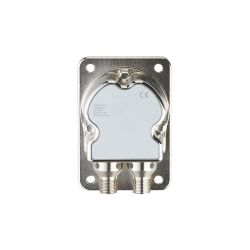 JN2200 \ effector 410 \ Inclination sensors \ INC-M2M360ABIAKG/US \ DESpecial Price THB 18,750.00 Regular Price THB 25,000.00
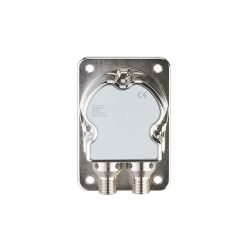 JN2201 \ effector 410 \ Inclination sensors \ INC-M2M090ABIAKG/US \ DESpecial Price THB 20,850.00 Regular Price THB 27,800.00
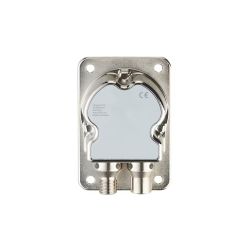 JN2101 \ effector 410 \ Inclination sensors \ INC-M2M090C -KG/US \ DE \Special Price THB 25,200.00 Regular Price THB 33,600.00
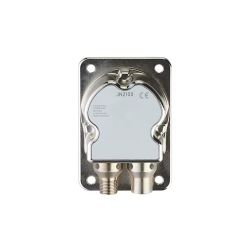 JN2100 \ effector 410 \ Inclination sensors \ INC-M2M360C -KG/US \ DE \Special Price THB 21,825.00 Regular Price THB 29,100.00
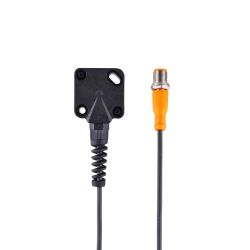 EC2060 \ efector 410 \ Inclination sensors \ R360/INCLINOMETER/4-20mA \ DESpecial Price THB 14,100.00 Regular Price THB 18,800.00
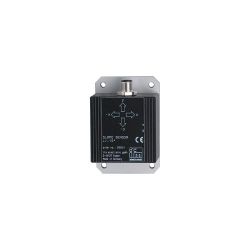 CR2102 ecomat 100 R360 R360/INCLINATION SENSOR/CAN DESpecial Price THB 34,050.00 Regular Price THB 45,400.00
Delivery: 30 ต.ค. 2569
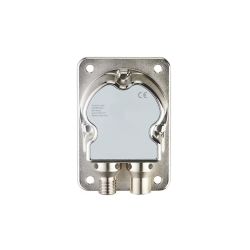 JN2300 \ effector 410 \ Inclination sensors \ INC-M2M360J-KG/US \ DE \Special Price THB 21,750.00 Regular Price THB 29,000.00
Delivery: 30 ต.ค. 2569
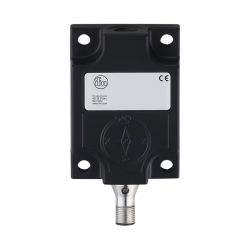 JD2310 \ ector 410 \ Inclination sensors \ INC-M2M180J-1-KG/US-H \ DESpecial Price THB 33,300.00 Regular Price THB 44,400.00
Delivery: 30 ต.ค. 2569
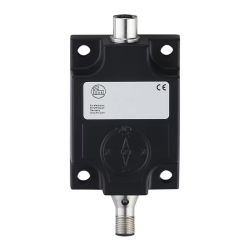 JD2120 \ efector 410 \ Inclination sensors \ INC-M2M180C-2-KG/US-H \ PLSpecial Price THB 34,800.00 Regular Price THB 46,400.00
Delivery: 30 ต.ค. 2569
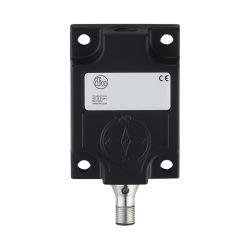 JD2110 \ efcator 410 \ Inclination sensors \ INC-M2M180C-1-KG/US-H \ PLSpecial Price THB 33,675.00 Regular Price THB 44,900.00
Delivery: 30 ต.ค. 2569
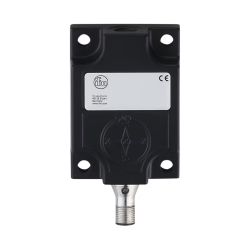 JD1311 \ effector 410 \ Inclination sensors \ INC-M1M360J-1-KG/US-V \ PLSpecial Price THB 33,300.00 Regular Price THB 44,400.00
Delivery: 30 ต.ค. 2569
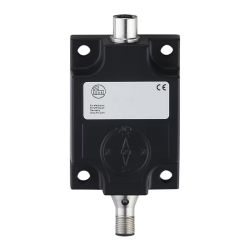 JD1121 \ effector 410 \ Inclination sensors \ INC-M1M360C-2-KG/US-V \ PLSpecial Price THB 34,800.00 Regular Price THB 46,400.00
Delivery: 30 ต.ค. 2569
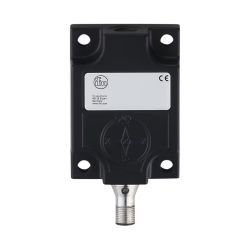 JD1111 \ effector 410 \ Inclination sensors \ INC-M1M360C-1-KG/US-V \ PLSpecial Price THB 33,675.00 Regular Price THB 44,900.00
Delivery: 30 ต.ค. 2569
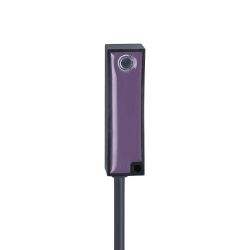 EC2061 \ ecomat 100 \ R360 (INCLINATION SWITCH) \ R360/INCLINATION SWITCH \ DESpecial Price THB 3,975.00 Regular Price THB 5,300.00
Delivery: 30 ต.ค. 2569
คำถามและคำตอบเกี่ยวกับ Inclination sensors | เซนเซอร์ที่ใช้วัดความเอียง ที่พบบ่อย
1. Inclination Sensors คืออะไร?
Inclination Sensors คือเซนเซอร์สำหรับตรวจวัดมุมเอียงของวัตถุหรือเครื่องจักรโดยอ้างอิงกับแรงโน้มถ่วงของโลก สามารถใช้ตรวจสอบตำแหน่ง ความลาดเอียง และความสมดุลของเครื่องจักร เพื่อช่วยลดความเสี่ยงจากการเอียงหรือพลิกคว่ำขณะทำงาน
2. Inclination Sensor กับ Inclinometer ต่างกันหรือไม่?
โดยทั่วไปคำว่า Inclination Sensor และ Inclinometer มักใช้เรียกอุปกรณ์ที่ทำหน้าที่วัดมุมเอียงในลักษณะใกล้เคียงกัน โดยอุปกรณ์จะตรวจจับองศาและส่งค่ามุมออกมาให้ระบบควบคุมหรือผู้ใช้งานนำไปประมวลผลต่อ
3. Inclinometer กับ Tilt Sensor ต่างกันอย่างไร?
Tilt Sensor แบบพื้นฐานมักใช้ตรวจสอบว่าการเอียงเกินค่าที่กำหนดหรือไม่ และอาจให้สัญญาณแบบ On/Off ขณะที่ Inclinometer สามารถวัดค่ามุมเอียงเป็นตัวเลขได้อย่างต่อเนื่องและมีความละเอียดมากกว่า จึงเหมาะกับงานที่ต้องการข้อมูลตำแหน่งหรือมุมอย่างแม่นยำ
4. Static และ Dynamic Inclination Sensors ต่างกันอย่างไร?
Static Inclination Sensor เหมาะสำหรับวัตถุที่อยู่นิ่งหรือเคลื่อนที่ช้าและต้องการความละเอียดสูง ส่วน Dynamic Inclination Sensor เหมาะกับเครื่องจักรที่มีการเคลื่อนที่ แรงเหวี่ยง หรือแรงสั่นสะเทือน เพราะระบบสามารถชดเชยผลกระทบจากการเคลื่อนที่เพื่อให้ค่ามุมมีเสถียรภาพมากขึ้น
5. Dynamic Inclinometer เหมาะกับงานประเภทใด?
Dynamic Inclinometer เหมาะกับรถขุด รถเครน รถกระเช้า เครื่องจักรก่อสร้าง และเครื่องจักรเคลื่อนที่ ซึ่งมักมีทั้งแรงสั่นสะเทือนและความเร่งเกิดขึ้นระหว่างการทำงาน จึงต้องการระบบวัดมุมที่สามารถรับมือกับสภาวะดังกล่าวได้
6. Inclination Sensors สามารถเชื่อมต่อกับ PLC ได้หรือไม่?
สามารถเชื่อมต่อได้ โดยต้องเลือกเซนเซอร์ที่มี Output รองรับระบบควบคุมเดิม เช่น Analog Output, CANopen หรือ IO-Link ทั้งนี้รูปแบบการสื่อสารที่รองรับจะแตกต่างกันไปตามรุ่นและผู้ผลิต
7. ควรเลือก Inclination Sensor แบบ 1 แกนหรือ 2 แกน?
ขึ้นอยู่กับลักษณะของงาน หากต้องการตรวจวัดการเอียงเพียงทิศทางเดียว สามารถเลือกแบบ 1 แกนได้ แต่หากต้องการตรวจสอบความเอียงพร้อมกันทั้งแกน X และ Y ควรเลือกเซนเซอร์แบบ 2 แกน
8. Inclination Sensors สามารถติดตั้งกลางแจ้งได้หรือไม่?
สามารถติดตั้งได้ หากเลือกรุ่นที่มีตัวเรือนและระดับการป้องกันเหมาะสมกับสภาพแวดล้อม เช่น งานที่ต้องเจอน้ำ ฝุ่น หรือการล้างทำความสะอาดควรตรวจสอบค่า IP Rating ของเซนเซอร์ก่อนเลือกใช้งาน เช่น IP67 หรือ IP69K ตามข้อกำหนดของหน้างาน
9. ก่อนใช้งาน Inclination Sensor ต้องตั้งค่า Zero Point หรือไม่?
ในหลายงานควรกำหนดตำแหน่งอ้างอิงหรือ Zero Point ก่อนเริ่มใช้งาน เพื่อให้ระบบทราบว่าตำแหน่งใดคือมุมเริ่มต้น อย่างไรก็ตาม ขั้นตอนการตั้งค่าและการ Calibrate จะขึ้นอยู่กับรุ่นของเซนเซอร์และระบบควบคุมที่ใช้งานร่วมกัน
10. Inclination Sensors นิยมใช้ในงานอุตสาหกรรมอะไรบ้าง?
สามารถใช้งานได้หลากหลาย เช่น รถเครน รถกระเช้า รถขุด ระบบปรับตำแหน่งแผงโซลาร์เซลล์ เครื่องจักรอัตโนมัติ แท่นยก และระบบตรวจสอบระดับของโครงสร้างหรือเครื่องจักร โดยเฉพาะงานที่ต้องควบคุมมุมและตำแหน่งให้มีความปลอดภัยและแม่นยำ
This website uses cookies
We use cookies to make the site work properly, to understand how it is used, and to show content that is relevant to you. You choose which types to allow; strictly necessary cookies are always on. Privacy Policy
🤖 AI Assistant
Ask about products, specs and replacement models
Hello 👋 Ask us anything — find products, compare specs, or troubleshoot.
🗑 Clear history