
SPECIAL PROMOTION — Up to 40% off across many product groups, until 31 December 2026 · Click to see all promotion itemsIFM, Sensor, Automation SystemMeasuring / Testing InstrumentsTemp Indicator, Control, T/C, RTD, TimerHeater, SCR Control, Solid State, Power Supply, Control CabinetField Measuring Instruments, Pressure Gauge, Level Control, Flow MeasurementEMC, Pneumatic, Solenoid ValveInspection Test Lamp, Head Light, Automotive Measuring InstrumentWeighing Scales, Marking Machine, PrintersEducational Training SystemsHot Line Tools & Equipment SPECIAL PROMOTION — Up to 40% off across many product groups, until 31 December 2026 · Click to see all promotion itemsIFM, Sensor, Automation SystemMeasuring / Testing InstrumentsTemp Indicator, Control, T/C, RTD, TimerHeater, SCR Control, Solid State, Power Supply, Control CabinetField Measuring Instruments, Pressure Gauge, Level Control, Flow MeasurementEMC, Pneumatic, Solenoid ValveInspection Test Lamp, Head Light, Automotive Measuring InstrumentWeighing Scales, Marking Machine, PrintersEducational Training SystemsHot Line Tools & Equipment View promotion items View all
Phase Indicator
What is a Phase Indicator?
A phase indicator is a tool used to check and display the status of electrical phases in an electrical system without needing to connect wires or touch live circuits. It is often used for convenience when checking connections or testing phase changes in high-voltage systems, using different electrical waveforms from each phase to detect conditions. Internal sensors help detect and show the status of electrical phases to users.
Types of Phase Indicators
- LED Phase Indicator displays the status of electrical phases through LED lights, such as green for normal phase and red for issues or missing phase.
- LCD Phase Indicator shows the status of electrical phases on an LCD screen, providing more detailed information like voltage values for each phase.
- Audible Phase Indicator uses sound alerts to indicate the status of electrical phases, such as warning sounds when there is a phase loss issue.
Uses of Phase Indicators
- To check and maintain high-voltage electrical systems for safety and operational efficiency in the electricity industry.
- To monitor and control electrical systems during construction where high voltage power is used in building operations.
- To inspect and maintain electrical systems in factories to ensure production safety and efficiency.
Famous Brands of Phase Indicators
- Amprobe offers a wide range of phase indicator products for various industries including electricity and manufacturing.
- Fluke is a leading brand with high-quality phase indicators.
- KEPLER INSTRUMENTS provides a variety of reliable, high-quality products.
- Kyoritsu, from Japan, is renowned for its durability and accuracy.
- Megger produces trusted electrical testing and measuring tools that include phase indicators.
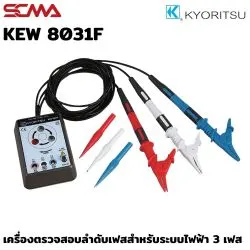 KEW 8031F PHASE INDICATOR KYORITSUSpecial Price THB 5,325.00 Regular Price THB 7,100.00
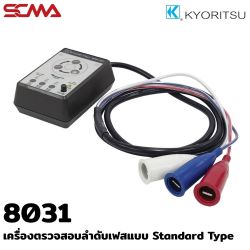 8031 PHASE INDICATOR KYORITSUSpecial Price THB 3,375.00 Regular Price THB 4,500.00
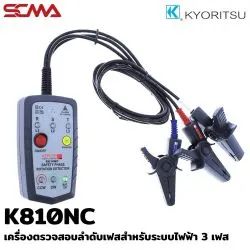 K810NC NON-CONTACT PHASE INDICATOR KEPLERSpecial Price THB 4,125.00 Regular Price THB 5,500.00
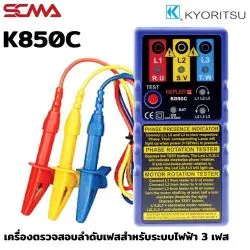 K850C PHASE INDICATOR KEPLERSpecial Price THB 2,250.00 Regular Price THB 3,000.00
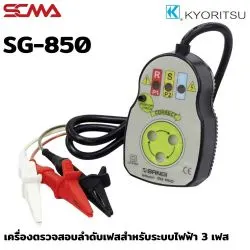 SG-850 PHASE INDICATOR SANGISpecial Price THB 1,950.00 Regular Price THB 2,600.00
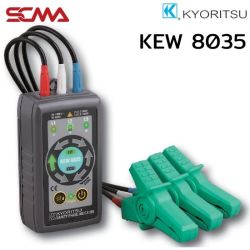 KEW 8035 Phase Tester/KyoritsuSpecial Price THB 6,400.00 Regular Price THB 8,000.00
What is a Phase Indicator? A Guide for Electricians to Select and Use
A phase indicator is a tool used to check the sequence of phases in a three-phase electrical system, such as L1-L2-L3 or if they are reversed. This tool is crucial during installation of machinery, motors, and industrial electrical systems because incorrect phase sequence can cause motors to rotate in reverse or damage equipment.
What is a Phase Indicator?
A phase indicator, also known as a phase sequence indicator, is an electrical measuring tool used to check if
- the phase sequence of the electricity is correct or not
- the electrical system rotates clockwise or counterclockwise
This tool is commonly used in three-phase (3 Phase) systems, such as
- factory electrical systems
- motor control panels
- industrial machinery
- large building electrical systems
How Does a Phase Indicator Work?
A phase indicator detects voltage from the three wires (L1, L2, L3) and analyzes the sequence of voltage phase changes.
The results displayed indicate that
- Clockwise (CW) → the phase sequence is correct
- Counter Clockwise (CCW) → the phase sequence is reversed
Some models display results through
- LED lights
- spinning arrows
- LCD screens
Why Use a Phase Indicator?
Checking the phase sequence before use is very important because it helps prevent problems such as
1. Preventing Motors from Rotating in Reverse Direction
Three-phase motors rotate according to the phase sequence; if phases are reversed, the motor will spin backwards.
2. Preventing Damage to Machinery
Some machinery types, such as pumps or compressors, may be damaged immediately if they rotate in reverse direction.
3. Ensuring Correct Electrical System Installation
Electricians can instantly check whether the phases are correctly sequenced.
Types of Phase Indicator
1. Analog Type (Pointer)
Characterized by a needle or arrow pointer meter.
Advantages
- No battery required
- Durable
Disadvantages
- Harder to read values
- Less accurate than digital models
2. Digital Type
Uses LED or LCD display.
Advantages
- Easy to read values
- Compact size
- High accuracy
Disadvantages
- Requires battery
How to Use a Phase Indicator
Usage is not complicated but safety must be observed.
Checking Procedure
1 Connect the measuring leads to the phase
- L1
- L2
- L3
2 Turn on the Phase Indicator
3 Read the results from the display screen.
The result will be:
- R-S-T correct → Normal system
- Phase Reverse → Leads must be switched.
How to Choose a Phase Indicator
1. Support for Operating Voltage
Generally supports around:
- 100V – 600V AC
Should be chosen to suit the electrical system in use.
2. Safety Protection System
Should choose a model that has:
- CAT III / CAT IV standards
- Overvoltage protection
3. Clear LED or Display Screen
Helps for easy use, especially in low-light areas.
4. Supports Non-Contact Phase Checking (Some Models)
Some new models can check phase sequence without directly touching the wires.
Real-world Usage Examples
Phase Indicators are commonly used in applications such as:
- Checking phase sequence before installing electric motors
- Checking electrical systems in MDB cabinets
- Checking phase sequence in machine control panels
- Checking electrical systems in generators
Cautionary Measures for Usage
- Check the measuring leads before use.
- Wear electrical gloves.
- Use only within the supported voltage range.
- Do not use in wet or water-prone areas.
If You Are Looking for a Phase Indicator, Think SCMA!
If you are looking for high-quality Phase Indicators that are durable and accurate for checking the phase sequence of three-phase electrical systems, SCMA is ready to provide solutions for all your electrical engineering needs.
Our company offers a wide range of Phase Indicators and electrical measuring tools from leading brands suitable for electrical system installations, maintenance work, and industrial applications. We also have a team of expert engineers to provide technical advice on selecting the right specifications for your specific needs as well as professional assistance in resolving issues on-site.
In addition, SCMA places importance on:
- Technical consultation by experts
- High-quality products from leading brands
- Reliable after-sales service
- Fast and efficient delivery services
To ensure that customers receive high-quality equipment that meets their needs effectively.
You can view all products herehere
Summary
A Phase Indicator is a crucial tool for electricians, used to check the phase sequence of three-phase electrical systems to prevent motor rotation issues and ensure safer and more accurate installations.
For those working with industrial electrical systems or three-phase machinery, this tool is essential equipment that every electrician should have.
Frequently Asked Questions
What is a Phase Indicator?
A Phase Indicator, also known as a Phase Sequence Indicator, is a tool used to check the phase sequence of a three-phase electrical system to determine if it is correctly ordered, such as L1-L2-L3 or if there has been a phase reversal. This helps prevent issues like motors rotating in the wrong direction or damage to machinery.
What does a Phase Indicator do?
A Phase Indicator is used for
- checking the phase sequence of a three-phase electrical system
- checking the direction of motor rotation
- inspecting electrical systems before installing machinery
- use in maintenance of electrical systems in factories or buildings
How do you use a Phase Indicator?
The general usage steps are as follows:
- Connect the measuring leads to L1, L2 and L3 wires
- Turn on the Phase Indicator
- Check the results on the display or LED lights
The result will show that:
- Clockwise (CW) → Correct phase sequence
- Counter Clockwise (CCW) → Phase reversal, must be corrected before use
Which types of electricity can a Phase Indicator be used with?
This tool is only for three-phase electrical systems (Three Phase). It is commonly used in:
- industrial facilities
- large buildings
- three-phase machinery or motors
What voltage does a Phase Indicator support?
Most Phase Indicators support voltages of approximately:
- 100V – 600V AC
- some models support up to 690V AC
It is important to check the specifications of the device to match your electrical system.
How do Analog and Digital Phase Indicators Differ?
Analog
- Uses a needle or rotating disk to display results
- Does not require batteries
- Durable
Digital
- Displays results with LED lights or LCD screens
- Easy to read
- More accurate
Is a Phase Indicator Necessary Before Motor Installation?
It should be used every time before installing or operating three-phase motors because if the phase sequence is incorrect, the motor will rotate in reverse direction which may cause damage to machinery.
How does a Phase Indicator Differ from a Multimeter?
A multimeter is used for measuring general electrical values such as voltage, current, and resistance
While a Phase Indicator is specifically designed to check the phase sequence of three-phase electrical systems.
Which Type of Phase Indicator Should I Choose?
You should choose one that has
- Supports at least 600V voltage
- Safety standards CAT III or CAT IV
- Easy-to-read display screen
- Durable construction suitable for field use
Is a Phase Indicator Necessary for Electricians?
For electricians working with three-phase electrical systems, this tool is considered important as it helps ensure safe and quick system checks while reducing the risk of equipment damage.
Can a Phase Indicator Be Repaired if It Breaks?
A Phase Indicator can be repaired in some cases, depending on the cause and type of tool. Minor damages such as measurement leads or connectors may be easy to repair, but major internal circuit damage might require considering the cost-effectiveness of repairs.
Cases Where a Phase Indicator Can Be Repaired
Common issues that can be resolved include:
- Broken Test Leads
Damaged, broken, or disconnected test leads can be replaced. - Loose Terminal Clips
Loose wire terminals can be tightened or replaced. - Battery Depleted (In Digital Models)
Some digital models use batteries, and if the device is not working, it may be due to a dead battery. - Broken Display or LED Lights
In some models, parts can be replaced if spare parts are still available.
Situations Where Repair May Not Be Cost-Effective
If the following issues occur, repair may not be cost-effective:
- Internal circuit board damage
- Overvoltage exposure
- Severe damage or burning of the unit
- Old models with no spare parts available
In these cases, buying a new unit is often more cost-effective.
How to Prevent Phase Indicator from Deteriorating Quickly
To extend the lifespan of your tool, follow these practices:
- Use within the supported voltage range
- Check test leads before use
- Avoid dropping or impacting the unit
- Store in a dry and dust-free environment
This website uses cookies
We use cookies to make the site work properly, to understand how it is used, and to show content that is relevant to you. You choose which types to allow; strictly necessary cookies are always on. Privacy Policy
🤖 AI Assistant
Ask about products, specs and replacement models
Hello 👋 Ask us anything — find products, compare specs, or troubleshoot.
🗑 Clear history