
SPECIAL PROMOTION — Up to 40% off across many product groups, until 31 December 2026 · Click to see all promotion itemsIFM, Sensor, Automation SystemMeasuring / Testing InstrumentsTemp Indicator, Control, T/C, RTD, TimerHeater, SCR Control, Solid State, Power Supply, Control CabinetField Measuring Instruments, Pressure Gauge, Level Control, Flow MeasurementEMC, Pneumatic, Solenoid ValveInspection Test Lamp, Head Light, Automotive Measuring InstrumentWeighing Scales, Marking Machine, PrintersEducational Training SystemsHot Line Tools & Equipment SPECIAL PROMOTION — Up to 40% off across many product groups, until 31 December 2026 · Click to see all promotion itemsIFM, Sensor, Automation SystemMeasuring / Testing InstrumentsTemp Indicator, Control, T/C, RTD, TimerHeater, SCR Control, Solid State, Power Supply, Control CabinetField Measuring Instruments, Pressure Gauge, Level Control, Flow MeasurementEMC, Pneumatic, Solenoid ValveInspection Test Lamp, Head Light, Automotive Measuring InstrumentWeighing Scales, Marking Machine, PrintersEducational Training SystemsHot Line Tools & Equipment View promotion items View all
Gas Leak Detector
What is a Gas Leak Detector?
A gas leak detector is a device used to detect and identify gas leaks in various environments. It plays a crucial role in preventing accidents and reducing health risks from exposure to dangerous gases. The main principle of operation involves sensors that are sensitive to hazardous gases, which trigger reactions changing electrical or chemical signals into readable values. Here are the primary types:
- Electrochemical Sensors for detecting toxic gases such as carbon monoxide (CO) and sulfur dioxide (SO2)
- Semiconductor Sensors for detecting flammable gases like methane (CH4) and propane (C3H8)
- Infrared Sensors for detecting carbon dioxide (CO2) and volatile organic compounds (VOCs)
Types of Gas Leak Detectors
- Portable Gas Leak Detectors designed for field use or measurements in various locations
- Fixed Gas Leak Detectors suitable for permanent installation where continuous monitoring is required, such as industrial plants or office buildings
- Home Gas Leak Detectors used to measure gas leaks in homes or residences
Using Gas Leak Detectors in Industries
- To check for gas leaks in manufacturing plants and production areas of the manufacturing industry
- To inspect for gas leaks at power plants and gas stations within the energy sector
- To monitor gas leaks in chemical factories of the chemical industry
- To detect gas leaks on construction sites in the construction industry
Famous Brands of Gas Leak Detectors
- Dräger, a manufacturer known for high-quality and widely recognized gas leak detectors
- Honeywell Analytics, renowned for producing measurement equipment and other safety devices
- KEPLER INSTRUMENTS, offering a wide range of high-quality and reliable products
- Testo, specializing in environmental measurement equipment and gas leak detectors
- UEi Test Instruments, producing various measuring devices including gas leak detectors
View the Gas Leak Detector Catalogue : Click here
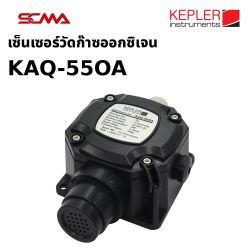 KAQ-55OA KEPLER O2 Fixed Gas DetectorSpecial Price THB 5,760.00 Regular Price THB 7,200.00
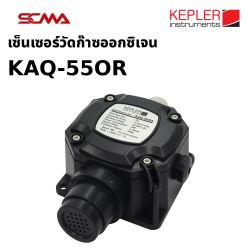 KAQ-55OR KEPLER O2 Fixed Gas DetectorSpecial Price THB 5,760.00 Regular Price THB 7,200.00
 KGL-7291 KEPLER Portable Gas Leak DetectorSpecial Price THB 4,000.00 Regular Price THB 5,000.00
 KGL-7269 KEPLER Portable Gas Leak DetectorSpecial Price THB 6,000.00 Regular Price THB 7,500.00
 KEPLER Portable Single Gas Detector (Combustible) Model KAQ-54LSpecial Price THB 4,960.00 Regular Price THB 6,200.00
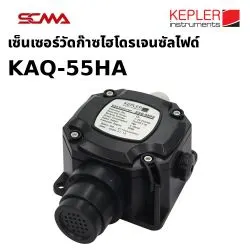 KAQ-55HA KEPLER Fixed Gas Detector H2S 0C~50C 20A/250V JB-30 4X100 mm Type KSpecial Price THB 4,960.00 Regular Price THB 6,200.00
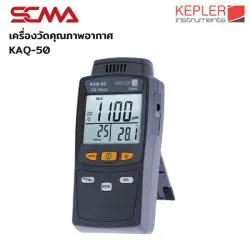 KAQ-50 KEPLER CO MeterSpecial Price THB 5,600.00 Regular Price THB 7,000.00
 KST-502 KEPLER Desktop Indoor Air Quality Monitor (CO2)Special Price THB 11,920.00 Regular Price THB 14,900.00
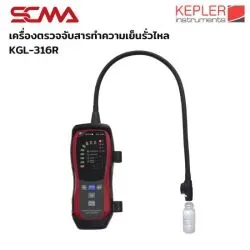 KGL-316R KEPLER Infrared Refrigrent Leak DetectorSpecial Price THB 11,680.00 Regular Price THB 14,600.00
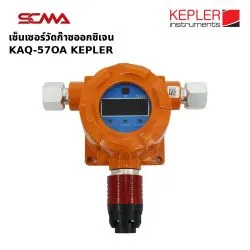 KAQ-57OA KEPLER O2 Fixed Gas DetectorSpecial Price THB 10,560.00 Regular Price THB 13,200.00
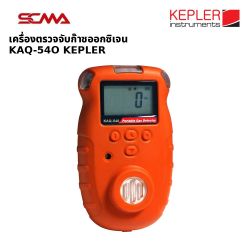 KAQ-54O KEPLER Portable Single Gas Detector (O2)Special Price THB 5,360.00 Regular Price THB 6,700.00
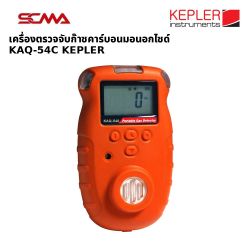 KAQ-54C KEPLER Portable Single Gas Detector (CO)Special Price THB 5,360.00 Regular Price THB 6,700.00
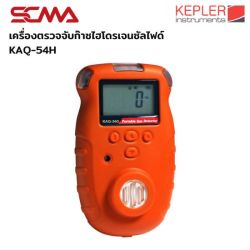 KAQ-54H KEPLER Portable Single Gas Detector (H2S)Special Price THB 5,360.00 Regular Price THB 6,700.00
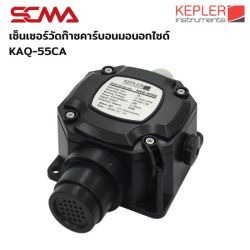 KAQ-55CA KEPLER CO Fixed Gas DetectorSpecial Price THB 4,960.00 Regular Price THB 6,200.00
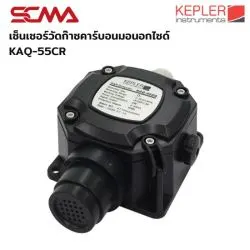 KAQ-55CR KEPLER CO Fixed Gas DetectorSpecial Price THB 4,960.00 Regular Price THB 6,200.00
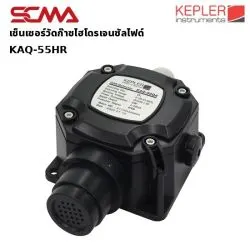 KAQ-55HR KEPLER Fixed Gas Detector H2S 0C~50C 20A/250V JB-30 4X100 mm Type KSpecial Price THB 4,960.00 Regular Price THB 6,200.00
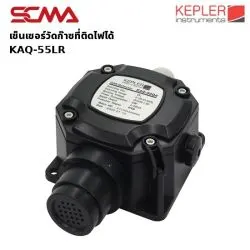 KAQ-55LR KEPLER Fixed Gas DetectorSpecial Price THB 4,960.00 Regular Price THB 6,200.00
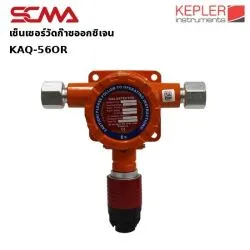 KAQ-56OR KEPLER O2 Fixed Gas DetectorSpecial Price THB 12,160.00 Regular Price THB 15,200.00
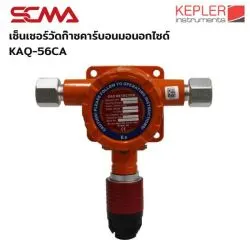 KAQ-56CA KEPLER CO Fixed Gas DetectorSpecial Price THB 10,160.00 Regular Price THB 12,700.00
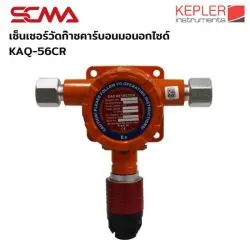 KAQ-56CR KEPLER CO Fixed Gas DetectorSpecial Price THB 10,160.00 Regular Price THB 12,700.00
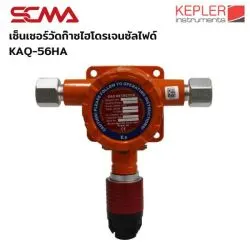 KAQ-56HA KEPLER Fixed Gas Detector H2S 0C~50C 20A/250V JB-30 4X100 mm Type KSpecial Price THB 10,560.00 Regular Price THB 13,200.00
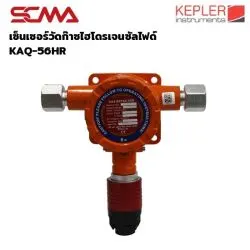 KAQ-56HR KEPLER Fixed Gas Detector H2S 0C~50C 20A/250V JB-30 4X100 mm Type KSpecial Price THB 10,560.00 Regular Price THB 13,200.00
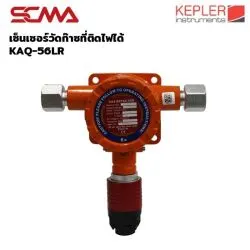 KAQ-56LR KEPLER Fixed Gas DetectorSpecial Price THB 8,640.00 Regular Price THB 10,800.00
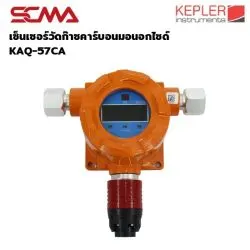 KAQ-57CA KEPLER CO Fixed Gas DetectorSpecial Price THB 10,160.00 Regular Price THB 12,700.00
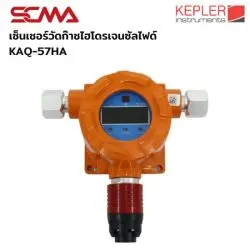 KAQ-57HA KEPLER Fixed Gas Detector H2S 0C~50C 20A/250V JB-30 4X100 mm Type KSpecial Price THB 10,800.00 Regular Price THB 13,500.00
 KGL-7201 KEPLER Portable Gas Leak DetectorSpecial Price THB 4,400.00 Regular Price THB 5,500.00
 KAQ-51D KEPLER CO2 MeterSpecial Price THB 15,600.00 Regular Price THB 19,500.00
Delivery: 30 ต.ค. 2569
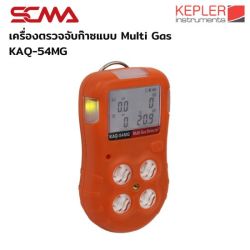 KAQ-54MG KEPLER Portable Multi-Gas DetectorSpecial Price THB 17,600.00 Regular Price THB 22,000.00
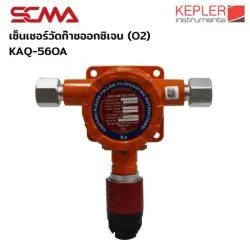 KAQ-56OA KEPLER O2 Fixed Gas DetectorSpecial Price THB 12,160.00 Regular Price THB 15,200.00
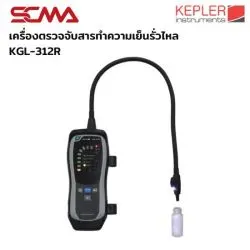 KGL-312R KEPLER Refrigrent Leak DetectorSpecial Price THB 8,800.00 Regular Price THB 11,000.00
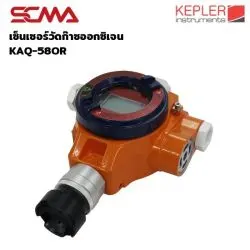 KAQ-58OR KEPLER O2 Fixed Gas DetectorSpecial Price THB 18,880.00 Regular Price THB 23,600.00
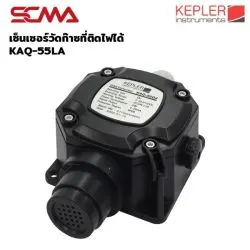 KAQ-55LA KEPLER Fixed Gas DetectorSpecial Price THB 4,960.00 Regular Price THB 6,200.00
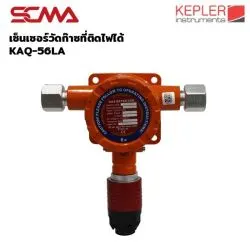 KAQ-56LA KEPLER Fixed Gas DetectorSpecial Price THB 8,640.00 Regular Price THB 10,800.00
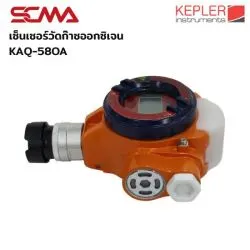 KAQ-58OA KEPLER O2 Fixed Gas DetectorSpecial Price THB 18,880.00 Regular Price THB 23,600.00
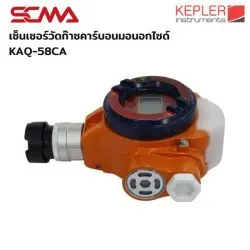 KAQ-58CA KEPLER CO Fixed Gas DetectorSpecial Price THB 17,760.00 Regular Price THB 22,200.00
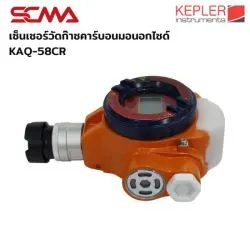 KAQ-58CR KEPLER CO Fixed Gas DetectorSpecial Price THB 17,760.00 Regular Price THB 22,200.00
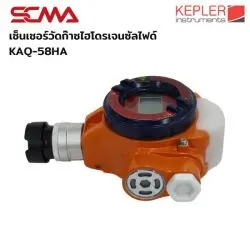 KAQ-58HA KEPLER Fixed Gas Detector H2S 0C~50C 20A/250V JB-30 4X100 mm Type KSpecial Price THB 18,880.00 Regular Price THB 23,600.00
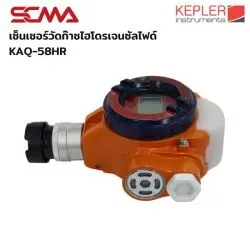 KAQ-58HR KEPLER Fixed Gas Detector H2S 0C~50C 20A/250V JB-30 4X100 mm Type KSpecial Price THB 18,880.00 Regular Price THB 23,600.00
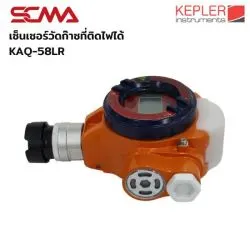 KAQ-58LR KEPLER Fixed Gas DetectorSpecial Price THB 11,200.00 Regular Price THB 14,000.00
 KTM-802 KEPLER Formaldehyde MeterSpecial Price THB 8,160.00 Regular Price THB 10,200.00
Delivery: 30 ต.ค. 2569
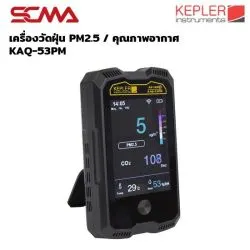 KAQ-53PM KEPLER Air Quality Monitor PM2.5Special Price THB 5,680.00 Regular Price THB 7,100.00
Delivery: 30 ต.ค. 2569
 KGL-310R KEPLER Refrigrent Leak DetectorSpecial Price THB 6,080.00 Regular Price THB 7,600.00
Delivery: 30 ต.ค. 2569
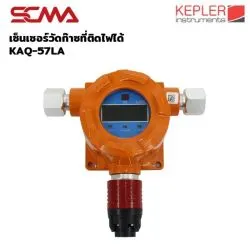 KAQ-57LA KEPLER Fixed Gas DetectorSpecial Price THB 8,800.00 Regular Price THB 11,000.00
Delivery: 30 ต.ค. 2569
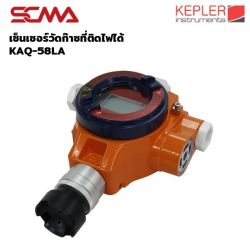 KAQ-58LA KEPLER Fixed Gas DetectorSpecial Price THB 11,200.00 Regular Price THB 14,000.00
Delivery: 30 ต.ค. 2569
Gas Leak Detector (Gas leak detector)
Safety in industrial plants starts with preventing unexpected incidents, especially accidents caused by leaks of flammable gases or toxic gases. A gas leak detector, also known as a gas detector to many engineers, is one of the most important devices that must be installed on-site to provide early warning alerts. This device serves as a gas meter that constantly monitors abnormal conditions in the working environment. Choosing a high-quality and appropriate gas leak detector for the type of gases used in production lines will help protect workers' lives and factory assets promptly.
What is a Gas Leak Detector?
A gas leak detector is an electronic device designed to detect leaks of gases in the air, including flammable gases (Flammable Gas), toxic gases (Toxic Gas), and oxygen levels that are either too high or too low compared to standard criteria. The gas leak detector works by relying on a gas sensor to detect gas concentrations. If the measured value exceeds the set threshold level (Set Point), the system will immediately send an alarm signal. This device acts as an artificial nose with higher sensitivity than humans, helping the gas meter identify small leaks before explosions or toxic gas accumulation can occur and pose health risks to workers.
How Does a Gas Leak Detector Work?
The basic principle of operation for a gas detector starts with the leaking gas coming into contact with the sensor or signal receiver inside the gas leak detector. A chemical or physical reaction occurs at the gas detector sensor, converting the gas concentration to an electrical signal. The gas meter then sends this data to the processing unit for comparison against safety standards. If the level is found to be too high, the gas leak detector will command the alarm system to activate through flashing lights or sirens, prompting evacuation or automatic valve shutdowns. For more technical details on the mechanics, refer to international standard sources.
Why Is a Gas Leak Detector an Important Device for Every Place?
The main reason factories must install gas leak detectors is to manage safety risks and reduce unplanned downtime from fire or explosion incidents. The gas meter helps maintenance teams identify abnormalities immediately, allowing them to address issues before they escalate. Having a gas leak detector installed also builds confidence among workers that they can operate safely. Moreover, gas detectors are legal requirements in many industries, particularly petrochemicals and boiler-using factories, which must have gas leak detection equipment to pass annual safety inspections.
How Many Types of Gas Leak Detectors Are There?
Gas leak detectors can be categorized based on their usage and the type of gases they are designed to detect. Engineers must choose appropriately for maximum efficiency, with main categories and examples as follows:
- Portable Gas Detectors (portable): This type is designed to be compact for safety officers or engineers to carry while inspecting production lines or working in confined spaces. The advantage is high mobility, allowing measurements at any suspected points.
- Fixed Gas Detectors (fixed): Also known as fixed gas detectors, these are installed in high-risk areas such as chemical storage rooms or valve transfer zones. They operate continuously for constant monitoring and often connect to central control rooms to shut off valves immediately upon incidents.
- Specific Gas Detectors (specific): These are designed specifically for detecting a particular type of gas, such as LPG detectors used in industrial kitchens or areas with LPG fuel use. They provide high accuracy in detecting target gases and minimize false alarms from other interfering gases.
How to Use Gas Detectors?
To use a gas meter effectively, one must understand its functions and correct procedures for accurate and reliable readings:
- Pre-operation Check (pre-operation check): Before using the gas detector on-site, inspect its exterior condition, battery, and display screen for normal operation. Verify that the gas detector sensor is still within its operational lifespan and perform a preliminary bump test to ensure proper response.
- Action When an Alarm Is Triggered: Upon receiving alarm signals, users must remain calm and check the concentration levels immediately. If dangerous levels are reached, evacuate the area promptly and follow emergency plans; do not attempt to silence alarms without investigating the leak cause as the gas detector is warning of potential life-threatening situations.
Maintenance of Gas Detection Equipment
To ensure accurate and reliable operation throughout its lifespan, preventive maintenance (preventive maintenance) is essential for factory engineers and maintenance teams:
- Calibration of Measuring Instruments (calibration): The key is to calibrate the equipment according to manufacturer-specified intervals to adjust sensor inaccuracies back to standard levels. Neglecting this step may lead to measurement errors and severe hazards.
- Inspection and Replacement of Consumables: Regularly check the filter condition and battery. If gas detector price is lower, sensors may have a shorter lifespan than industrial standard models; thus, budget for these replacements in advance to avoid equipment shortages when needed.
Comprehensive Gas Leak Detector Solutions from SCMA for All Industries
If you are looking for accurate and reliable gas leak detectors, SCMA is ready to be your Technical Partner from selection through after-sales service. We offer gas detectors from leading global brands that support both flammable gases and toxic gases, with expert engineers stationed in Chonburi (EEC) and Lampang, ready to assist on-site immediately without waiting for parts or repairs. SCMA provides full-service installation, calibration, and safety system consultations to ensure your factory runs smoothly and worry-free. SCMA Services
Summary
Investing in high-quality gas leak detectors is an investment in production safety and stability. Choosing the right type of gas meter, whether portable or fixed, and proper maintenance will prevent significant losses from accidents. At SCMA, we understand the needs of plant engineers and are ready to provide the best gas leak detector solutions with close service for your peace of mind that every moment of production will be safe and smooth.
Frequently Asked Questions
How High Should a Gas Detector Be Installed?
The installation height for gas leak detectors depends on the "weight" of the gas compared to air. For lighter-than-air gases (e.g., Methane, Natural Gas), install near the ceiling; for heavier-than-air gases (e.g., LPG, Propane), install low near the floor around 30 cm to catch sinking gases.
How Long Is the Lifespan of a Gas Detector Sensor?
Generally, gas detector sensors have a lifespan of about 2-3 years, depending on sensor type and working conditions. In high humidity or corrosive environments, lifespans may be shorter; thus, regular checks and replacements are necessary.
How Often Should Gas Meters Be Calibrated?
It is recommended to calibrate gas meters at least every six months or as per manufacturer recommendations for accuracy assurance. If the device has been impacted or exposed to high-concentration gases, immediate calibration before reuse is advised.
This website uses cookies
We use cookies to make the site work properly, to understand how it is used, and to show content that is relevant to you. You choose which types to allow; strictly necessary cookies are always on. Privacy Policy
🤖 AI Assistant
Ask about products, specs and replacement models
Hello 👋 Ask us anything — find products, compare specs, or troubleshoot.
🗑 Clear history