
SPECIAL PROMOTION — Up to 40% off across many product groups, until 31 December 2026 · Click to see all promotion itemsIFM, Sensor, Automation SystemMeasuring / Testing InstrumentsTemp Indicator, Control, T/C, RTD, TimerHeater, SCR Control, Solid State, Power Supply, Control CabinetField Measuring Instruments, Pressure Gauge, Level Control, Flow MeasurementEMC, Pneumatic, Solenoid ValveInspection Test Lamp, Head Light, Automotive Measuring InstrumentWeighing Scales, Marking Machine, PrintersEducational Training SystemsHot Line Tools & Equipment SPECIAL PROMOTION — Up to 40% off across many product groups, until 31 December 2026 · Click to see all promotion itemsIFM, Sensor, Automation SystemMeasuring / Testing InstrumentsTemp Indicator, Control, T/C, RTD, TimerHeater, SCR Control, Solid State, Power Supply, Control CabinetField Measuring Instruments, Pressure Gauge, Level Control, Flow MeasurementEMC, Pneumatic, Solenoid ValveInspection Test Lamp, Head Light, Automotive Measuring InstrumentWeighing Scales, Marking Machine, PrintersEducational Training SystemsHot Line Tools & Equipment View promotion items View all
Insulation Testers
What are Insulation Testers?
An Insulation Tester is an electrical insulation testing device used to check and measure the resistance of electrical wiring and equipment. It helps assess the condition of insulation and prevent short circuits or leaks, which are crucial for maintaining safety in electrical systems.
It works by applying high voltage ranging from 250V to 5000V to the insulation being tested and then measuring the resistance value. The higher the resistance, the better the condition of the insulation. Conversely, low resistance indicates that the insulation is deteriorating or has issues.
Types of Insulation Testers
- Analog Insulation Testers use a needle pointer to display results, are highly durable, and easy to operate.
- Digital Insulation Testers feature digital displays for high accuracy and ease of reading.
- Handheld Insulation Testers are compact, portable, and ideal for field use.
- Bench Insulation Testers are larger with multiple functions suitable for laboratory or factory settings.
Uses of Insulation Testers
- For checking electrical wiring and equipment in homes and commercial buildings for construction industries.
- To inspect the insulation of motors and machinery in manufacturing industries.
- For preventing short circuits and leaks in industrial plants.
- To inspect electrical systems in vehicles and related equipment.
Famous Brands of Insulation Testers
- Extech - Affordable with quality assurance.
- Fluke - A renowned brand known for quality and reliability.
- Hioki - Offers a wide range of products well-regarded in the electrical industry.
- KEPLER INSTRUMENTS - Diverse product line with high quality and reliability.
- Kyoritsu - A Japanese brand famous for durability and accuracy.
- Megger - A long-standing brand specializing in electrical testing equipment.
View Insulation Testers Catalog : Click Here
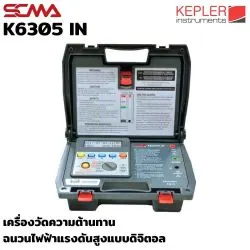 K6305 IN DIGITAL HIGH VOLTAGE INSULATION TESTERS (5kV) KEPLERราคาโปรดติดต่อเจ้าหน้าที่
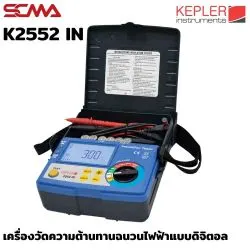 K2552 IN DIGITAL INSULATION TESTERS (1kV Below) KEPLERSpecial Price THB 11,025.00 Regular Price THB 14,700.00
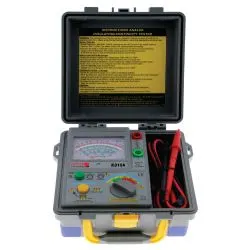 K310A KEPLER Analog Insulation TestersSpecial Price THB 7,840.00 Regular Price THB 9,800.00
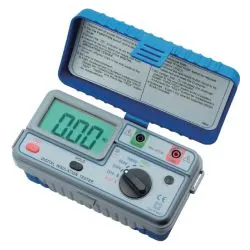 K1160 IN KEPLER Digital Insulation TestersSpecial Price THB 6,560.00 Regular Price THB 8,200.00
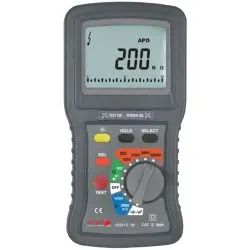 K8010 IN KEPLER Digital Insulation TestersSpecial Price THB 9,600.00 Regular Price THB 12,000.00
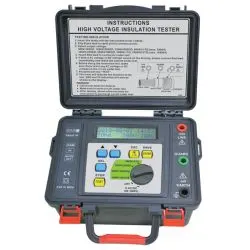 K4305 IN KEPLER Digital High Voltage Insulation TestersSpecial Price THB 20,480.00 Regular Price THB 25,600.00
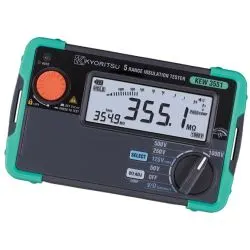 KEW 3551 KYORITSU Digital Insulation TestersSpecial Price THB 17,600.00 Regular Price THB 22,000.00
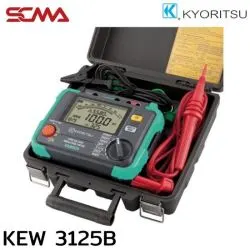 KEW 3125B Digital Insulation Tester 250V/500V/1000V/2500V/50Special Price THB 26,800.00 Regular Price THB 33,500.00
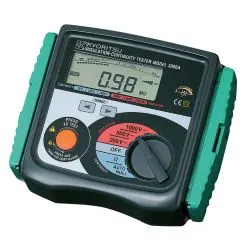 3005A KYORITSU Digital Insulation TestersSpecial Price THB 11,760.00 Regular Price THB 14,700.00
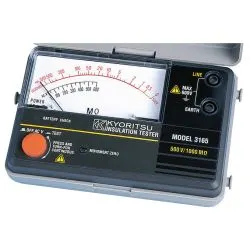 3165 KYORITSU Analog Insulation TestersSpecial Price THB 3,680.00 Regular Price THB 4,600.00
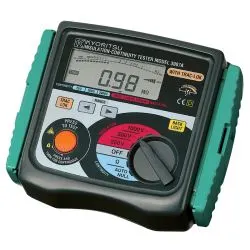 3007A KYORITSU Digital Insulation TestersSpecial Price THB 14,720.00 Regular Price THB 18,400.00
Delivery: 30 ต.ค. 2569
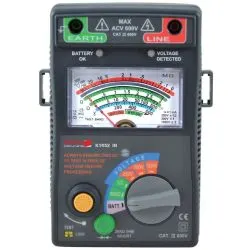 K1652 IN KEPLER Analog Insulation TestersSpecial Price THB 6,800.00 Regular Price THB 8,500.00
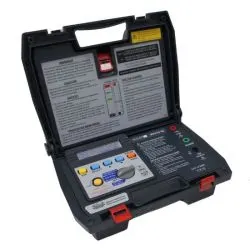 K6310 IN KEPLER Digital High Voltage Insulation TestersSpecial Price THB 30,000.00 Regular Price THB 37,500.00
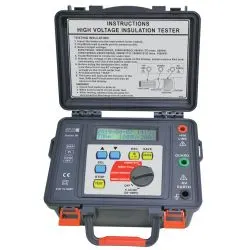 K4310 IN KEPLER Digital High Voltage Insulation TestersSpecial Price THB 22,800.00 Regular Price THB 28,500.00
Delivery: 30 ต.ค. 2569
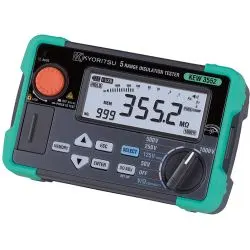 KYORITSU Kew 3552BT Digital Insulation TesterSpecial Price THB 21,280.00 Regular Price THB 26,600.00
Delivery: 30 ต.ค. 2569
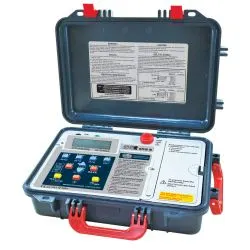 K7016 IN KEPLER Digital High Voltage Insulation TestersSpecial Price THB 50,800.00 Regular Price THB 63,500.00
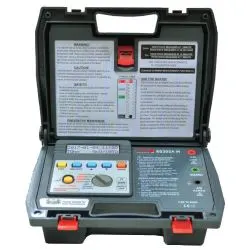 K6305A IN KEPLER Digital High Voltage Insulation TestersSpecial Price THB 28,000.00 Regular Price THB 35,000.00
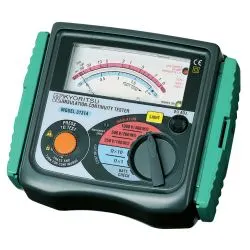 3131A KYORITSU Analog Insulation TestersSpecial Price THB 7,120.00 Regular Price THB 8,900.00
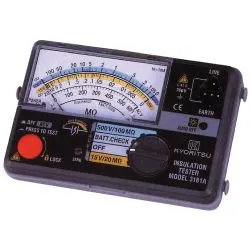 3161A KYORITSU Analog Insulation TestersSpecial Price THB 11,040.00 Regular Price THB 13,800.00
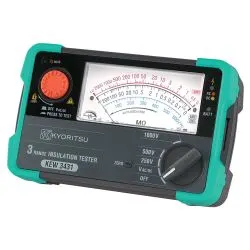 KEW 3431 KYORITSU Analog Insulation TestersSpecial Price THB 16,160.00 Regular Price THB 20,200.00
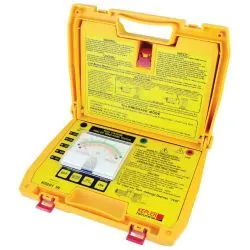 K6201 IN KEPLER Analog High Voltage Insulation TestersSpecial Price THB 26,400.00 Regular Price THB 33,000.00
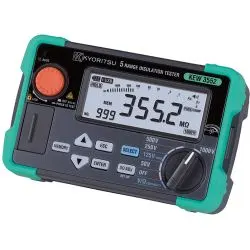 KEW 3552 KYORITSU Digital Insulation TestersSpecial Price THB 18,480.00 Regular Price THB 23,100.00
Delivery: 30 ต.ค. 2569
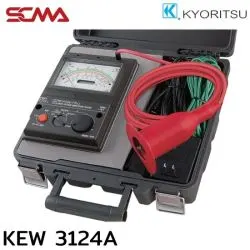 KEW 3124A, 1k~10kV/ 100G Ohm High Voltage Insulation TesterSpecial Price THB 67,520.00 Regular Price THB 84,400.00
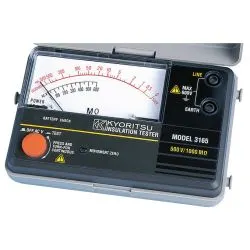 3166 KYORITSU Analog Insulation TestersSpecial Price THB 3,680.00 Regular Price THB 4,600.00
Delivery: 30 ต.ค. 2569
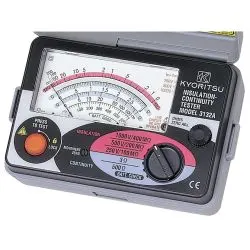 3132A KYORITSU Analog Insulation TestersSpecial Price THB 5,200.00 Regular Price THB 6,500.00
Delivery: 30 ต.ค. 2569
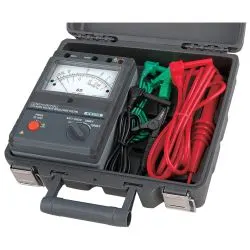 KEW 3123A KYORITSU Digital High Voltage Insulation TestersSpecial Price THB 27,840.00 Regular Price THB 34,800.00
Delivery: 30 ต.ค. 2569
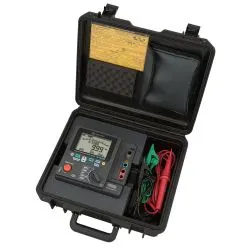 KEW 3127 KYORITSU Digital High Voltage Insulation TestersSpecial Price THB 86,800.00 Regular Price THB 108,500.00
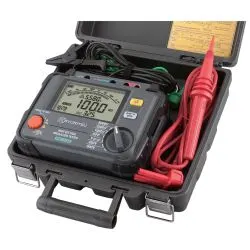 KEW 3125A KYORITSU Digital High Voltage Insulation TestersSpecial Price THB 26,800.00 Regular Price THB 33,500.00
Delivery: 30 ต.ค. 2569
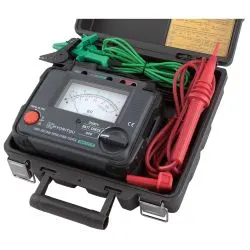 KYORITSU Digital High Voltage Insulation Tester 3122BSpecial Price THB 25,680.00 Regular Price THB 32,100.00
Delivery: 30 ต.ค. 2569
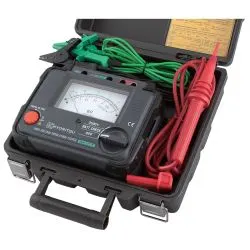 KEW 3121B KYORITSU Digital High Voltage Insulation TestersSpecial Price THB 24,480.00 Regular Price THB 30,600.00
Delivery: 30 ต.ค. 2569
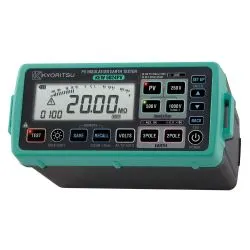 KYORITSU Kew 6024PV PV Insulation Earth TesterSpecial Price THB 24,800.00 Regular Price THB 31,000.00
Delivery: 30 ต.ค. 2569
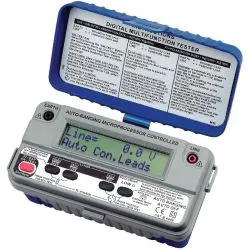 K1155 TMF KEPLER Digital Insulation TestersSpecial Price THB 8,640.00 Regular Price THB 10,800.00
Delivery: 30 ต.ค. 2569
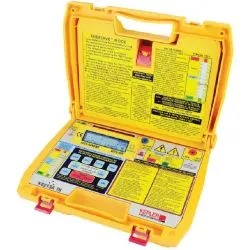 K6213A IN KEPLER Digital High Voltage Insulation TestersSpecial Price THB 30,000.00 Regular Price THB 37,500.00
Delivery: 30 ต.ค. 2569
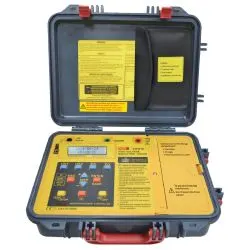 K7015 IN KEPLER Digital High Voltage Insulation TestersSpecial Price THB 48,400.00 Regular Price THB 60,500.00
Delivery: 30 ต.ค. 2569
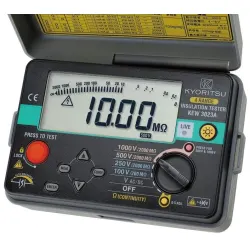 KEW 3023A KYORITSU Digital Insulation TestersSpecial Price THB 14,800.00 Regular Price THB 18,500.00
Delivery: 30 ต.ค. 2569
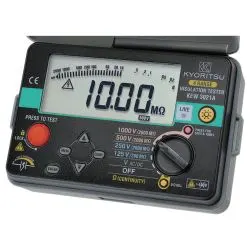 KEW 3021A KYORITSU Digital Insulation TestersSpecial Price THB 14,800.00 Regular Price THB 18,500.00
Delivery: 30 ต.ค. 2569
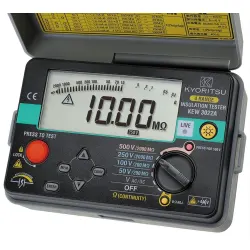 KEW 3022A KYORITSU Digital Insulation TestersSpecial Price THB 14,800.00 Regular Price THB 18,500.00
Delivery: 30 ต.ค. 2569
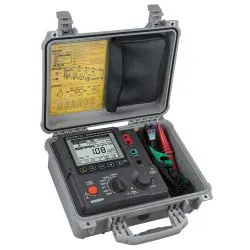 KEW 3128 KYORITSU Digital High Voltage Insulation TestersSpecial Price THB 244,800.00 Regular Price THB 306,000.00
Delivery: 30 ต.ค. 2569
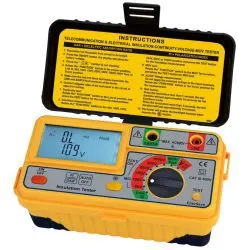 K1165 IN KEPLER Digital Insulation TestersSpecial Price THB 8,800.00 Regular Price THB 11,000.00
What is an Insulation Tester? A Complete Guide to Buying and Using
Have you ever wondered where the highest level of safety in electrical systems in factories and buildings begins? The answer may lie with a crucial piece of equipment called an insulation tester, or as electricians often call it, a megohmmeter. This is the heart of checking the readiness condition of wires and various devices. This article will take readers on a deep dive into understanding insulation testers and electrical resistance meters from basics to practical usage, ensuring that electrical systems work safely and efficiently at their best. If you need engineering consultation or electrical system inspection services, contact our expert team at SCMAhere
What is an Insulation Tester?
An insulation tester or insulation testing device is a specialized electrical measuring tool designed specifically to measure the resistance of electrical insulation. Many may wonder what exactly an insulation tester is. Simply put, it's an apparatus that functions like an X-ray for wires and motors by emitting high voltage electricity to detect leaks or defects in insulation that are invisible to the naked eye. While ohmmeters can generally measure resistance, they might not be as detailed in their inspection as this tool. Using this equipment is a standard safety requirement in electrical system maintenance work.
Definition: Megohmmeter
In the engineering world, this device is often called a megger or megohmmeter, which refers to the high resistance measurement unit in "megohms" (MΩ). This tool has the ability to deliver higher test voltages than general multimeters (such as 500V, 1000V, or more) to test whether electrical insulation can withstand actual operating voltage. Learn more about megohmmetershere
The Importance of Electrical Insulation Testing
The degradation of electrical insulation is a silent threat. Factors such as heat, humidity, dust, or even vibrations can all contribute to the deterioration of insulation over time. Regularly performing an insulation test or testing for insulation condition is therefore essential to understand the current state of electrical equipment and plan maintenance before severe damage occurs.
Benefits in Preventing Short Circuits and Extending Equipment Lifespan
Regularly using an insulation resistance tester to check systems helps prevent accidents from short circuits, electrical leaks, and electric shocks that could cause fires or endanger lives. Additionally, it extends the lifespan of motors and transformers by identifying areas where insulation is beginning to degrade so maintenance teams can address them promptly, reducing the risk of costly downtime.
How an Insulation Tester Works
To understand how an insulation tester works, imagine a high-pressure water pipe system. If the pipe has a leak, water will spray out. Similarly, electricity behaves in this way. The basic principle is to use Ohm's Law. The device acts as a high-voltage but low-current power source to test whether the insulation can effectively prevent electrical leakage. Learn more about the principles of insulation testing here.
Test Voltage Supply
The core of an insulation tester is to generate direct current (DC) voltages at various levels, such as 250V, 500V, 1000V or up to 5kV for high voltage work. This voltage is fed into the conductor and insulation to create electrical stress, simulating real-world operating conditions or higher, to observe the insulation's reaction.
Resistance Measurement
When the voltage is applied, the device measures the amount of leakage current flowing through the insulation, which should be very low. The system then calculates the resistance value according to the formula R = V/I (resistance = voltage / current). The lower the leakage current, the higher the measured resistance in megaohms, indicating good insulation.
Interpreting Measured Values According to Standards
Values read from insulation testers indicate the condition of the insulation. Generally, higher resistance values are better, but acceptance criteria depend on the type of equipment and operating voltage. For example, international standards often specify that minimum insulation resistance should not be less than 1 MΩ per 1000V operating voltage. Proper interpretation requires understanding the insulation resistance test process, which involves analyzing changes in resistance over time or temperature. More information can be found here.
How to Choose the Right Insulation Tester for Your Job
Choosing an insulation tester that is cost-effective and suitable for your needs requires considering several technical factors, not just price. Choosing specifications that are too low may result in inaccurate measurements, while choosing overly high specifications can be a waste of budget.
Consider the Test Voltage Range
Select a test voltage range appropriate for the equipment you need to measure. For example, residential electrical work (220V) should use a device capable of producing up to 250V or 500V. Industrial work (380V/400V) requires models that can reach 1000V, and for high-voltage transmission lines or large motors, devices capable of generating up to 5kV or 10kV may be necessary.
Insulation Resistance Range
Check the maximum resistance measurement range (GΩ or TΩ) that the device can handle. General work may only require GΩ levels, but for predictive maintenance tasks requiring detailed trend analysis of degradation, a more precise and wider-ranging device is needed.
Additional Functions Needed (Polarization Index, Dielectric Absorption Ratio)
For professional work, choose devices that automatically calculate Polarization Index (PI) and Dielectric Absorption Ratio (DAR). These values provide deeper analysis of insulation quality than resistance measurement alone, indicating moisture or contamination within the insulation.
Safety Standards (CAT Rating)
Safety is paramount when choosing an insulation tester. Select models that meet CAT III or CAT IV safety standards according to the voltage level of your work area, to protect against transient voltages that may occur during measurement.
Brand and After-Sales Service
Choose a reputable brand with service centers in Thailand for ease of calibration and maintenance. Searching for information such as insulation tester kyoritsu price or other leading brands can help compare value better. Brands with a good reputation often offer durability and more accurate readings over the long term.
Safe Usage Steps for Insulation Tester
Using high voltage measuring tools requires extreme caution to ensure the safety of the operator and prevent damage to equipment. Proper steps will help make the process smooth.Correct procedureswill help make the process go smoothly.
Preparing Equipment and Work Area
Before starting work, de-energize all circuits to be tested and discharge any residual charge. Check the condition of the measuring instrument, leads, and battery to ensure they are ready for use. The work area must be dry and safe. Wear appropriate personal protective equipment (PPE) such as suitable electrical gloves.
Connecting Measuring Leads to Equipment to Be Tested
Connect the negative lead (Earth/Ground) to a metal frame or ground of the equipment and connect the positive lead (Line) to the conductor that needs insulation testing. Check the tightness of connections for accurate readings, and ensure no one touches the equipment during testing.
How to Read and Record Results
Select an appropriate test voltage, press the Test button, and wait until the display stabilizes, which may take about 1 minute. Read the resistance value obtained and record it on a form. Temperature and humidity should also be recorded at the time of measurement as they significantly affect insulation values.
Cautionary Measures and Professional Usage Techniques
After each test, discharge any residual charge in the insulation before touching wires. Newer models often have an Auto-discharge function to enhance safety. Do not measure during rain or high humidity as this can cause measurement errors and potential danger.
Which Brand of Insulation Tester is Good? Feature Comparison
There are several brands of insulation testers available in the market, each with unique features suited to different usage scenarios.
Group for General and Residential Work
For home electricians or commercial buildings, portable models from brands like UNI-T or entry-level Kyoritsu models are often excellent choices. They offer affordable prices, complete basic functions, and sufficient durability for daily use.
Group for Industrial and High Voltage Work
For industrial work requiring high accuracy and in-depth analysis capabilities, brands like Fluke, Megger, Hioki, or top-tier Kyoritsu models are better suited. Though more expensive, they come with data logging capabilities, Bluetooth connectivity, and higher safety standards.
Initial Specification and Price Comparison Table
(It is recommended to create a comparison table for popular models separated by voltage ranges of 500V, 1000V, 5kV, and compare key functions such as PI/DAR, Memory, Price Range to make it easier for readers to decide.)
If you are looking for an Insulation Tester, think of SCMA!
Accuracy and safety are the heart of electrical system testing. If you are searching for high-quality Insulation Testers or Megohmmeters from leading global brands, SCMA is ready to be your trusted business partner. We have a team of expert engineers who provide advice on selecting specifications that match real-world applications, along with quick demonstration services and after-sales support. You can rest assured that you will receive products that offer the best value and meet your usage needs. Browse all productshere.
Summary
An Insulation Tester is an essential tool for maintaining the safety and stability of electrical systems. Choosing the right equipment, understanding how it works, and strictly adhering to safety procedures can significantly reduce risks from accidents and extend the lifespan of electrical devices. If you want to enhance maintenance standards or need further consultation, our SCMA team is always ready to serve you. Contact us herehere.
Frequently Asked Questions
How often should insulation testing be performed?
The frequency of testing depends on the type of equipment and the importance of the system. Generally, it is recommended to test motors and transformers at least once a year or every time major maintenance is done. For critical systems, inspections may need to be conducted every six months to track degradation trends (Trend Analysis).
What should the insulation resistance value be?
There is no fixed standard, but a general rule of thumb is that insulation resistance should not be less than 1 megohm per 1000 volts of operating voltage. For example, for a motor operated at 400V, the minimum insulation resistance value should be around 0.4 - 1 MΩ. However, truly safe values should be much higher, typically above 100 MΩ for new equipment.
What is the difference between an Insulation Tester and a multimeter?
A standard multimeter measures low resistance values using battery power of just a few volts (such as 3V or 9V), which cannot test insulation under high voltage conditions. In contrast, an Insulation Tester can deliver high DC voltages to stress the insulation and detect faults or moisture that a multimeter might miss.
This website uses cookies
We use cookies to make the site work properly, to understand how it is used, and to show content that is relevant to you. You choose which types to allow; strictly necessary cookies are always on. Privacy Policy
🤖 AI Assistant
Ask about products, specs and replacement models
Hello 👋 Ask us anything — find products, compare specs, or troubleshoot.
🗑 Clear history