
SPECIAL PROMOTION — Up to 40% off across many product groups, until 31 December 2026 · Click to see all promotion itemsIFM, Sensor, Automation SystemMeasuring / Testing InstrumentsTemp Indicator, Control, T/C, RTD, TimerHeater, SCR Control, Solid State, Power Supply, Control CabinetField Measuring Instruments, Pressure Gauge, Level Control, Flow MeasurementEMC, Pneumatic, Solenoid ValveInspection Test Lamp, Head Light, Automotive Measuring InstrumentWeighing Scales, Marking Machine, PrintersEducational Training SystemsHot Line Tools & Equipment SPECIAL PROMOTION — Up to 40% off across many product groups, until 31 December 2026 · Click to see all promotion itemsIFM, Sensor, Automation SystemMeasuring / Testing InstrumentsTemp Indicator, Control, T/C, RTD, TimerHeater, SCR Control, Solid State, Power Supply, Control CabinetField Measuring Instruments, Pressure Gauge, Level Control, Flow MeasurementEMC, Pneumatic, Solenoid ValveInspection Test Lamp, Head Light, Automotive Measuring InstrumentWeighing Scales, Marking Machine, PrintersEducational Training SystemsHot Line Tools & Equipment View promotion items View all
Conductivity Meters
What is a Conductivity Meter?
A Conductivity Meter is an instrument used to measure the electrical conductivity of solutions. The unit of measurement is Siemens per meter (S/m). It works by using sensors or probes that consist of two electrodes, which are immersed in the solution. The electrodes create an electric field and measure the current flowing through the solution. The ability to conduct electricity depends on the concentration of ions in the solution. The instrument processes this data and displays it on a screen. This tool is important across various industries, from water treatment and food and beverage production to scientific research.
Types of Conductivity Meters
- Benchtop Conductivity Meter: Large size, suitable for installation on laboratory tables and high-precision measurements.
- Portable Conductivity Meter: Small size, easy to carry, ideal for field use or places requiring mobility.
- Pen-Type Conductivity Meter: Pen-like design, convenient to carry, suitable for basic use or applications that do not require high precision.
- Online Conductivity Meter: Designed for permanent installation in production processes, used for continuous monitoring of electrical conductivity.
Uses of Conductivity Meters
- To check and control the electrical conductivity of water to ensure it is safe and free from contaminants.
- To measure the electrical conductivity of water and soil in agriculture to improve plant and aquatic animal growth conditions.
- To monitor the electrical conductivity during food and beverage production processes to ensure product quality and safety.
- To check the electrical conductivity during chemical and biological experiments for scientific research, to study the properties and reactions of solutions.
- To verify the electrical conductivity in various manufacturing processes to ensure product quality.
Famous Brands of Conductivity Meters
- Extech: A company that produces a variety of measurement tools with high durability and efficiency.
- Hanna Instruments: Known for highly accurate and user-friendly measuring instruments.
- Horiba: A Japanese brand renowned for its accuracy and modern technology.
- Oakton: Recognized for affordable yet quality measuring instruments.
- KEPLER INSTRUMENTS: Offers a wide range of high-quality and reliable products.
- Thermo Fisher Scientific: Specializes in manufacturing scientific equipment, including high-quality Conductivity Meters.
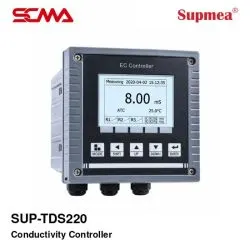 SUP-TDS220 CONDUCTIVITY CONTROLLER SUPMEAPrice on request – please contact us
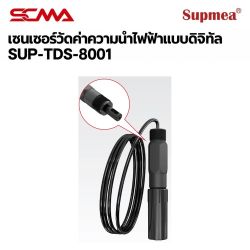 SUP-TDS-8001 DIGITAL CONDUCTIVITY SENSOR SUPMEAPrice on request – please contact us
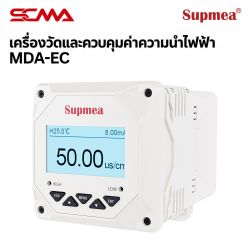 MDA-EC CONDUCTIVITY CONTROLLER SUPMEASpecial Price THB 5,325.00 Regular Price THB 7,100.00
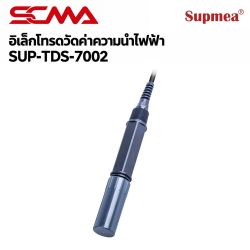 SUP-TDS-7002 CONDUCTIVITY ELECTRODE SUPMEASpecial Price THB 6,600.00 Regular Price THB 8,800.00
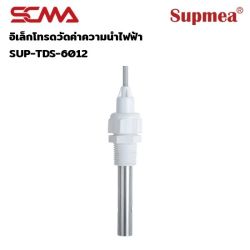 SUP-TDS-6012 CONDUCTIVITY ELECTRODE SUPMEASpecial Price THB 2,625.00 Regular Price THB 3,500.00
Delivery: Within 30-45 days
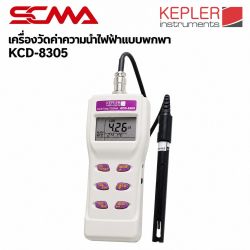 KCD-8305 PORTABLE CONDUCTIVITY METER KEPLERSpecial Price THB 6,375.00 Regular Price THB 8,500.00
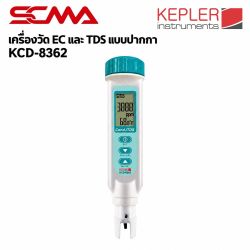 KCD-8362 PEN TYPE CONDUCTIVITY & TDS METER KEPLERSpecial Price THB 1,425.00 Regular Price THB 1,900.00
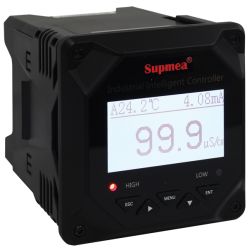 SUPMEA Conductivity Meters Model SUP-TDS210-BSpecial Price THB 5,760.00 Regular Price THB 7,200.00
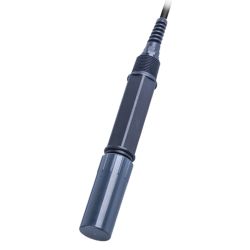 SUPMEA Conductivity Meters Model SUP-TDS-7002Special Price THB 7,200.00 Regular Price THB 9,000.00
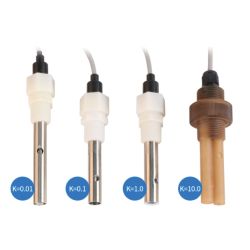 SUPMEA Conductivity Meters (Electrode for Measuring Electrical Conductivity) Model SUP-TDS-6012Special Price THB 2,800.00 Regular Price THB 3,500.00
Delivery: Within 30-45 days
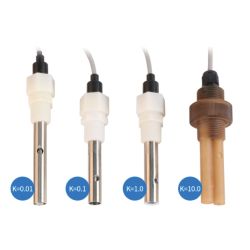 SUPMEA Conductivity Meters (Electrode for Measuring Electrical Conductivity) Model SUP-TDS-6013Special Price THB 11,600.00 Regular Price THB 14,500.00
Delivery: Within 30-45 days
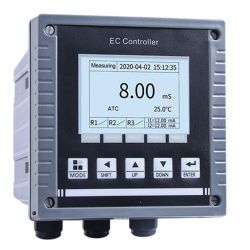 SUPMEA Conductivity Meters Model SUP-EC8.0Special Price THB 13,600.00 Regular Price THB 17,000.00
Delivery: Within 30-45 days
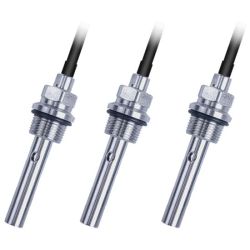 SUPMEA Conductivity Meters Model SUP-TDS-7001Special Price THB 3,200.00 Regular Price THB 4,000.00
Delivery: Within 30-45 days
01Conductivity Meter คืออะไร?
Conductivity Meter คือเครื่องวัดค่าความนำไฟฟ้า ใช้วัดความสามารถของสารละลายในการนำไฟฟ้า โดยค่าที่ได้ขึ้นอยู่กับความเข้มข้นของไอออนในสารละลาย จึงใช้เป็นตัวบ่งชี้คุณภาพน้ำและสารละลายในงานบำบัดน้ำ อาหารและเครื่องดื่ม เกษตร รวมถึงงานวิจัยทางวิทยาศาสตร์
02Conductivity Meter ทำงานอย่างไร?
เครื่องใช้โพรบหรืออิเล็กโทรดจุ่มลงในสารละลาย อิเล็กโทรดจะสร้างสนามไฟฟ้าและตรวจวัดกระแสไฟฟ้าที่ไหลผ่านสารละลาย จากนั้นเครื่องจะประมวลผลเป็นค่าความนำไฟฟ้าและแสดงผลบนหน้าจอ
03ค่าความนำไฟฟ้าวัดเป็นหน่วยอะไร?
หน่วยมาตรฐานคือซีเมนส์ต่อเมตร (S/m) ส่วนในการใช้งานจริงเครื่องวัดมักแสดงค่าเป็น µS/cm หรือ mS/cm ตามย่านวัดของรุ่น เช่น เครื่องวัดแบบพกพา KCD-8305 ในแคตตาล็อก SCMA วัดได้ถึง 0–199.9 mS/cm ส่วนรุ่นปากกา KCD-8362 วัดได้ถึง 0.0–160.0 mS
04ค่า TDS ต่างจากค่าความนำไฟฟ้า (EC) อย่างไร?
EC คือค่าความสามารถในการนำไฟฟ้าของสารละลาย ส่วน TDS คือปริมาณของแข็งที่ละลายอยู่ในน้ำ ซึ่งเครื่องจะคำนวณจากค่า EC โดยใช้ตัวคูณที่เรียกว่า TDS Factor บางรุ่นสามารถตั้งค่า TDS Factor ได้ เช่น KCD-8362 ตั้งค่าได้ในช่วง 0.3–1.0 และรองรับการเปลี่ยนหน่วยจาก EC เป็น TDS
05Conductivity Meter มีกี่ประเภท?
แบ่งหลัก ๆ ได้ 4 ประเภท คือ Benchtop สำหรับตั้งโต๊ะในห้องปฏิบัติการ, Portable แบบพกพาสำหรับงานภาคสนาม, Pen-Type รูปแบบปากกาสำหรับงานเบื้องต้น และ Online สำหรับติดตั้งถาวรในกระบวนการผลิตเพื่อตรวจวัดต่อเนื่อง
06ควรเลือกแบบพกพา แบบปากกา หรือแบบ Online?
หากต้องวัดตามจุดต่าง ๆ ในภาคสนามควรเลือกแบบพกพา หากต้องการตรวจเช็กเบื้องต้นที่ไม่ต้องการความแม่นยำสูงมากเหมาะกับแบบปากกา ส่วนงานที่ต้องเฝ้าติดตามค่าตลอดเวลาในกระบวนการผลิตควรใช้แบบ Online ซึ่งมักใช้ร่วมกับ Controller และอิเล็กโทรดวัดค่าความนำไฟฟ้า
07ทำไม Conductivity Meter จึงต้องมีการชดเชยอุณหภูมิ (ATC)?
ค่าความนำไฟฟ้าของสารละลายเปลี่ยนแปลงตามอุณหภูมิ เครื่องวัดจำนวนมากจึงมีระบบชดเชยอุณหภูมิอัตโนมัติ (ATC) เพื่อปรับค่าที่อ่านได้ให้อ้างอิงอุณหภูมิมาตรฐาน ทำให้ผลวัดเปรียบเทียบกันได้ เช่น KCD-8362 และ KCD-8305 ในแคตตาล็อก SCMA มีระบบ ATC
08Conductivity Meter ใช้งานในอุตสาหกรรมอะไรได้บ้าง?
ใช้ตรวจสอบคุณภาพน้ำให้ปราศจากสารปนเปื้อน วัดค่าความนำไฟฟ้าของน้ำและดินในงานเกษตรและการเลี้ยงสัตว์น้ำ ตรวจสอบกระบวนการผลิตอาหารและเครื่องดื่ม ใช้ในการทดลองทางเคมีและชีววิทยา รวมถึงควบคุมคุณภาพในกระบวนการผลิตต่าง ๆ
09ต้องสอบเทียบและดูแลรักษา Conductivity Meter อย่างไร?
ควรสอบเทียบเครื่องตามคู่มือของรุ่นที่ใช้ โดยใช้สารละลายมาตรฐานที่เหมาะกับย่านวัด ล้างโพรบด้วยน้ำสะอาดหลังใช้งานทุกครั้ง และเก็บรักษาให้ถูกวิธี เพราะอายุการใช้งานของเซนเซอร์ขึ้นอยู่กับการดูแล เช่น เครื่องวัดในแคตตาล็อก SCMA ระบุอายุเซนเซอร์มากกว่า 6 เดือนเมื่อบำรุงรักษาดี
10ควรเลือก Conductivity Meter อย่างไรให้เหมาะกับงาน?
ควรพิจารณาย่านการวัดและความแม่นยำที่ต้องการ ประเภทของเครื่อง (ตั้งโต๊ะ พกพา ปากกา หรือ Online) ชนิดของสารละลายและอุณหภูมิที่วัด ระดับการป้องกันของตัวเครื่อง ความต้องการฟังก์ชันเสริม เช่น TDS, Salinity หรือการบันทึกข้อมูล รวมถึงเลือกอิเล็กโทรดให้เหมาะกับรุ่นของ Controller ที่ใช้งาน
This website uses cookies
We use cookies to make the site work properly, to understand how it is used, and to show content that is relevant to you. You choose which types to allow; strictly necessary cookies are always on. Privacy Policy
🤖 AI Assistant
Ask about products, specs and replacement models
Hello 👋 Ask us anything — find products, compare specs, or troubleshoot.
🗑 Clear history