
SPECIAL PROMOTION — Up to 40% off across many product groups, until 31 December 2026 · Click to see all promotion itemsIFM, Sensor, Automation SystemMeasuring / Testing InstrumentsTemp Indicator, Control, T/C, RTD, TimerHeater, SCR Control, Solid State, Power Supply, Control CabinetField Measuring Instruments, Pressure Gauge, Level Control, Flow MeasurementEMC, Pneumatic, Solenoid ValveInspection Test Lamp, Head Light, Automotive Measuring InstrumentWeighing Scales, Marking Machine, PrintersEducational Training SystemsHot Line Tools & Equipment SPECIAL PROMOTION — Up to 40% off across many product groups, until 31 December 2026 · Click to see all promotion itemsIFM, Sensor, Automation SystemMeasuring / Testing InstrumentsTemp Indicator, Control, T/C, RTD, TimerHeater, SCR Control, Solid State, Power Supply, Control CabinetField Measuring Instruments, Pressure Gauge, Level Control, Flow MeasurementEMC, Pneumatic, Solenoid ValveInspection Test Lamp, Head Light, Automotive Measuring InstrumentWeighing Scales, Marking Machine, PrintersEducational Training SystemsHot Line Tools & Equipment View promotion items View all
Pilot Light
Pilot Light (Status Indicator)
The status indicator, or Pilot Light (Pilot Lamp), is a crucial device installed on electrical control panels to indicate the operational status of machinery and automation systems. It uses different colors of light to clearly communicate various statuses such as normal operation, shutdown, or alerts for abnormalities. At SCMA, we offer high-quality signal lamps from leading global brands, along with expert engineering consultations to help you select the appropriate status indicators for your specific industrial needs.
Meaning of Colors in Status Indicators
The colors of Pilot Light play a vital role in communicating operational statuses. Each color is designed to convey clear and universal meanings, enabling operators to quickly distinguish between different statuses:
- Red - Indicates that the machine is stopped or not ready for operation. It serves as a clear warning signal from the status indicator that the machinery cannot start.
- Green - Shows that the system is operating normally. This confirms from the Pilot Lamp that the machinery is operational and running smoothly.
- Yellow/Amber - Acts as a warning to operators to check the system, indicating an anomaly that requires attention to prevent further issues.
- Blue - Commonly used to indicate the operation status of 3 Phase electrical systems according to German VDE standards. Suitable for electrical control panels.
- White - Available in two types: Pure White, which provides a clear and bright white light, and general White that gives off a warm yellowish-white light similar to Warm Light. Suitable for general use or as specified by the designer.
View Pilot Light Catalog : Click here
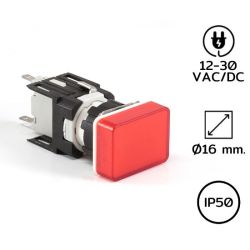 D060DXK Pilot Light Rectangle 16mm. 24VDC LED REDSpecial Price THB 144.00 Regular Price THB 180.00
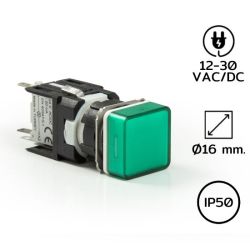 D090KXY Pilot Lights Square 16mm. 24VDC LED GREENSpecial Price THB 144.00 Regular Price THB 180.00
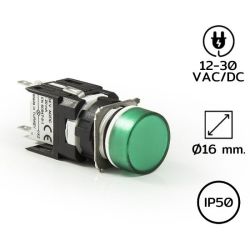 D090YXY Pilot Light Sound 16mm. 24VDC LED GREENSpecial Price THB 144.00 Regular Price THB 180.00
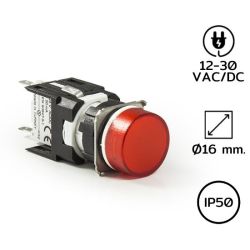 D060YXK Pilot Light Round 16mm. 24VDC LED REDSpecial Price THB 144.00 Regular Price THB 180.00
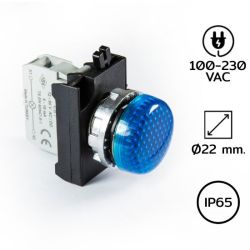 CM0M0XM Pilot Light Ø22 mm 100-230VAC BLUE LEDSpecial Price THB 280.00 Regular Price THB 350.00
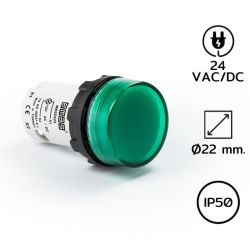 MBSD024Y Pilot Light Ø22 mm 24VAC/DC GREEN LEDSpecial Price THB 112.00 Regular Price THB 140.00
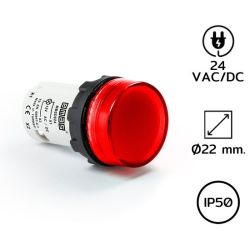 MBSD024K Pilot Light Ø22 mm 24VAC/DC RED LEDSpecial Price THB 112.00 Regular Price THB 140.00
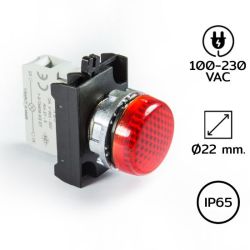 CM0K0XK Pilot Light Ø22 mm 100-230VAC RED LEDSpecial Price THB 280.00 Regular Price THB 350.00
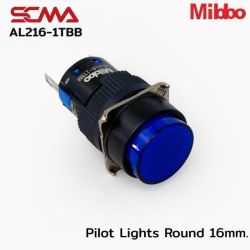 AL216-1TBB Pilot Lights Round 16mm. 12VDC BlueSpecial Price THB 52.50 Regular Price THB 70.00
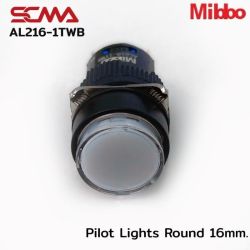 AL216-1TWB Pilot Lights Round 16mm. 12VDC WhiteSpecial Price THB 52.50 Regular Price THB 70.00
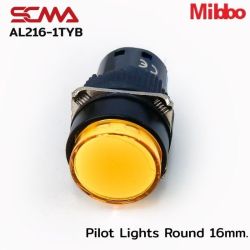 AL216-1TYB Pilot Lights Round 16mm. 12VDC YellowSpecial Price THB 52.50 Regular Price THB 70.00
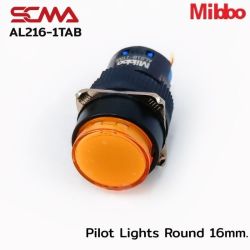 AL216-1TAB Pilot Lights Round 16mm. 12VDC OrangeSpecial Price THB 52.50 Regular Price THB 70.00
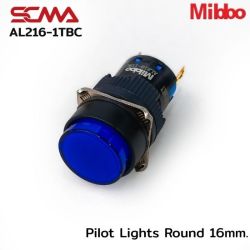 AL216-1TBC Pilot Lights Round 16mm. 24VDC BlueSpecial Price THB 52.50 Regular Price THB 70.00
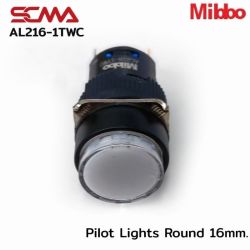 AL216-1TWC Pilot Lights Round 16mm. 24VDC WhiteSpecial Price THB 52.50 Regular Price THB 70.00
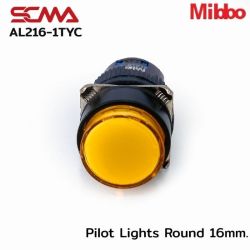 AL216-1TYC Pilot Lights Round 16mm. 24VDC YellowSpecial Price THB 52.50 Regular Price THB 70.00
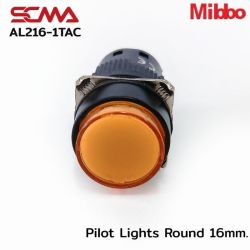 AL216-1TAC Pilot Lights Round 16mm. 24VDC OrangeSpecial Price THB 52.50 Regular Price THB 70.00
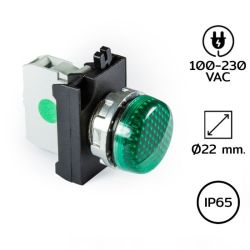 CM0Y0XY Pilot Light Ø22 mm 100-230VAC GREEN LEDSpecial Price THB 280.00 Regular Price THB 350.00
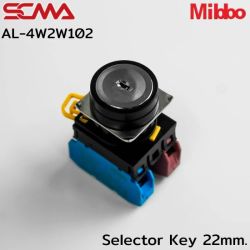 AL-4W2W102 Selector Key 22mm. 3P Maintained White MibboSpecial Price THB 135.00 Regular Price THB 180.00
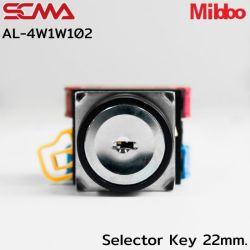 AL-4W1W102 Selector Key 22mm. 3P Momentary White MibboSpecial Price THB 135.00 Regular Price THB 180.00
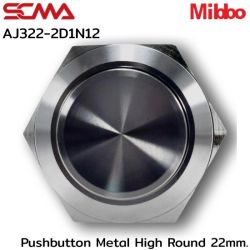 AJ322-2D1N12 Pushbutton Metal High Round 22mm Momentary MibboSpecial Price THB 187.50 Regular Price THB 250.00
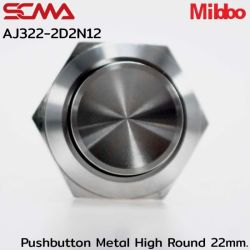 AJ322-2D2N12 Pushbutton Metal High Round 22mm. Maintained MibboSpecial Price THB 210.00 Regular Price THB 280.00
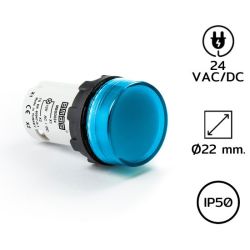 MBSD024M Pilot Light Ø22 mm 24VAC/DC BLUE LEDSpecial Price THB 112.00 Regular Price THB 140.00
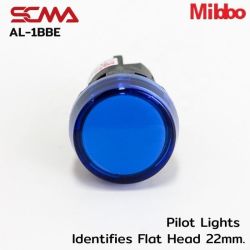 AL-1BBE Pilot Lights Identifies Flat Head 22mm. 220VAC/DC BlueSpecial Price THB 45.00 Regular Price THB 60.00
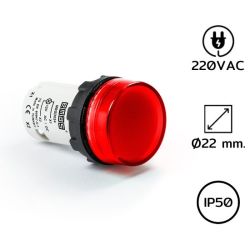 MBSD220K Pilot Light Ø22 mm 220VAC RED LEDSpecial Price THB 104.00 Regular Price THB 130.00
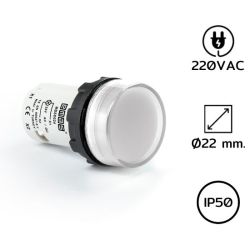 MBSD220B Pilot Light Ø22 mm 220VAC WHITE LEDSpecial Price THB 112.00 Regular Price THB 140.00
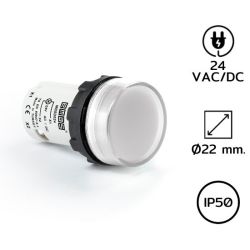 MBSD024B Pilot Light Ø22 mm 24VAC/DC WHITE LEDSpecial Price THB 112.00 Regular Price THB 140.00
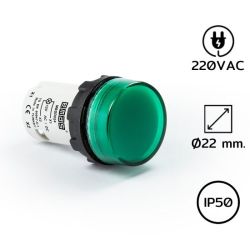 MBSD220Y Pilot Light Ø22 mm 220VAC GREEN LEDSpecial Price THB 104.00 Regular Price THB 130.00
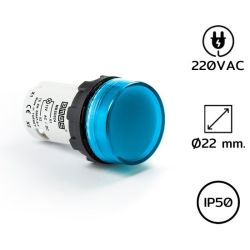 MBSD220M Pilot Light Ø22 mm 220VAC BLUE LEDSpecial Price THB 104.00 Regular Price THB 130.00
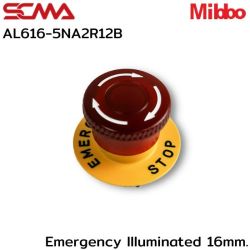 AL616-5NA2R12B Emergency Illuminated 16mm. Maintained With 12VDC MibboSpecial Price THB 195.00 Regular Price THB 260.00
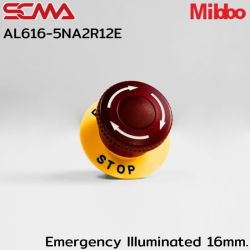 AL616-5NA2R12E Emergency Illuminated 16mm. Maintained With 220VAC MibboSpecial Price THB 202.50 Regular Price THB 270.00
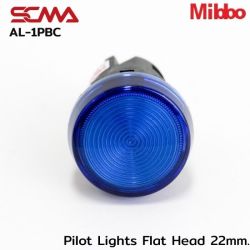 AL-1PBC Pilot Lights Flat Head 22mm. 24VAC/DC BlueSpecial Price THB 45.00 Regular Price THB 60.00
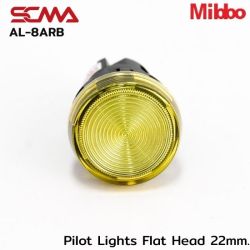 AL-1PYC Pilot Lights Flat Head 22mm. 24VAC/DC YellowSpecial Price THB 45.00 Regular Price THB 60.00
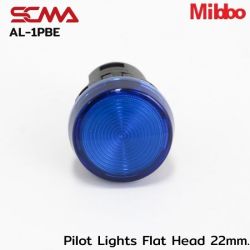 AL-1PBE Pilot Lights Flat Head 22mm. 220VAC/DC BlueSpecial Price THB 45.00 Regular Price THB 60.00
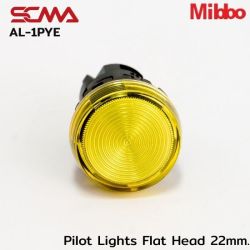 AL-1PYE Pilot Lights Flat Head 22mm. 220VAC/DC YellowSpecial Price THB 45.00 Regular Price THB 60.00
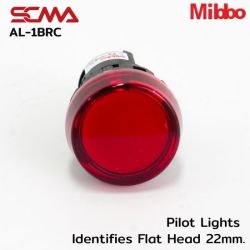 AL-1BRC Pilot Lights Identifies Flat Head 22mm. 24VAC/DC Red MibboSpecial Price THB 45.00 Regular Price THB 60.00
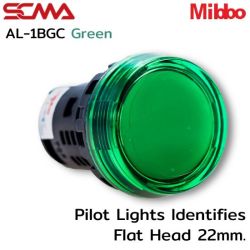 AL-1BGC Pilot Lights Identifies Flat Head 22mm. 24VAC/DC GreenSpecial Price THB 45.00 Regular Price THB 60.00
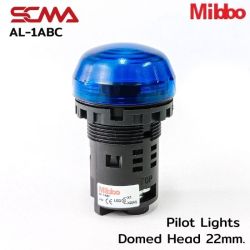 AL-1ABC Pilot Lights Domed Head 22mm. 24VAC/DC BlueSpecial Price THB 45.00 Regular Price THB 60.00
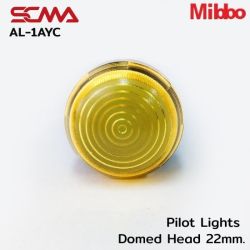 AL-1AYC Pilot Lights Domed Head 22mm. 24VAC/DC YellowSpecial Price THB 45.00 Regular Price THB 60.00
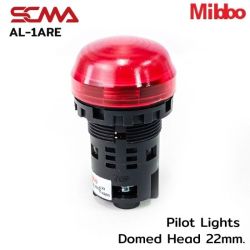 AL-1ARE Pilot Lights Domed Head 22mm. 220VAC/DC RedSpecial Price THB 45.00 Regular Price THB 60.00
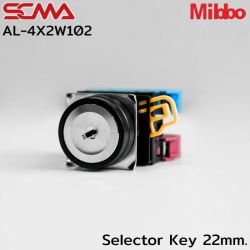 AL-4X2W102 Selector Key 22mm. 2P Maintained White MibboSpecial Price THB 135.00 Regular Price THB 180.00
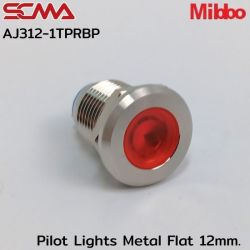 AJ312-1TPRBP Pilot Lights Metal Flat 12mm. 12VDC Red MibboSpecial Price THB 82.50 Regular Price THB 110.00
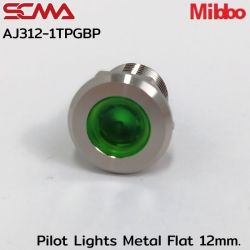 AJ312-1TPGBP Pilot Lights Metal Flat 12mm. 12VDC GreenSpecial Price THB 82.50 Regular Price THB 110.00
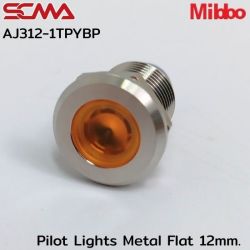 AJ312-1TPYBP Pilot Lights Metal Flat 12mm. 12VDC Yellow MibboSpecial Price THB 82.50 Regular Price THB 110.00
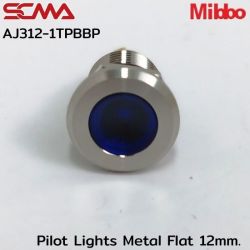 AJ312-1TPBBP Pilot Lights Metal Flat 12mm. 12VDC Blue MibboSpecial Price THB 82.50 Regular Price THB 110.00
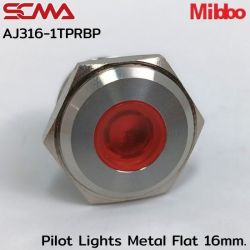 AJ316-1TPRBP Pilot Lights Metal Flat 16mm. 12VDC Red MibboSpecial Price THB 97.50 Regular Price THB 130.00
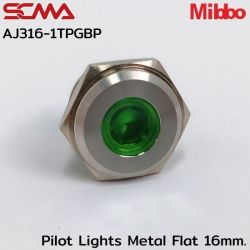 AJ316-1TPGBP Pilot Lights Metal Flat 16mm. 12VDC Green MibboSpecial Price THB 97.50 Regular Price THB 130.00
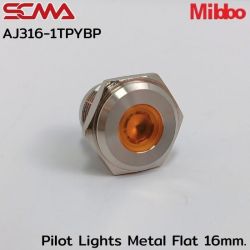 AJ316-1TPYBP Pilot Lights Metal Flat 16mm. 12VDC YellowSpecial Price THB 97.50 Regular Price THB 130.00
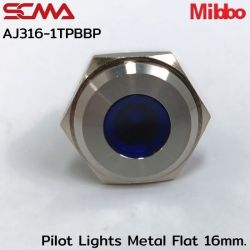 AJ316-1TPBBP Pilot Lights Metal Flat 16mm. 12VDC BlueSpecial Price THB 97.50 Regular Price THB 130.00
What is a Pilot Light?
A Pilot Light, also known as a Status Light, is a signal light designed to indicate the operational status of control systems and industrial machinery. It serves to convey important information through various colors and display patterns, allowing operators to check and monitor the status immediately. This type of indicator has been developed to function efficiently in industrial environments, whether it's indicating readiness, operation, or alerting about abnormalities that need urgent attention. SCMA supplies Pilot Lamps for a variety of industries, ranging from general control applications to those requiring high precision and safety.
Popular Shapes of Pilot Lights
Status lights come in various shapes to suit installation areas and panel designs. Each shape of the Pilot Lamp has its unique advantages, allowing you to choose based on your needs:
Round Shape Pilot Light
The most popular shape of signal light, clearly visible from all angles, ideal for control panels that require prominence and visibility.
Square Shape Pilot Light
Gives a modern and organized feel, commonly used in control panels where Pilot Lights are systematically arranged in rows.
Rectangular Shape Pilot Light
Fits well in limited spaces, allowing signal lights to be installed compactly side by side, saving space on the panel front.
Pilot Light Types Based on Installation Style
Selecting an appropriate Pilot Lamp should consider the installation style to match usage requirements and maintenance. SCMA offers two main types:
Complete Unit Type
A fully assembled signal light from the factory, ready for immediate use without additional assembly. Features are pre-determined by the manufacturer.
- Advantages: Easy and quick installation, reduces work steps, cost-effective compared to modular type, suitable for installations requiring fast Pilot Light setup.
- Considerations: If the signal light or components fail, a complete replacement may be necessary, potentially increasing long-term costs.
Modular Type
A customizable Pilot Lamp where you can choose components such as shape, color, faceplate, and mounting. Ensure compatibility before ordering.
- Advantages: Easy and quick replacement of faulty signal light parts without replacing the entire unit, cost-effective for long-term maintenance, suitable for projects requiring customization flexibility.
- Considerations: Higher initial investment compared to complete units, and if some components are discontinued, finding replacements may be difficult.
Pilot Light Types Based on Functionality
In addition to shape and installation style, Pilot Lamps vary in functionality to meet diverse needs:
Indicator Only Type
A basic signal light that indicates status through color alone, without buttons or alarms. Suitable for general control panel use to show equipment statuses.
With Buzzer Type
In addition to the signal light, it includes an alarm function, suitable for systems requiring urgent alerts or emergency situations, helping operators know issues immediately.
With Push Button Type
A combination of a signal light and push button switch, allowing status indication and system control simultaneously. Suitable for work needing system on/off operations with status checks.
Critical Factors in Selecting Pilot Lights
Selecting the right Pilot Lamp isn't difficult but requires considering key factors to ensure efficient and cost-effective performance:
- Voltage Supply - Check the control panel voltage before ordering signal lights. Pilot Lamps come in various sizes, such as 12VAC/DC, 24VAC/DC, 110-120VAC, and 220-240VAC.
- Light Bulb Color - Choose the color of Pilot Light according to standards or design specifications. Common colors include red, green, yellow, blue, and white.
- Casing Material - Available in plastic (cost-effective but less durable) and metal (more expensive but more durable).
- Bulb Type - Options are filament bulbs and LEDs. LEDs are popular due to longer lifespan, energy efficiency, and durability for signal lights.
- Display Mode - Signal lights have two modes: steady light for normal status indication and flashing light for alerts or attention.
Application of Pilot Lights in Industrial Work
Signal lights are highly versatile and can be used across various industries, from manufacturing to safety control systems:
- Automatic Production Systems - Signal lights indicate production line status, indicating production steps and areas needing attention.
- Electric Control Panels - Signal lights show electrical phases, protective equipment operation, and power supply system status.
- Industrial Machinery - Signal lights indicate readiness, operation, shutdown, or maintenance needs.
- Safety Alert Systems - Signal lights alert for alarms, overloads, emergency stops, and other emergencies.
- Temperature and Pressure Control Systems - Signal lights show heating, cooling, and pressure control system statuses.
Comprehensive Pilot Light System Services by SCMA
At SCMA, we are not just a supplier of Pilot Lights but also technical partners ready to support every step of your project. With over 40 years of experience in the automatic industry systems sector, we understand that selecting appropriate signal lights is crucial for safety and operational efficiency. Our team of expert engineers provides consultation from choosing suitable signal light specifications, designing clear and standard status display systems, installation, to maintenance. We provide high-quality signal lights from leading global brands with warranties and spare parts available, offering after-sales services that are fast and efficient for continuous system operation. Additionally, we offer other sensors to enhance your control systems further.
Summary
Selecting the right Pilot Light is crucial in enhancing operational efficiency and safety in industrial plants. SCMA Company Limited is a reliable partner providing expert consultation and high-quality signal lights from leading global brands. With over 40 years of professional experience, we offer comprehensive services from design to installation and maintenance, committed to delivering solutions that truly meet your needs. Contact us today for free consultation and upgrade your control systems to modern and internationally standard safety levels.
Frequently Asked Questions
Why are LED Pilot Lights better than filament bulbs?
Pilot Light LEDs offer several advantages over filament bulbs, including a much longer lifespan (over 50,000 hours), up to 80% energy savings, clear and consistent light, durability against vibrations and high temperatures, reduced maintenance costs due to less frequent bulb changes. Additionally, LEDs can switch on/off frequently without affecting their lifespan, making them ideal for flashing signal lights. Should I choose a complete unit or modular Pilot Light? The choice depends on usage characteristics and budget. For quick installation with limited budgets, the complete unit is a good option; however, for long-term maintenance flexibility, modular types are more cost-effective as they allow replacing only faulty parts. SCMA's experts can analyze your needs and recommend the best Pilot Light options for your project.
This website uses cookies
We use cookies to make the site work properly, to understand how it is used, and to show content that is relevant to you. You choose which types to allow; strictly necessary cookies are always on. Privacy Policy
🤖 AI Assistant
Ask about products, specs and replacement models
Hello 👋 Ask us anything — find products, compare specs, or troubleshoot.
🗑 Clear history