
SPECIAL PROMOTION — Up to 40% off across many product groups, until 31 December 2026 · Click to see all promotion itemsIFM, Sensor, Automation SystemMeasuring / Testing InstrumentsTemp Indicator, Control, T/C, RTD, TimerHeater, SCR Control, Solid State, Power Supply, Control CabinetField Measuring Instruments, Pressure Gauge, Level Control, Flow MeasurementEMC, Pneumatic, Solenoid ValveInspection Test Lamp, Head Light, Automotive Measuring InstrumentWeighing Scales, Marking Machine, PrintersEducational Training SystemsHot Line Tools & Equipment SPECIAL PROMOTION — Up to 40% off across many product groups, until 31 December 2026 · Click to see all promotion itemsIFM, Sensor, Automation SystemMeasuring / Testing InstrumentsTemp Indicator, Control, T/C, RTD, TimerHeater, SCR Control, Solid State, Power Supply, Control CabinetField Measuring Instruments, Pressure Gauge, Level Control, Flow MeasurementEMC, Pneumatic, Solenoid ValveInspection Test Lamp, Head Light, Automotive Measuring InstrumentWeighing Scales, Marking Machine, PrintersEducational Training SystemsHot Line Tools & Equipment View promotion items View all
Flow Meters
What is a Flow Meter?
A flow meter, or flow measuring device, is an important and popular instrument in manufacturing processes for various industries. It can measure the flow rate of liquids such as water, oil, gas, and air.
There are many types of flow meters to choose from, so it's important to select one that is suitable for your specific application and the medium being measured. This ensures accurate and precise measurement performance.
Types of Flow Meters
- Rotameter Flow Meter - A flow meter that uses a float mechanism to measure the flow rate. Suitable for measuring water, air, gas, or certain chemicals.
- Turbine Flow Meter - This type measures flow by using the rotation of blades or turbines as fluid passes through it. It is better suited for measuring volumetric flow than instantaneous flow rate.
- Variable Area Flow Meter - Uses a float mechanism and a pointer on an indicator to measure the flow rate. This type has the advantage of being easy to read and can be customized with various materials.
- Electromagnetic Flow Meter - Measures flow using magnetic fields without obstructing fluid flow, making it easy to install and highly accurate.
- Oval Gear Flow Meter - Uses oval gears within the meter to measure high viscosity fluids like oil.
- Orifice Plate Flow Meter - Measures flow accurately by using a differential pressure principle on an orifice plate inside the pipe. Suitable for measuring water, oil, or gas.
- Ultrasonic Flow Meter - An instrument that uses high-frequency sound waves to measure flow without physical contact.
Steps for Selecting a Flow Meter
- Choose based on type, as each type of flow meter has different operating principles and should be selected according to the characteristics of the fluid being measured.
- Consider the properties of the fluid such as temperature, pressure, viscosity, or chemical contaminants that need to be measured in the factory.
- Environmental factors - Consider environmental conditions like temperature, pressure, and cleanliness where the flow meter will be installed.
- Accuracy of the Flow Meter - Choose based on its ability to accurately measure flow rate and the purpose of measurement.
- Budget - Consider cost and budget for purchasing a suitable flow meter within your financial constraints.
 Flow Switch Model : FPC04-025GP015/ 1...15 L/min/Plastic/G1Special Price THB 4,800.00 Regular Price THB 6,400.00
- Flow Switch Model : FPC04-020GP015/ 1...15 L/min/Plastic/G3/4Special Price THB 4,125.00 Regular Price THB 5,500.00
- Flow Switch Model : FPC04-015GP015/ 1...15 L/min/Plastic/G1/2Special Price THB 3,450.00 Regular Price THB 4,600.00
- Flow Switch Model : FPC04-010GP015/ 1...15 L/min/Plastic/G3/8Special Price THB 3,450.00 Regular Price THB 4,600.00
- FPC04-025 Flow Switch SANGISpecial Price THB 6,975.00 Regular Price THB 9,300.00
- FPC04-020 Flow Switch SANGISpecial Price THB 6,300.00 Regular Price THB 8,400.00
- FPC04-015 Flow Switch SANGISpecial Price THB 5,625.00 Regular Price THB 7,500.00
- Coriolis Mass Flow Meter : SG-QTCMF-DN15-1-2-2-2-1-A-A-0-G/DN15(1/2")/0.6Mpa/Tri-clamp/-50~200C/ACSpecial Price THB 150,000.00 Regular Price THB 200,000.00
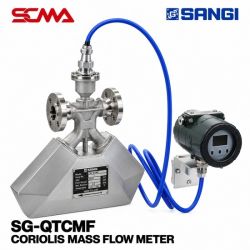 SG-QTCMF Coriolis Mass Flow Meter SANGISpecial Price THB 55,125.00 Regular Price THB 73,500.00
- FPC04-010 Flow Switch SANGISpecial Price THB 5,625.00 Regular Price THB 7,500.00
- Clamp on Ultrasonic Flow Transmitter SG-FUMD-63CM , DN63/ Cement pipeSpecial Price THB 72,900.00 Regular Price THB 97,200.00
Delivery: 30 ต.ค. 2569
- Clamp on Ultrasonic Flow Transmitter SG-FUMD-63-PV, DN63/ PVC pipeSpecial Price THB 72,900.00 Regular Price THB 97,200.00
Delivery: 30 ต.ค. 2569
- Clamp on Ultrasonic Flow Transmitter SG-FUMD-63-GF , DN63/ Glassfiber pipeSpecial Price THB 72,900.00 Regular Price THB 97,200.00
Delivery: 30 ต.ค. 2569
- Clamp on Ultrasonic Flow Transmitter SG-FUMD-63-CI , DN63/ Cast iron pipeSpecial Price THB 72,900.00 Regular Price THB 97,200.00
Delivery: 30 ต.ค. 2569
- Clamp on Ultrasonic Flow Transmitter SG-FUMD-63-SS , DN63/ Stainless steel pipeSpecial Price THB 72,900.00 Regular Price THB 97,200.00
Delivery: 30 ต.ค. 2569
- Clamp on Ultrasonic Flow Transmitter SG-FUMD-50CM , DN50/ Cement pipeSpecial Price THB 61,350.00 Regular Price THB 81,800.00
Delivery: 30 ต.ค. 2569
- Clamp on Ultrasonic Flow Transmitter SG-FUMD-50-GF , DN50/ Glassfiber pipeSpecial Price THB 61,350.00 Regular Price THB 81,800.00
Delivery: 30 ต.ค. 2569
- Clamp on Ultrasonic Flow Transmitter SG-FUMD-50-CI , DN50/ Cast iron pipeSpecial Price THB 61,350.00 Regular Price THB 81,800.00
Delivery: 30 ต.ค. 2569
- Clamp on Ultrasonic Flow Transmitter SG-FUMD-50-SS , DN50/ Stainless steel pipeSpecial Price THB 61,350.00 Regular Price THB 81,800.00
Delivery: 30 ต.ค. 2569
- Clamp on Ultrasonic Flow Transmitter SG-FUMD-40CM , DN40/ Cement pipeSpecial Price THB 54,750.00 Regular Price THB 73,000.00
Delivery: 30 ต.ค. 2569
- Clamp on Ultrasonic Flow Transmitter SG-FUMD-40-PV, DN40/ PVC pipeSpecial Price THB 54,750.00 Regular Price THB 73,000.00
Delivery: 30 ต.ค. 2569
- Clamp on Ultrasonic Flow Transmitter SG-FUMD-40-GF , DN40/ Glassfiber pipeSpecial Price THB 54,750.00 Regular Price THB 73,000.00
Delivery: 30 ต.ค. 2569
- Clamp on Ultrasonic Flow Transmitter SG-FUMD-40-CI , DN40/ Cast iron pipeSpecial Price THB 54,750.00 Regular Price THB 73,000.00
Delivery: 30 ต.ค. 2569
- Clamp on Ultrasonic Flow Transmitter SG-FUMD-40-SS , DN40/ Stainless steel pipeSpecial Price THB 54,750.00 Regular Price THB 73,000.00
Delivery: 30 ต.ค. 2569
- Clamp on Ultrasonic Flow Transmitter SG-FUMD-32-CM , DN32/ Cement pipeSpecial Price THB 52,500.00 Regular Price THB 70,000.00
Delivery: 30 ต.ค. 2569
- Clamp on Ultrasonic Flow Transmitter SG-FUMD-32-PV, DN32/ PVC pipeSpecial Price THB 52,500.00 Regular Price THB 70,000.00
Delivery: 30 ต.ค. 2569
- Clamp on Ultrasonic Flow Transmitter SG-FUMD-32-GF , DN32/ Glassfiber pipeSpecial Price THB 52,500.00 Regular Price THB 70,000.00
Delivery: 30 ต.ค. 2569
- Clamp on Ultrasonic Flow Transmitter SG-FUMD-32-CI , DN32/ Cast iron pipeSpecial Price THB 52,500.00 Regular Price THB 70,000.00
Delivery: 30 ต.ค. 2569
- Clamp on Ultrasonic Flow Transmitter SG-FUMD-32-SS , DN32/ Stainless steel pipeSpecial Price THB 52,500.00 Regular Price THB 70,000.00
Delivery: 30 ต.ค. 2569
- Clamp on Ultrasonic Flow Transmitter SG-FUMD-25-CM , DN25/ Cement pipeSpecial Price THB 47,850.00 Regular Price THB 63,800.00
Delivery: 30 ต.ค. 2569
- Clamp on Ultrasonic Flow Transmitter SG-FUMD-25-PV, DN25/ PVC pipeSpecial Price THB 47,850.00 Regular Price THB 63,800.00
Delivery: 30 ต.ค. 2569
- Clamp on Ultrasonic Flow Transmitter SG-FUMD-25-GF , DN25/ Glassfiber pipeSpecial Price THB 47,850.00 Regular Price THB 63,800.00
Delivery: 30 ต.ค. 2569
- Clamp on Ultrasonic Flow Transmitter SG-FUMD-25-CI , DN25/ Cast iron pipeSpecial Price THB 47,850.00 Regular Price THB 63,800.00
Delivery: 30 ต.ค. 2569
- Clamp on Ultrasonic Flow Transmitter SG-FUMD-25-CS , DN25/ Carbon steel pipeSpecial Price THB 47,850.00 Regular Price THB 63,800.00
Delivery: 30 ต.ค. 2569
- Clamp on Ultrasonic Flow Transmitter SG-FUMD-20-CM , DN20/ Cement pipeSpecial Price THB 47,850.00 Regular Price THB 63,800.00
Delivery: 30 ต.ค. 2569
- Clamp on Ultrasonic Flow Transmitter SG-FUMD-20-GF , DN20/ Glassfiber pipeSpecial Price THB 47,850.00 Regular Price THB 63,800.00
Delivery: 30 ต.ค. 2569
- Clamp on Ultrasonic Flow Transmitter SG-FUMD-20-CI , DN20/ Cast iron pipeSpecial Price THB 47,850.00 Regular Price THB 63,800.00
Delivery: 30 ต.ค. 2569
- Clamp on Ultrasonic Flow Transmitter SG-FUMD-20-SS , DN20/ Stainless steel pipeSpecial Price THB 47,850.00 Regular Price THB 63,800.00
Delivery: 30 ต.ค. 2569
- Ultrasonic Flow Meter : SG-QTDS-100F-W-G1(DIN PN10)-DN200-x-x-5-N-1 / Flange Type Carbon steel bodySpecial Price THB 36,375.00 Regular Price THB 48,500.00
Delivery: 30 ต.ค. 2569
- Ultrasonic Flow Meter Clamp-on : SG-QTDS-100F-W-S2-xx-x-x-30-N-0/Wall Mounted/DN15-DN100/cable 30mSpecial Price THB 31,350.00 Regular Price THB 41,800.00
- Ultrasonic Flow Meter Clamp-on : SG-QTDS-100F-W-S2-xx-x-x-20-N-0/Wall Mounted/DN15-DN100Special Price THB 25,200.00 Regular Price THB 33,600.00
- Ultrasonic Flow Meter Clamp-on : SG-QTDS-100F-W-M2-xx-x-x-10-N-0/Wall Mounted/DN50-DN700Special Price THB 28,650.00 Regular Price THB 38,200.00
- Ultrasonic Flow Meter Clamp-on : SG-QTDS-100F-W-HM-xx-x-x-5-N-0/Wall Mounted/DN50-DN700/30..160CSpecial Price THB 27,900.00 Regular Price THB 37,200.00
- Ultrasonic Flow Meter Clamp-on : SG-QTDS-100F-W-HS-xx-x-x-5-N-0/Wall Mounted/DN15-DN100/30..160CSpecial Price THB 27,900.00 Regular Price THB 37,200.00
- Ultrasonic Flow Meter Clamp-on : SG-QTDS-100F-W-M2-xx-x-x-5-N-0/Wall Mounted/DN50-DN700Special Price THB 27,900.00 Regular Price THB 37,200.00
- Ultrasonic Flow Meter Clamp-on : SG-QTDS-100F-W-S2-xx-x-x-5-N-0/Wall Mounted/DN15-DN100Special Price THB 27,900.00 Regular Price THB 37,200.00
- Ultrasonic Flow Meter Clamp-on: SG-QTDS-100F-W-HM-xx-x-x-30-N-0/Wall Mounted/DN50-700/30M CableSpecial Price THB 31,350.00 Regular Price THB 41,800.00
- Ultrasonic Flow Meter Clamp-on : SG-QTDS-100F-W-M2-xx-x-x-5-N-1 /Wall Mounted/DN50-DN700Special Price THB 23,100.00 Regular Price THB 30,800.00
Flow Meter (Flow Measurement Device)
In modern industrial plants, controlling and monitoring the flow of liquids or gases is crucial for efficient production processes. Flow meters are therefore essentialmeasurement and control devicesfor resource management, quality control, and increasing the efficiency of your plant.
What is a Flow Meter?
A flow meter is an instrument that measures the volume or mass of flowing substances (liquids and gases) moving through pipes to calculate flow rate. Flow meterscome in various types that work on different principles, including digital models sending data to automated systems and analog models with rotating dials. In particular, water flow meters are highly popular across many industries.
Popular Types of Flow Meters Used in Industries
Flow meters come in a variety of types, each with unique working principles and advantages. Let's explore the different kinds of flow meters and their applications.
Electromagnetic Flow Meter (Magnetic Flow Meter)
Uses magnetic fields to measure fluid flow without obstructing it. Easy to install and highly accurate, suitable for measuring water and conductive liquids.
Turbine Flow Meter (Turbine Meter)
Works by spinning blades as fluid passes through, timing the flow rate. Suitable for measuring large volumes of liquid rather than real-time flow rates.
Ultrasonic Flow Meter (Acoustic Flow Meter)
Uses high-frequency sound waves to measure fluid flow without direct contact, suitable for fluids that require non-contact measurement.
Rotameter Flow Meter (Variable Area Flow Meter)
Works with a float inside a clear glass tube, easy to read and cost-effective. Suitable for measuring water, air, gas, or certain chemicals.
Oval Gear Flow Meter (Oval Gear Meter)
Operates by oval gears rotating as fluid passes through, highly accurate and suitable for viscous fluids like oil.
Orifice Plate Flow Meter (Differential Pressure Flow Meter)
Works on the principle of pressure difference across an orifice plate in a pipe, accurate and versatile. Suitable for measuring water, oil, or gas.
Variable Area Flow Meter (Rotameter)
Uses a float and a pointer on the display to indicate flow rate, easy to read and customizable with various materials. Suitable for many types of fluids.
How Each Type of Flow Meter Works
Each type of flow meter has unique technology and working principles. Let's understand the main operating principles:
Magnetic Flow Meter (Electromagnetic Flow Meter)
When conductive liquids pass through a magnetic field, an electrical voltage is generated according to Faraday’s law proportional to the fluid velocity. This system is ideal formeasuring water flowin plumbing and industrial systems.
Thermal Flow Meter (Heat Dissipation Flow Meter)
Works by measuring temperature changes between two points with an RTD sensor. When gas flows through, the temperature difference between probes directly correlates to the volume of gas.
How to Choose a Flow Meter for Your Application
Selecting the right flow meter can ensure accurate results and cost-effectiveness. Understanding the differences among types will help you make better decisions. Here are key factors to consider:
- Flow Meter Type - Each type has unique working principles, so choose one that suits the fluid characteristics you need to measure, such as water, oil, or gas.
- Fluid Properties - Consider temperature, pressure, viscosity, and chemical contaminants in the fluid. Each type of flow meter has different limitations.
- Installation Environment - Look at ambient temperatures, pipe pressure, and cleanliness of the installation environment to choose appropriate materials and types.
- Accuracy Required - Choose based on measurement accuracy capabilities and application needs. Some processes require high precision, while others can tolerate approximations.
- Budget and Cost - Consider both purchase cost and maintenance costs to select a flow meter that fits your budget and provides long-term value.
Why Do Industries Need Flow Meters?
Installing flow meters is essential for enhancing plant efficiency and safety. The benefits of flow meters are more than you think. Here's why:
- Process Monitoring and Control - Enables operators to track real-time flow rates and mass quantities, ensuring product quality and production efficiency meet standards.
- Immediate Leak Detection - Flow meters are crucial for early detection of pipe leaks, reducing resource loss, saving costs, and preventing environmental impacts.
- Increase Plant Safety - Used in conjunction with pressure gauges to prevent excessive pipe pressure and control cooling process flow rates appropriately, reducing accident risks.
- Comply With Environmental Standards - Accurately measure greenhouse gas emissions, waste discharge, and water usage to comply with environmental regulations and report data comprehensively.
All-Inclusive Flow Meter Solutions from SCMA for Every Industry
SCMA Company Limited, experts in automation and instrumentation systems for over 40 years, is ready to partner with you in selecting, designing, and installing the right flow meter system for your plant. With a professional engineering team and products from leading global brands like ifm electronic, weoffer comprehensive solutions and servicesfrom requirement analysis to installation, training, and quick after-sales service.
Summary
Flow meters are essential tools for every plant to control production processes, conserve resources, and enhance safety. Choosing the right flow meter and having it professionally installed will help you maximize benefits.Learn moreabout flow meter technology and innovations. If you're looking for a solution tailored to your plant, contact SCMA today for free consultation.
Frequently Asked Questions About Flow Meters
What Can Flow Meters Measure?
Flow meters can measure various types of liquids and gases, including water, oil, gas, air, and chemicals, depending on the type selected.
Which Type is Best for Measuring Water?
Electromagnetic flow meters are popular choices for measuring water due to their non-obstructive design, high accuracy, and ease of installation.
How Often Should I Replace a Flow Meter?
It depends on usage and maintenance. With regular maintenance and proper use, flow meters can last for many years.
Are Flow Meters Expensive?
Prices vary by type and accuracy. Consider both purchase cost and long-term maintenance costs along with the benefits of energy and resource savings.
This website uses cookies
We use cookies to make the site work properly, to understand how it is used, and to show content that is relevant to you. You choose which types to allow; strictly necessary cookies are always on. Privacy Policy
🤖 AI Assistant
Ask about products, specs and replacement models
Hello 👋 Ask us anything — find products, compare specs, or troubleshoot.
🗑 Clear history