
SPECIAL PROMOTION — Up to 40% off across many product groups, until 31 December 2026 · Click to see all promotion itemsIFM, Sensor, Automation SystemMeasuring / Testing InstrumentsTemp Indicator, Control, T/C, RTD, TimerHeater, SCR Control, Solid State, Power Supply, Control CabinetField Measuring Instruments, Pressure Gauge, Level Control, Flow MeasurementEMC, Pneumatic, Solenoid ValveInspection Test Lamp, Head Light, Automotive Measuring InstrumentWeighing Scales, Marking Machine, PrintersEducational Training SystemsHot Line Tools & Equipment SPECIAL PROMOTION — Up to 40% off across many product groups, until 31 December 2026 · Click to see all promotion itemsIFM, Sensor, Automation SystemMeasuring / Testing InstrumentsTemp Indicator, Control, T/C, RTD, TimerHeater, SCR Control, Solid State, Power Supply, Control CabinetField Measuring Instruments, Pressure Gauge, Level Control, Flow MeasurementEMC, Pneumatic, Solenoid ValveInspection Test Lamp, Head Light, Automotive Measuring InstrumentWeighing Scales, Marking Machine, PrintersEducational Training SystemsHot Line Tools & Equipment View promotion items View all
Water Quality Meters
What are Water Quality Meters?
Water Quality Meters are instruments used to measure various parameters of water quality, such as pH, turbidity, dissolved oxygen, TDS (Total Dissolved Solids), conductivity, and more.
The working principles vary depending on different technologies:
- pH Meters measure the acidity or alkalinity of water using a glass sensor sensitive to hydrogen ions.
- Turbidity Meters measure water clarity by using laser or LED light and measuring the scattered light through the water.
- Dissolved Oxygen Meters use electrode or optical sensors to measure dissolved oxygen levels in water.
- TDS Meters measure the amount of solids dissolved in water using electrical conductivity principles.
- Conductivity Meters measure the ability of water to conduct electricity, calculating ion concentration.
- Chlorine Meters measure chlorine levels in water using chemical methods or electrodes.
Types of Water Quality Meters
- Portable Water Quality Meters for field use and on-site inspections.
- Benchtop Water Quality Meters used in laboratories requiring high accuracy and detailed analysis.
- Online Water Quality Analyzers installed in production systems for continuous water quality monitoring, suitable for industrial use.
Applications of Water Quality Meters
- For wastewater treatment by checking various substances to evaluate the effectiveness of treatment processes.
- In drinking water production, controlling water quality according to safety standards.
- In aquaculture for monitoring water quality in fish farms and aquatic animal environments to maintain good conditions.
- In food and beverage industries, checking the quality of water used in production processes and products.
- For environmental research and water quality analysis.
- In agriculture for monitoring water quality used in farming and livestock care.
Famous Brands of Water Quality Meters
- Hach, renowned for high-precision water quality measurement instruments.
- Hanna Instruments, a reliable brand in the field of water quality measurement with high accuracy.
- KEPLER INSTRUMENTS, offering a wide range of high-quality and reliable products.
- LaMotte known for producing accurate and durable water quality measurement tools.
- Thermo Fisher Scientific with a diverse range of high-quality products in water analysis.
- YSI, renowned for manufacturing precise and durable water quality measuring instruments.
View Water Quality Meters Catalog : Click here
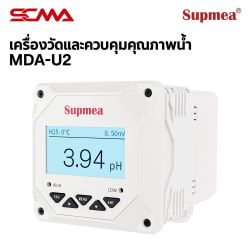 MDA-U2 UNIVERSAL CONTROLLER SUPMEASpecial Price THB 8,850.00 Regular Price THB 11,800.00
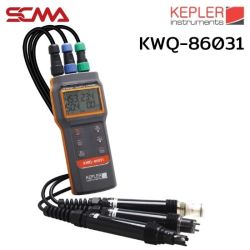 KWQ-86031 Combo Water Quality Meter KEPLERSpecial Price THB 11,360.00 Regular Price THB 14,200.00
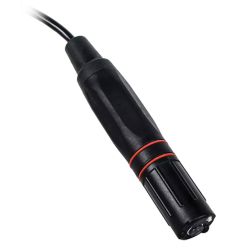 SUPMEA Water Quality Meters, pH Meter Model SUP-PH8001Special Price THB 6,400.00 Regular Price THB 8,000.00
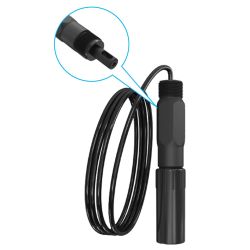 SUPMEA TDS Meter Model SUP-TDS8001Special Price THB 12,000.00 Regular Price THB 15,000.00
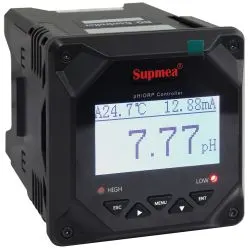 SUPMEA Water Quality Meters Model SUP-DC2000Special Price THB 8,400.00 Regular Price THB 10,500.00
Delivery: 30 ต.ค. 2569
Water Quality Meter (Water Quality Meter)
Water quality control is crucial in many industries, from wastewater treatment to food and beverage production. Choosing an appropriate and accurate water quality meter is essential to avoid errors. This article delves into the principles of selecting a water quality meter or water tester that matches real-world usage requirements to ensure that all measured parameters are correct and reliable engineering-wise.
What is a Water Quality Meter
A water quality meter is an electronic device designed to analyze and monitor the physical, chemical, and biological properties of water to assess its suitability for use or discharge into public areas. These tools, also known as water analyzers and water quality meters, measure various parameters such as pH (acidity-alkalinity), TDS (total dissolved solids), EC (electrical conductivity), or DO (dissolved oxygen) through a dissolved oxygen sensor. Data from water quality testing is crucial for process control, environmental protection, and compliance with relevant water quality standards.
The Importance of Water Quality Testing in Various Fields
Regular water quality testing is a comprehensive risk management measure that covers multiple dimensions. In the industrial sector, accurate water quality data helps control wastewater treatment systems to comply with regulations, reduce fines, and enhance organizational reputation. For agriculture and fisheries, information from water quality meters enables farmers to adjust water conditions for optimal plant and aquatic animal growth, increasing yields and reducing losses. In public health, monitoring drinking and utility water sources prevents disease outbreaks, leading to improved community well-being.
Key Parameters to Know Before Buying a Water Quality Meter
Before deciding on purchasing a water quality meter, it is necessary to understand the basic parameters related to its use to get an equipment that best meets your needs. Common important parameters include:
- pH (Acidity-Alkalinity): Indicates the chemical state of water, affecting various reactions and the survival of organisms in water. The general standard range is 6.5-8.5.
- DO (Dissolved Oxygen): Measures the amount of oxygen dissolved in water, detected by a dissolved oxygen sensor. This is crucial for aerated wastewater treatment systems and aquatic animal husbandry.
- EC (Electrical Conductivity) / TDS (Total Dissolved Solids): Indicates the electrical conductivity and total dissolved solids, reflecting the concentration of minerals and salts in water. Often used to check water purity in filtration systems or boilers.
- Turbidity (Clarity): Measures water clarity by checking suspended sediment levels, which is an indicator of the efficiency of a filtration system.
- Temperature: A basic factor affecting other parameters such as pH and DO, as well as chemical reaction rates in water.
How does a water quality meter work?
The operating mechanism of each type of water meter varies according to the parameters being measured, but generally relies on converting physical or chemical signals into electrical signals:
- Sensor: This is the front-line data collector, such as a pH Sensor which uses a glass probe to measure voltage differences from hydrogen ions or a DO Sensor that employs diffusion through a membrane or optical technology to measure oxygen levels.
- Transducer: Converts the signals received from the sensor (such as voltage or current) into readable numerical values through high-precision electronic circuits.
- Display: Shows real-time measurement values. Newer models often have automatic temperature compensation (ATC) functions for maximum accuracy and can log data for further analysis.
Types of Water Quality Meter
There are several types of water quality meters available in the market, categorized by their usage and data precision:
- Pen-Type: Compact size, easy to carry around, affordable price, suitable for initial testing without requiring high accuracy such as measuring pH in swimming pools or aquariums
- Portable Type: High durability, designed specifically for field work, usually comes with a detachable probe and longer cables offering more functions than pen-type meters, providing high accuracy and reliability
- Benchtop Type: Standard equipment for laboratories, offers the highest precision and resolution, supports data connection to computers, suitable for research and analysis requiring high accuracy
- Online/Process Meter: Permanently installed in pipelines or tanks for continuous monitoring of water quality 24 hours a day, and can send signals to control automatic systems. Read more about different types of equipment herehere
5 Steps to Select the Right Water Quality Meter for Your Needs
To ensure you get a tool that is truly cost-effective and meets your requirements, consider the following simple steps:
- 1. Define Purpose (Why?): Clearly determine what type of water you will be measuring, such as drinking water, wastewater, or agricultural water, because each application has different standards.
- 2. Specify Parameters (What?): Choose a meter that measures the necessary parameters such as pH and TDS for drinking water systems, or BOD, COD, and DO for wastewater treatment.
- 3. Select Meter Type (How?): Consider the usage environment; if multiple measurement points are required, a portable meter is suitable, but for high precision in labs, choose a benchtop model.
- 4. Accuracy: Check the error tolerance specifications of the meter to see if it meets your work requirements; research typically requires higher accuracy than general applications.
- 5. Budget and Standards (Budget & Standard): Compare prices and compliance standards (such as ISO, IP Rating) to get the best quality meter within your budget.
Comprehensive Water Quality Meter Solutions from SCMA for All Industries
If you are looking for confidence in water quality analysis results, SCMA is ready to provide technical consultation and supply high-quality water quality meters from leading global brands. Whether it's wastewater treatment systems, drinking water quality control, or cooling water systems in factories, our team of engineers offers services from equipment specification selection, installation, calibration, to maintenance, ensuring your water systemmeets standards and is safe for usecovering all needs.
Summary
Selecting the right water quality meter is key to successfully managing water sustainably. Investing in high-quality and accurate tools helps reduce long-term costs, risks, and builds confidence in every drop of water processed. For additional advice on models suitable for your work, you can consult experts from SCMA immediately.
Frequently Asked Questions
What should the pH level of drinking water be?
According to World Health Organization (WHO) and Thai law, the suitable pH level for drinking water should range between 6.5 to 8.5.
How often do you need to calibrate the meter?
It is recommended to calibrate at least once a month, or before each important measurement, to ensure that the readings are accurate and not affected by time.
Is a Multi-parameter Meter Good?
It is good and cost-effective for those who need to measure multiple parameters at once, as it saves time and eliminates the need to carry multiple tools. However, it may be more expensive than single-function meters.
This website uses cookies
We use cookies to make the site work properly, to understand how it is used, and to show content that is relevant to you. You choose which types to allow; strictly necessary cookies are always on. Privacy Policy
🤖 AI Assistant
Ask about products, specs and replacement models
Hello 👋 Ask us anything — find products, compare specs, or troubleshoot.
🗑 Clear history