
SPECIAL PROMOTION — Up to 40% off across many product groups, until 31 December 2026 · Click to see all promotion itemsIFM, Sensor, Automation SystemMeasuring / Testing InstrumentsTemp Indicator, Control, T/C, RTD, TimerHeater, SCR Control, Solid State, Power Supply, Control CabinetField Measuring Instruments, Pressure Gauge, Level Control, Flow MeasurementEMC, Pneumatic, Solenoid ValveInspection Test Lamp, Head Light, Automotive Measuring InstrumentWeighing Scales, Marking Machine, PrintersEducational Training SystemsHot Line Tools & Equipment SPECIAL PROMOTION — Up to 40% off across many product groups, until 31 December 2026 · Click to see all promotion itemsIFM, Sensor, Automation SystemMeasuring / Testing InstrumentsTemp Indicator, Control, T/C, RTD, TimerHeater, SCR Control, Solid State, Power Supply, Control CabinetField Measuring Instruments, Pressure Gauge, Level Control, Flow MeasurementEMC, Pneumatic, Solenoid ValveInspection Test Lamp, Head Light, Automotive Measuring InstrumentWeighing Scales, Marking Machine, PrintersEducational Training SystemsHot Line Tools & Equipment View promotion items View all
Cartridge heater
What is a Cartridge Heater? A Guide to Selecting and Using for Industry
In industrial production processes that require heat, accurately and consistently controlling temperature is crucial for success. One of the best devices for this task is the cartridge heater, commonly known as a heating element. This article by SCMA will guide you through understanding this equipment in detail, from its operating principles to selecting the right cartridge heater for your specific needs, all the way to practical usage techniques across various industries, ensuring that you can use heaters efficiently and safely.
Features of Cartridge Heaters
- Used for heating molds, plastic cutting blades, packaging machines, hot plates or adhesives, etc.
- Available in tube sizes ø6-25.4 mm.
- Length ranges from 40-1000 mm.
- Available in various wattage options and can be custom-made to fit any design requirements
Benefits of Using Cartridge Heaters
- Used to heat molds in various forms.
- Used for plastic injection molding, packaging work, and packing machines.
- Used to heat hot plates or adhesive heating processes, etc.
View the Cartridge Heater Catalog Click Here
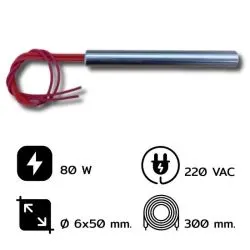 CARTRIDGE HEATER SANGI ROUND HEATER 300 mm. SIZE 6x50Special Price THB 840.00 Regular Price THB 1,050.00
Delivery: 30 ต.ค. 2569
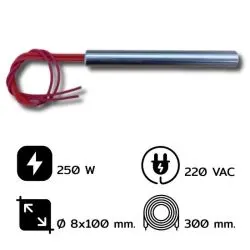 CARTRIDGE HEATER SANGI ROUND HEATER 300 mm. SIZE 8x100Special Price THB 720.00 Regular Price THB 900.00
Delivery: 30 ต.ค. 2569
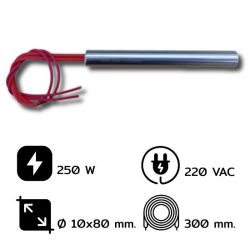 CARTRIDGE HEATER SANGI ROUND HEATER 300 mm. SIZE 10x80Special Price THB 704.00 Regular Price THB 880.00
Delivery: 30 ต.ค. 2569
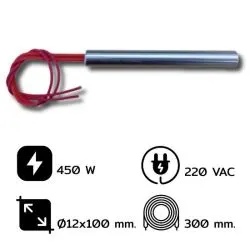 CARTRIDGE HEATER SANGI ROUND HEATER 300 mm. SIZE 12x100Special Price THB 760.00 Regular Price THB 950.00
Delivery: 30 ต.ค. 2569
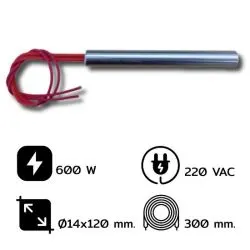 CARTRIDGE HEATER SANGI ROUND HEATER 300 mm. SIZE 14x120Special Price THB 824.00 Regular Price THB 1,030.00
Delivery: 30 ต.ค. 2569
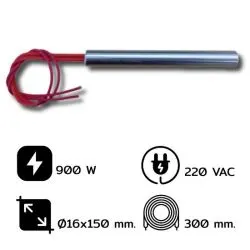 Cartridge Heater SANGI Round Heater 300 mm. Size 16x150Special Price THB 920.00 Regular Price THB 1,150.00
Delivery: 30 ต.ค. 2569
What is a Cartridge Heater? Basic Understanding of the Heating Element
A Cartridge Heater, or heating element rod, is an electrical heating device designed to have a cylindrical shape. It contains high-resistance wire conductors that convert electrical energy into thermal energy when current flows through them. The external structure is typically encased in metal tubing (such as stainless steel) and insulated for safety. Due to its compact design and high heat output capability, this type of heater is commonly inserted into pre-drilled holes in metal molds or machine parts where localized heating is required within a limited space.
Main Functions of Cartridge Heaters
The primary function of cartridge heaters is to transfer heat directly to the workpiece through thermal conduction, which is crucial for industrial applications:
- Heating molds: Maintaining consistent temperature in plastic injection molds, metal stamping machines, or adhesive spray heads.
- Heating liquids: Can be used to boil water or warm oil in small tanks or pipelines.
- Molding processes: Used in plastic bagging machines, packaging sealing equipment, or ceramic forming operations.
- Localized heating solutions: Ideal for providing heat in hard-to-reach areas or confined spaces.
Significance in Industrial Manufacturing Processes
In the context of manufacturing engineering, cartridge heaters play a crucial role in quality control due to their high-density (high density) heating capability, allowing rapid and precise temperature increases. Installation is simple by inserting them into pre-drilled holes, reducing the complexity of machinery systems. Additionally, they are highly durable for continuous long-term use, aligning with the concept of minimizing downtime in industrial plants.
Application of Cartridge Heaters Across Various Businesses
Cartridge heaters are not limited to heavy industries but are integrated into various businesses that require heat during production processes:
- Plastic Industry: Essential for heating plastic injection molds (Injection Molding), blow molding bottles, and plastic extrusion work to melt and shape plastics beautifully.
- Packaging Industry: Used in bag sealing machines, bottle cap sealing equipment, and automatic packaging machines that require heat for adhesive or plastic sealing.
- Rubber Industry: Provides heat to rubber compression molds to ensure proper curing and shaping of rubber products, including vulcanization processes.
- Mold and Metal Industries: Applied in certain metal annealing operations or preheating mold stamping dies to reduce wear and improve surface quality of the workpiece.
How to Select a Cartridge Heater for Your Application
Selecting an improperly specified cartridge heater is often the main reason for short lifespan and energy wastage. The SCMA engineering team recommends these guidelines:
1. Size of Mold Hole vs. Heater (Fit & Clearance)
This is the most critical factor: the heater must be slightly smaller than the mold hole (about 0.02 - 0.04 mm) to fit snugly, but it needs to "fit" properly when the heater expands upon heating. If the hole is too loose, air will get trapped in the center, which acts as an insulator, preventing heat transfer and eventually causing the heater to burn out.
2. Watt Density
Select based on your application:
- High Density (high density): For high-temperature applications (>400°C), fast heating, durable but more expensive.
- Low Density (low density): For general use at moderate temperatures, cost-effective.
3. Wattage Calculation must be based on the actual heat requirement by considering mold mass, heating time, and target temperature. Excessive wattage does not always improve performance but may shorten equipment lifespan.
4. Material and Wire Selection: If used in environments with vibration or moisture, choose wires that are heat-resistant and well-insulated, and apply thermal compound thinly before installation.
For those seeking detailed safety standards information on heaters, further study can be done at DwyerOmega Resources.
If You're Interested in Cartridge Heaters, SCMA is Ready to Serve!
Whether you are looking for high-quality cartridge heaters or need consultation on wattage calculation and heat system design, SCMA is ready to be your technical partner. We have a team of expert engineers available to advise from specification selection through installation and maintenance to ensure that you receive cost-effective solutions and improve production efficiency. You can view more details about our products and services or contact us for free consultation immediately.
Summary
A cartridge heater is a small component with significant impact on manufacturing quality. Understanding its working principles and selecting it correctly based on size, watt density, and installation will extend the lifespan of machinery, reduce waste, and save long-term energy costs.
Frequently Asked Questions
Why do cartridge heaters break frequently?
The primary cause is "too loose mold holes," leading to heat accumulation in the heater until internal wires burn out. Secondary causes include selecting watt density too high for material tolerance.
Is it necessary to apply thermal compound?
Highly recommended: Applying a thin layer of thermal compound helps remove air and increases heat transfer efficiency from the heater surface to the mold, extending its lifespan.
How do you measure heater size accurately?
Use vernier calipers to measure the mold hole size and order heaters that are approximately 0.02-0.05 mm smaller (tolerance). Do not use heaters of exact fit as they may be difficult to insert or remove after use.
This website uses cookies
We use cookies to make the site work properly, to understand how it is used, and to show content that is relevant to you. You choose which types to allow; strictly necessary cookies are always on. Privacy Policy
🤖 AI Assistant
Ask about products, specs and replacement models
Hello 👋 Ask us anything — find products, compare specs, or troubleshoot.
🗑 Clear history