
SPECIAL PROMOTION — Up to 40% off across many product groups, until 31 December 2026 · Click to see all promotion itemsIFM, Sensor, Automation SystemMeasuring / Testing InstrumentsTemp Indicator, Control, T/C, RTD, TimerHeater, SCR Control, Solid State, Power Supply, Control CabinetField Measuring Instruments, Pressure Gauge, Level Control, Flow MeasurementEMC, Pneumatic, Solenoid ValveInspection Test Lamp, Head Light, Automotive Measuring InstrumentWeighing Scales, Marking Machine, PrintersEducational Training SystemsHot Line Tools & Equipment SPECIAL PROMOTION — Up to 40% off across many product groups, until 31 December 2026 · Click to see all promotion itemsIFM, Sensor, Automation SystemMeasuring / Testing InstrumentsTemp Indicator, Control, T/C, RTD, TimerHeater, SCR Control, Solid State, Power Supply, Control CabinetField Measuring Instruments, Pressure Gauge, Level Control, Flow MeasurementEMC, Pneumatic, Solenoid ValveInspection Test Lamp, Head Light, Automotive Measuring InstrumentWeighing Scales, Marking Machine, PrintersEducational Training SystemsHot Line Tools & Equipment View promotion items View all
Electrical Safety Testers
What are Electrical Safety Testers?
Electrical Safety Testers are electrical and electronic device safety testing instruments designed to ensure that these devices meet safety standards such as IEC, EN, UL, CSA, GB, JIS, and other safety requirements. This allows users to use them with confidence.
Tests That Can Be Conducted Using Electrical Safety Testers
- Hipot Test (High Potential Test) is a high voltage test to check if the electrical conductors within a device can withstand high voltages without causing an electric short circuit.
- Insulation Resistance Test measures insulation resistance to ensure that the insulation is functioning properly and there are no leaks.
- Earth Bond Test (Ground Continuity Test) tests ground continuity to check if a device is correctly connected to the ground.
- Leakage Current Test checks leakage current to ensure that there are no electrical leaks from the device.
- Functional Test tests the proper operation of an electrical device according to its design specifications.
Notable Electrical Safety Tester Brands
- Fluke is a well-known brand in electrical testing equipment, offering highly accurate and reliable Electrical Safety Testers.
- GW Instek is a Taiwanese brand that produces various types of electrical test equipment with quality and affordability, providing diverse product options.
- KEPLER is another reputable brand known for its high-quality Electrical Safety Testers that are reliable and versatile in use.
- Megger is a renowned brand in the electrical testing industry, offering diverse and efficient performance capabilities.
- Yokogawa is a Japanese brand famous for its testing tools related to safety and various electrical measurements.
View Electrical Safety Testers Catalogue : Click Here
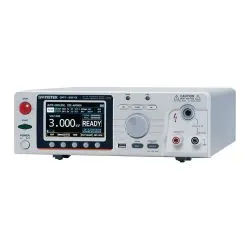 GPT-9513 AC/DC/IR/GC ELECTRICAL SAFETY TESTERS GW INSTEKSpecial Price THB 132,525.00 Regular Price THB 176,700.00
Delivery: 30 ต.ค. 2569
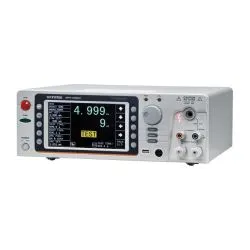 GPT-12004 AC/DC/IR/GB/GC ELECTRICAL SAFETY TESTERS GW INSTEKSpecial Price THB 128,625.00 Regular Price THB 171,500.00
Delivery: 30 ต.ค. 2569
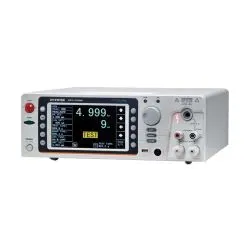 GPT-15004 AC/DC/IR/GB/GC ELECTRICAL SAFETY TESTERS GW INSTEKSpecial Price THB 244,575.00 Regular Price THB 326,100.00
Delivery: 30 ต.ค. 2569
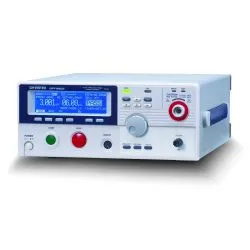 GPT-9803 GW instek Safety Testers (Hipot Test) Electrical Safety TesterSpecial Price THB 71,280.00 Regular Price THB 89,100.00
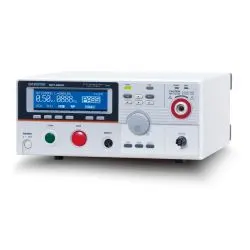 GPT-9612 GW instek Safety Testers (Hipot Test) Economical Safety TesterSpecial Price THB 46,800.00 Regular Price THB 58,500.00
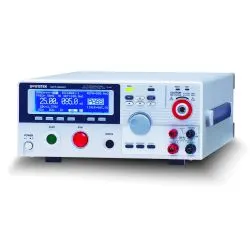 GPT-9804 GW instek Safety Testers (Hipot Test) Electrical Safety TesterSpecial Price THB 106,640.00 Regular Price THB 133,300.00
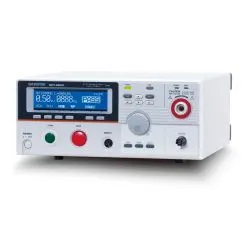 GPT-9603 GW instek Safety Testers (Hipot Test) Economical Safety TesterSpecial Price THB 56,960.00 Regular Price THB 71,200.00
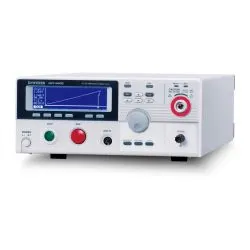 GPT-9904 GW instek Safety Testers (Hipot Test) Electrical Safety TesterSpecial Price THB 221,760.00 Regular Price THB 277,200.00
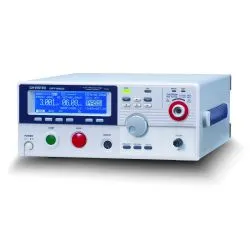 GPT-9802 GW instek Safety Testers (Hipot Test) Electrical Safety TesterSpecial Price THB 58,480.00 Regular Price THB 73,100.00
Delivery: 30 ต.ค. 2569
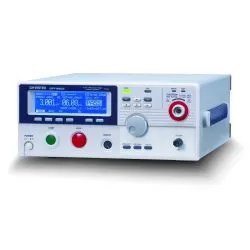 GPT-9801 GW instek Safety Testers (Hipot Test) Electrical Safety TesterSpecial Price THB 50,720.00 Regular Price THB 63,400.00
Delivery: 30 ต.ค. 2569
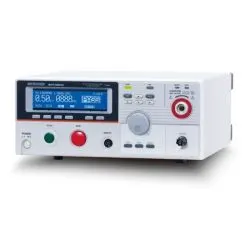 GPT-9601 GW instek Safety Testers (Hipot Test) Economical Safety TesterSpecial Price THB 35,680.00 Regular Price THB 44,600.00
Delivery: 30 ต.ค. 2569
คำถามที่พบบ่อยเกี่ยวกับ Electrical Safety Testers
1. Electrical Safety Tester คืออะไร?
คือเครื่องมือสำหรับทดสอบคุณสมบัติด้านความปลอดภัยทางไฟฟ้าของอุปกรณ์ เช่น ความทนแรงดันของฉนวน ความต้านทานฉนวน และความต่อเนื่องของสายดิน โดยฟังก์ชันที่รองรับขึ้นอยู่กับรุ่น
2. เครื่องทดสอบความปลอดภัยทางไฟฟ้าใช้กับงานใด?
ใช้ในการตรวจสอบผลิตภัณฑ์ไฟฟ้าระหว่างการผลิต งานควบคุมคุณภาพ และการตรวจสอบตามวิธีทดสอบที่กำหนดสำหรับอุปกรณ์นั้น
3. Hipot Test คืออะไร?
เป็นการทดสอบโดยจ่ายแรงดันทดสอบระหว่างส่วนที่กำหนด แล้วตรวจสอบว่าฉนวนทนต่อแรงดันได้ตามเกณฑ์ โดยต้องตั้งค่าแรงดันและเวลาตามข้อกำหนดของผลิตภัณฑ์
4. AC Hipot กับ DC Hipot ต่างกันอย่างไร?
ต่างกันที่ชนิดแรงดันทดสอบและพฤติกรรมของกระแสขณะทดสอบ การเลือกใช้ต้องอ้างอิงวิธีทดสอบที่กำหนด ไม่ควรสลับใช้โดยพิจารณาจากค่าตัวเลขแรงดันอย่างเดียว
5. การทดสอบ Insulation Resistance หรือ IR วัดอะไร?
วัดความต้านทานของฉนวนระหว่างจุดที่กำหนดภายใต้แรงดันทดสอบ เพื่อประเมินสภาพการแยกทางไฟฟ้าของวงจร
6. Ground Bond Test คืออะไร?
เป็นการทดสอบความต่อเนื่องและความต้านทานของเส้นทางเชื่อมต่อสายดินป้องกัน เพื่อดูว่าจุดที่ต้องต่อสายดินเชื่อมถึงกันตามเกณฑ์หรือไม่
7. Ground Bond Test เหมือนการวัดความต้านทานหลักดินหรือไม่?
ไม่เหมือนกัน Ground Bond Test ตรวจเส้นทางสายดินภายในหรือบนตัวอุปกรณ์ ส่วนการวัดความต้านทานหลักดินเป็นการตรวจระบบสายดินที่ติดตั้งกับพื้นดิน
8. Electrical Safety Tester ทุกรุ่นวัดกระแสไฟรั่วได้หรือไม่?
ไม่ทุกรุ่น ต้องตรวจสอบฟังก์ชันของเครื่องโดยตรง เพราะการทดสอบกระแสไฟรั่วขณะใช้งานอาจต้องใช้เครื่องมือหรือชุดทดสอบเฉพาะ
9. ก่อนทดสอบความปลอดภัยทางไฟฟ้าควรเตรียมอะไร?
กำหนดมาตรฐานและจุดทดสอบ ตรวจสอบการต่อสาย ตั้งค่าแรงดัน กระแสตัด และเวลาให้ถูกต้อง พร้อมจัดพื้นที่ทดสอบเพื่อป้องกันการสัมผัสส่วนที่มีแรงดัน
10. ควรเลือก Electrical Safety Tester อย่างไร?
เริ่มจากรายการทดสอบที่ผลิตภัณฑ์ต้องผ่าน แล้วเทียบฟังก์ชัน AC/DC Hipot, IR และ Ground Bond รวมถึงช่วงการทดสอบ ความสามารถบันทึกผล และการเชื่อมต่อกับระบบงาน
This website uses cookies
We use cookies to make the site work properly, to understand how it is used, and to show content that is relevant to you. You choose which types to allow; strictly necessary cookies are always on. Privacy Policy
🤖 AI Assistant
Ask about products, specs and replacement models
Hello 👋 Ask us anything — find products, compare specs, or troubleshoot.
🗑 Clear history