
SPECIAL PROMOTION — Up to 40% off across many product groups, until 31 December 2026 · Click to see all promotion itemsIFM, Sensor, Automation SystemMeasuring / Testing InstrumentsTemp Indicator, Control, T/C, RTD, TimerHeater, SCR Control, Solid State, Power Supply, Control CabinetField Measuring Instruments, Pressure Gauge, Level Control, Flow MeasurementEMC, Pneumatic, Solenoid ValveInspection Test Lamp, Head Light, Automotive Measuring InstrumentWeighing Scales, Marking Machine, PrintersEducational Training SystemsHot Line Tools & Equipment SPECIAL PROMOTION — Up to 40% off across many product groups, until 31 December 2026 · Click to see all promotion itemsIFM, Sensor, Automation SystemMeasuring / Testing InstrumentsTemp Indicator, Control, T/C, RTD, TimerHeater, SCR Control, Solid State, Power Supply, Control CabinetField Measuring Instruments, Pressure Gauge, Level Control, Flow MeasurementEMC, Pneumatic, Solenoid ValveInspection Test Lamp, Head Light, Automotive Measuring InstrumentWeighing Scales, Marking Machine, PrintersEducational Training SystemsHot Line Tools & Equipment View promotion items View all
Conductivity Meters
What is a Conductivity Meter?
A Conductivity Meter is an instrument used to measure the electrical conductivity of solutions. The unit of measurement is Siemens per meter (S/m). It works by using sensors or probes that consist of two electrodes, which are immersed in the solution. The electrodes create an electric field and measure the current flowing through the solution. The ability to conduct electricity depends on the concentration of ions in the solution. The instrument processes this data and displays it on a screen. This tool is important across various industries, from water treatment and food and beverage production to scientific research.
Types of Conductivity Meters
- Benchtop Conductivity Meter - Large in size, suitable for installation on laboratory benches and high-precision measurements.
- Portable Conductivity Meter - Small and portable, ideal for field use or locations requiring mobility.
- Pen-Type Conductivity Meter - Pen-like design, easy to carry around, suitable for basic applications or tasks that do not require high precision.
- Online Conductivity Meter - Designed for permanent installation in production processes, used for continuous monitoring of electrical conductivity.
Uses of Conductivity Meters
- Checking and controlling the electrical conductivity of water to ensure it is safe and free from contaminants.
- Measuring the electrical conductivity of water and soil in agriculture, to improve plant and aquatic life growth conditions.
- Monitoring electrical conductivity during food and beverage production processes to ensure product quality and safety.
- Checking the electrical conductivity in chemical and biological experiments for scientific research, to study the properties and reactions of solutions.
- Monitoring electrical conductivity during various production processes to ensure product quality.
Popular Brands of Conductivity Meters
- Extech - A company that produces a variety of measurement tools, known for their durability and high performance.
- Hanna Instruments - Renowned for highly accurate and user-friendly measuring instruments.
- Horiba - A Japanese brand famous for its accuracy and modern technology.
- Oakton - Known for affordable yet high-quality measurement tools.
- KEPLER INSTRUMENTS - Offers a wide range of products, known for their quality and reliability.
- Thermo Fisher Scientific - Specializes in the production of scientific instruments, including high-quality Conductivity Meters.
View the Conductivity Meter Catalogue : Click Here
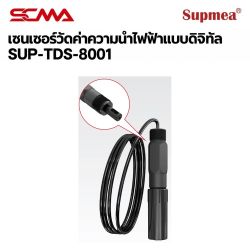 SUP-TDS-8001 DIGITAL CONDUCTIVITY SENSOR SUPMEAราคาโปรดติดต่อเจ้าหน้าที่
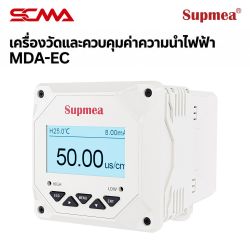 MDA-EC CONDUCTIVITY CONTROLLER SUPMEASpecial Price THB 5,325.00 Regular Price THB 7,100.00
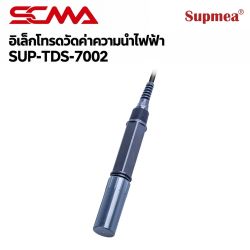 SUP-TDS-7002 CONDUCTIVITY ELECTRODE SUPMEASpecial Price THB 6,600.00 Regular Price THB 8,800.00
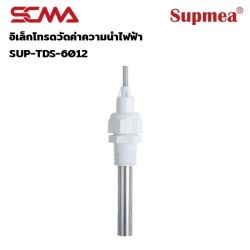 SUP-TDS-6012 CONDUCTIVITY ELECTRODE SUPMEASpecial Price THB 2,625.00 Regular Price THB 3,500.00
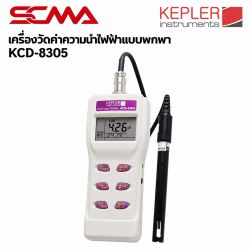 KCD-8305 PORTABLE CONDUCTIVITY METER KEPLERSpecial Price THB 6,375.00 Regular Price THB 8,500.00
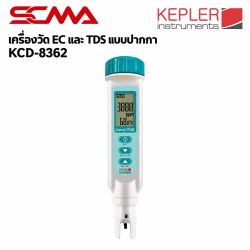 KCD-8362 PEN TYPE CONDUCTIVITY & TDS METER KEPLERSpecial Price THB 1,425.00 Regular Price THB 1,900.00
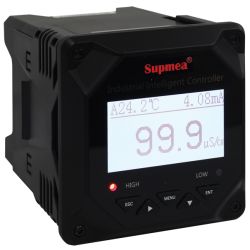 SUPMEA Conductivity Meters Model SUP-TDS210-BSpecial Price THB 5,760.00 Regular Price THB 7,200.00
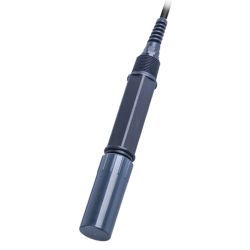 SUPMEA Conductivity Meters Model SUP-TDS-7002Special Price THB 7,200.00 Regular Price THB 9,000.00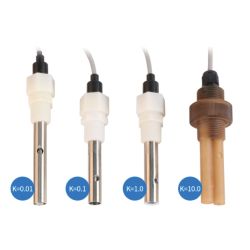
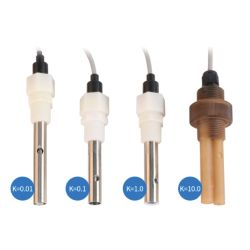
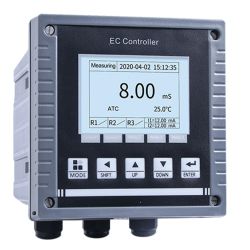 SUPMEA Conductivity Meters Model SUP-EC8.0Special Price THB 13,600.00 Regular Price THB 17,000.00
Delivery: 30 ต.ค. 2569
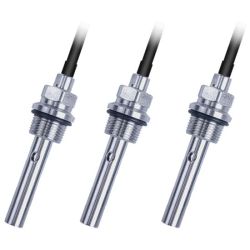 SUPMEA Conductivity Meters Model SUP-TDS-7001Special Price THB 3,200.00 Regular Price THB 4,000.00
Delivery: 30 ต.ค. 2569
Conductivity Meter (Conductivity Meter) Complete Guide
Quality control of water in industrial production processes requires the highest accuracy. The conductivity meter, or electrical conductivity meter, is a crucial tool that engineers use to check the EC value of water to ensure that production meets standards. This article delves into what a water meter is in the context of factories and helps you understand the differences between various values for selecting equipment correctly and cost-effectively for real-world applications.
What is a Conductivity Meter?
A conductivity meter is an electronic device used to measure the ability of a solution to conduct electrical current, which varies directly with the amount of ions dissolved in water. Typically, conductivity values are displayed in units of Siemens per meter (S/m) or microSiemens per centimeter (µS/cm). The principle of operation relies on probes measuring the flow of electricity through liquids, and these measurements are often considered alongside EC values to assess water purity. Sometimes there may be confusion with TDS meters, which measure dissolved solids content, though they have slightly different measurement objectives. Understanding the correct definition helps engineers select tools that best fit their needs.
How Conductivity Meters Work
The working principle of a conductivity meter relies on electrical physics principles, using electrodes immersed in liquid samples to measure resistance and current flow. Detailed information about the operation can be further studied from international engineering sources. Its application in industry can be categorized as follows:
- Wastewater Management Systems: Measuring EC values in wastewater ensures that factories comply with environmental laws. Checking the concentration of dissolved substances prevents contaminants from escaping into natural water sources.
- Hydroponics and Agriculture: Modern farmers use this tool to check fertilizer concentrations in water, ensuring plants receive appropriate nutrients while preventing over-fertilization or nutrient deficiency.
- Boilers and Cooling Towers: Controlling conductivity values in boiler feedwater is critical to prevent scale formation and corrosion within pipes, extending equipment lifespan and reducing emergency shutdown risks.
Types of Conductivity Meters
The current market offers various types of conductivity meters tailored to job requirements and desired accuracy levels. Users must select a type that aligns with their environment for maximum precision.
- Pen-Type: Designed for portability, these are ideal for initial measurements requiring less laboratory accuracy. Production staff often carry them to quickly check on-site values.
- Portable Meter: Highly durable and typically come with detachable probes, suitable for rugged field work. More accurate than pen types and often feature built-in temperature compensation.
- Benchtop Meter: Standard for laboratories requiring the highest accuracy, featuring large display screens and computer data connectivity. Ideal for rigorous water quality analysis.
- In-Line/Process Meter: Permanently installed in pipes or tanks to monitor EC values in real-time, often connected to automated control systems (PLC) for chemical dosing or system shutdown commands when values deviate.
Famous Brands of Conductivity Meters
Choosing a reputable brand directly impacts the longevity and accuracy of conductivity meters. Leading brands in engineering are known for reliable service and verifiable calibration standards.
- Hanna Instruments: Known for a wide range of products from entry-level to research-grade, renowned for affordability and ease-of-use for beginners and professionals alike.
- Horiba: A Japanese brand famous for advanced sensor technology and durability, suitable for high-precision work in challenging environments.
- Mettler Toledo: Leading provider of precise laboratory measurement tools, often the first choice for research and QC requiring top standards and comprehensive data management features.
7 Key Factors to Consider Before Buying a Conductivity Meter
Deciding on a conductivity meter isn't just about price; technical specifications must be thoroughly considered for accurate and long-term use.
- Measurement Range: Knowing the approximate concentration of solutions to be measured helps select a meter with an appropriate range. For pure water (RO/DI), choose one that measures low values accurately, while for wastewater, opt for high-range models.
- Accuracy: Different tasks require varying levels of precision. General work may accept ±1% deviation, but research or pharmaceutical production might need ±0.1%, affecting the product's price.
- Automatic Temperature Compensation (ATC): Conductivity varies greatly with temperature; good meters have ATC to adjust readings automatically to a standard of 25°C, preventing errors from on-site temperature changes.
- Electrode Type: Electrodes come in two-pole types for general water and four-pole types for highly concentrated or sediment-laden solutions. Incorrect selection can lead to clogging or inaccurate readings.
- Data Logging: For ISO reporting or audits, meters that log data with timestamps and transfer via USB help reduce paperwork burdens and errors from manual recording.
- IP Rating: Factory environments often have moisture and dust; choose models with water and dust protection (e.g., IP67) to prevent electronic damage from heavy use.
- Calibration: Tools should be easy to calibrate with standard solutions, and electrodes should be designed for convenient cleaning. For more information on EC Meter.
Comprehensive Conductivity Meter Solutions from SCMA for All Industries
Finding a conductivity meter that meets both technical and budgetary requirements can be challenging. SCMA is ready to serve as your technical advisor, helping engineers select the best meters from leading global brands for steam boilers, metal plating lines, or wastewater systems. Our team provides services from specification selection through demonstration use to after-sales service and calibration, ensuring smooth production processes.
Summary
Accuracy in measuring conductivity is crucial for water quality control in industries. Selecting the right conductivity meter is a worthwhile investment to prevent product and equipment damage. For detailed advice or quotes, consult our experts at SCMA for your perfect tool.
Frequently Asked Questions
How does EC differ from TDS?
EC (Electrical Conductivity) measures the ability to conduct electricity, while TDS (Total Dissolved Solids) measures total dissolved solids. Both are related but TDS meters convert EC values to estimate solid content weight.
How often should a meter be calibrated?
Calibration frequency depends on usage; daily users requiring high accuracy should calibrate weekly or before critical sample measurements.
Does temperature affect conductivity values?
Temperature significantly affects EC, typically increasing by about 2% per degree Celsius rise. Thus, ATC-equipped meters are recommended.
This website uses cookies
We use cookies to make the site work properly, to understand how it is used, and to show content that is relevant to you. You choose which types to allow; strictly necessary cookies are always on. Privacy Policy
🤖 AI Assistant
Ask about products, specs and replacement models
Hello 👋 Ask us anything — find products, compare specs, or troubleshoot.
🗑 Clear history