
SPECIAL PROMOTION — Up to 40% off across many product groups, until 31 December 2026 · Click to see all promotion itemsIFM, Sensor, Automation SystemMeasuring / Testing InstrumentsTemp Indicator, Control, T/C, RTD, TimerHeater, SCR Control, Solid State, Power Supply, Control CabinetField Measuring Instruments, Pressure Gauge, Level Control, Flow MeasurementEMC, Pneumatic, Solenoid ValveInspection Test Lamp, Head Light, Automotive Measuring InstrumentWeighing Scales, Marking Machine, PrintersEducational Training SystemsHot Line Tools & Equipment SPECIAL PROMOTION — Up to 40% off across many product groups, until 31 December 2026 · Click to see all promotion itemsIFM, Sensor, Automation SystemMeasuring / Testing InstrumentsTemp Indicator, Control, T/C, RTD, TimerHeater, SCR Control, Solid State, Power Supply, Control CabinetField Measuring Instruments, Pressure Gauge, Level Control, Flow MeasurementEMC, Pneumatic, Solenoid ValveInspection Test Lamp, Head Light, Automotive Measuring InstrumentWeighing Scales, Marking Machine, PrintersEducational Training SystemsHot Line Tools & Equipment View promotion items View all
Environmental
The Importance of Environmental Measurement Tools and Instruments
Environmental measurement tools and instruments are crucial for maintaining environmental conditions and human quality of life. Since the environment is unpredictable and constantly changing, it can have significant impacts on health and well-being. These tools are designed to measure and analyze various environmental data, enabling us to manage and prevent environmental issues effectively.
Types of Environmental Measurement Tools
- Air Quality Monitor - Used for measuring the levels of pollutants in the air, such as PM2.5, PM10, CO2, CO, NO2, and SO2. It provides pollution level readings to help quickly identify and address issues.
- Sound Level Meter - Used for measuring sound levels in various areas like factories, construction sites, or busy traffic zones. This tool helps manage noise problems and prevent health impacts.
- Water Quality Tester - Used to measure water parameters such as pH, conductivity, turbidity, dissolved oxygen, and harmful chemical levels. It ensures accurate monitoring of drinking water and industrial water quality.
- Humidity and Temperature Meter - Used to measure humidity and temperature in various environments like greenhouses, food storage areas, or homes. Monitoring these conditions helps optimize equipment usage.
- Light Meter - Used for measuring light intensity in different settings such as offices, classrooms, or factories. This measurement ensures appropriate lighting and prevents eye problems.
Using Environmental Measurement Tools in Daily Life
- Enables staff to monitor air pollution levels and take immediate preventive or corrective actions.
- Helps factories check sound levels in work areas and reduce noise for employee safety.
- Enables monitoring of drinking water quality in the public water system and improving it for public safety.
- Controls greenhouse conditions to suit plant growth.
- Manages workplace lighting for employee comfort and prevents eye issues.
View the Environmental Measurement Catalog here
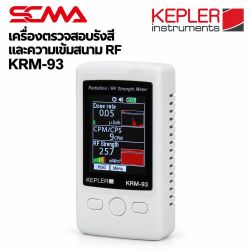
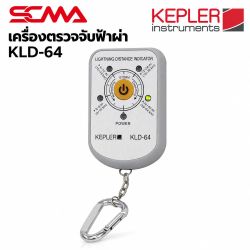
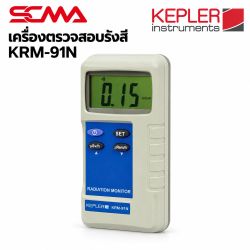
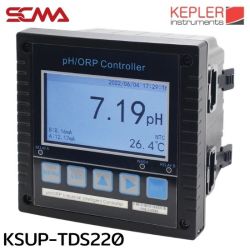 KSUP-TDS220 0.00uS/cm~20Special Price THB 13,600.00 Regular Price THB 17,000.00
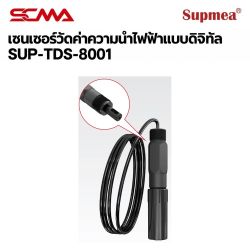 SUP-TDS-8001 DIGITAL CONDUCTIVITY SENSOR SUPMEAราคาโปรดติดต่อเจ้าหน้าที่
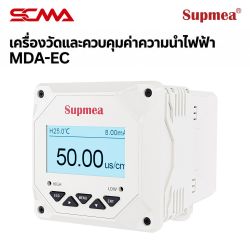 MDA-EC CONDUCTIVITY CONTROLLER SUPMEASpecial Price THB 5,325.00 Regular Price THB 7,100.00
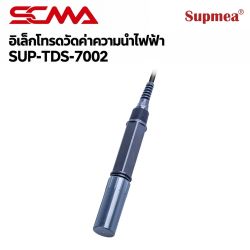 SUP-TDS-7002 CONDUCTIVITY ELECTRODE SUPMEASpecial Price THB 6,600.00 Regular Price THB 8,800.00
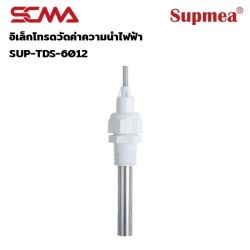 SUP-TDS-6012 CONDUCTIVITY ELECTRODE SUPMEASpecial Price THB 2,625.00 Regular Price THB 3,500.00
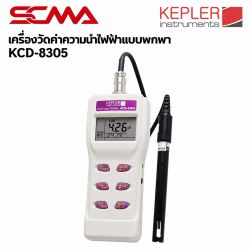 KCD-8305 PORTABLE CONDUCTIVITY METER KEPLERSpecial Price THB 6,375.00 Regular Price THB 8,500.00
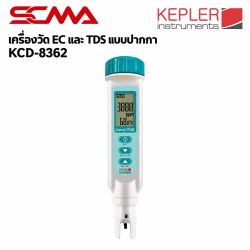 KCD-8362 PEN TYPE CONDUCTIVITY & TDS METER KEPLERSpecial Price THB 1,425.00 Regular Price THB 1,900.00
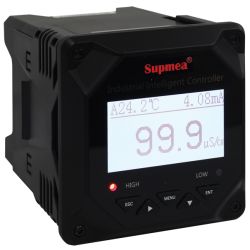 SUPMEA Conductivity Meters Model SUP-TDS210-BSpecial Price THB 5,760.00 Regular Price THB 7,200.00
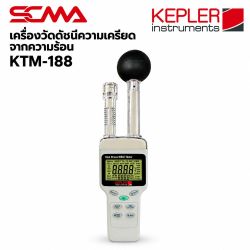
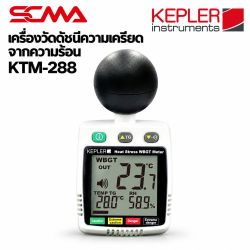
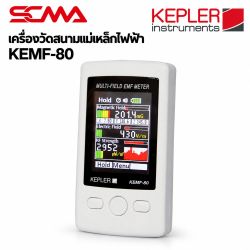
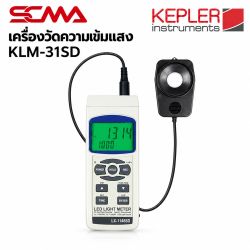
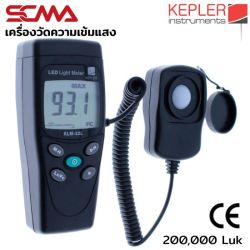 KLM-21 KEPLER Light meterSpecial Price THB 2,640.00 Regular Price THB 3,300.00
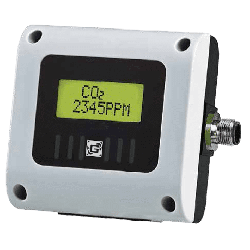 CO2 Sensor Transmitter Model : SGS43-1115-2MDSpecial Price THB 8,800.00 Regular Price THB 11,000.00
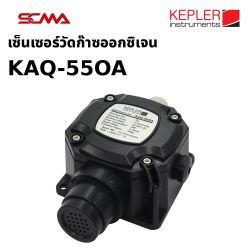 KAQ-55OA KEPLER O2 Fixed Gas DetectorSpecial Price THB 5,760.00 Regular Price THB 7,200.00
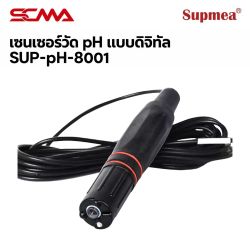 SUP-pH-8001 DIGITAL pH Temperature compensation SENSOR SUPMEAราคาโปรดติดต่อเจ้าหน้าที่
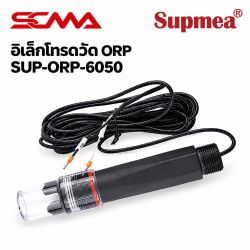 SUP-ORP-6050 ORP ELECTRODE SUPMEASpecial Price THB 4,200.00 Regular Price THB 5,600.00
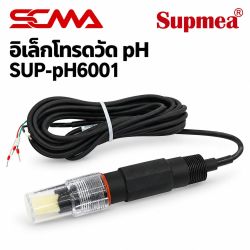 SUP-pH6001 pH ELECTRODE SUPMEASpecial Price THB 1,912.50 Regular Price THB 2,550.00
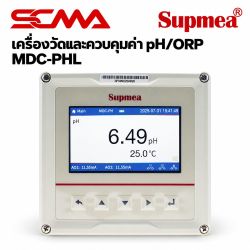 MDC-PHL pH/ORP CONTROLLER SUPMEASpecial Price THB 13,650.00 Regular Price THB 18,200.00
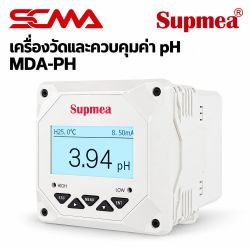 MDA-PH pH CONTROLLER SUPMEASpecial Price THB 5,325.00 Regular Price THB 7,100.00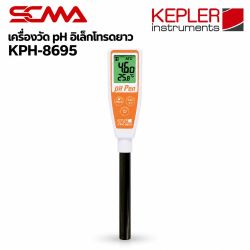
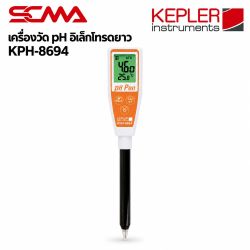
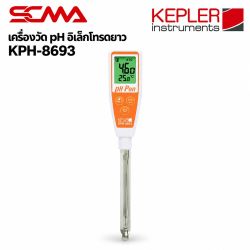
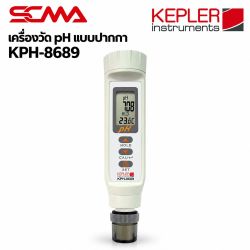
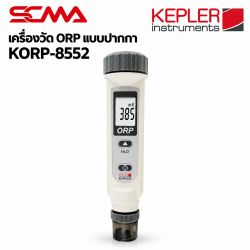
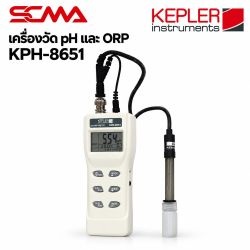
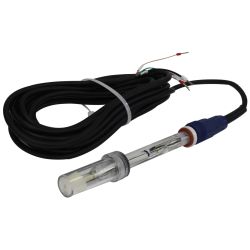 SUPMEA PH Meter Model SUP-PH6002Special Price THB 4,000.00 Regular Price THB 5,000.00
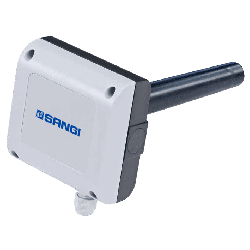 CO Sensor Transmitter Model : SGM34-1115-2MSpecial Price THB 11,840.00 Regular Price THB 14,800.00
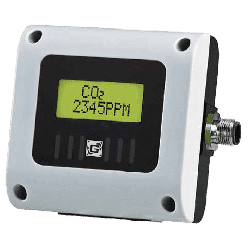 CO2 Sensor Transmitter Model : SGS43-1118-0MDSpecial Price THB 10,880.00 Regular Price THB 13,600.00
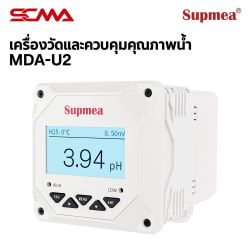 MDA-U2 UNIVERSAL CONTROLLER SUPMEASpecial Price THB 8,850.00 Regular Price THB 11,800.00
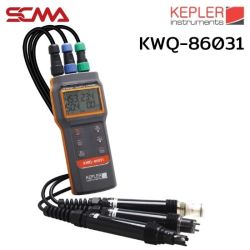 KWQ-86031 Combo Water Quality Meter KEPLERSpecial Price THB 11,360.00 Regular Price THB 14,200.00
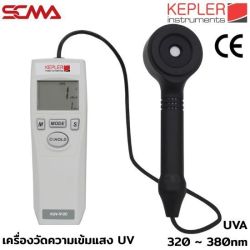 KUV-510A KEPLER UV Light meterSpecial Price THB 9,440.00 Regular Price THB 11,800.00
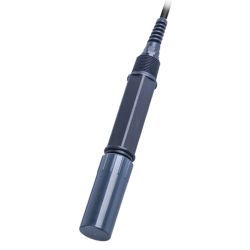 SUPMEA Conductivity Meters Model SUP-TDS-7002Special Price THB 7,200.00 Regular Price THB 9,000.00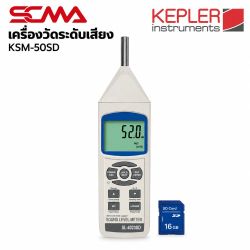
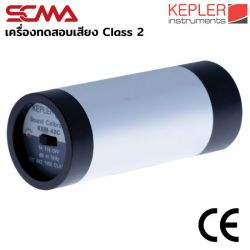 KSM-42C KEPLER Class 2 Sound Level CalibratorSpecial Price THB 7,600.00 Regular Price THB 9,500.00
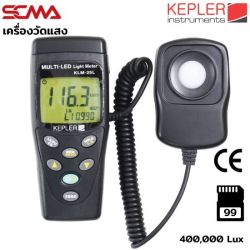 KLM-24L KEPLER LED Light meterSpecial Price THB 5,200.00 Regular Price THB 6,500.00
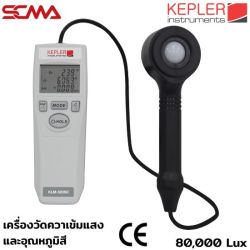 KLM-520C KEPLER Chroma Light meterSpecial Price THB 9,360.00 Regular Price THB 11,700.00
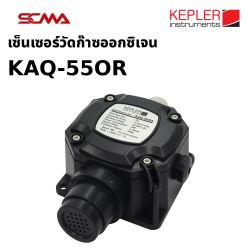 KAQ-55OR KEPLER O2 Fixed Gas DetectorSpecial Price THB 5,760.00 Regular Price THB 7,200.00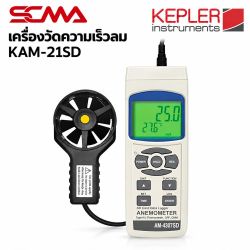
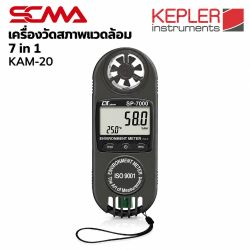
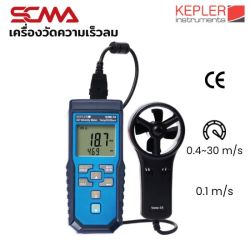 KAM-14 KEPLER AnemometerSpecial Price THB 5,760.00 Regular Price THB 7,200.00
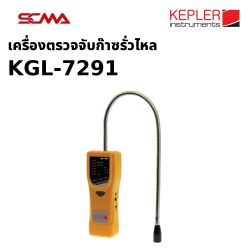 KGL-7291 KEPLER Portable Gas Leak DetectorSpecial Price THB 4,000.00 Regular Price THB 5,000.00
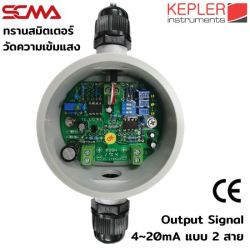 KLM-200TA KEPLER Illuminance TransmitterSpecial Price THB 8,800.00 Regular Price THB 11,000.00
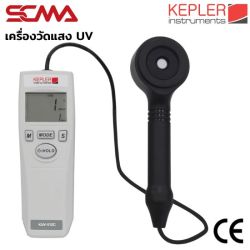 KUV-513AB KEPLER UV Light meterSpecial Price THB 4,640.00 Regular Price THB 5,800.00
What Does Environmental Mean? Choosing Instruments to Control Conditions and Stop Production Line Failures
Environmental conditions are something every plant operator must understand. Air that is too hot inside the plant, or high humidity, both cause the circuit boards in machinery to fail. This article looks in detail at systems for monitoring environmental instruments — equipment that warns maintenance technicians before serious damage occurs. Understanding how scientific instruments and research instruments work will help you assess the specification correctly. If you need to replace a device, send us the nameplate and SCMA will match the model online straight away.
What Is an Environmental Monitoring System?
To a plant engineer, environmental means the conditions around the machine — temperature, humidity, dust and toxic gases. These factors have a direct effect on the performance of automation systems. Using environmental instruments to monitor them lets the maintenance department keep the production process running continuously. Electronic boards shorting from accumulated moisture are detected before the main system stops. Investing in scientific instruments for environmental conditions is an effective way to plug the leak of downtime.
Why Should a Plant Invest in Environmental Instruments?
Letting machines work in substandard environmental conditions shortens the life of the parts. Using environmental instruments to detect abnormalities saves an enormous amount in maintenance cost over the long term. The food industry must use research instruments to control humidity and prevent mould forming on raw materials. Automotive assembly lines must guard against dust settling on painted surfaces. Scientific instruments that measure environmental values send an alert to the control system as soon as a value falls outside the standard, preventing substandard products from reaching the customer.
The Difference Between Site Sensors and Scientific Instruments
Many engineers are confused when ordering replacement parts. Distinguishing between the application of industrial sensors and scientific instruments lets the purchasing department order environmental instruments to the right specification within the real budget.
Industrial Sensors
Designed to withstand vibration, with IP67 water and dust protection, and intended for mounting on site to send a 4-20 mA signal to the PLC so it can switch on an extraction fan or heater automatically. These are the rugged environmental instruments that work 24 hours a day without a break.
Scientific Instruments
Focused on accuracy to several decimal places, used in QA/QC laboratories to check the quality of the finished item. Scientific instruments are not designed to stand in the rain, resist corrosive chemicals or take impact at the machine. Fitting research instruments on the production line is therefore using them for the wrong purpose.
What Research Instruments Are Used in Industry?
An R&D department in a plant needs to test materials under simulated conditions. Choosing research instruments for environmental work must follow international standards. Here are examples of widely used scientific instruments.
Environmental Chamber
Used to test the durability of plastic parts when exposed to alternating heat and extreme cold, preventing products breaking when exported overseas. It is a basic research instrument for a product development department.
Thermal Camera
Used to capture how heat is distributed across a prototype circuit board. Brands such as Guide Sensmart let engineers analyse the weak points of an item quickly. It is the environmental instrument that gives the best overall picture of temperature.
Air Quality Monitor
Used to test the level of PM2.5 dust and carbon dioxide in the working area, confirming staff safety under labour law. It is a scientific instrument that helps protect the health of people in the organisation.
How to Choose a Specification That Meets ISO 14001
A plant that wants to maintain an ISO 14001 environmental management system must have a dependable measuring system. The engineering team should check these conditions every time before ordering environmental instruments or scientific instruments.
- Measuring range: Must cover the highest and lowest values that could actually occur on site. A toxic gas sensor must read ppm finely enough to warn staff to evacuate
- Robustness: Zones with dense oil vapour require a model with 316L stainless steel wetted parts to protect the research instrument from corrosion
- Calibration: The device must be able to be sent for calibration at a laboratory accredited to ISO/IEC 17025, to confirm the accuracy of the data each year
Maintaining Equipment for Accuracy
Technicians must follow a strict preventive maintenance (PM) plan. Letting environmental instruments or scientific instruments work hard without care makes the readings drift.
- Clean the probe: Dust and oil film clinging to the probe of a research instrument slows the reading. Remove the probe and blow it clean on the working cycle
- Check the signal cable: Vibration from a nearby motor can loosen the connector. Tighten it to prevent a flickering signal that makes the PLC act incorrectly
- Check the ventilation at the control cabinet: A blocked extraction fan filter lets heat build up inside the cabinet, so the sensor inside raises an error alarm constantly
Summary
Monitoring the environmental conditions plugs the gap that lets machines fail before their time. Choosing the right environmental instrument specification decisively reduces unplanned downtime — whether scientific instruments or research instruments. If your maintenance department or research team needs to match the specification of a new instrument, send a photo of the nameplate to SCMA for assessment. We offer an online engineering consultation service and will match the model for you quickly.
Frequently Asked Questions (FAQ)
Can laboratory equipment be mounted at the machine?
Not recommended. Scientific instruments and laboratory equipment have a delicate body and do not withstand coolant mist or impact. Choose industrial-grade environmental instruments specifically, for durability.
Why does the server room temperature alarm flicker so often?
It may be because the research instrument is mounted directly in the path of air blowing down from the air conditioning. The first step is to move the sensor to a position where the temperature is more settled, so it reads accurately.
The original part is discontinued and unobtainable — what should I do?
Tell the SCMA engineers the measuring range and the output signal type of the environmental instrument and we will help. We can find an equivalent brand specification and give advice online straight away.
Looking for “Environmental Instruments”? Think of SCMA!
Choosing a durable environmental sensor is how you put an end to production line stoppages. SCMA is ready to supply environmental instrument and scientific instrument solutions that meet your plant's needs. Although we work as a fully online service, we make up for it with professional speed in matching an emergency research instrument specification. Just send us the details of your existing instrument and our engineering team will assess the specification and propose an engineering-sound solution immediately! Need an urgent specification check for environmental measuring equipment? Send the details to the SCMA engineering team for a free online check!
This website uses cookies
We use cookies to make the site work properly, to understand how it is used, and to show content that is relevant to you. You choose which types to allow; strictly necessary cookies are always on. Privacy Policy
🤖 AI Assistant
Ask about products, specs and replacement models
Hello 👋 Ask us anything — find products, compare specs, or troubleshoot.
🗑 Clear history