
SPECIAL PROMOTION — Up to 40% off across many product groups, until 31 December 2026 · Click to see all promotion itemsIFM, Sensor, Automation SystemMeasuring / Testing InstrumentsTemp Indicator, Control, T/C, RTD, TimerHeater, SCR Control, Solid State, Power Supply, Control CabinetField Measuring Instruments, Pressure Gauge, Level Control, Flow MeasurementEMC, Pneumatic, Solenoid ValveInspection Test Lamp, Head Light, Automotive Measuring InstrumentWeighing Scales, Marking Machine, PrintersEducational Training SystemsHot Line Tools & Equipment SPECIAL PROMOTION — Up to 40% off across many product groups, until 31 December 2026 · Click to see all promotion itemsIFM, Sensor, Automation SystemMeasuring / Testing InstrumentsTemp Indicator, Control, T/C, RTD, TimerHeater, SCR Control, Solid State, Power Supply, Control CabinetField Measuring Instruments, Pressure Gauge, Level Control, Flow MeasurementEMC, Pneumatic, Solenoid ValveInspection Test Lamp, Head Light, Automotive Measuring InstrumentWeighing Scales, Marking Machine, PrintersEducational Training SystemsHot Line Tools & Equipment View promotion items View all
Tachometer
What is a Tachometer?
A tachometer is a device used to measure rotational speed, showing results in revolutions per minute (RPM). It helps monitor and control the speed of machinery to ensure efficiency and safety.
Types of Tachometers
- Analog Tachometer uses a needle or dial display, suitable for general use at an affordable price.
- Digital Tachometer features a digital screen to show RPM values with high accuracy and immediate results.
- Contact Tachometer uses rollers or touch buttons to measure the speed of shafts or rotors directly, suitable for precise measurements where contact is necessary.
- Non-Contact Tachometer utilizes laser or infrared technology for measurement in areas where direct contact is inconvenient or unsafe.
- Stroboscopic Tachometer uses a stroboscope to measure rotational speed by adjusting the frequency of light flashes to match the object's rotation, ideal for measuring very high-speed rotations.
Applications of Tachometers
Tachometers can be used with various objects and machines. They are tools that help in maintenance checks to prevent damage and improve efficiency, control production processes for quality standards, and test rotational speeds during research and development, including engines.
Industries Using Tachometers
- Used to monitor and control the speed of machinery in manufacturing industries such as cutting machines, mixers, and other high-speed equipment.
- Used to check engine speeds and components in automotive and aerospace industries.
- Used to monitor the speed of turbines, generators, and machinery in energy industries.
- Used for testing and developing new products and technologies in laboratories and research centers within R&D industries.
Famous Tachometer Brands
- Extech, known for accurate and user-friendly digital and portable tachometers.
- Fluke, a leading brand in electrical measurement tools with highly precise tachometers.
- KEPLER INSTRUMENTS, offering high-quality and reliable products across various types of tachometers.
- Omega, providing a range of durable tachometer options.
- Testo, known for portable tachometers that are accurate and easy to use.
- Shimpo, specializing in high-quality digital and stroboscopic tachometers.
View Tachometer Catalog : Click Here
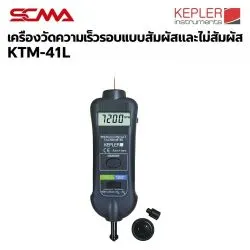 KTM-41L TACHOMETER KEPLERSpecial Price THB 6,750.00 Regular Price THB 9,000.00
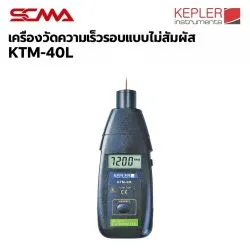 KTM-40L TACHOMETER KEPLERSpecial Price THB 5,475.00 Regular Price THB 7,300.00
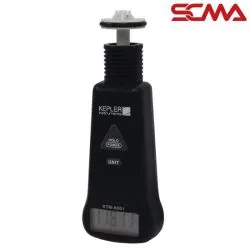 KTM-8001 KEPLER Touch Contact TachometerSpecial Price THB 2,080.00 Regular Price THB 2,600.00
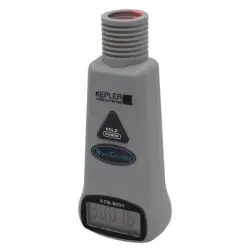 KTM-8000 KEPLER Non-contact TachometerSpecial Price THB 2,080.00 Regular Price THB 2,600.00
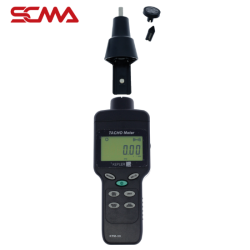 KTM-30 KEPLER TachometerSpecial Price THB 5,600.00 Regular Price THB 7,000.00
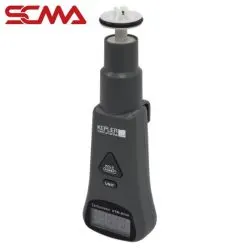 KTM-8008 KEPLER TachometerSpecial Price THB 3,280.00 Regular Price THB 4,100.00
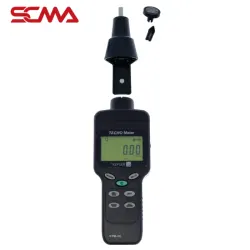 KTM-30D KEPLER Touch and Light TachometerSpecial Price THB 8,160.00 Regular Price THB 10,200.00
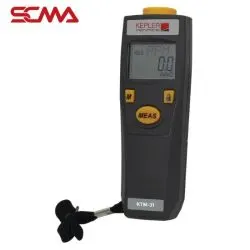 KTM-31 KEPLER Non-contact TachometerSpecial Price THB 2,960.00 Regular Price THB 3,700.00
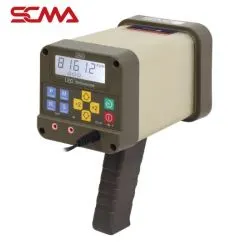 KTM-32S KEPLER Digital StroboscopeSpecial Price THB 16,000.00 Regular Price THB 20,000.00
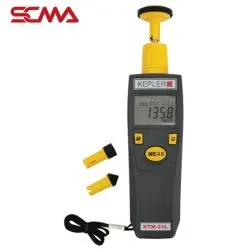 KTM-31L KEPLER TachometerSpecial Price THB 4,800.00 Regular Price THB 6,000.00
Tachometer (Tachometer)
A tachometer, or Tachometer, is an essential tool for measuring and controlling the rotational speed of machinery in industrial settings. It allows you to monitor the operation of motors, shafts, and other rotating equipment accurately, ensuring safety and maximum efficiency. At SCMA, we offer high-quality tachometers and speed sensors from leading global brands, along with a team of expert engineers to provide advice on selecting the right equipment.
What is a Tachometer?
A tachometer (Tachometer), also known as a "speedometer," is an instrument that measures the rotational speed of various objects such as engine shafts, motors, or machine parts. It displays results in RPM units, where RPM stands for Revolutions Per Minute or revolutions per minute. The term "tachometer" comes from Greek "tachos," meaning speed, and "metron," meaning measurement, combining to form a tool that provides real-time information about the operational status of machinery. Understandingwhat RPM is is crucial for controlling efficiency and preventing damage in advance.
Types of Tachometer Based on Measurement Method and Display Type
To meet different usage requirements, tachometers come in various types to choose from based on their working characteristics and display formats. Each type hasdifferent operating principles:
Contact Tachometer (Contact Tachometer)
This is a measuring instrument that must directly contact the rotating object using a roller or special probe attached to the shaft or rotor. As the object rotates, it drives a pulse signal that is converted into an RPM value. Suitable for applications where direct access to components is possible and high accuracy is required.
Non-Contact Tachometer (Non-Contact Tachometer)
Uses optical or laser technology to measure without contact with the object. It works by projecting light onto a reflective tape attached to the rotating object and measuring the rate of reflection to calculate RPM. This type of speed sensor is ideal for objects that rotate very fast, are dangerous, or difficult to access.
Stroboscopic Tachometer (Stroboscopic Tachometer)
Uses a stroboscope light or flash to measure rotational speed by adjusting the frequency of the flash to match the object's rotation rate, making the rotating object appear stationary. Suitable for objects that rotate very fast or work requiring observation of movement during rotation.
Analog Tachometer (Analog Tachometer)
Displays results with a needle on a dial, suitable for permanent installation in systems requiring continuous visibility such as machine control panels. Economical and easy to use.
Digital Tachometer (Digital Tachometer)
Displays results numerically on an LCD screen, providing clearer and more accurate readings than analog types. Can record maximum-minimum values and connect to other control systems. Popular in modern applications.
How a Tachometer Works
Each type of tachometer has different mechanisms depending on the technology used, but they all aim to accurately measure and display RPM:
Contactless Operation (Optical/Laser Technology)
This type uses a laser or infrared light beam directed at a rotating object with a reflective tape attached. As the object rotates, the light is reflected back to a sensor which calculates the time between pulses of light and converts it into RPM displayed on the screen. This method is ideal for measuring low speeds with high precision and is safe as it does not require proximity to operating machinery.
Contact Operation (Mechanical Contact)
Contact tachometers use a probe head with wheels or special sensors attached directly to the rotating shaft or surface. As the object rotates, rotational force is transmitted to an internal sensor which may be inductive or magnetic. The sensor sends electrical signals to processing circuits that calculate and display RPM on the screen. This method provides high accuracy and reliability for continuous speed measurement.
Key Features of a Tachometer
At SCMA, we select only high-quality tachometers with standout features to ensure reliable use:
- Accurate and Reliable Measurement - Provides detailed RPM readings that meet standards, suitable for high-precision work such as quality control and maintenance.
- User-Friendly Design - Both handheld and fixed models are designed for ease of use, with clear display screens that allow quick readings.
- Durable in Harsh Environments - Designed to operate in industrial conditions with heat, dust, or vibration, offering long-lasting durability.
- Wide Range of Measurement Capabilities - Available for various speed ranges from low to high RPMs in the tens of thousands.
- Modern Additional Features - Digital models can record maximum and minimum values, set alerts for limits exceeded, and connect to automation systems.
Industries Using Tachometers
Tachometers are crucial tools for enhancing efficiency and safety across various industries. Learn more about the use of Tachometers:
- Manufacturing Industry - Monitor and control the rotational speeds of various machines such as saws, drills, conveyor belts, and motors to maintain product quality and prevent damage. Real-time monitoring is enabled by RPM sensors.
- Automotive Industry - Measure the rotational speeds of engines, drive shafts, and vehicle components to ensure efficient and safe operation. Accurate RPM measurements prevent overworking the engine.
- Aerospace Industry - Monitor the rotational speeds of aircraft engines, turbines, and other systems requiring high precision and maximum safety.
- Energy Industry - Measure the speed of steam turbines, generators, and power transmission systems in power plants to ensure optimal energy production.
- Machinery Maintenance - Regularly measure the rotational speeds of rotating equipment to detect abnormalities before severe damage occurs, reducing repair costs and downtime.
- Research and Development - Test the rotational speeds of new products and technologies in laboratories and research centers to improve and enhance efficiency.
- HVAC Systems - Monitor fan, compressor, and pump speeds to ensure systems operate as intended.
- Agriculture and Food Industry - Control the rotational speeds of food processing machinery, mixers, and packaging equipment to meet international standards.
Comprehensive RPM Measurement Solutions by SCMA
SCMA is not just a tachometer supplier but a full-service technical partner. With over 40 years of experience in the automation industry, we have a team of expert engineers who provide consultation on selecting appropriate measuring devices, design measurement and speed control systems, install and configure them for use, as well as comprehensive after-sales services including calibration, maintenance, and quick troubleshooting.
Summary
Choosing the right Tachometer is a crucial step in enhancing efficiency, safety, and longevity of your machinery at SCMA. We are a reliable partner in selecting high-quality speed measurement devices and sensors from leading brands worldwide. With over 40 years of experience and specialized engineering teams, we deliver precise solutions to meet your needs. Read moreabout tachometers Contact us today for a free consultation.
Frequently Asked Questions
What units does a Tachometer measure?
A tachometer measures rotational speed and displays it in RPM (Revolutions Per Minute) or revolutions per minute, indicating the number of complete rotations an object makes in one minute. This value is crucial for controlling machine efficiency and safety.
How many types of Tachometers are there? What do they suit?
Tachometers come in five main types: contact type, suitable for measuring shafts and rotors; non-contact type, using laser to measure from a distance; stroboscopic type, for very high-speed rotating objects; analog type, displaying results with a needle; and digital type, clearly showing numerical values.
Why must Tachometers be accurate and calibrated?
All measuring instruments must be accurate to ensure that the displayed values meet standards. Calibration is essential to ensure that tachometers provide reliable readings, preventing machine damage and maintaining production quality. SCMA offers comprehensive calibration and maintenance services.
This website uses cookies
We use cookies to make the site work properly, to understand how it is used, and to show content that is relevant to you. You choose which types to allow; strictly necessary cookies are always on. Privacy Policy
🤖 AI Assistant
Ask about products, specs and replacement models
Hello 👋 Ask us anything — find products, compare specs, or troubleshoot.
🗑 Clear history