
SPECIAL PROMOTION — Up to 40% off across many product groups, until 31 December 2026 · Click to see all promotion itemsIFM, Sensor, Automation SystemMeasuring / Testing InstrumentsTemp Indicator, Control, T/C, RTD, TimerHeater, SCR Control, Solid State, Power Supply, Control CabinetField Measuring Instruments, Pressure Gauge, Level Control, Flow MeasurementEMC, Pneumatic, Solenoid ValveInspection Test Lamp, Head Light, Automotive Measuring InstrumentWeighing Scales, Marking Machine, PrintersEducational Training SystemsHot Line Tools & Equipment SPECIAL PROMOTION — Up to 40% off across many product groups, until 31 December 2026 · Click to see all promotion itemsIFM, Sensor, Automation SystemMeasuring / Testing InstrumentsTemp Indicator, Control, T/C, RTD, TimerHeater, SCR Control, Solid State, Power Supply, Control CabinetField Measuring Instruments, Pressure Gauge, Level Control, Flow MeasurementEMC, Pneumatic, Solenoid ValveInspection Test Lamp, Head Light, Automotive Measuring InstrumentWeighing Scales, Marking Machine, PrintersEducational Training SystemsHot Line Tools & Equipment View promotion items View all
Photo sensors
What are Photo Sensors?
Photo sensors (photoelectric sensors) are sensors that can detect objects of all types, including long-range detection and non-contact object detection. They are suitable for applications where the detection range exceeds what proximity switches can achieve.
Benefits of Photo Sensors
- High accuracy in detecting small objects quickly and accurately
- Long-range detection capability, allowing for the detection of objects at greater distances than other types of sensors
- Versatile environmental use, resistant to dust, humidity, and a range of temperatures
- Fast response time suitable for high-speed production line detection
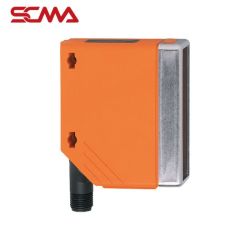 O4H500 \ efector 200 \ Photo sensor \ O4H-FPKG/US100 \ DESpecial Price THB 8,250.00 Regular Price THB 11,000.00
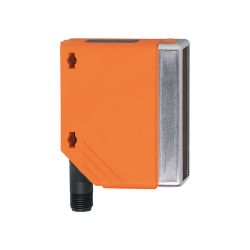 O4H200 \ efector 200 \ Photoelectric sensors \ O4H-HPKG/US100 \ DESpecial Price THB 6,375.00 Regular Price THB 8,500.00
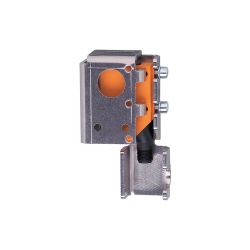 O5E51A \ effector 200 \ Photoelectric sensors \ O5E-FPKG/US100/3D \ DE \Special Price THB 8,625.00 Regular Price THB 11,500.00
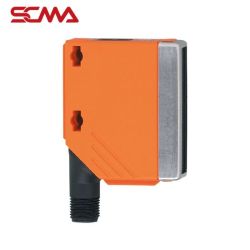 O5E500 \ efector 200 \ Photo sensor \ O5E-FPKG/US100 \ DESpecial Price THB 5,925.00 Regular Price THB 7,900.00
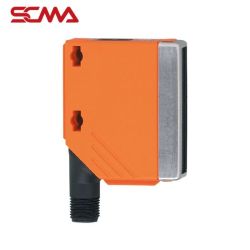 O5H500 \ efector 200 \ Photo sensor \ O5H-FPKG/US100 \ DESpecial Price THB 7,800.00 Regular Price THB 10,400.00
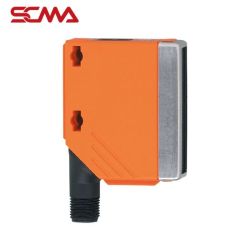 O5H200 efector 200 Photo sensor O5H-HPKG/US100 DESpecial Price THB 6,000.00 Regular Price THB 8,000.00
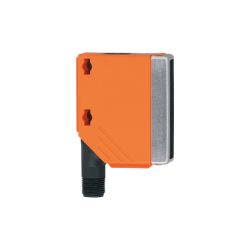 O5H501 \ efector 200 \ Photoelectric sensors \ O5H-FPKG/US100 \ DESpecial Price THB 8,250.00 Regular Price THB 11,000.00
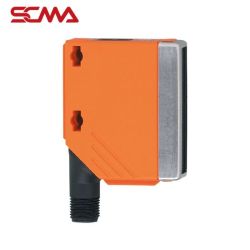 O5P500 \ efector 200 \ Photo sensor \ O5P-FPKG/US100 \ DESpecial Price THB 6,000.00 Regular Price THB 8,000.00
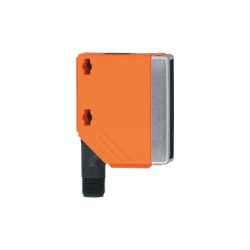 O5P200 \ effector 200 \ Photoelectric sensors \ O5P-DPKG/US100 \ DESpecial Price THB 5,400.00 Regular Price THB 7,200.00
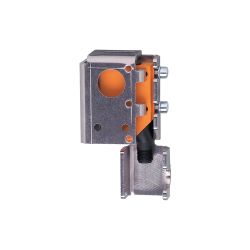 O5S51A \ effector 200 \ Photoelectric sensors \ O5S-OOKG/US100/3D \ DESpecial Price THB 7,650.00 Regular Price THB 10,200.00
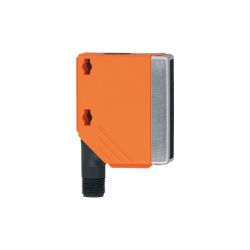 O5S200 \ efector 200 \ Photoelectric sensors \ O5S-OOKG/US100 \ DESpecial Price THB 4,575.00 Regular Price THB 6,100.00
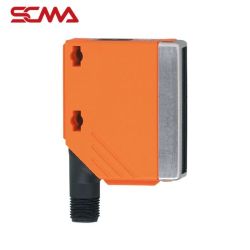 O5S500 \ efector 200 \ Photo sensor \ O5S-OOKG/US100 \ DESpecial Price THB 4,650.00 Regular Price THB 6,200.00
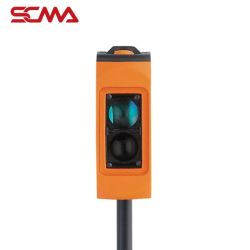 O6E200 \ efector 200 \ Photo sensor \O6E-FPKG \ SGSpecial Price THB 2,325.00 Regular Price THB 3,100.00
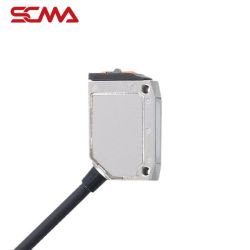 O6E300 \ efector 200 \ Photo sensor \O6E-FPKG \ SGSpecial Price THB 3,600.00 Regular Price THB 4,800.00
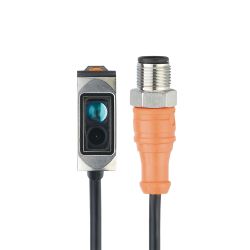 O6E301 \ effector 200 \ Photoelectric sensors \ O6E-FPKG/0,30m/US \ SG \Special Price THB 3,600.00 Regular Price THB 4,800.00
 O6E302 \ efector 200 \ Photoelectric sensors \ O6E-FPKG/AS/3P \ SG \Special Price THB 3,600.00 Regular Price THB 4,800.00
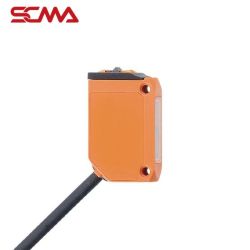 O6E204 \ efector 200 \ Photo sensor \O6E-FNKG \ SGSpecial Price THB 2,325.00 Regular Price THB 3,100.00
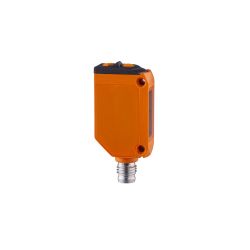 O6E203 \ effector 200 \ Photoelectric sensors \ O6E-FPKG/AS/4P \ SG \Special Price THB 2,325.00 Regular Price THB 3,100.00
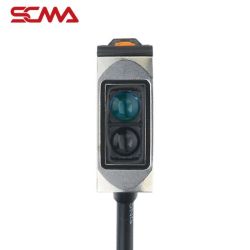 O6H304 \ efector 200 \ Photo sensor \ O6H-FNKG \ SGSpecial Price THB 5,850.00 Regular Price THB 7,800.00
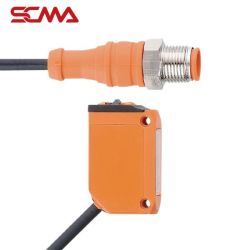 O6H201 \ efector 200 \ Photo sensor \ O6H-FPKG/0,30m/US \ SGSpecial Price THB 4,125.00 Regular Price THB 5,500.00
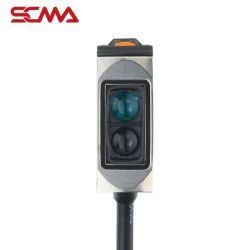 O6H300 \ efector 200 \ Photo sensor \O6H-FPKG \ SGSpecial Price THB 5,850.00 Regular Price THB 7,800.00
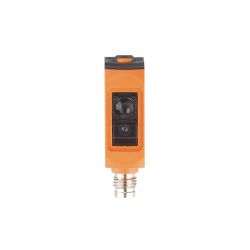 O6H702 \ effector 200 \ Photoelectric sensors \ O6HLFPKG/AS/4P \ SG \Special Price THB 7,950.00 Regular Price THB 10,600.00
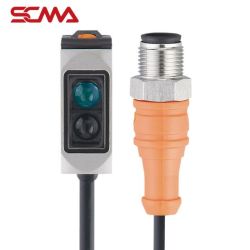 O6H305 \ efector 200 \ Photo sensor \O6H-FNKG/0,30m/US \ SGSpecial Price THB 5,850.00 Regular Price THB 7,800.00
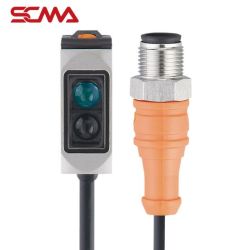 O6H301 \ efector 200 \ Photo sensor \ O6H-FPKG/0,30m/US \ SGSpecial Price THB 5,850.00 Regular Price THB 7,800.00
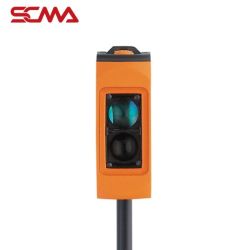 O6H200 \ efector 200 \ Photo sensor \O6H-FPKG \ SGSpecial Price THB 4,125.00 Regular Price THB 5,500.00
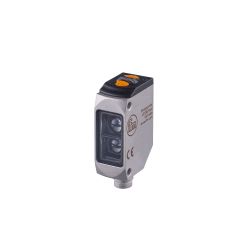 O6H302 \ effector 200 \ Photoelectric sensors \ O6H-FPKG/AS/3P \ SG \Special Price THB 5,850.00 Regular Price THB 7,800.00
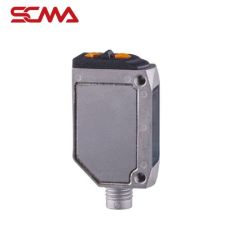 O6H309 \ efector 200 \ Photo sensor \ O6H-FPKG/AS/4P \ SGSpecial Price THB 6,075.00 Regular Price THB 8,100.00
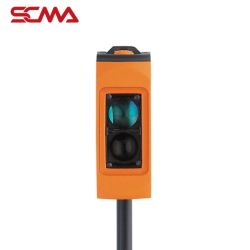 O6H204 \ efector 200 \ Photo sensor \ O6H-FNKG \ SGSpecial Price THB 4,125.00 Regular Price THB 5,500.00
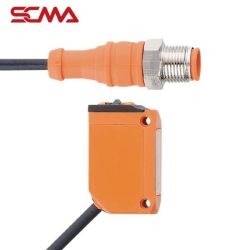 O6H205 \ efector 200 \ Photo sensor \ O6H-FNKG/0,30m/US \ SGSpecial Price THB 4,125.00 Regular Price THB 5,500.00
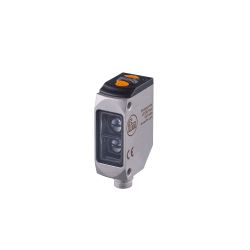 O6H307 \ effector 200 \ Photoelectric sensors \ O6H-FNKG/AS/4P \ SG \Special Price THB 5,850.00 Regular Price THB 7,800.00
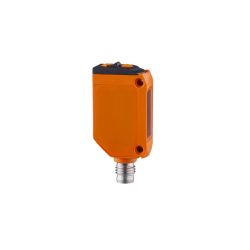 O6H202 \ effector 200 \ Photoelectric sensors \ O6H-FPKG/AS/3P \ SG \Special Price THB 4,125.00 Regular Price THB 5,500.00
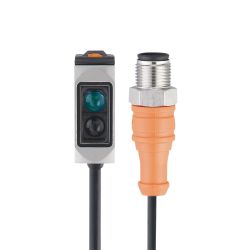 O6H404 \ effector 200 \ Photoelectric sensors \ O6H-FPKG/0,30m/US \ SG \Special Price THB 5,700.00 Regular Price THB 7,600.00
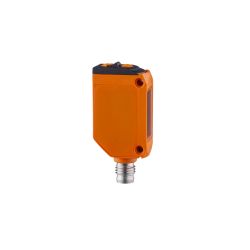 O6H203 \ efector 200 \ Photoelectric sensors \ O6H-FPKG/AS/4P \ SG \Special Price THB 4,125.00 Regular Price THB 5,500.00
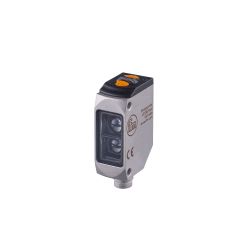 O6H303 \ effector 200 \ Photoelectric sensors \ O6H-FPKG/AS/4P \ SG \Special Price THB 5,850.00 Regular Price THB 7,800.00
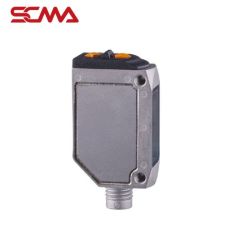 O6H400 \ efector 200 \ Photo sensor \ O6H-FPKG/AS/4P \ SGSpecial Price THB 5,700.00 Regular Price THB 7,600.00
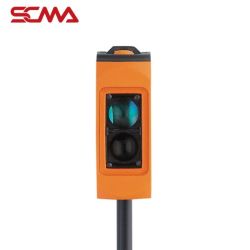 O6P204 \ efector 200 \ Photo sensor \O6P-FNKG \ SGSpecial Price THB 3,600.00 Regular Price THB 4,800.00
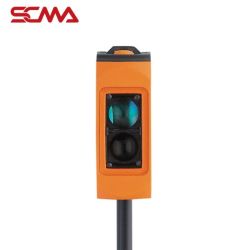 O6P200 \ efector 200 \ Photo sensor \O6P-FPKG \ SGSpecial Price THB 3,600.00 Regular Price THB 4,800.00
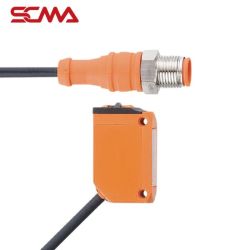 O6P201 \ efector 200 \ Photo sensor \ O6P-FPKG/0,30m/US \ SGSpecial Price THB 3,600.00 Regular Price THB 4,800.00
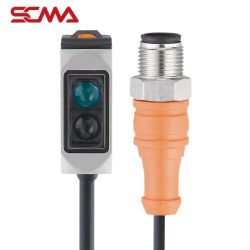 O6P305 \ efector 200 \ Photo sensor \ O6P-FNKG/0,30m/US \ SGSpecial Price THB 5,250.00 Regular Price THB 7,000.00
 O6P303 \ efector 200 \ Photoelectric sensors \ O6P-FPKG/AS/4P \ SG \Special Price THB 5,325.00 Regular Price THB 7,100.00
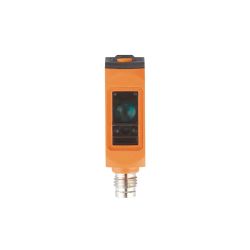 O6P702 \ effector 200 \ Photoelectric sensors \ O6PLFPKG/AS/4P \ SG \Special Price THB 7,425.00 Regular Price THB 9,900.00
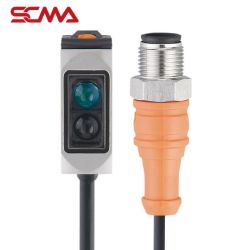 O6P301 \ efector 200 \ Photo sensor \ O6P-FPKG/0,30m/US \ SGSpecial Price THB 5,325.00 Regular Price THB 7,100.00
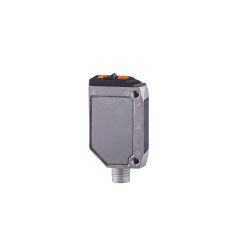 O6P309 \ efector 200 \ Photoelectric sensors \ O6P-FPKG/AS/4P \ SG \Special Price THB 5,475.00 Regular Price THB 7,300.00
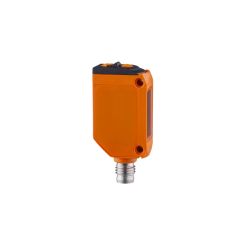 O6P203 \ efector 200 \ Photoelectric sensors \ O6P-FPKG/AS/4P \ SG \Special Price THB 3,600.00 Regular Price THB 4,800.00
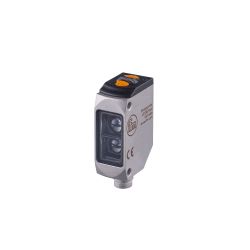 O6P302 \ efector 200 \ Photoelectric sensors \ O6P-FPKG/AS/3P \ SG \Special Price THB 5,325.00 Regular Price THB 7,100.00
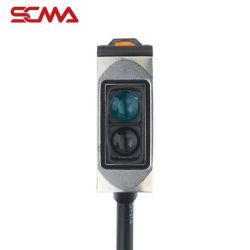 O6P304 \ efector 200 \ Photo sensor \O6P-FNKG \ SGSpecial Price THB 5,325.00 Regular Price THB 7,100.00
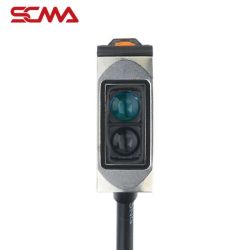 O6P300 \ efector 200 \ Photo sensor \O6P-FPKG \ SGSpecial Price THB 5,325.00 Regular Price THB 7,100.00
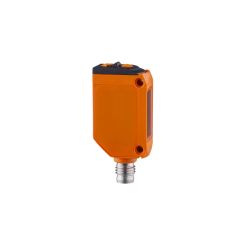 O6P202 \ efector 200 \ Photoelectric sensors \ O6P-FPKG/AS/3P \ SG \Special Price THB 3,600.00 Regular Price THB 4,800.00
Photo Sensors: High Accuracy for Every Production Line
Photo sensors are the answer to keeping a production process running without interruption. Miscounts as goods pass along the conveyor disappear with a high-quality light detection sensor. Investing in a photoelectric sensor decisively reduces errors on site. The SCMA engineering team is ready to cross-check the specification for you through our online service — fast, with no waiting for a technician to visit.
What Is a Photo Sensor? (Getting to Know the Photoelectric Sensor)
Many maintenance technicians new to the field ask what a photo sensor actually is. Put simply, it is an electronic device that detects objects using a beam of light. Engineers on site call it by various names — light detection sensor or photoelectric sensor. Its main duty is to confirm the position of a workpiece on the conveyor. Using a photo sensor that meets the standard genuinely reduces defects in the production process. Problems with dropped parts or miscounts are solved by an accurate photoelectric sensor.
How a Photo Sensor Works — the Basics
Understanding how a photo sensor works lets you solve on-site problems at the root. The basic mechanism sends a beam of light from an emitter to a receiver. You must take care to choose the right beam type — infrared, red light or laser. Choose the wrong beam and the whole application goes wrong immediately. Each beam type is designed to detect a different kind of object. A light detection sensor can detect opaque, transparent and reflective objects alike. Matching the photoelectric sensor to the workpiece surface is something you must take seriously.
Types of Photo Sensor (Photoelectric Sensors) Widely Used in Industry
Classifying a photo sensor depends mainly on how the light beam is reflected. Choosing the wrong type of photoelectric sensor causes the control system to read values that do not match reality.
Through-beam (Separate Emitter and Receiver)
In this arrangement the receiver is mounted on the opposite side from the emitter. Penetration is very high, making it suitable for dusty sites or for sending the signal over long distances. This type of light detection sensor offers the highest stability and reduces troublesome false signals.
Retro-reflective (Reflector Plate)
The emitter sends a beam that bounces off a reflector plate and returns to the receiver in the same housing, saving on cable routing space. It detects ordinary opaque objects on the conveyor well. This type of photoelectric sensor is easy to install and quick to commission, which suits maintenance teams.
Diffuse-reflective (Direct Reflection from the Object)
The easiest to install, requiring no reflector plate: the beam strikes the workpiece and reflects back to the receiver. Technicians must be careful, as the colour of the object strongly affects the sensing distance of this type of photoelectric sensor.
Which Industries Use Light Detection Sensors?
Almost every machine on a production line depends on position confirmation. Installing a light detection sensor reduces the maintenance team's workload in counting defects. Here are real applications where a photo sensor is widely used.
- Packaging lines: Detecting clear plastic bottles or cardboard boxes before triggering the sealing machine, preventing empty seals
- Automotive industry: Checking the position of assembly parts on the conveyor before the robot arm picks them up for the next stage
- Conveyor systems: Preventing workpieces from colliding, and counting products into boxes with a fast-reading photoelectric sensor
How to Choose a Light Detection Sensor and Solve the Problem for Good
The engineering team must assess the environment carefully to find a light detection sensor that is more durable than the last one. Run through this checklist before deciding to buy a photo sensor.
- Environment: If the site has dust, smoke, water or chemicals, specify a suitable IP rating to keep water out of the circuit board
- Target object: Note the colour, surface and glossiness. Detecting clear glass bottles requires a special model; shiny steel sheet requires a model that can suppress reflection
- Sensing distance: Confined spaces need a compact sensor body; sending the beam across a wide conveyor requires a laser model
- Output: Check whether the receiving board supports NPN or PNP. Newer models support IO-Link, so modern systems can extract deeper data
Precautions When Installing Light Detection Sensors on Site
Poor mounting position makes a light detection sensor behave erratically. Site technicians meet classic problems that cause a photoelectric sensor to switch incorrectly.
- Ambient light interference: Sunlight shining onto the lens blinds the sensor. Solve it by adjusting the angle away from the light, or by choosing a light frequency suited to that spot
- Dust on the lens: A thick layer of dust makes the photoelectric sensor latch in one state. The maintenance team must plan a regular PM cycle to clean the lens
Want to Buy? Order from SCMA Today!
Stop production line interruptions with high-quality photo sensors from SCMA — we are ready to serve you and supply the light detection sensor that meets your plant's needs. We hold a world-class photoelectric sensor database and offer professional emergency specification matching. Just send us a photo of your existing photo sensor and our engineering team will assess the specification and propose an online solution straight away.
Summary
Monitoring workpieces with photo sensors is a sustainable way to reduce defects and prevent machine stoppages. Understanding what a photo sensor is helps the purchasing team order exactly the right specification. Understanding how a photo sensor works helps site technicians install a photoelectric sensor accurately. SCMA is ready to act as your online engineering adviser and make your work many times easier.
Frequently Asked Questions (FAQ)
Can a photo sensor detect clear objects such as glass bottles or transparent plastic?
It certainly can. You need to choose a photo sensor specifically designed for clear object detection. The circuit in this type is designed to pick up the refraction of light through a clear glass bottle in fine detail, preventing the light detection sensor from sending its beam straight through the workpiece and upsetting the machine.
The site is heavy with dust and smoke — which type of photoelectric sensor should be chosen?
We recommend a through-beam photoelectric sensor. This type has the best penetrating power through dust and smoke. Technicians should choose a model with interference suppression to keep the photoelectric sensor stable and prevent incorrect switching.
What is the maximum sensing distance of photoelectric sensors?
The working range depends on the type of photoelectric sensor. A standard through-beam model reaches tens of metres. If the site needs more than that, switch to a laser light detection sensor, which comfortably reaches beyond a hundred metres and suits large plants.
This website uses cookies
We use cookies to make the site work properly, to understand how it is used, and to show content that is relevant to you. You choose which types to allow; strictly necessary cookies are always on. Privacy Policy
🤖 AI Assistant
Ask about products, specs and replacement models
Hello 👋 Ask us anything — find products, compare specs, or troubleshoot.
🗑 Clear history