
SPECIAL PROMOTION — Up to 40% off across many product groups, until 31 December 2026 · Click to see all promotion itemsIFM, Sensor, Automation SystemMeasuring / Testing InstrumentsTemp Indicator, Control, T/C, RTD, TimerHeater, SCR Control, Solid State, Power Supply, Control CabinetField Measuring Instruments, Pressure Gauge, Level Control, Flow MeasurementEMC, Pneumatic, Solenoid ValveInspection Test Lamp, Head Light, Automotive Measuring InstrumentWeighing Scales, Marking Machine, PrintersEducational Training SystemsHot Line Tools & Equipment SPECIAL PROMOTION — Up to 40% off across many product groups, until 31 December 2026 · Click to see all promotion itemsIFM, Sensor, Automation SystemMeasuring / Testing InstrumentsTemp Indicator, Control, T/C, RTD, TimerHeater, SCR Control, Solid State, Power Supply, Control CabinetField Measuring Instruments, Pressure Gauge, Level Control, Flow MeasurementEMC, Pneumatic, Solenoid ValveInspection Test Lamp, Head Light, Automotive Measuring InstrumentWeighing Scales, Marking Machine, PrintersEducational Training SystemsHot Line Tools & Equipment View promotion items View all
Oxygen Meters
Oxygen Meters are?
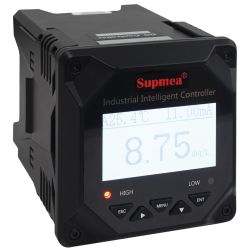
Oxygen Meters are oxygen measuring devices used to measure the dissolved oxygen (DO) content in liquids or other mediums, expressed in milligrams per liter (mg/L) or percent saturation (% saturation). The operation of Oxygen Meters depends on the technology employed.
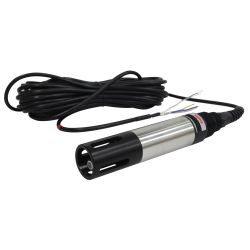
- Electrochemical (Galvanic and Polarographic) Sensors use chemical reactions between oxygen and electrodes. When oxygen reacts with the electrode, it generates an electrical current that can be measured and converted into oxygen concentration values.
- Optical (Luminescent) Sensors utilize luminescence principles. Luminescent substances respond to the presence of oxygen; when oxygen interacts with these substances, it changes their luminescence, which can be measured and converted into oxygen concentration values.
Types of Oxygen Meters
- Portable Oxygen Meters for field use or inspections at various locations.
- Benchtop Oxygen Meters designed for laboratories or high-precision environments, offering a range of analytical functions.
- In-line Oxygen Meters installed in pipes or systems to continuously measure oxygen concentration during production processes. Suitable for industrial use.
Industries Using Oxygen Meters
- Aquaculture industry, used to control water quality in fish farms and aqua-farms.
- Wastewater treatment industry, for monitoring water quality during wastewater treatment processes.
- Food and beverage industry, to control product quality in food and drink manufacturing processes.
- Scientific research, used for laboratory studies.
- Medical field, used to measure oxygen levels in patients' blood.
Famous Brands of Oxygen Meters
- Apera Instruments offers a wide range of reliable water quality measurement products.
- Hanna Instruments is renowned for its high-precision water quality measuring instruments.
- Extech Instruments provides durable and highly accurate products.
- Oakton, a trusted brand in the scientific analysis field.
- KEPLER INSTRUMENTS offers a variety of high-quality and reliable products.
- YSI is known for producing accurate and durable water quality measuring tools.
View Oxygen Meters Catalog : Click Here
คำถามที่พบบ่อยเกี่ยวกับ Oxygen Meters
1. Oxygen Meter ในหมวดนี้คืออะไร?
คือเครื่องมือสำหรับวัดปริมาณออกซิเจนที่ละลายในน้ำ หรือ Dissolved Oxygen (DO) เพื่อใช้ติดตามสภาพน้ำในกระบวนการต่าง ๆ
2. ค่า DO หมายถึงอะไร?
DO คือปริมาณออกซิเจนที่ละลายอยู่ในน้ำ ซึ่งมักแสดงเป็นมิลลิกรัมต่อลิตร (mg/L) หรือเปอร์เซ็นต์ความอิ่มตัวของออกซิเจน
3. เครื่องวัด DO ใช้ในงานใด?
ใช้ติดตามคุณภาพน้ำในระบบบำบัดน้ำเสีย การเพาะเลี้ยงสัตว์น้ำ และกระบวนการผลิตที่ต้องควบคุมปริมาณออกซิเจนละลายน้ำ
4. เครื่องวัด DO ต่างจากเครื่องวัดออกซิเจนในอากาศอย่างไร?
เครื่องวัด DO ตรวจออกซิเจนที่ละลายในน้ำ ส่วนเครื่องวัดออกซิเจนในอากาศตรวจความเข้มข้นของก๊าซออกซิเจนในบรรยากาศ จึงใช้แทนกันไม่ได้
5. เครื่องวัดและควบคุม DO ทำงานร่วมกับหัววัดอย่างไร?
หัววัดสัมผัสน้ำและส่งสัญญาณค่าที่ตรวจวัดไปยังเครื่องแสดงผลหรือเครื่องควบคุม เพื่อนำค่าไปติดตามหรือใช้ควบคุมกระบวนการ
6. เครื่องวัด DO ทุกเครื่องใช้หัววัดร่วมกันได้หรือไม่?
ไม่ได้เสมอไป ต้องตรวจสอบชนิดหัววัด การเชื่อมต่อ และความเข้ากันได้กับเครื่องแสดงผลหรือเครื่องควบคุมแต่ละรุ่น
7. ทำไมค่า DO จึงเปลี่ยนระหว่างวัน?
อุณหภูมิน้ำ การเติมอากาศ การไหลเวียน และกิจกรรมของสิ่งมีชีวิตหรือจุลินทรีย์ล้วนทำให้ปริมาณออกซิเจนละลายน้ำเปลี่ยนได้
8. ควรติดตั้งหัววัด DO ตรงไหน?
เลือกจุดที่เป็นตัวแทนของน้ำในกระบวนการและมีการไหลผ่านหัววัดตามข้อกำหนดของอุปกรณ์ หลีกเลี่ยงจุดที่มีฟองอากาศสะสมหรือหัววัดสัมผัสตะกอนโดยไม่จำเป็น
9. ต้องดูแลหัววัด DO อย่างไร?
ตรวจสอบและทำความสะอาดหัววัดตามคู่มือ รวมถึงสอบเทียบและเปลี่ยนชิ้นส่วนสิ้นเปลืองตามชนิดของหัววัด เพื่อรักษาความน่าเชื่อถือของผลวัด
10. ควรเลือก Oxygen Meter สำหรับวัด DO อย่างไร?
พิจารณาช่วงการวัด ชนิดหัววัด วิธีติดตั้ง อุณหภูมิและสภาพน้ำ รวมถึงความต้องการด้านการแสดงผล สัญญาณส่งออก และการควบคุม
This website uses cookies
We use cookies to make the site work properly, to understand how it is used, and to show content that is relevant to you. You choose which types to allow; strictly necessary cookies are always on. Privacy Policy
🤖 AI Assistant
Ask about products, specs and replacement models
Hello 👋 Ask us anything — find products, compare specs, or troubleshoot.
🗑 Clear history