
SPECIAL PROMOTION — Up to 40% off across many product groups, until 31 December 2026 · Click to see all promotion itemsIFM, Sensor, Automation SystemMeasuring / Testing InstrumentsTemp Indicator, Control, T/C, RTD, TimerHeater, SCR Control, Solid State, Power Supply, Control CabinetField Measuring Instruments, Pressure Gauge, Level Control, Flow MeasurementEMC, Pneumatic, Solenoid ValveInspection Test Lamp, Head Light, Automotive Measuring InstrumentWeighing Scales, Marking Machine, PrintersEducational Training SystemsHot Line Tools & Equipment SPECIAL PROMOTION — Up to 40% off across many product groups, until 31 December 2026 · Click to see all promotion itemsIFM, Sensor, Automation SystemMeasuring / Testing InstrumentsTemp Indicator, Control, T/C, RTD, TimerHeater, SCR Control, Solid State, Power Supply, Control CabinetField Measuring Instruments, Pressure Gauge, Level Control, Flow MeasurementEMC, Pneumatic, Solenoid ValveInspection Test Lamp, Head Light, Automotive Measuring InstrumentWeighing Scales, Marking Machine, PrintersEducational Training SystemsHot Line Tools & Equipment View promotion items View all
Pneumatic Valves
Pneumatic Valves
Pneumatic Valves are the heart of automated systems that use compressed air as energy. They control the direction and volume of compressed air flow to various devices in production lines, such as cylinders, grippers, or other types of actuators. At SCMA, we understand that selecting appropriate pneumatic valves directly impacts the efficiency and stability of manufacturing systems.
Benefits of Pneumatic Valves
- Quick response time, no delay in operation
- No risk of ignition, suitable for explosive environments and safe to use
- Simple structure, easy maintenance, not complicated
- Versatile in various environments with durability
 โซลินอยด์วาล์ว Model : FR15(1/2")-N-2-AC220V / แบบ Pneumatic 5/3 Way ,For Air,PIPE 1/4,Double Coil 2Special Price THB 5,850.00 Regular Price THB 7,800.00
- โซลินอยด์วาล์ว Model : FR10(3/8")-N-2-AC220V / แบบ Pneumatic 5/3 Way ,For Air,PIPE 1/4,Double Coil 2Special Price THB 5,175.00 Regular Price THB 6,900.00
- โซลินอยด์วาล์ว Model : FR06(1/4")-N-2-D-AC220V / แบบ Pneumatic 5/3 Way ,For Air,PIPE 1/4,Double CoilSpecial Price THB 3,600.00 Regular Price THB 4,800.00
- โซลินอยด์วาล์ว Model : FR06(1/4")-N-2-AC220V / แบบ Pneumatic 5/3 Way ,For Air,PIPE 1/4,Double Coil2Special Price THB 3,000.00 Regular Price THB 4,000.00
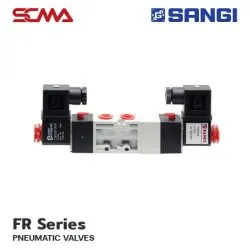 โซลินอยด์วาล์ว Model : FR06(1/4")-N-2-D-DC24V / แบบ Pneumatic 5/3 Way ,For Air,PIPE 1/4, Double CoilSpecial Price THB 2,925.00 Regular Price THB 3,900.00
- โซลินอยด์ วาล์ว Model : IFR03(1/8")-N-1-D-DC24V / Pneumatic 5/ Plug LEDSpecial Price THB 4,425.00 Regular Price THB 5,900.00
- โซลินอยด์วาล์ว Model : IFR03(1/8")-N-1-AC220V / Pneumatic 5/3 Way ,For Air,PIPE 1/8,Double Coil 2,2Special Price THB 3,450.00 Regular Price THB 4,600.00
- โซลินอยด์วาล์ว Model : FC15(1/2")-N-2-AC220V / แบบ Pneumatic 5/3 Way ,Special Price THB 5,850.00 Regular Price THB 7,800.00
- โซลินอยด์วาล์ว Model : FC10(3/8")-N-2-AC220V / แบบ Pneumatic 5/3 Way ,For Air,PIPE 1/4,Double Coil 2Special Price THB 5,175.00 Regular Price THB 6,900.00
- โซลินอยด์วาล์ว Model : FC06(1/4")-N-2-D-AC220V / แบบ Pneumatic 5/3 Way ,For Air,PIPE 1/4,Double CoilSpecial Price THB 3,577.50 Regular Price THB 4,770.00
- โซลินอยด์วาล์ว Model : FC06(1/4")-N-2-AC220V / แบบ Pneumatic 5/3 Way ,For Air,PIPE 1/4,Double Coil2Special Price THB 3,000.00 Regular Price THB 4,000.00
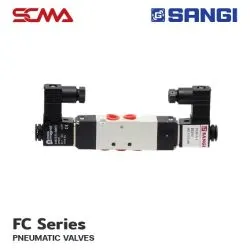 โซลินอยด์วาล์ว Model : FC06(1/4")-N-2-D-DC24V / แบบ Pneumatic 5/3 Way ,For Air,PIPE 1/4, Double CoilSpecial Price THB 2,925.00 Regular Price THB 3,900.00
- โซลินอยด์ วาล์ว Model : IFC03(1/8")-N-1-D-DC24V / Pneumatic 5/ Plug LEDSpecial Price THB 4,425.00 Regular Price THB 5,900.00
- โซลินอยด์วาล์ว Model : IFC03(1/8")-N-1-AC220V / Pneumatic 5/3 Way ,For Air,PIPE 1/8,Double Coil 2,2Special Price THB 3,450.00 Regular Price THB 4,600.00
- โซลินอยด์วาล์ว Model : FD15(1/2")-N-2-AC220V / แบบ Pneumatic 5/2 Way,For Air,PIPE 1/4,Coil Double CoSpecial Price THB 4,500.00 Regular Price THB 6,000.00
- โซลินอยด์วาล์ว Model : FD15(1/2")-N-2-AC110V / แบบ Pneumatic 5/2 Way,For Air,PIPE 1/4,Coil Double CoSpecial Price THB 4,500.00 Regular Price THB 6,000.00
Delivery: 30 ต.ค. 2569
- โซลินอยด์วาล์ว Model : FD10(3/8")-N-2-AC220V /แบบ Pneumatic 5/2 Way ,For Air,PIPE 1/4,Coil Double CoSpecial Price THB 3,675.00 Regular Price THB 4,900.00
- โซลินอยด์วาล์ว Model : FD06(1/4")-N-2-D-AC220V / แบบ Pneumatic 5/2 Way ,For Air,PIPE 1/4,Double CoilSpecial Price THB 2,625.00 Regular Price THB 3,500.00
- โซลินอยด์วาล์ว Model : FD06(1/4")-N-2-AC220V / แบบ Pneumatic 5/2 Way ,For Air,PIPE 1/4,Double Coil2Special Price THB 1,987.50 Regular Price THB 2,650.00
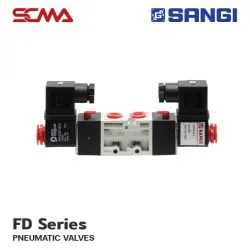 โซลินอยด์วาล์ว Model : FD06(1/4")-N-2-D-DC24V / แบบ Pneumatic 5/2 Way ,For Air,PIPE 1/4, Double CoilSpecial Price THB 2,100.00 Regular Price THB 2,800.00
- โซลินอยด์ วาล์ว Model : IFD03(1/8")-N-1-D-AC220V / แบบ Pneumati Plug LEDSpecial Price THB 3,525.00 Regular Price THB 4,700.00
- โซลินอยด์วาล์ว Model : IFD03(1/8")-N-1-AC220V / แบบ Pneumatic 5/2 Way ,For Air,PIPE 1/8, Double CoilSpecial Price THB 2,625.00 Regular Price THB 3,500.00
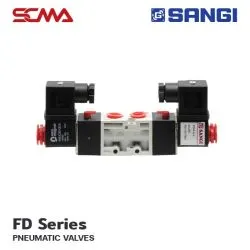 โซลินอยด์วาล์ว Model : IFD03(1/8")-N-1-DC24V / แบบ Pneumatic 5/2 Way ,For Air,PIPE 1/8, Double CoilSpecial Price THB 2,175.00 Regular Price THB 2,900.00
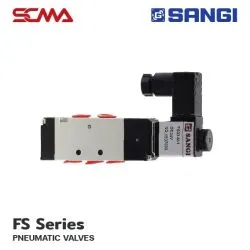 โซลินอยด์วาล์ว Model : FS15(1/2")-N-2 AC220V / แบบ Pneumatic 5/2 Way ,For Air,PIPE 1/4, Single CoilSpecial Price THB 1,725.00 Regular Price THB 2,300.00
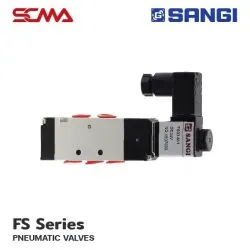 โซลินอยด์วาล์ว Model : FS15(1/2")-N-2-DC24V / แบบ Pneumatic 5/2 Way ,For Air,PIPE 1/2, Single Coil 2Special Price THB 2,325.00 Regular Price THB 3,100.00
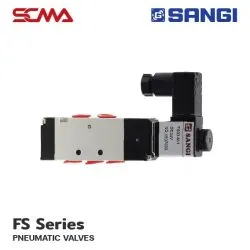 โซลินอยด์วาล์ว Model : FS10(3/8")-N-2-AC220V / แบบ Pneumatic 5/2 Way ,For Air,PIPE 3/8,Coil Single CSpecial Price THB 1,425.00 Regular Price THB 1,900.00
- โซลินอยด์วาล์ว Model : FS10(3/8")-N-2-AC110V / แบบ Pneumatic 5/2 Way ,For Air,PIPE 3/8,Coil Single CSpecial Price THB 1,342.50 Regular Price THB 1,790.00
Delivery: 30 ต.ค. 2569
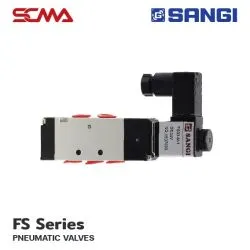 โซลินอยด์วาล์ว Model : FS06(1/4")-N-2-AC220V / แบบ Pneumatic 5/2 Way ,For Air,PIPE 1/4,Coil Single CSpecial Price THB 1,087.50 Regular Price THB 1,450.00
- โซลินอยด์วาล์ว Model : FS06(1/4")-N-2-D-AC220V / แบบ Pneumatic 5/2 Way ,For Air,PIPE 1/4,Single CoilSpecial Price THB 1,500.00 Regular Price THB 2,000.00
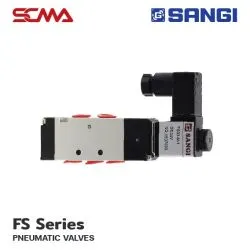 โซลินอยด์วาล์ว Model : FS06(1/4")-D DC24V valve with LEDSpecial Price THB 1,080.00 Regular Price THB 1,440.00
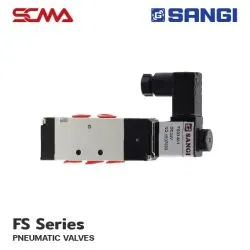 โซลินอยด์วาล์ว Model : FS06(1/4")-N-2-D-DC24V / แบบ Pneumatic 5/2 Way ,For Air,PIPE 1/4, Single CoilSpecial Price THB 1,312.50 Regular Price THB 1,750.00
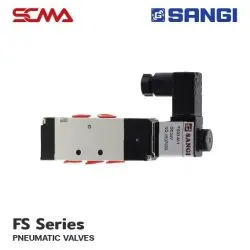 โซลินอยด์วาล์ว Model : FS06(1/4")-N-2-DC24V / แบบ Pneumatic 5/2 Way ,For Air,PIPE 1/4, Single Coil 2Special Price THB 1,050.00 Regular Price THB 1,400.00
- โซลินอยด์วาล์ว Model : FS05(1/4")-N-2-AC220V / แบบ Pneumatic 5/2 Way ,For Air,PIPE 1/4,Coil Single CSpecial Price THB 787.50 Regular Price THB 1,050.00
- โซลินอยด์วาล์ว Model : FS05(1/4")-N-2-D-AC220V / แบบ Pneumatic 5/2 Way ,For Air,PIPE 1/4,Single CoilSpecial Price THB 1,425.00 Regular Price THB 1,900.00
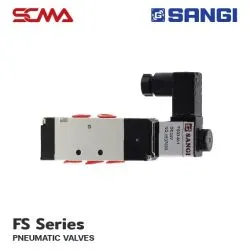 โซลินอยด์วาล์ว Model : FS05(1/4")-N-2-AC110V / แบบ Pneumatic 5/2 Way ,For Air,PIPE 1/4,Coil Single CSpecial Price THB 832.50 Regular Price THB 1,110.00
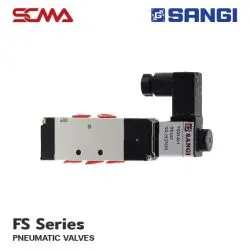 โซลินอยด์วาล์ว Model : FS05(1/4")-N-2-DC24V / แบบ Pneumatic 5/2 Way ,For Air,PIPE 1/4, Single Coil 2Special Price THB 885.00 Regular Price THB 1,180.00
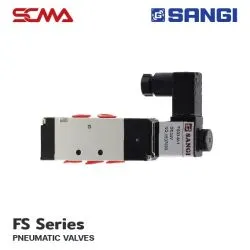 โซลินอยด์วาล์ว Model : FS05(1/4")-N-2-D-DC24V / แบบ Pneumatic 5/2 Way ,For Air,PIPE 1/4, Single CoilSpecial Price THB 1,125.00 Regular Price THB 1,500.00
- โซลินอยด์วาล์ว Model : IFS03(1/8")-N-1-AC220V / Pneumatic 5/2 Way ,For Air,PIPE 1/8,Single Coil 2,2Special Price THB 1,350.00 Regular Price THB 1,800.00
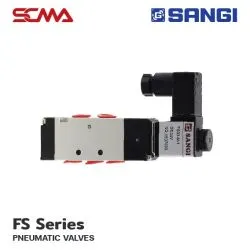 โซลินอยด์วาล์ว Model : IFS03(1/8")-N-1-DC24V / Pneumatic 5/2 Way ,For Air,PIPE 1/8, Single Coil 2,2Special Price THB 1,350.00 Regular Price THB 1,800.00
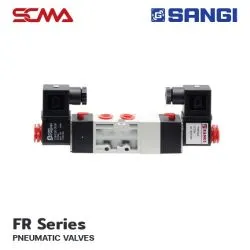 FR15 PNEUMATIC VALVES SANGISpecial Price THB 4,050.00 Regular Price THB 5,400.00
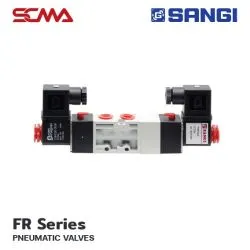 FR10 PNEUMATIC VALVES SANGISpecial Price THB 3,600.00 Regular Price THB 4,800.00
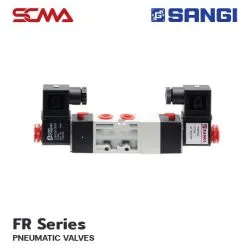 FR06 PNEUMATIC VALVES SANGISpecial Price THB 2,475.00 Regular Price THB 3,300.00
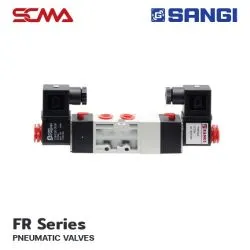 FR03 PNEUMATIC VALVES SANGISpecial Price THB 2,850.00 Regular Price THB 3,800.00
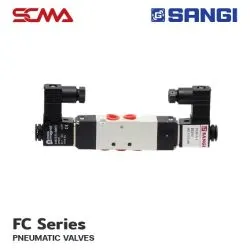 FC15 PNEUMATIC VALVES SANGISpecial Price THB 4,050.00 Regular Price THB 5,400.00
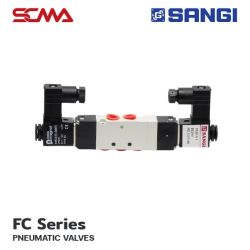 FC10 PNEUMATIC VALVES SANGISpecial Price THB 2,700.00 Regular Price THB 3,600.00
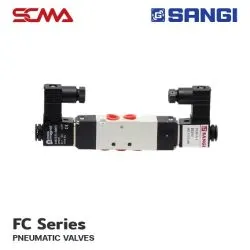 FC06 PNEUMATIC VALVES SANGISpecial Price THB 2,475.00 Regular Price THB 3,300.00
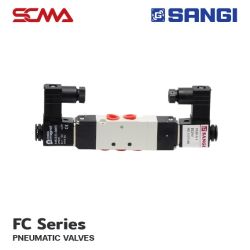 FC03 PNEUMATIC VALVES SANGISpecial Price THB 2,850.00 Regular Price THB 3,800.00
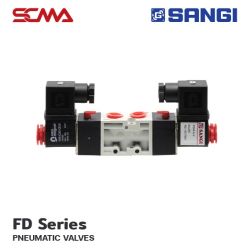 FD15 PNEUMATIC VALVES SANGISpecial Price THB 2,625.00 Regular Price THB 3,500.00
What are Pneumatic Valves?
Pneumatic valves (Pneumatic Valves) are key components in compressed air control systems, serving to determine the path and regulate the volume of compressed air flow to various end devices. They act as the "central brain" that commands the system to move, stop, or change direction as needed. In addition to controlling flow, valves also serve as safety devices capable of shutting down the air supply system in dangerous situations or immediately reducing pressure within the system. With continuous technological advancements over several decades, Pneumatically Controlled Valves today are precise, durable, and easy to connect with smart control systems, ranging from simple manual or mechanical controls to electrically controlled through PLCs and IO-Link systems supporting Industry 4.0 guidelines. For further understanding of how pneumatic valves work, additional details can be studied.
Types of Pneumatic Valves
Selecting the appropriate Pneumatic Valve requires an initial understanding that there are several types designed to meet different usage requirements:
Valves by Number of Ports (Ports)
Pneumatic valves can be categorized based on the number of connection ports, typically 2, 3 or 5 ports. Two-port valves are used for simple open-close flow control, three-port valves suit initial directional control, while five-port valves are commonly used to control double-acting cylinders.
Valves by Control Method
This includes manual valves (Manual Valve) suitable for infrequent use, mechanical valves (Mechanical Valve) that operate with physical action, pneumatically controlled valves using air pressure commands, and solenoid valves (Solenoid Valve) controlled by electrical signals.
Valves by Special Function
Including directional control valves (Directional Control Valve), speed control valves (Speed Control Valve), pressure control valves (Pressure Control Valve), and check valves (Check Valve) that allow air to flow in one direction only. Each type plays a specific role within the system.
Internal Structure of Pneumatic Valves
All pneumatic valves consist of three main components working together seamlessly. Understanding the internal structure will help you select and maintain valves correctly, aligning with industry standards:
1. Poppet Valve Type (Poppet Valve)
This type of valve uses a plunger or piston with a seal at the end of the shaft to block air flow. Upon receiving an actuation signal, the shaft is pulled up, causing the seal to separate from the seat and allowing air to pass through. This valve stands out for its excellent leak prevention, uncomplicated structure, and high flow rate.
2. Soft Seal Spool Valve (Soft Seal Spool Valve)
This type of valve uses a metal spool in conjunction with an O-ring to prevent air leakage between working chambers. It is the most commonly seen type of Pneumatic Valves in general industrial applications due to its reasonable price, light weight, and ease of installation.
3. Metal Seal Spool Valve (Metal Seal Spool Valve)
A premium valve where both the spool and sleeve are made entirely of metal with only a 3-micron gap between parts, providing low friction, quick response, and longest service life. Suitable for high-precision work.
Key Features of Pneumatic Valves from SCMA
At SCMA, we curate only pneumatic valves that have been rigorously tested and quality assured:
- High Precision and Stability - All models of Pneumatic Valves are designed to switch directions and control flow accurately, delivering consistent and reliable results regardless of the operating conditions.
- Durable Construction for Harsh Environments - Engineered to operate in intense industrial settings, they withstand heat, dust, humidity, and challenging environments with a long service life.
- Easy Installation and Maintenance - Designed with uncomplicated structures, fewer components, and easy disassembly, making maintenance of pneumatic valves simple and saving downtime.
- Suitable for Smart System Integration - New models of Pneumatically Controlled Valves can seamlessly connect to Valve Island, IO-Link systems, PLCs, and SCADA, supporting Industry 4.0 initiatives.
- Comprehensive Range of Options - Available in various port types, sizes, pressure ranges, control methods, and internal structures to meet every industrial requirement.
Applications of Pneumatic Valves in Industries
Pneumatic valves are essential components in the automation systems of diverse industries, enhancing production efficiency and safety:
- Automotive Industry - Control pistons on car assembly lines, robot grippers, material handling systems, and clamping devices during welding, painting, and assembly processes using Pneumatically Controlled Valves for high precision.
- Food and Beverage Industry - Used in packaging lines, sealing containers, controlling raw material flow, and transport systems requiring Food Grade cleanliness standards.
- Packaging Industry - Control cutting machines, folding machines, box closing equipment, and automatic product sorting systems on high-speed production lines with responsive Pneumatic Valves.
- Plastic and Rubber Manufacturing Systems - Control mold opening and closing, part handling, and transport systems in plastic injection molding and rubber forming processes.
- Machinery Manufacturing Plants - Used in holding fixtures, workpiece transportation, positioning adjustments, and controlling various cutting tools.
- Energy Industry - Control main valves in pipeline systems, boiler systems, and equipment for steam and compressed air flow control.
- Pharmaceutical and Medical Device Production - Utilized in high-precision manufacturing processes supporting GMP standards and clean room environments (Clean Room).
Comprehensive Pneumatic Valve System Services by SCMA
At SCMA, we are more than just pneumatic valve suppliers; we are technical partners walking alongside you from system planning to professional installation, through to close post-sales support. With over 40 years of experience in the Automation industry and expertise from our team of engineers trained directly by manufacturers, we deliver tailored solutions that add long-term value to your business.
Summary
Selecting the right pneumatic valves is crucial for creating efficient and reliable automated systems. SCMA Company Limited stands ready as a trusted partner in every step of developing pneumatic systems, from consulting on selecting the appropriate pneumatic valves for your application, designing suitable systems, to professional installation and maintenance.
Frequently Asked Questions
How do Poppet and Spool type Pneumatic Valves differ?
Poppet Valve uses a plunger with a seal seat to block flow, providing excellent air tightness and high flow rate, suitable for heavy-duty applications. On the other hand, Spool Valve uses a spool sliding inside a sleeve to change direction of flow, compact in size, cost-effective, and commonly used for general purposes. Spool Valves are divided into Soft Seal (using O-Ring, economical) and Metal Seal (all-metal construction, durable, quick response).
Which type of pneumatic valve should be chosen for a production system?
Selecting Pneumatic Valves involves considering several factors such as the nature of work to control (open-close or change direction), required speed of response, operating pressure and flow rate, method of control (manual, mechanical, or electric), working environment conditions, and budget. The expert engineering team at SCMA is ready to analyze your requirements and recommend the most suitable valve with a cost-effective price evaluation.
How should pneumatic valves be maintained?
To ensure long service life of pneumatic valves, regular cleaning or replacement of air filters should be performed to prevent dust from entering the valve. Check for leaks at connection ports and replace O-Rings as per specified intervals. Ensure that air pressure remains within an appropriate range and periodically test the functionality of pneumatically controlled valves. For frequently used valves, a preventive maintenance plan (Preventive Maintenance) is recommended. SCMA offers after-sales service and maintenance training to all customers.
This website uses cookies
We use cookies to make the site work properly, to understand how it is used, and to show content that is relevant to you. You choose which types to allow; strictly necessary cookies are always on. Privacy Policy
🤖 AI Assistant
Ask about products, specs and replacement models
Hello 👋 Ask us anything — find products, compare specs, or troubleshoot.
🗑 Clear history