
SPECIAL PROMOTION — Up to 40% off across many product groups, until 31 December 2026 · Click to see all promotion itemsIFM, Sensor, Automation SystemMeasuring / Testing InstrumentsTemp Indicator, Control, T/C, RTD, TimerHeater, SCR Control, Solid State, Power Supply, Control CabinetField Measuring Instruments, Pressure Gauge, Level Control, Flow MeasurementEMC, Pneumatic, Solenoid ValveInspection Test Lamp, Head Light, Automotive Measuring InstrumentWeighing Scales, Marking Machine, PrintersEducational Training SystemsHot Line Tools & Equipment SPECIAL PROMOTION — Up to 40% off across many product groups, until 31 December 2026 · Click to see all promotion itemsIFM, Sensor, Automation SystemMeasuring / Testing InstrumentsTemp Indicator, Control, T/C, RTD, TimerHeater, SCR Control, Solid State, Power Supply, Control CabinetField Measuring Instruments, Pressure Gauge, Level Control, Flow MeasurementEMC, Pneumatic, Solenoid ValveInspection Test Lamp, Head Light, Automotive Measuring InstrumentWeighing Scales, Marking Machine, PrintersEducational Training SystemsHot Line Tools & Equipment View promotion items View all
Flow Meters for Compressed Air
What are Flow Meters for Compressed Air?
Flow Meters for Compressed Air are devices used to measure the flow rate of compressed air in a system. They are commonly used in industries that require compressed air, such as manufacturing, transportation, and tools that need compressed air to operate. These devices help manage energy efficiency and identify leaks in the compressed air system.
How Flow Meters for Compressed Air Work
- Differential Pressure Flow Meters measure changes in pressure as air flows through to calculate flow rate.
- Thermal Mass Flow Meters measure temperature changes caused by the flow of air through a sensor to calculate flow.
- Vortex Flow Meters use the principle of measuring vortex shedding that occurs when air flows around an obstruction in the pipe. The frequency of the vortices is proportional to the flow rate.
- Ultrasonic Flow Meters use ultrasonic waves to measure air flow by measuring the time it takes for sound waves to travel between points in the pipe.
Benefits of Using Flow Meters for Compressed Air
- Measure and monitor compressed air usage to assess energy efficiency and reduce energy loss from excessive use of compressed air.
- Identify leaks in the compressed air system, which can help prevent losses.
- Continuous flow rate measurement helps detect potential issues in the system and allows for proactive maintenance.
- Check and improve compressed air flow to match usage, ensuring optimal system performance.
Applications of Flow Meters for Compressed Air in Industries
- Use of tools and machinery driven by compressed air in manufacturing industries.
- Using compressed air in braking systems of trains or large vehicles in transportation systems.
- Using compressed air in various processes such as packaging and material handling in the packaging industry.
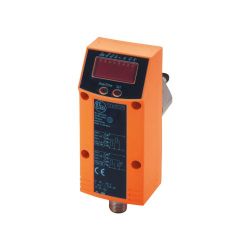 SD0523 \ efector 300 \ Flow sensor \ SDD11DGXFPKG/US-100 \ DESpecial Price THB 57,225.00 Regular Price THB 76,300.00
Delivery: 30 ต.ค. 2569
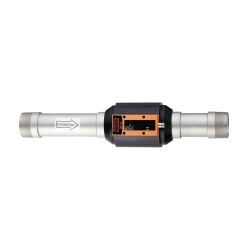 SD2000 \ efector 300 \ Flow sensor \ SDR21DGXFPKG/US-100 \ DESpecial Price THB 73,725.00 Regular Price THB 98,300.00
Delivery: 30 ต.ค. 2569
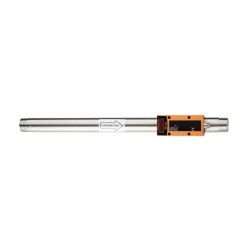 SD8000 \ efector 300 \ Flow sensor \ SDR11DGXFPKG/US-100 \ DESpecial Price THB 56,850.00 Regular Price THB 75,800.00
Delivery: 30 ต.ค. 2569
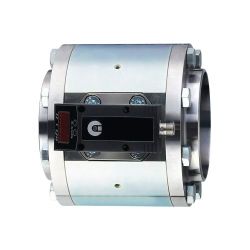 SDG080 \ efector 300 \ Flow sensor \ SDG3"/METRIS PB DN80 \ DESpecial Price THB 191,250.00 Regular Price THB 255,000.00
Delivery: 30 ต.ค. 2569
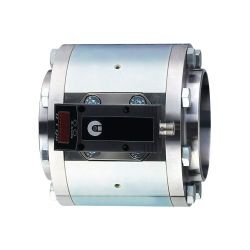 SDG100 \ efector 300 \ Flow sensor \ SDG4"/METRIS PB DN100 \ DESpecial Price THB 208,500.00 Regular Price THB 278,000.00
Delivery: 30 ต.ค. 2569
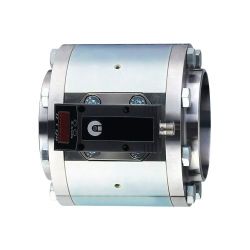 SDG150 \ efector 300 \ Flow sensor \ SDG6"/METRIS PB DN150 \ DESpecial Price THB 261,100.00 Regular Price THB 373,000.00
Delivery: 30 ต.ค. 2569
คำถามที่พบบ่อยเกี่ยวกับ Flow Meters for Compressed Air
1. Flow Meter for Compressed Air คืออะไร?
Flow Meter for Compressed Air คืออุปกรณ์วัดอัตราการไหลของลมอัดในท่อ เพื่อให้ทราบปริมาณการใช้งานและติดตามการเปลี่ยนแปลงของระบบ
2. ทำไมระบบลมอัดจึงควรติดตั้ง Flow Meter?
การวัดการไหลช่วยให้เห็นว่าจุดใดใช้ลมมากหรือน้อยผิดปกติ และนำข้อมูลไปตรวจสอบการใช้พลังงานหรือวางแผนปรับปรุงระบบได้
3. Flow Meter ตรวจพบจุดลมรั่วได้ทันทีหรือไม่?
Flow Meter ช่วยบอกได้ว่าปริมาณการใช้ลมในช่วงหรือพื้นที่หนึ่งผิดปกติ แต่โดยทั่วไปยังต้องตรวจเพิ่มเติมเพื่อหาตำแหน่งรั่วที่แน่นอน
4. จะใช้ข้อมูลการไหลตรวจสอบลมรั่วอย่างไร?
เปรียบเทียบอัตราการไหลในช่วงที่เครื่องจักรทำงานกับช่วงที่หยุดใช้งาน หากยังมีการไหลในช่วงที่ไม่ควรใช้ลม ควรตรวจสอบการรั่วหรืออุปกรณ์ที่ยังเปิดอยู่
5. Flow Meter สำหรับลมอัดวัดค่าอะไรได้บ้าง?
ขึ้นอยู่กับรุ่น โดยอาจแสดงอัตราการไหล ปริมาณสะสม และค่าอื่นที่เกี่ยวข้อง ควรดูข้อมูลจำเพาะของรุ่นที่เลือกก่อนใช้งาน
6. ต้องเลือกขนาด Flow Meter ให้เท่ากับขนาดท่อหรือไม่?
ควรตรวจสอบทั้งขนาดท่อ ช่วงอัตราการไหล และรูปแบบจุดต่อของอุปกรณ์ เพื่อให้ติดตั้งได้และวัดค่าในช่วงที่เหมาะสม
7. SD Series ในแคต SCMA ใช้กับงานอะไร?
SD Series ในแคตเป็นกลุ่มอุปกรณ์ตรวจวัดการไหลของอากาศและก๊าซ สามารถนำข้อมูลการไหลไปใช้ติดตามการใช้งานลมในระบบได้
8. Flow Meter ส่งข้อมูลเข้าระบบควบคุมได้ไหม?
ได้ในรุ่นที่มีสัญญาณขาออกหรืออินเทอร์เฟซที่ระบบควบคุมรองรับ เช่น สัญญาณแอนะล็อก สัญญาณสวิตช์ หรือ IO-Link ตามสเปกแต่ละรุ่น
9. ก่อนเลือก Flow Meter สำหรับลมอัดต้องทราบอะไร?
ควรทราบชนิดก๊าซ ขนาดท่อ ช่วงอัตราการไหล แรงดันและอุณหภูมิใช้งาน จุดติดตั้ง และวิธีส่งข้อมูลที่ต้องการ
10. ดู Flow Meters for Compressed Air ของ SCMA ได้ที่ไหน?
ดูรายการรุ่นในหน้า Flow Meters for Compressed Air ของ SCMA และดูภาพรวมกลุ่ม SD Series ในแคตตาล็อก A2 หน้า 05 ก่อนเทียบสเปกของรุ่นที่จะใช้จริง
This website uses cookies
We use cookies to make the site work properly, to understand how it is used, and to show content that is relevant to you. You choose which types to allow; strictly necessary cookies are always on. Privacy Policy
🤖 AI Assistant
Ask about products, specs and replacement models
Hello 👋 Ask us anything — find products, compare specs, or troubleshoot.
🗑 Clear history