
SPECIAL PROMOTION — Up to 40% off across many product groups, until 31 December 2026 · Click to see all promotion itemsIFM, Sensor, Automation SystemMeasuring / Testing InstrumentsTemp Indicator, Control, T/C, RTD, TimerHeater, SCR Control, Solid State, Power Supply, Control CabinetField Measuring Instruments, Pressure Gauge, Level Control, Flow MeasurementEMC, Pneumatic, Solenoid ValveInspection Test Lamp, Head Light, Automotive Measuring InstrumentWeighing Scales, Marking Machine, PrintersEducational Training SystemsHot Line Tools & Equipment SPECIAL PROMOTION — Up to 40% off across many product groups, until 31 December 2026 · Click to see all promotion itemsIFM, Sensor, Automation SystemMeasuring / Testing InstrumentsTemp Indicator, Control, T/C, RTD, TimerHeater, SCR Control, Solid State, Power Supply, Control CabinetField Measuring Instruments, Pressure Gauge, Level Control, Flow MeasurementEMC, Pneumatic, Solenoid ValveInspection Test Lamp, Head Light, Automotive Measuring InstrumentWeighing Scales, Marking Machine, PrintersEducational Training SystemsHot Line Tools & Equipment View promotion items View all
Panel Meters
What are Panel Meters?
Panel Meters are panel-mounted measuring devices used to measure and display various electrical and physical parameters such as voltage (Voltage), current (Current), power (Power), frequency (Frequency), and other parameters. They are installed on control panels or instrument panels of electrical systems, making it easy for users to monitor and manage system operations. These meters detect and measure the required parameters through sensors or internal measurement circuits, then display the measured values on a screen so that users can immediately check the status and performance of the system. Panel Meters play a crucial role in optimizing energy usage across various industries.
Types of Panel Meters
- Analog Panel Meters use needles to display results, offering durability and ease of use.
- Digital Panel Meters feature digital screens for high accuracy and easy reading.
- Multifunction Panel Meters can measure and display multiple parameters such as voltage, current, power, and frequency in a single unit.
- Power Quality Panel Meters are used to monitor and analyze electrical energy quality, including harmonics and leakage energy.
Applications of Panel Meters
- Used for monitoring and controlling the operation of electrical systems in homes and commercial buildings, as well as checking energy usage during construction projects and industrial installations.
- Used to monitor and analyze the performance of machinery and electrical equipment, including recording machine operations and production lines in manufacturing industries.
- Used for planning and controlling energy usage in factories and facilities across various industries.
- Used to monitor and analyze electrical energy quality in systems, as well as analyzing the operation of electrical systems in vehicles within the automotive industry.
Renowned Brands of Panel Meters
- Fluke - a leading brand known for quality and reliability.
- Hioki - a brand specialized in producing highly accurate electrical measuring tools.
- KEPLER INSTRUMENTS - a brand with a wide range of high-quality and reliable products.
- Red Lion Controls - a brand specialized in producing measuring devices and control tools for automation systems.
- Schneider Electric - a brand with a diverse range of products specializing in energy management.
- Yokogawa - a Japanese brand renowned for its measuring instruments and system electrical inspection tools.
View the Panel Meters Catalog : Click here
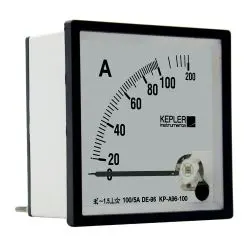 KP-A96-5000 ANALOG PANEL AMP METER KEPLERSpecial Price THB 225.00 Regular Price THB 300.00
Delivery: 30 ต.ค. 2569
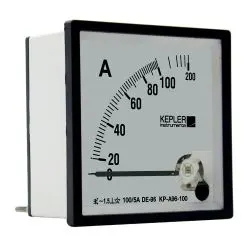 KP-A96-4000 ANALOG PANEL AMP METER KEPLERSpecial Price THB 225.00 Regular Price THB 300.00
Delivery: 30 ต.ค. 2569
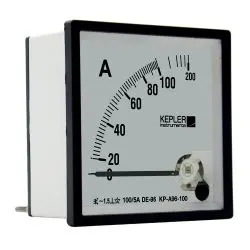 KP-A96-3000 ANALOG PANEL AMP METER KEPLERSpecial Price THB 225.00 Regular Price THB 300.00
Delivery: 30 ต.ค. 2569
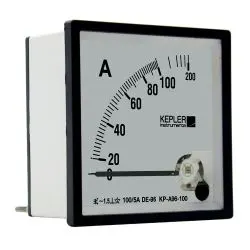 KP-A96-2000 ANALOG PANEL AMP METER KEPLERSpecial Price THB 225.00 Regular Price THB 300.00
Delivery: 30 ต.ค. 2569
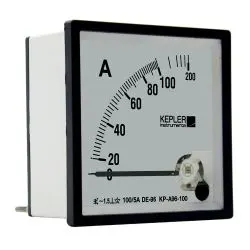 KP-A96-1500 ANALOG PANEL AMP METER KEPLERSpecial Price THB 225.00 Regular Price THB 300.00
Delivery: 30 ต.ค. 2569
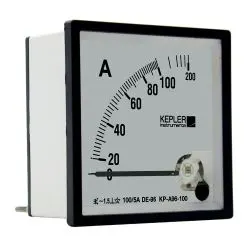 KP-A96-1250 ANALOG PANEL AMP METER KEPLERSpecial Price THB 225.00 Regular Price THB 300.00
Delivery: 30 ต.ค. 2569
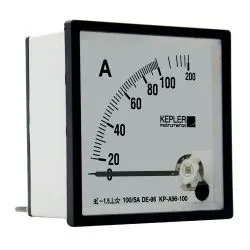 KP-A96-1000 ANALOG PANEL AMP METER KEPLERSpecial Price THB 225.00 Regular Price THB 300.00
Delivery: 30 ต.ค. 2569
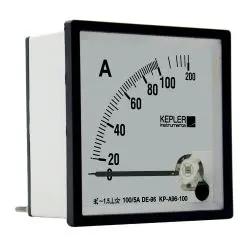 KP-A96-800 ANALOG PANEL AMP METER KEPLERSpecial Price THB 225.00 Regular Price THB 300.00
Delivery: 30 ต.ค. 2569
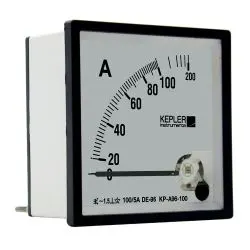 KP-A96-600 ANALOG PANEL AMP METER KEPLERSpecial Price THB 225.00 Regular Price THB 300.00
Delivery: 30 ต.ค. 2569
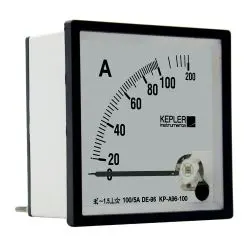 KP-A96-500 ANALOG PANEL AMP METER KEPLERSpecial Price THB 225.00 Regular Price THB 300.00
Delivery: 30 ต.ค. 2569
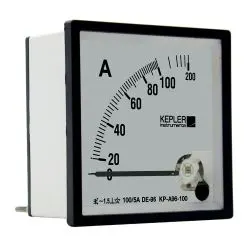 KP-A96-400 ANALOG PANEL AMP METER KEPLERSpecial Price THB 225.00 Regular Price THB 300.00
Delivery: 30 ต.ค. 2569
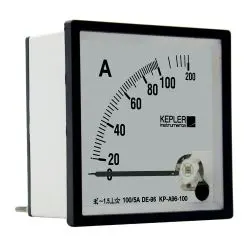 KP-A96-300 ANALOG PANEL AMP METER KEPLERSpecial Price THB 225.00 Regular Price THB 300.00
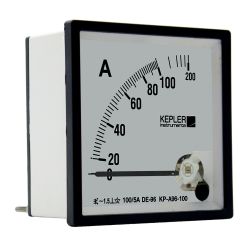 KP-A96-250 ANALOG PANEL AMP METER KEPLERSpecial Price THB 225.00 Regular Price THB 300.00
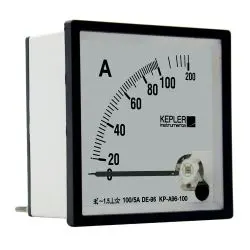 KP-A96-200 ANALOG PANEL AMP METER KEPLERSpecial Price THB 225.00 Regular Price THB 300.00
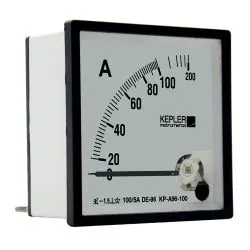 KP-A96-150 ANALOG PANEL AMP METER KEPLERSpecial Price THB 225.00 Regular Price THB 300.00
Delivery: 30 ต.ค. 2569
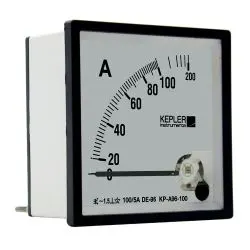 KP-A96-100 ANALOG PANEL AMP METER KEPLERSpecial Price THB 225.00 Regular Price THB 300.00
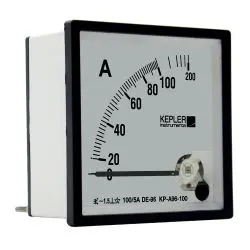 KP-A96-60 ANALOG PANEL AMP METER KEPLERSpecial Price THB 225.00 Regular Price THB 300.00
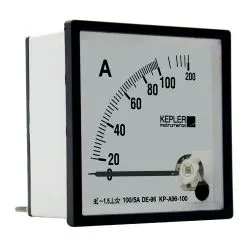 KP-A96-50 ANALOG PANEL AMP METER KEPLERSpecial Price THB 225.00 Regular Price THB 300.00
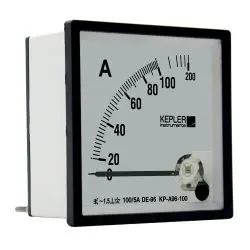 KP-A96-30 ANALOG PANEL AMP METER KEPLERSpecial Price THB 225.00 Regular Price THB 300.00
Delivery: 30 ต.ค. 2569
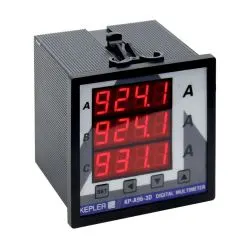 KP-A96-3D DIGITAL PANEL VOLT-AMP METERS KEPLERSpecial Price THB 1,350.00 Regular Price THB 1,800.00
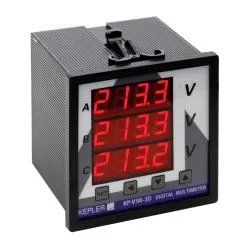 KP-V96-3D DIGITAL PANEL VOLT-AMP METERS KEPLERSpecial Price THB 1,350.00 Regular Price THB 1,800.00
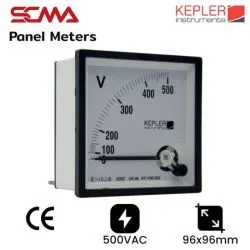 KP-V96-500 Kepler Analog Panel Volt MeterSpecial Price THB 280.00 Regular Price THB 350.00
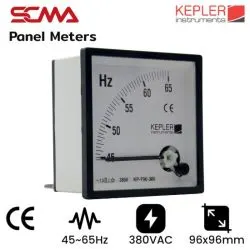 KP-F96-380 Kepler Analog Panel Frequency MeterSpecial Price THB 440.00 Regular Price THB 550.00
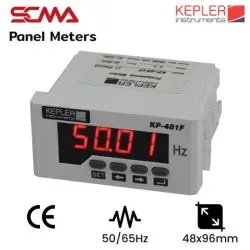 KP-481F Kepler Digital Panel Frequency MeterSpecial Price THB 720.00 Regular Price THB 900.00
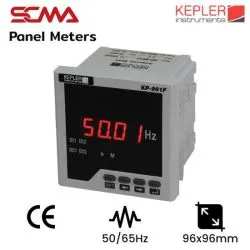 KP-961F Kepler Digital Panel Frequency MeterSpecial Price THB 720.00 Regular Price THB 900.00
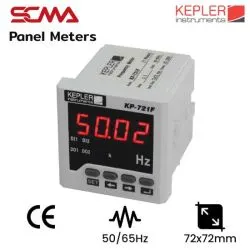 KP-721F Kepler Digital Panel Frequency MeterSpecial Price THB 720.00 Regular Price THB 900.00
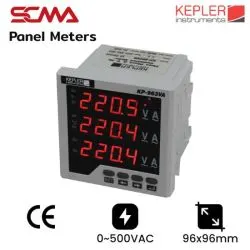 KP-963VA Kepler Digital Panel Volt-Amp MeterSpecial Price THB 1,920.00 Regular Price THB 2,400.00
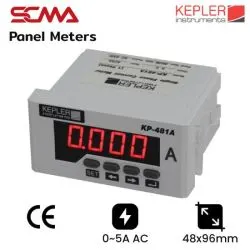 KP-481A Kepler Digital Panel Amp MeterSpecial Price THB 720.00 Regular Price THB 900.00
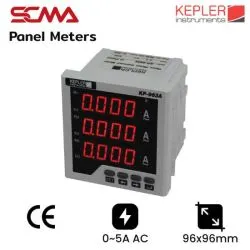 KP-963A Kepler Digital Panel Amp MeterSpecial Price THB 1,280.00 Regular Price THB 1,600.00
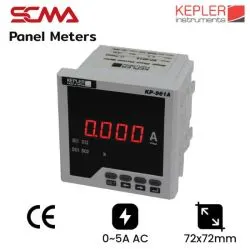 KP-723A Kepler Digital Panel Amp MeterSpecial Price THB 1,200.00 Regular Price THB 1,500.00
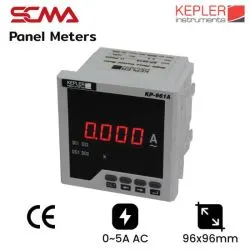 KP-961A Kepler Digital Panel Amp MeterSpecial Price THB 720.00 Regular Price THB 900.00
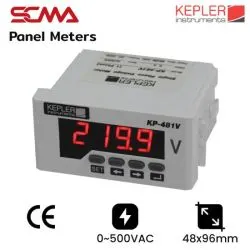 KP-481V Kepler Digital Panel Volts MeterSpecial Price THB 720.00 Regular Price THB 900.00
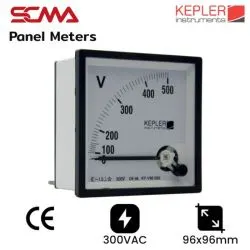 KP-V96-300 Kepler Analog Panel Volt MeterSpecial Price THB 280.00 Regular Price THB 350.00
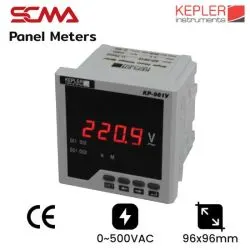 KP-961V Kepler Digital Panel Volt MeterSpecial Price THB 720.00 Regular Price THB 900.00
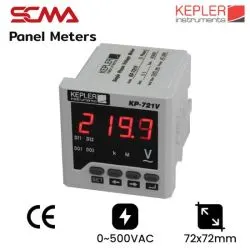 KP-721V Kepler Digital Panel Volt MeterSpecial Price THB 720.00 Regular Price THB 900.00
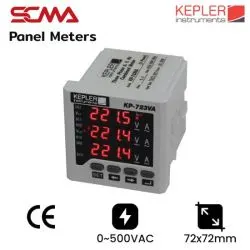 KP-723VA Kepler Digital Panel Volt-Amp MeterSpecial Price THB 1,920.00 Regular Price THB 2,400.00
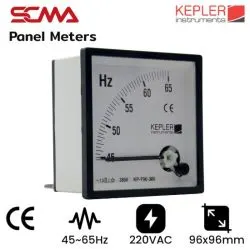 KP-F96-220 Analog Panel Frequency MeterSpecial Price THB 440.00 Regular Price THB 550.00
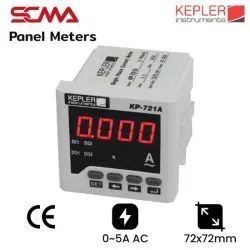 KP-721A Kepler Digital Panel Amp MeterSpecial Price THB 720.00 Regular Price THB 900.00
What is a Panel Meter? A Beginner's Guide to Selecting the Right Panel Meter
If you are looking for an electrical display device for your control panel, you cannot miss out on the Panel meter or Panel meter. This basic tool is essential knowledge for every electrician and engineer. In this article, we will help you understand what a Panel meter is, its types such as digital panel meters and classic amp meters, and how to choose one that suits your electrical system for accurate and safe readings. For further consultation, contact our expertshere.
What is a Panel Meter? Get to Know the Control Panel Display Device
A panel meter is an instrument designed for measuring and displaying electrical or physical values on control panels (Control Panels) or switchboards (Switchboard). The primary function of panel meters is to receive signals from sensors or transducers, then convert these into numerical readings or needle positions so that operators can monitor system status immediately. This includes voltage (Volt), current (Amp), frequency (Hz), temperature, and RPM. These devices make monitoring systems easy and efficient.
Types of Panel Meters: Analog vs Digital
In the market, panel meters are mainly divided into two types: analog (Analog) or needle type, which have advantages such as easy trend observation, no power requirement in some models, and lower cost. The other type is digital panel meters (Digital), offering high resolution, more accurate readings, additional features like Alarm or Communication (RS485), and a modern look. Selection depends on budget and the level of detail required for your application. Learn morehere.
The Importance in Control Systems and Switchboards
Installing a control panel or switchboard without display screens is like driving without speedometers; you won't know if the system is overloaded (Overload) or experiencing under/over voltage. Panel meters act as front-line monitors, helping technicians make timely decisions to prevent severe damage to machinery and electrical equipment.
What Can a Panel Meter Measure? Functions You Should Know
The capabilities of panel meters are not limited to basic electrical measurements but can be versatile depending on the input signals provided.
Voltage Measurement (Voltmeter)
Used for measuring voltage differences in systems, available as AC and DC voltmeters. When selecting, ensure the measurement range covers your operational voltage needs, such as 0-500V or 0-600V, and always connect in parallel with power sources.
Current Measurement (Ammeter)
Used for measuring current flow through loads. For high currents, use a Current Transformer (CT) to reduce the current to levels the meter can handle (e.g., 5A). Connect in series or via CT if using an analog ammeter; these meters are sensitive to sudden current surges.
Other Electrical Measurements (Frequency, Power Factor, Watt)
Beyond voltage and current, there are specialized meters for measuring frequency (Hz), power factor (PF), and real power (Watt). Some multi-function meters can measure all these in one unit, saving panel space. Learn more about energy metershere.
How to Choose the Right Panel Meter for Your Application
Selecting a panel meter with the right specifications is crucial for preventing damage and ensuring accurate readings.
Consider Size and Cutout Dimensions (Size & Cutout)
Standard meter sizes include 48x48, 72x72, 96x96 mm (DIN standard). Measure the existing panel cutout or design a new one to fit your chosen meter size. Larger meters provide clearer readings from a distance.
Select Measurement Range and Input Signal Type
Know the highest value you need to measure to choose an appropriate range, such as selecting a voltmeter with ranges of 0-300V or 0-500V for household voltage. For current measurement, specify CT ratios (e.g., 100/5A) and signal type (AC or DC).
Auxiliary Power Supply
Digital panel meters require a power supply. Check the available power source at your site (e.g., 220VAC, 24VDC) and select a meter with matching specifications to avoid damage.
Installation and Basic Usage
Installing panel meters is not difficult but requires attention to safety and proper wiring.
Hole Cutting and Mounting
Use a jigsaw or laser cutter to cut the control panel according to the specified cutout size. Insert the meter, secure it with mounting brackets, but avoid over-tightening which may crack plastic frames.
Wiring Diagram
Study the wiring diagram provided on the device carefully. Do not connect auxiliary power incorrectly; separate voltage and current input terminals clearly. For three-phase electrical panels, pay attention to phase arrangement (R, S, T) and CT direction (k, l) for accurate readings. Learn more about measuring currenthere.
When Looking for a Panel Meter, Think SCMA!
If you need high-quality, durable, and accurate panel meters or complete control panel accessories, SCMA is your solution. We offer various leading brands with an engineering team ready to assist in selecting specifications and solving on-site issues. Trust our fast delivery and after-sales service. View all productshere.
Summary
Panel meters are crucial in electrical control systems. Choosing the right type and specifications simplifies maintenance, ensures safety, and improves efficiency. We hope this article guides you confidently in your selection process. For further questions, contact SCMA immediatelyhere.
Frequently Asked Questions
Why is a Digital Panel Meter Better than an Analog One?
Digital meters are easier to read, have no parallax errors, offer higher accuracy, better vibration resistance, and often come with additional features like output signals or alarms.
Do I Always Need a CT for an Ammeter?
No, if the current is not too high (e.g., up to 5A, 10A, or 20A in some models), direct connection to the meter is possible. However, for higher currents exceeding the meter's capacity, a CT is necessary to reduce the current.
Can I Repair a Damaged Panel Meter?
Most panel meters are small electronic devices; repair costs often outweigh replacement expenses. Replacement saves time and money unless dealing with very expensive or hard-to-find models.
This website uses cookies
We use cookies to make the site work properly, to understand how it is used, and to show content that is relevant to you. You choose which types to allow; strictly necessary cookies are always on. Privacy Policy
🤖 AI Assistant
Ask about products, specs and replacement models
Hello 👋 Ask us anything — find products, compare specs, or troubleshoot.
🗑 Clear history