
SPECIAL PROMOTION — Up to 40% off across many product groups, until 31 December 2026 · Click to see all promotion itemsIFM, Sensor, Automation SystemMeasuring / Testing InstrumentsTemp Indicator, Control, T/C, RTD, TimerHeater, SCR Control, Solid State, Power Supply, Control CabinetField Measuring Instruments, Pressure Gauge, Level Control, Flow MeasurementEMC, Pneumatic, Solenoid ValveInspection Test Lamp, Head Light, Automotive Measuring InstrumentWeighing Scales, Marking Machine, PrintersEducational Training SystemsHot Line Tools & Equipment SPECIAL PROMOTION — Up to 40% off across many product groups, until 31 December 2026 · Click to see all promotion itemsIFM, Sensor, Automation SystemMeasuring / Testing InstrumentsTemp Indicator, Control, T/C, RTD, TimerHeater, SCR Control, Solid State, Power Supply, Control CabinetField Measuring Instruments, Pressure Gauge, Level Control, Flow MeasurementEMC, Pneumatic, Solenoid ValveInspection Test Lamp, Head Light, Automotive Measuring InstrumentWeighing Scales, Marking Machine, PrintersEducational Training SystemsHot Line Tools & Equipment View promotion items View all
Thermometer Gauges
What are Thermometer Gauges?
Thermometer Gauges are devices used to measure and read temperature or humidity levels in a given location. They are suitable for use across all types of industries.
Types of Thermometer Gauges
- Liquid-in-Glass Thermometers - These liquid-filled glass tube thermometers expand and move up the tube to indicate temperature readings.
- Bimetallic Thermometer Gauges - This type uses two metal strips with different expansion rates. As temperatures change, the strip bends and moves.
- Gas-Actuated Thermometers - These thermometers use gas that expands or contracts as temperature changes. They are highly accurate and suitable for wide temperature ranges in closed systems.
- Vapor-Actuated Thermometers - In a closed system, vapor levels change with temperature variations, which can be converted to temperature readings.
- Digital Thermometer Gauges - These digital thermometers use electronic sensors to detect temperatures and display them as digital numbers.
- Infrared (IR) Thermometer Gauges - Infrared thermometers measure temperature using infrared radiation, displaying the reading on a screen.
- Thermocouple Thermometers - These use two different metals joined at one end. The junction creates an electrical voltage that can be converted to temperature readings.
- Resistance Temperature Detector (RTD) Thermometers - They work based on the change in resistance of metal as temperatures vary.
- Thermistor Thermometers - These use semiconductors that change their resistance with temperature variations.
Uses of Thermometer Gauges
- Quality control in manufacturing processes, as temperature is crucial during production.
- Accurate temperature control helps prevent and reduce the risk of accidents.
- Proper temperature control can help reduce energy costs and improve efficiency.
- Used to monitor environmental temperatures for research and environmental control in various locations.
- Precise temperature readings prevent unwanted reactions and enable efficient chemical reactions.
- They can be effectively used and controlled in HVAC systems.
View the Thermometer Gauges Catalog : Click here
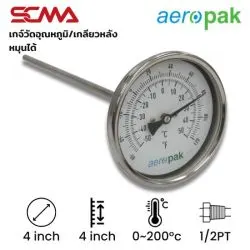 ASSF-401 Thermometer Gauge 0~200C 4" Type-T 4"/Dia.6mm 1/2"PT SUS304Special Price THB 1,360.00 Regular Price THB 1,700.00
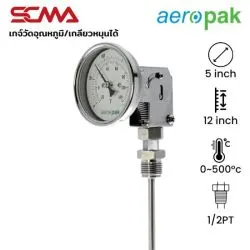 Thermometer Gauge Adjustable Dial 0~500C/F 5"x12" Thread 1/2" PT ASSF-581Special Price THB 4,000.00 Regular Price THB 5,000.00
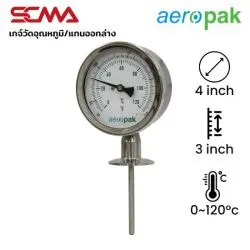 ASSF-416 Temperature Sensor 4"x3" 0~120 C/F, Clamp 1.5" SUS316, SanitarySpecial Price THB 2,880.00 Regular Price THB 3,600.00
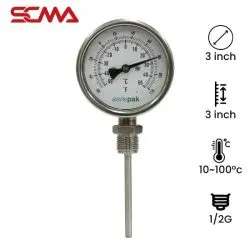 ASSF-311 Thermometer 3"x3" -10~100 C/F Dia.6.35mm 1/2G SUS304Special Price THB 1,440.00 Regular Price THB 1,800.00
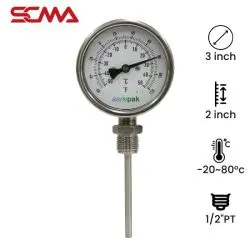 ASSF-311 Thermometer Gauge -20~80C 3" Type-I 2"/Dia.6mm 1/2"PT SUS304Special Price THB 1,360.00 Regular Price THB 1,700.00
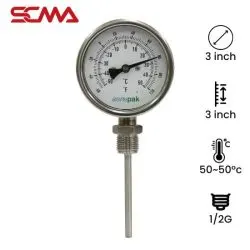 ASSF-311 Thermometer 3"x3" -50~50 C/F Dia.6.35mm 1/2G SUS304Special Price THB 1,440.00 Regular Price THB 1,800.00
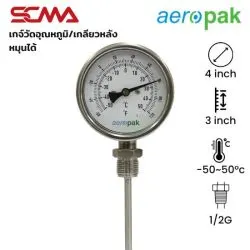 ASSF-411 Temperature Sensor 4"x3" -50~50 C/F Dia.6.35mm 1/2G SUS304Special Price THB 1,520.00 Regular Price THB 1,900.00
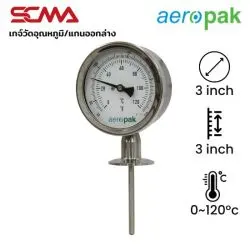 ASSF-316 Temperature Sensor 3"x3" 0~120 C/F, Clamp 1.5" SUS316, SanitarySpecial Price THB 2,320.00 Regular Price THB 2,900.00
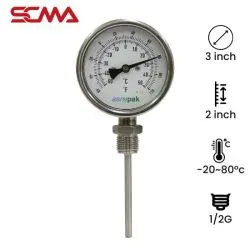 ASSF-311 Thermometer 3"x2" -20~80 C/F Dia.6.35mm 1/2G SUS304Special Price THB 1,360.00 Regular Price THB 1,700.00
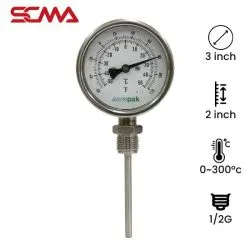 ASSF-311 Thermometer 3"x2" 0~300 C/F Dia.6.35mm 1/2G SUS304Special Price THB 1,360.00 Regular Price THB 1,700.00
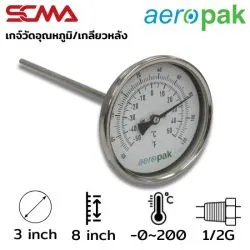 ASSF-301 3"x8" Temperature Sensor/Straight 0~200 C/F Dia.6.35mm 1/2G SUS304Special Price THB 1,360.00 Regular Price THB 1,700.00
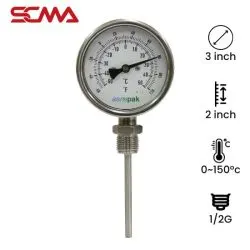 ASSF-311 Thermometer 3"x2" 0~150 C/F Dia.6.35mm 1/2G SUS304Special Price THB 1,360.00 Regular Price THB 1,700.00
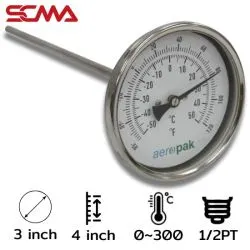 ASSF-301 Thermometer Gauge 0~300C 3" Type-T 4"/Dia.6mm 1/2"PT SUS304Special Price THB 1,280.00 Regular Price THB 1,600.00
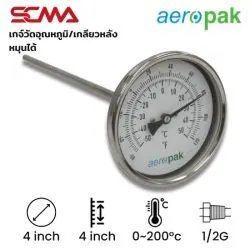 ASSF-401 Temperature Sensor / Male Thread 4"x4" 0~200 C/F Dia.6.35mm 1/2G SUS304Special Price THB 1,360.00 Regular Price THB 1,700.00
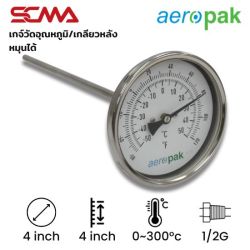 ASSF-401 Temperature Sensor / Male Thread 4"x4" 0~300 C/F Dia.6.35mm 1/2G SUS304Special Price THB 1,360.00 Regular Price THB 1,700.00
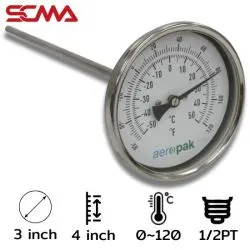 ASSF-301 Thermometer Gauge 0~120C 3" Type-T 4"/Dia.6mm 1/2"PT SUS304Special Price THB 1,280.00 Regular Price THB 1,600.00
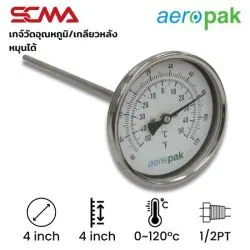 ASSF-401 Thermometer Gauge 0~120C 4" Type-T 4"/Dia.6mm 1/2"PT SUS304Special Price THB 1,360.00 Regular Price THB 1,700.00
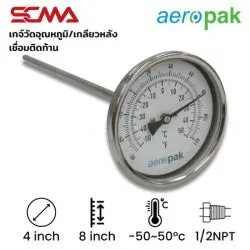 ASSF-403 Temperature Gauge, Dial 4", Stem Length 8" Thread 1/2" NPT Range -50…+50C/F SUS304Special Price THB 1,360.00 Regular Price THB 1,700.00
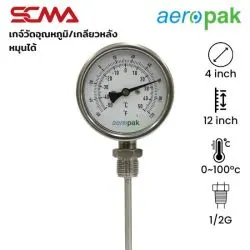 Thermometer Gauge 4" Dial x 12" Stem Length 0~100 C/F Dia.6.35mm 1/2G SUS304 ASSF-411Special Price THB 1,600.00 Regular Price THB 2,000.00
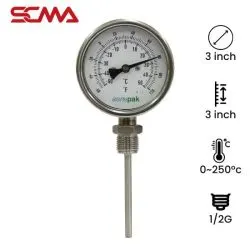 ASSF-311 Thermometer 3"x3" 0~250 C/F Dia.6.35mm 1/2G SUS304Special Price THB 1,360.00 Regular Price THB 1,700.00
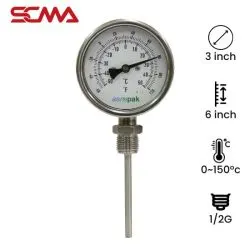 ASSF-311 Thermometer 3"x6" 0~150 C/F Dia.6.35mm 1/2G SUS304Special Price THB 1,360.00 Regular Price THB 1,700.00
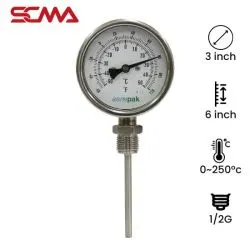 ASSF-311 Thermometer 3"x6" 0~250 C/F Dia.6.35mm 1/2G SUS304Special Price THB 1,360.00 Regular Price THB 1,700.00
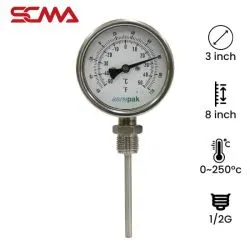 ASSF-311 Thermometer 3"x8" 0~250 C/F Dia.6.35mm 1/2G SUS304Special Price THB 1,440.00 Regular Price THB 1,800.00
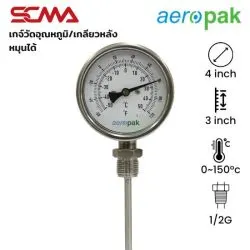 ASSF-411 Temperature Sensor 4"x3" 0~150 C/F Dia.6.35mm 1/2G SUS304Special Price THB 1,360.00 Regular Price THB 1,700.00
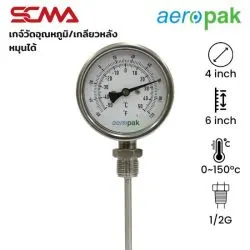 ASSF-411 Temperature Sensor 4"x6" 0~150 C/F Dia.6.35mm 1/2G SUS304Special Price THB 1,360.00 Regular Price THB 1,700.00
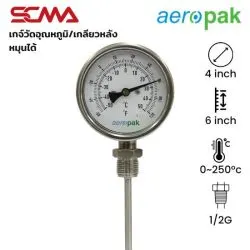 ASSF-411 Temperature Sensor 4"x6" 0~250 C/F Dia.6.35mm 1/2G SUS304Special Price THB 1,360.00 Regular Price THB 1,700.00
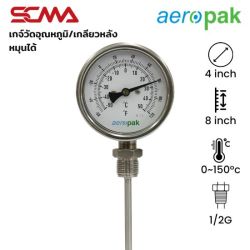 ASSF-411 Temperature Sensor 4"x8" 0~150 C/F Dia.6.35mm 1/2G SUS304Special Price THB 1,520.00 Regular Price THB 1,900.00
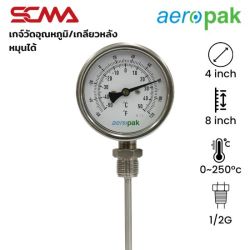 ASSF-411 Temperature Sensor 4"x8" 0~250 C/F Dia.6.35mm 1/2G SUS304Special Price THB 1,520.00 Regular Price THB 1,900.00
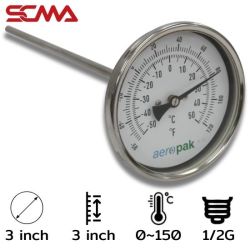 ASSF-301 3"x3" Temperature Sensor/Straight 0~150 C/F Dia.6.35mm 1/2G SUS304Special Price THB 1,200.00 Regular Price THB 1,500.00
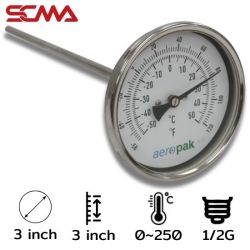 ASSF-301 3"x3" Temperature Sensor/Straight 0~250 C/F Dia.6.35mm 1/2G SUS304Special Price THB 1,200.00 Regular Price THB 1,500.00
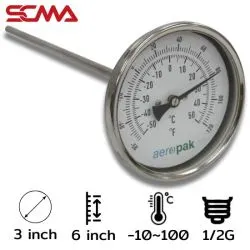 ASSF-301 3"x6" Temperature Sensor / Threaded Rear -10~100 C/F Dia.6.35mm 1/2G SUS304Special Price THB 1,360.00 Regular Price THB 1,700.00
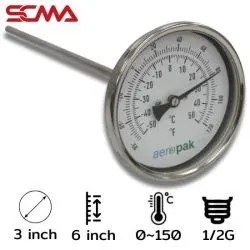 ASSF-301 3"x6" Temperature Sensor/Reverse Thread 0~150 C/F Dia.6.35mm 1/2G SUS304Special Price THB 1,200.00 Regular Price THB 1,500.00
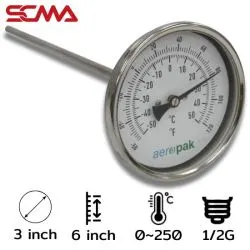 ASSF-301 3"x6" Temperature Sensor/Straight 0~250 C/F Dia.6.35mm 1/2G SUS304Special Price THB 1,200.00 Regular Price THB 1,500.00
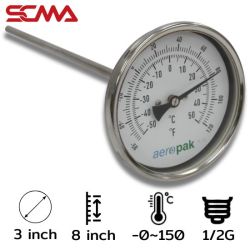 ASSF-301 3"x8" Temperature Sensor/Reverse Thread 0~150 C/F Dia.6.35mm 1/2G SUS304Special Price THB 1,360.00 Regular Price THB 1,700.00
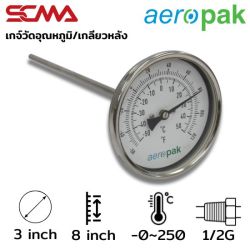 ASSF-301 3"x8" Temperature Sensor/Reverse Thread 0~250 C/F Dia.6.35mm 1/2G SUS304Special Price THB 1,360.00 Regular Price THB 1,700.00
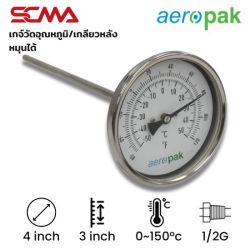 ASSF-401 Temperature Sensor / Male Thread 4"x3" 0~150 C/F Dia.6.35mm 1/2G SUS304Special Price THB 1,280.00 Regular Price THB 1,600.00
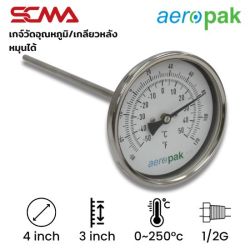 ASSF-401 Temperature Sensor / Male Thread 4"x3" 0~250 C/F Dia.6.35mm 1/2G SUS304Special Price THB 1,280.00 Regular Price THB 1,600.00
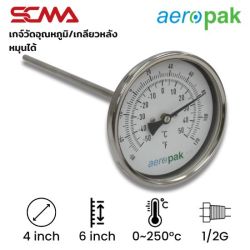 ASSF-401 Temperature Sensor / Male Thread 4"x6" 0~250 C/F Dia.6.35mm 1/2G SUS304Special Price THB 1,280.00 Regular Price THB 1,600.00
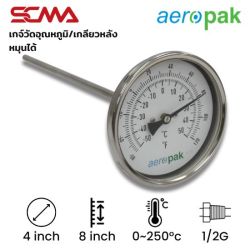 ASSF-401 Temperature Sensor / Male Thread 4"x8" 0~250 C/F Dia.6.35mm 1/2G SUS304Special Price THB 1,440.00 Regular Price THB 1,800.00
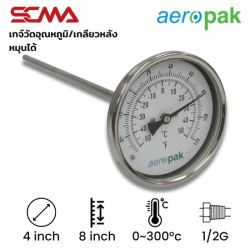 ASSF-401 Temperature Sensor / Male Thread 4"x8" 0~300 C/F Dia.6.35mm 1/2G SUS304Special Price THB 1,440.00 Regular Price THB 1,800.00
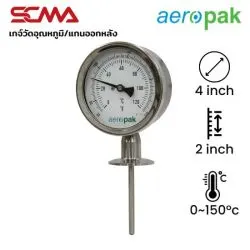 ASSF-406 Temperature Sensor/Threaded Tail 4"x2" 0~150 C/F, Clamp 1.5" SUS316, SanitarySpecial Price THB 2,240.00 Regular Price THB 2,800.00
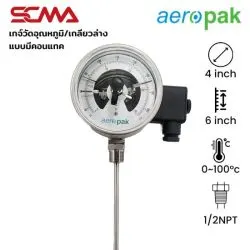 ASSFD.X-413 Contact Temperature Sensor 4"x6"x6.35 1/2" NPT Lower Thread 0…100C/FSpecial Price THB 4,400.00 Regular Price THB 5,500.00
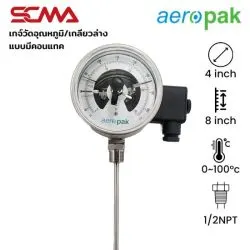 ASSFD.X-413 Contact Temperature Sensor 4"X8"X6.35 1/2" NPT Lower Thread 0…100C/FSpecial Price THB 4,400.00 Regular Price THB 5,500.00
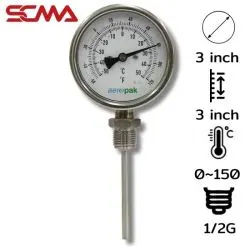 ASSF-313 3"x3" Temperature Sensor/Below Thread 0~150 C/F Dia.6.35mm 1/2G SUS304Special Price THB 1,360.00 Regular Price THB 1,700.00
Delivery: 30 ต.ค. 2569
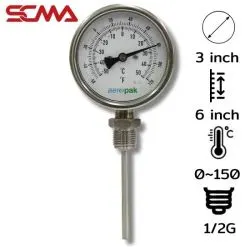 ASSF-313 3"x6" Temperature Sensor 0~150 C/F Dia.6.35mm 1/2G SUS304Special Price THB 1,440.00 Regular Price THB 1,800.00
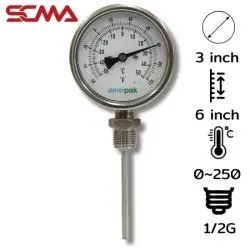 ASSF-313 3"x6" Temperature Sensor/Below Thread 0~250 C/F Dia.6.35mm 1/2G SUS304Special Price THB 1,520.00 Regular Price THB 1,900.00
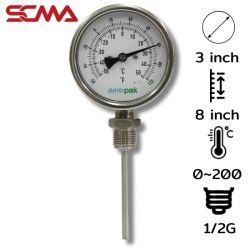 ASSF-313 3"x8" Temperature Sensor 0~200 C/F Dia.6.35mm 1/2G SUS304Special Price THB 1,520.00 Regular Price THB 1,900.00
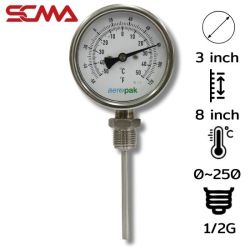 ASSF-313 3"x8" Temperature Sensor 0~250 C/F Dia.6.35mm 1/2G SUS304Special Price THB 1,600.00 Regular Price THB 2,000.00
What are Thermometer Gauges (Temperature Gauges)? All You Need to Know
Thermometer Gauges, also known as temperature gauges, play a crucial role in industrial plants or even daily life. If you're looking for accurate and durable heat thermometers, this article will delve into every detail from how they work, various types to choosing the right one for your application, along with installation tips that can extend their lifespan.
What are Thermometer Gauges (Temperature Gauges)?
Thermometer gauges or temperature meters are devices used to measure and display the temperature of various substances, whether liquids, gases, or steam. They show results in a dial format with a needle pointer, making it easy and quick to read without relying on power sources. This equipment is crucial for monitoring and controlling production processes across many industries to ensure safe and efficient operation.
The Meaning and Primary Function of Temperature Gauges
The primary function of a thermometer gauge is to convert heat into readable values for humans without needing complex electronic tools. This helps staff quickly identify machine or production process abnormalities, such as measuring boiler water temperature or steam pipes.
Why Accuracy in Temperature Measurement Is Important
The accuracy of a thermometer is crucial for preventing damage because excessively high or low temperatures can lead to product spoilage, machine breakdowns, or severe accidents. Choosing standard and accurate gauges is a worthwhile long-term investment.
Overview of Usage in Various Industries
We commonly find these thermometers in petrochemical plants, power stations, food and pharmaceutical industries, HVAC systems, and wastewater treatment facilities. Each application has different material and temperature range requirements.
Basic Working Principles of Thermometer Gauges
The working principle of heat gauges is simple yet effective, relying on physical laws about the expansion of materials when heated. This can be divided into three main principles as follows. For more information, see our Temperature Gauge Blog.
Metal Expansion (Bimetallic Strip)
This principle uses two metal strips with different expansion coefficients, when heated they expand differently causing the strip to bend and drive the needle pointer along the scale.
Gas Pressure Change (Gas-Actuated)
Inside the Bourdon tube and measuring rod is inert gas. When the tip of the measuring rod heats up, the gas expands and pressure increases, causing the Bourdon tube to extend and push the needle mechanism.
Liquid Expansion (Liquid-Actuated)
Similar to the gas type but contains liquid (such as mercury or organic fluid) instead. When the liquid expands, it pushes the needle to move, commonly used in high accuracy applications.
Popular Types of Temperature Gauges Currently Used
There are various types of temperature gauges available in the market, each with its own unique advantages:
Bimetallic Thermometer Gauge
Most popular, cost-effective, durable, suitable for direct reading at measurement points.
Gas-Actuated Thermometer Gauge
Quick response, capillary tubing can be used to install the gauge face in remote locations.
Liquid-in-Glass/Filled Thermometer
Also known as a mercury thermometer with glass tube design, highly accurate but fragile and prone to breakage.
Digital Thermometer Gauge
Or digital temperature gauge, displays numerical readings easily readable and high resolution, typically uses batteries or external power supply.
Comparison Table of Advantages and Disadvantages for Each Type
|
Type |
Advantages |
Disadvantages |
Usage |
|
Bimetal |
Cost-effective, durable |
Slower response time |
General use, HVAC |
|
Gas-Actuated |
Quick response, long-distance installation possible |
More expensive, complex |
Industrial, food industry |
|
Digital |
Easy to read, highly accurate |
Requires batteries/power supply |
Lab work, detailed tasks |
7 Point Checklist for Choosing the Right Temperature Gauge for Your Application
Choosing a water temperature gauge or any other type of gauge is not just about price, but also about selecting specifications that match your needs to ensure safety and value.
1. Temperature Range
Choose a range that covers the actual operating temperature, with the operating temperature ideally around 50-75% of the dial scale for accuracy and to extend spring life.
2. Dial Size & Resolution
A larger dial makes it easier to read, especially when installed in high or dark locations.
3. Case & Stem Material
For use with corrosive chemicals, choose stainless steel (SS304, SS316) to prevent rust and corrosion.
4. Mounting Type: Back, Bottom, Adjustable
Choose a rear mount (Back) or bottom mount (Bottom) that suits the job site view, or an adjustable type for flexibility.
5. Stem Length
The stem must be long enough to submerge at least one-third of the pipe or according to the sensitive length of the gauge.
6. Accuracy Class
General work may use Class 1.0 or 2.0, but calibration work might require a higher class. For more details about temperature gauges, see Types of Temperature Gauges.
Specialized Use (e.g., for water, chemicals, food)
For example, a thermometer for aquarium water and a gauge for boiler hot water will have entirely different specifications.
Examples of Temperature Gauge Applications in Various Industries
HVAC Systems and Hot/Cold Water Pipes
Used to check the temperature of chilled water (Chiller) or hot water in a Boiler system to control heat exchange efficiency.
Food & Pharmaceutical Industry
Must use sanitary gauges with no crevices for pathogen accumulation and must withstand chemical cleaning.
Petrochemical & Energy Plants
Use high-pressure and temperature-resistant gauges, including explosion-proof types in hazardous areas.
Automotive & Agriculture
Engine temperature gauges warn of overheating (Overheat), while agriculture uses them to monitor soil or greenhouse temperatures.
Installation and Maintenance for Extended Use
Caution During Installation
Do not manually turn the dial to tighten; use a hex key wrench only, and apply thread tape to prevent leaks.
Initial Inspection and Calibration
Accuracy should be checked at least once per year by comparing with standard temperature measuring instruments or sending it for calibration in a laboratory.
Maintenance Tips
Regularly clean the dial and check for excessive vibrations. If the needle sticks or fails to return to zero, replace immediately.
If You Are Looking for Thermometer Gauges, Think SCMA!
If you are looking for high-quality thermometer gauges, whether analog or digital, at SCMA we offer a wide range of models from leading brands worldwide. Our team of expert engineers is ready to advise you on selecting the best temperature gauges for your needs. Browse all products at All Products
Summary
Choosing the right and suitable temperature gauge for your application will help you control production processes efficiently, reduce risks, and save long-term maintenance costs. For further inquiries, consult SCMA experts immediately or view service details at SCMA Services
Frequently Asked Questions
What is a Thermowell and Is It Necessary?
A thermowell is a protective sheath for temperature probes, preventing corrosion, high pressure, and allowing removal of the gauge for maintenance without shutting down the system. Therefore, it is essential for industrial applications. Read more at Industrial Temperature Instruments
Why Are Oil-Filled Gauges Better Than Dry Ones?
Oil (glycerin or silicone) reduces needle vibration, making readings smoother and easier. It also lubricates internal mechanisms, extending the life of gauges in vibrating environments.
Which Brand Should I Choose for a Temperature Gauge?
It depends on your budget and application needs; standard brands like WIKA, ASHCROFT or quality Taiwanese brands are good options. Consider price and after-sales service primarily.
Additional References: Wikipedia - Thermometer
This website uses cookies
We use cookies to make the site work properly, to understand how it is used, and to show content that is relevant to you. You choose which types to allow; strictly necessary cookies are always on. Privacy Policy
🤖 AI Assistant
Ask about products, specs and replacement models
Hello 👋 Ask us anything — find products, compare specs, or troubleshoot.
🗑 Clear history