
SPECIAL PROMOTION — Up to 40% off across many product groups, until 31 December 2026 · Click to see all promotion itemsIFM, Sensor, Automation SystemMeasuring / Testing InstrumentsTemp Indicator, Control, T/C, RTD, TimerHeater, SCR Control, Solid State, Power Supply, Control CabinetField Measuring Instruments, Pressure Gauge, Level Control, Flow MeasurementEMC, Pneumatic, Solenoid ValveInspection Test Lamp, Head Light, Automotive Measuring InstrumentWeighing Scales, Marking Machine, PrintersEducational Training SystemsHot Line Tools & Equipment SPECIAL PROMOTION — Up to 40% off across many product groups, until 31 December 2026 · Click to see all promotion itemsIFM, Sensor, Automation SystemMeasuring / Testing InstrumentsTemp Indicator, Control, T/C, RTD, TimerHeater, SCR Control, Solid State, Power Supply, Control CabinetField Measuring Instruments, Pressure Gauge, Level Control, Flow MeasurementEMC, Pneumatic, Solenoid ValveInspection Test Lamp, Head Light, Automotive Measuring InstrumentWeighing Scales, Marking Machine, PrintersEducational Training SystemsHot Line Tools & Equipment View promotion items View all
Coating thickness gauges
What is a Coating Thickness Gauge?
A Coating Thickness Gauge is an instrument used to measure the thickness of coatings on various surfaces. It helps control product quality and performance, especially in industries requiring high precision such as metals, plastics, and wood.
Types of Coating Thickness Gauges
- Magnetic Coating Thickness Gauge uses magnetic induction principles to measure coating thickness on ferromagnetic materials like steel.
- Eddy Current Coating Thickness Gauge utilizes eddy current technology for measuring coating thickness on non-ferrous metals such as aluminum.
- Ultrasonic Coating Thickness Gauge uses ultrasonic waves to measure the thickness of coatings on a variety of materials like plastics, glass, and metals.
- Combination Coating Thickness Gauge combines multiple technologies for versatile use.
Applications of Coating Thickness Gauges
- Measuring the thickness of paint layers on vehicles, electrical appliances, and metal products to ensure quality and aesthetics.
- Inspecting anti-corrosion coatings on metal structures, pipes, and tanks to extend their lifespan and reduce damage.
- Measuring coating thickness on aircraft parts and aviation equipment in the aerospace industry for safety and operational efficiency.
- Inspecting coatings on electronic components and circuit boards in the electronics industry to ensure high-quality products meeting standards.
Popular Coating Thickness Gauge Brands
- DeFelsko, known for durable and user-friendly coating thickness gauges.
- Elcometer, specializing in highly accurate and easy-to-use coating thickness gauges.
- Extech, offering high-quality and versatile coating thickness gauges.
- Fischer, a leading brand renowned for its precise and diverse range of measurement tools including coating thickness gauges.
- KEPLER INSTRUMENTS, providing a wide range of high-quality and reliable products.
- PosiTector, known for accurate and durable coating thickness gauges.
View the Coating Thickness Gauge Catalogue : Click Here
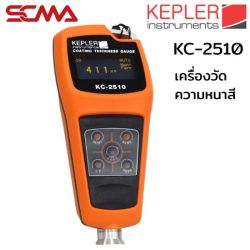 KC-2510 KEPLER Coating Thickness GaugeSpecial Price THB 24,000.00 Regular Price THB 30,000.00
 KC-500E KEPLER Coating Thickness GaugeSpecial Price THB 3,600.00 Regular Price THB 4,500.00
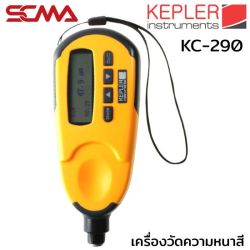 KC-290 KEPLER Coating Thickness GaugeSpecial Price THB 16,000.00 Regular Price THB 20,000.00
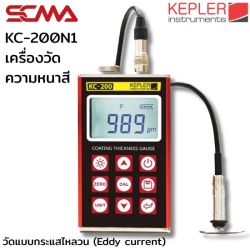 KC-200N1 KEPLER Coating Thickness GaugeSpecial Price THB 23,280.00 Regular Price THB 29,100.00
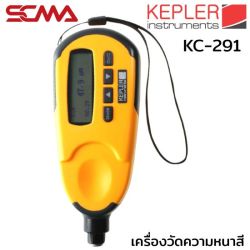 KC-291 KEPLER Coating Thickness GaugeSpecial Price THB 16,000.00 Regular Price THB 20,000.00
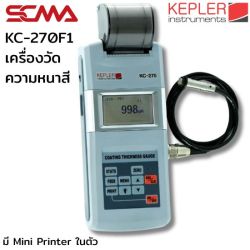 KC-270F1 KEPLER Coating Thickness GaugeSpecial Price THB 40,000.00 Regular Price THB 50,000.00
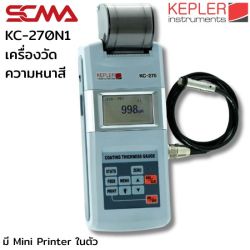 KC-270N1 KEPLER Coating Thickness GaugeSpecial Price THB 40,000.00 Regular Price THB 50,000.00
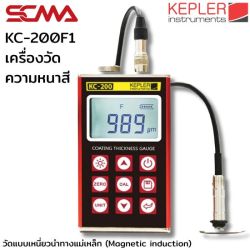 KC-200F1 KEPLER Coating Thickness GaugeSpecial Price THB 23,280.00 Regular Price THB 29,100.00
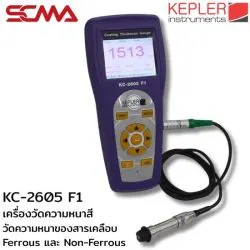 KC-2605 F1 KEPLER Coating Thickness GaugeSpecial Price THB 56,000.00 Regular Price THB 70,000.00
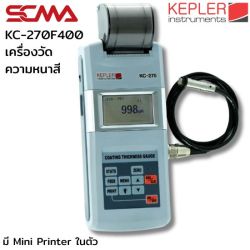 KC-270F400 KEPLER Coating Thickness GaugeSpecial Price THB 31,840.00 Regular Price THB 39,800.00
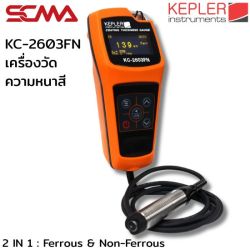 KC-2603FN KEPLER Coating Thickness GaugeSpecial Price THB 24,000.00 Regular Price THB 30,000.00
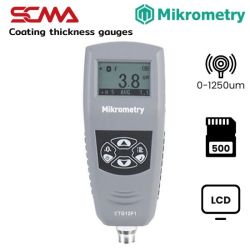 ETG12F1 Magnetic Coating Thickness GaugeSpecial Price THB 5,680.00 Regular Price THB 7,100.00
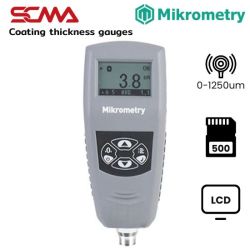 ETG12N1 Mikrometry Eddy Current Digital Paint Thickness GaugeSpecial Price THB 6,400.00 Regular Price THB 8,000.00
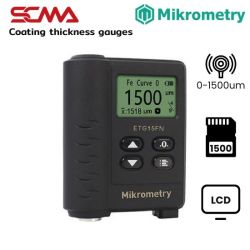 ETG15FN Mikrometry Eddy Current Digital Coating Thickness GaugeSpecial Price THB 6,960.00 Regular Price THB 8,700.00
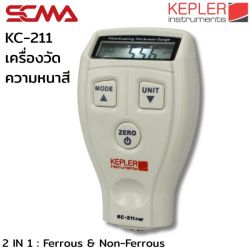 KC-211 KEPLER Coating Thickness GaugeSpecial Price THB 13,600.00 Regular Price THB 17,000.00
Delivery: 30 ต.ค. 2569
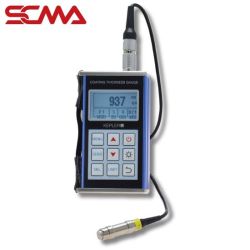 KC-510E KEPLER Coating Thickness GaugeSpecial Price THB 9,600.00 Regular Price THB 12,000.00
Delivery: 30 ต.ค. 2569
Coating Thickness Gauge (Coating Thickness Gauge)
A Coating Thickness Gauge, or a device for measuring the thickness of paint, film, or coating on various material surfaces accurately, is an important tool in quality control and cost management in industries. At SCMA, we offer high-quality coating thickness gauges from leading brands, along with a team of experts ready to provide consultation to help you choose the right equipment for every industry.
What is a Coating Thickness Gauge?
A coating thickness gauge is an instrument used to measure the thickness of paint, plating, or coating on material surfaces by converting physical thickness into clear numerical readings. The dry film thickness (DFT) is a critical indicator affecting product quality, protective efficiency, and service life. Consistent measurement ensures that the coating meets standard thickness requirements, neither too thin to lose effectiveness nor too thick to crack and waste resources. SCMA offerscoating thickness gauges that support measurements on a variety of materials, including metal, plastic, wood, or glass.
Types of Coating Thickness Gauge by Measurement Method
Coating thickness gauges come in various types based on their working principle and intended use, with SCMA offering a full range to meet different needs:
Non-Destructive Coating Thickness Gauges
These gauges can measure thickness without damaging the workpiece, making them suitable for inspecting finished products. They operate on a variety of principles:
- Magnetic Induction - Uses magnetic induction to measure coatings on ferromagnetic substrates such as steel and zinc-coated metals.
- Eddy Current - Utilizes eddy currents for measuring non-ferrous metal coatings like aluminum, copper, and brass.
- Ultrasonic - Employs high-frequency sound waves suitable for precise measurements on plastics, glass, or metals, capable of measuring multiple layers simultaneously.
- Micrometer - Measures thickness using mechanical principles, ideal for workpieces that can be clamped or held.
- Combination - Coating thickness gauges that integrate multiple technologies to measure both ferrous and non-ferrous metals in a single device.
Destructive Coating Thickness Gauges
These gauges require the destruction or cutting of the workpiece to measure thickness, typically used for sample testing or quality control:
- Cross-Section Measurement - Cuts the workpiece and measures thickness with a microscope, providing extremely high accuracy.
- Gravimetric Mass Measurement - Measures by weighing before and after coating, calculating thickness from the material density.
Coating Thickness Gauge Form and Functionality
SCMA offers a variety of thickness gauges to accommodate different usage scenarios, from basic applications to complex automated systems:
Analog Gauge
A needle-based meter that is easy to use and does not require power. It is cost-effective and suitable for direct measurement in the field or where there is no electricity.
Digital Gauge
Displays readings on an LCD or LED screen, providing clear and accurate measurements. Some models have data logging capabilities and can connect to computers. They allow easy switching between mil (thousandths of an inch) and μm (micron) units.
Portable Meter
A compact, lightweight portable thickness gauge that is convenient to carry for field use. It has built-in batteries and is suitable for on-site inspection or field QC work.
Transmitter
Converts coating thickness measurements into standard electrical signals such as 4-20mA or 0-10Vdc. It can be connected to PLC or SCADA systems for real-time monitoring and control.
Key Features of Coating Thickness Gauge
The coating thickness gauges selected by SCMA feature outstanding characteristics that enhance operational efficiency:
- High Precision - Provides detailed and accurate measurements, delivering reliable results in compliance with ISO and ASTM standards.
- Multisurface Measurement Capability - Supports both ferrous and non-ferrous metals. Some models can automatically detect surface types.
- User-friendly and Fast Operation - Designed with a user-friendly interface, capable of measuring up to 60-90 times per minute.
- Durable in Heavy-duty Environments - Water-resistant and dust-proof, shock-resistant. Meets IP65 standards suitable for industrial environments.
- Minimal Calibration Required - Features convenient Zero Setting and Calibration systems. Some models do not require calibration for general work.
- Data Connectivity and Logging - Supports USB, WiFi, Bluetooth connectivity to send data to computers or smartphones for analysis and reporting.
- Variety of Probes Available - Offers multiple probe types to suit different workpiece characteristics, such as small probes, long probes, and curved surface probes.
Usage of Coating Thickness Gauge
A coating thickness gauge is a necessary tool in various industries, helping to control quality and increase production efficiency:
- Automotive Industry - Inspect automobile paint thickness chrome plating layers, and anti-corrosion coatings to ensure quality, aesthetics, and durability of products.
- Metal Manufacturing Industry - Measure zinc coating thickness, nickel plating, and anti-corrosion coatings.
- Electrical Appliance Industry - Control the paint and coating thickness of appliances for aesthetics and quality standards.
- Steel Structures and Bridges Work - Inspect and measure anti-corrosion coatings on large structures, pipes, and tanks to extend their service life.
- Shipbuilding and Marine Industry - Measure the thickness of anti-corrosion coatings from saltwater.
- Maintenance and Repainting Work - Assess the condition of existing paint layers before reapplication, check repair quality with accurate thickness gauges.
- Aerospace Industry - Measure coating thickness on aircraft parts and equipment for maximum safety and efficiency.
- Electronics Industry - Inspect electronic component coatings and circuit boards to ensure high-quality products and standards.
- Food and Beverage Industry - Control coating thickness on food contact equipment according to hygiene standards.
- Pharmaceutical Manufacturing Industry - Measure the thickness of coatings on equipment requiring high precision and cleanliness.
- In-Plant Quality Control (QC/QA) - Inspect workpieces before delivery to ensure they meet specifications.
Comprehensive Coating Thickness Measurement Solutions by SCMA, the Experts
SCMA is not just a supplier of Coating Thickness Gauges but we are a full-service technical partner. With over 40 years of experience in automation systems and industrial measuring tools, our team of expert engineers provides consultation from selecting the appropriate measuring instruments that suit your surface type and budget, demonstration of use, installation and calibration, to employee training and quick after-sales service for optimal and sustainable quality control system performance.
Summary
A Coating Thickness Gauge is a crucial tool that helps control the quality of material coating to meet standards, reduce waste, and extend product lifespan. Selecting an appropriate measuring instrument is a key factor for the success of surface coating work. SCMA Company Limited is ready to be your trusted partner in providing solutions tailored to your needs withhigh-quality productsfrom leading global brands, over four decades of experience, and a team of experts ready to support you throughout the usage. Contact us today for free consultationand join in elevating your quality control standards to international levels.
Frequently Asked Questions
What can a Coating Thickness Gauge measure?
A coating thickness gauge can measure paint layers, coatings, metal platings (zinc, chromium, nickel), and plastic layers on the surface of steel and non-ferrous metals. Each model has different measurement ranges and suitability. For more information, see Elcometer Coating Thickness Gauge
How do you choose a Coating Thickness Gauge for your work?
Consider the type of material surface (steel or non-ferrous), the desired thickness range, the nature of the workpiece (flat or curved), and the working environment. SCMA has a team of engineers ready to recommend measuring instruments that suit your needs.
How often should you calibrate the coating thickness gauge?
It is recommended to calibrate at least once a year or as specified by the manufacturer. For work requiring high accuracy, calibration may need to be done more frequently. Additionally, Zero Setting should be performed before each use. SCMA offers calibration services with standard certification.
This website uses cookies
We use cookies to make the site work properly, to understand how it is used, and to show content that is relevant to you. You choose which types to allow; strictly necessary cookies are always on. Privacy Policy
🤖 AI Assistant
Ask about products, specs and replacement models
Hello 👋 Ask us anything — find products, compare specs, or troubleshoot.
🗑 Clear history