
SPECIAL PROMOTION — Up to 40% off across many product groups, until 31 December 2026 · Click to see all promotion itemsIFM, Sensor, Automation SystemMeasuring / Testing InstrumentsTemp Indicator, Control, T/C, RTD, TimerHeater, SCR Control, Solid State, Power Supply, Control CabinetField Measuring Instruments, Pressure Gauge, Level Control, Flow MeasurementEMC, Pneumatic, Solenoid ValveInspection Test Lamp, Head Light, Automotive Measuring InstrumentWeighing Scales, Marking Machine, PrintersEducational Training SystemsHot Line Tools & Equipment SPECIAL PROMOTION — Up to 40% off across many product groups, until 31 December 2026 · Click to see all promotion itemsIFM, Sensor, Automation SystemMeasuring / Testing InstrumentsTemp Indicator, Control, T/C, RTD, TimerHeater, SCR Control, Solid State, Power Supply, Control CabinetField Measuring Instruments, Pressure Gauge, Level Control, Flow MeasurementEMC, Pneumatic, Solenoid ValveInspection Test Lamp, Head Light, Automotive Measuring InstrumentWeighing Scales, Marking Machine, PrintersEducational Training SystemsHot Line Tools & Equipment View promotion items View all
pH Meters
What is a pH Meter?
A pH meter is an instrument used to measure the acidity or basicity of a solution, with values ranging from 0 to 14. Values below 7 indicate acidity, while those above 7 indicate alkalinity, and a value of 7 indicates neutrality. It works by using an electrode sensor that detects hydrogen ions in the solution. The meter consists of a glass electrode and a reference electrode. To use it, simply immerse it into the solution; the sensor will detect the concentration of hydrogen ions and convert them to electrical signals. The device then processes this information and displays the pH value on its screen.
Types of pH Meters
- Benchtop pH Meter - Large in size, highly accurate, suitable for use on a laboratory bench top.
- Portable pH Meter - Small and easy to carry around, ideal for field work or various locations.
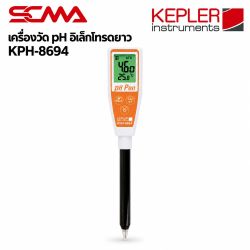
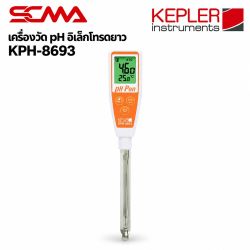
- Pen-Type pH Meter - Pen-shaped design that can be carried in a pocket. Suitable for initial pH measurements or situations where high accuracy is not required.
- Online pH Meter - A permanently installed system used to continuously monitor pH levels during production processes.
Using pH Meters in Various Scenarios and Industries
- Measuring the pH of soil and water to optimize conditions for plant growth in agriculture.
- Checking pH levels during food and beverage production processes to ensure product quality and safety.
- Controlling pH levels during pharmaceutical and chemical manufacturing processes to maintain product stability and safety.
- Using it for scientific research to check pH values in chemistry and biology experiments.
- Monitoring and controlling pH levels during wastewater treatment processes to prevent environmental damage from discharged waste water.
Famous Brands of pH Meters
- Extech - A company that produces a variety of measurement tools, including highly durable and efficient pH meters.
- Hanna Instruments - Known for high accuracy and ease of use.
- Horiba - A Japanese manufacturer known for its precision and advanced technology in pH measurement tools.
- Oakton - Recognized for affordable yet high-quality measuring instruments.
- KEPLER INSTRUMENTS - A brand with a wide range of products, known for their quality and reliability.
- Thermo Fisher Scientific - Specializes in the production of scientific instruments, including high-quality pH meters.
View pH Meter Catalogue : Click Here
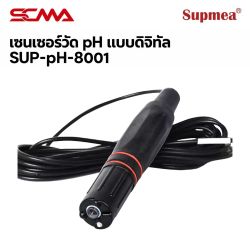 SUP-pH-8001 DIGITAL pH Temperature compensation SENSOR SUPMEAราคาโปรดติดต่อเจ้าหน้าที่
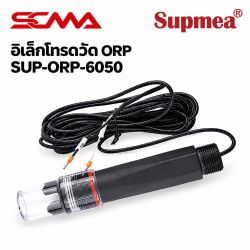 SUP-ORP-6050 ORP ELECTRODE SUPMEASpecial Price THB 4,200.00 Regular Price THB 5,600.00
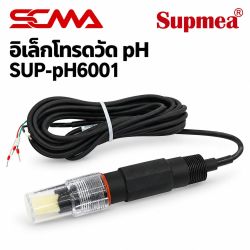 SUP-pH6001 pH ELECTRODE SUPMEASpecial Price THB 1,912.50 Regular Price THB 2,550.00
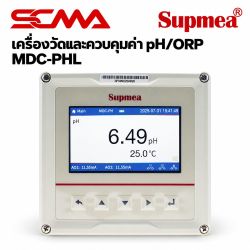 MDC-PHL pH/ORP CONTROLLER SUPMEASpecial Price THB 13,650.00 Regular Price THB 18,200.00
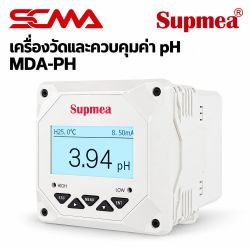 MDA-PH pH CONTROLLER SUPMEASpecial Price THB 5,325.00 Regular Price THB 7,100.00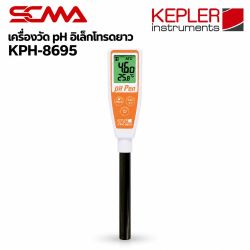
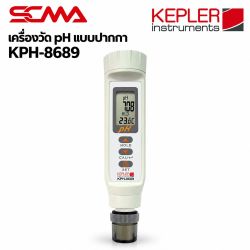
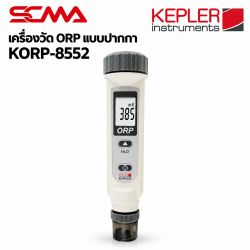
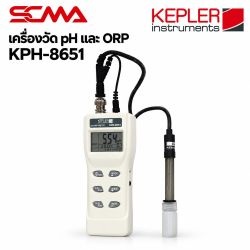
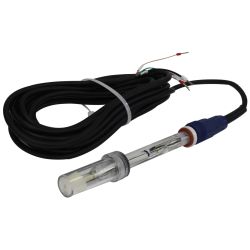 SUPMEA PH Meter Model SUP-PH6002Special Price THB 4,000.00 Regular Price THB 5,000.00
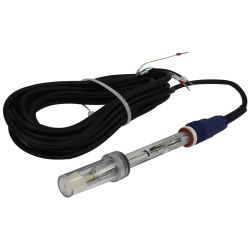 SUPMEA PH Meter Model SUP-PH5015Special Price THB 7,960.00 Regular Price THB 9,950.00
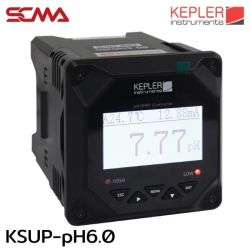 KSUP-pH6.0 pH Meter and Controller KEPLERSpecial Price THB 5,760.00 Regular Price THB 7,200.00
Delivery: 30 ต.ค. 2569
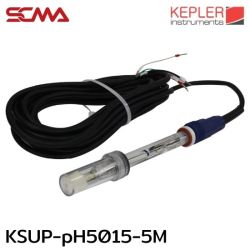 KSUP-pH5015-5M Glass pH sensor, 0~14pH/0~130C, Cable 5mSpecial Price THB 7,960.00 Regular Price THB 9,950.00
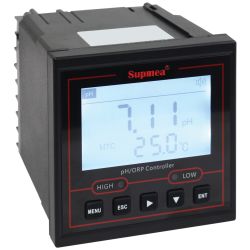 SUPMEA PH Meter Model SUP-PH163SSpecial Price THB 3,200.00 Regular Price THB 4,000.00
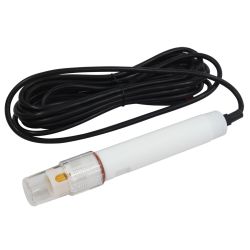 SUPMEA PH Meter Model SUP-PH5013ASpecial Price THB 4,800.00 Regular Price THB 6,000.00
Delivery: 30 ต.ค. 2569
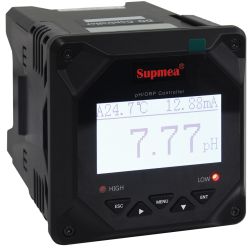 SUPMEA PH Meter Model SUP-PH6.0Special Price THB 5,760.00 Regular Price THB 7,200.00
Delivery: 30 ต.ค. 2569
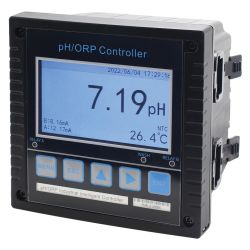 SUPMEA PH Meter Model SUP-PH8.0Special Price THB 13,200.00 Regular Price THB 16,500.00
Delivery: 30 ต.ค. 2569
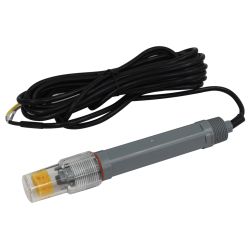 SUPMEA ORP Meter Model SUP-ORP5014Special Price THB 3,840.00 Regular Price THB 4,800.00
Delivery: 30 ต.ค. 2569
Select a pH Meter
In industrial production, controlling the acidity-alkalinity level is crucial for maintaining product quality and safety. Therefore, choosing an efficient pH meter is not optional but essential. Whether it's wastewater treatment or chemical manufacturing process control, using a suitable pH meter helps reduce errors, minimize waste, and prevent equipment damage from corrosion. Understanding acid-base pH values correctly and selecting the right water pH meter according to job requirements will ensure smooth production processes without interruptions.
What is a pH Meter?
Technically, a pH meter is an electronic device for measuring hydrogen-ion activity (Hydrogen-ion activity) in solutions to indicate the level of acidity or alkalinity, displayed as numbers on a scale from 0 to 14. Values below 7 indicate acidity, values above 7 indicate alkalinity, and 7 indicates neutrality. The core of its operation lies in the measuring probe or pH electrode (Electrode). When immersed in liquid, the sensor detects ion concentration and converts electrical signals for display on the screen, allowing operators to accurately determine invisible chemical properties.
Basic Working Principle of a pH Meter
This type of equipment operates based on potentiometric principles (Potentiometric) by measuring the voltage difference between two types of electrodes, namely the sensing electrode (Sensing Electrode) and reference electrode (Reference Electrode). When the probe contacts a solution, hydrogen ion concentration (H+) causes varying electrical potential (Voltage) according to acidity-alkalinity levels. The internal electronic circuitry in the pH meter calculates this voltage difference (in millivolts) using the Nernst Equation and converts it into pH units displayed on the screen. Learn about the in-depth working principles and electrochemical structure of pH metershere
Why is the accuracy of pH measurement important?
Accuracy in measurement is the line between standard products and those that must be discarded. In the food industry, a slight deviation in pH can affect taste and preservation. For wastewater treatment systems, discharging water with an out-of-compliance pH level leads to massive fines and plant shutdowns. pH measurement is crucial because pH affects chemical reactions, solubility of substances, and the survival of living organisms, as well as machinery that uses water for cooling. If the pH level is inappropriate, it accelerates corrosion and scale formation, leading to a rapid decrease in equipment lifespan.
Types of pH Meter
Selecting the right tool depends primarily on the nature of the job, as each type of equipment is designed for different environments, ranging from portable to high-precision laboratory analysis. Choosing the wrong type may result in inaccurate readings or damage to the probe.
- Pen Type: Pen-type pH meter is compact, integrating the probe and display in one unit. It's suitable for quick initial checks, easy to carry around, and cost-effective but has limitations regarding the lifespan of the probe which often cannot be replaced.
- Portable Type: Designed for field engineers, it separates the main unit from the electrode probe, allowing for easy replacement of probes according to different solutions. It is highly durable and has temperature compensation functions, making it ideal for production line inspections or wastewater treatment ponds.
- Benchtop Type: Emphasizes the highest accuracy for laboratory use (Lab Grade). It features Data Logging to record detailed data and can connect to a computer. Suitable for QC or R&D work requiring reliable results with multiple decimal places.
- Specialized Probe: For difficult measurements, such as soil pH meters that have sharp probes for direct insertion into the ground or probes for meat and cream to ensure sensor contact with samples.
How to Use a pH Meter
To achieve accurate readings according to engineering standards, proper usage is just as important as the specifications of the device. These steps are standard practices that help reduce errors (Error) and extend the lifespan of the equipment.
- Calibration: The heart of accuracy, calibration must be done with standard buffer solutions (Buffer Solution) such as pH 4.01, 7.00 or 10.01 before each use or at least daily during usage to set the reference point correctly.
- Preparation of the Probe: Rinse the probe with distilled water (DI Water) to remove any preservative or dirt before dipping it into a sample. Gently blot excess water off with lens paper; do not rub on glass beads as static electricity can cause fluctuations in readings.
- Measurement: Dip the probe into the sample solution until it covers the junction (Junction). Wait for the display to stabilize before reading the value. If the device has an ATC (Automatic Temperature Compensation) system, always dip the temperature probe as well.
- Cleaning After Use: Rinse the probe with distilled water immediately after use. If measuring oily or protein-rich substances, use specialized cleaning agents to remove grease from the glass sensor surface to prevent clogging.
Applications of pH Meter in Industries
pH meters are crucial for process control in various industries. The readings are used to make decisions about chemical additions, quality improvements, or product release. Common applications include:
- Wastewater Treatment Systems: Control pH before discharge to the public and maintain optimal conditions for microorganisms in treatment tanks. If the pH is too acidic or alkaline, organisms will die leading to system failure.
- Food and Beverage Industry: Control taste, texture, and bacterial inhibition such as in beer fermentation or yogurt production. Accurate pH readings are essential for consumer safety and product shelf life.
- Chemical and Metal Plating Industries: Control chemical reactions in plating baths. If the pH is off, parts may not be properly coated or could suffer from corrosion.
- Agriculture and Plant Cultivation: Use soil pH meters to check soil conditions before planting. Soil pH affects the plant's ability to absorb fertilizer; overly acidic soil means plants cannot take up nutrients.
Usage and Maintenance for Extending pH Meter Lifespan
The most common issues are "sensor wear" or "inaccurate readings," often due to improper maintenance. While the sensor is a consumable part, proper care can extend its life and reduce repair costs.
- Storage: Sensors must remain "moist" at all times. Store in a concentrated KCl (Potassium Chloride) solution of 3M or 4M strength. Do not store in distilled water or allow to dry out, as this will cause ion charge depletion and rapid deterioration.
- Cleaning: Invisible residues on the glass bulb can slow down readings. Use electrode cleaning solution for a specified period, avoiding vigorous scrubbing.
- Temperature and Chemical Exposure: Each sensor model has temperature limits and chemical resistance levels. For highly corrosive or high-temperature substances (above 60-80°C), choose a special grade sensor.
- Check Internal Electrolyte Level: For refillable sensors, regularly check the internal electrolyte level to ensure proper flow of solution into the sample.
SCMA's Comprehensive pH Meter Solution for All Industries
Selecting the right measuring tool for a specific job is not easy, and mistakes can lead to production line downtime. SCMA understands the pressure on maintenance teams and plant engineers, so we offer a complete measuring and testing solution with a team of expert engineers stationed in EEC (Chonburi) and Northern Industrial Estate (Lamphun) to provide consultation and quickly resolve on-site issues without waiting for spare parts or remote service. SCMA Services is ready to be your Technical Partner, helping with calibration work and selecting the right ph meter specifications to precisely meet your production process needs.
Summary
Investing in high-quality pH meters and proper maintenance is an investment in the stability of your production processes. Understanding the type of equipment, whether it's a pen-style, portable, or benchtop model, and using them correctly according to calibration procedures will help prevent damage and reduce long-term costs. Having access to knowledgeable technical advisors also boosts on-site team confidence in handling any challenges professionally.
Frequently Asked Questions
What if the pH probe is dry?
Try soaking the probe in storage solution or buffer pH 4.0 for at least 12-24 hours to rehydrate it, but if the probe has deteriorated too much, a replacement may be necessary.
How often should I calibrate my meter?
It depends on the importance of the work. For QC food or drug applications, daily calibration before use is recommended. For general work, at least once a week or when readings start to drift.
Can I rinse my probe with tap water?
Not recommended as tap water contains chlorine and minerals that may interfere with the probe. Using distilled (DI) water is best.
The pH reading fluctuates, what could be causing this?
This might be due to a dirty probe, air bubbles at the tip of the probe, static electricity from wiping the probe, or a deteriorated probe (junction clogged).
This website uses cookies
We use cookies to make the site work properly, to understand how it is used, and to show content that is relevant to you. You choose which types to allow; strictly necessary cookies are always on. Privacy Policy
🤖 AI Assistant
Ask about products, specs and replacement models
Hello 👋 Ask us anything — find products, compare specs, or troubleshoot.
🗑 Clear history