
SPECIAL PROMOTION — Up to 40% off across many product groups, until 31 December 2026 · Click to see all promotion itemsIFM, Sensor, Automation SystemMeasuring / Testing InstrumentsTemp Indicator, Control, T/C, RTD, TimerHeater, SCR Control, Solid State, Power Supply, Control CabinetField Measuring Instruments, Pressure Gauge, Level Control, Flow MeasurementEMC, Pneumatic, Solenoid ValveInspection Test Lamp, Head Light, Automotive Measuring InstrumentWeighing Scales, Marking Machine, PrintersEducational Training SystemsHot Line Tools & Equipment SPECIAL PROMOTION — Up to 40% off across many product groups, until 31 December 2026 · Click to see all promotion itemsIFM, Sensor, Automation SystemMeasuring / Testing InstrumentsTemp Indicator, Control, T/C, RTD, TimerHeater, SCR Control, Solid State, Power Supply, Control CabinetField Measuring Instruments, Pressure Gauge, Level Control, Flow MeasurementEMC, Pneumatic, Solenoid ValveInspection Test Lamp, Head Light, Automotive Measuring InstrumentWeighing Scales, Marking Machine, PrintersEducational Training SystemsHot Line Tools & Equipment View promotion items View all
Pressure Gauges
Pressure Gauges
Pressure Gauges are essential measuring instruments in industrial applications. They help monitor and control the pressure of liquids and gases within various systems to ensure efficient and safe operation. At SCMA, we offer high-quality Pressure Gauges from leading global brands, along with a team of expert engineers ready to provide consultation for selecting the right gauge that meets your specific industrial needs.
Key Components of Pressure Gauges
To select an appropriate Pressure Gauge, it is important to understand its main components in order to choose one that fits your requirements. The key components of a pressure gauge include:
Dial Size
The dial size of a Pressure Gauge ranges from 1.5 inches up to 10 inches. Choosing the right size depends on the installation location and readability distance; larger dials make reading easier and more accurate.
- 1.5-2 inches - Suitable for portable devices or confined spaces
- 2.5-3 inches - Standard size for general industrial use
- 4 inches - Ideal for reading from a distance of 2-3 meters
- 6 inches - For control rooms or applications requiring high accuracy
- 8-10 inches - Used in power plants or systems where visibility is required from afar
Measurement Range and Units
Pressure Gauges have a wide range of measurement capabilities, from low to high pressure. It's recommended to choose a gauge with the actual operating pressure at around 50-75% of its full scale for accuracy and longevity. Common units include:
- Bar - International standard unit
- PSI (Pounds per Square Inch) - Popular in America
- kg/cm² - Familiar unit in Thailand
- MPa, kPa - Units according to the SI system
Casing Material
The material used for the casing of a Pressure Gauge is crucial for durability and suitability in different environments. SCMA selects high-quality gauges, especially premium models made from Stainless Steel 316:
- Brass - General use, cost-effective
- Stainless Steel 304 - Moderate corrosion resistance
- Stainless Steel 316 - High chemical and corrosion resistance, suitable for food and pharmaceutical industries
Connection Size and Type
The gauge connection is used to install the gauge into pipe systems. They come in both threaded and flange types, with common sizes being 1/4" and 1/2". Connection types are categorized based on installation:
- Bottom Connection - Easy installation, suitable for direct mounting on pipes
- Back Connection - Suitable for mounting on panels or walls
- Panel Mount - For embedding into control panels
 เกจ์วัดความดันแบบมีคอนแทค/เกลียวล่าง AXC-100H 0-2 kg/cm2(30 psi) 1/2" NPT SUS304Special Price THB 3,150.00 Regular Price THB 4,200.00
- เกจ์วัดความดันมีน้ำมันแบบมีคอนแทค/เกลียวล่าง AXC-100H 0-10 kfg/cm2(150 psi) 1/2" NPT SUS304Special Price THB 3,825.00 Regular Price THB 5,100.00
- เกจ์วัดความดันมีน้ำมันแบบมีคอนแทค/เกลียวล่าง AXC-100H 0-20 kfg/cm2(290psi) 1/2" NPT SUS34Special Price THB 3,825.00 Regular Price THB 5,100.00
- เกจ์วัดความดันมีน้ำมันแบบมีคอนแทค/เกลียวล่าง AXC-100H 0-15 kfg/cm2(218psi) 1/2" NPT SUS304Special Price THB 3,825.00 Regular Price THB 5,100.00
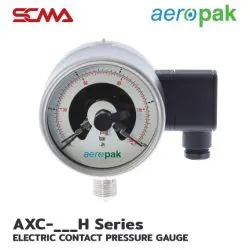 เกจ์วัดความดันแบบควบคุม/เกลียวล่าง AXC-100H 0~60bar/0~900psi 1/2G SUS304Special Price THB 2,925.00 Regular Price THB 3,900.00
- เกจ์วัดความดันต่ำ/เกลียวล่าง AEF-100H 0~250mbar 1/4PT SUS304Special Price THB 3,525.00 Regular Price THB 4,700.00
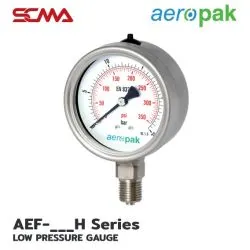 เกจ์วัดความดันต่ำ/เกลียวล่าง AEF-65H 0~600mbar 1/4PT SUS304Special Price THB 1,425.00 Regular Price THB 1,900.00
- เกจ์คอมปาวด์/เกลียวหลังมีปีก ATN-100HZT Oil, -750mm Hg … +750mm Hg, 1/4G SUS304Special Price THB 1,650.00 Regular Price THB 2,200.00
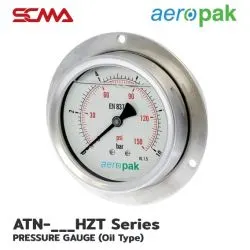 เกจ์วัดความดันมีน้ำมัน/เกลียวหลังมีปีก ATN-63HZT 0~250bar/0~3500psi 1/4G SUS304Special Price THB 825.00 Regular Price THB 1,100.00
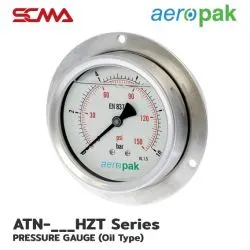 เกจ์วัดความดันมีน้ำมัน/เกลียวหลังมีปีก ATN-63HZT 0~25bar/0~350psi 1/4G SUS304Special Price THB 825.00 Regular Price THB 1,100.00
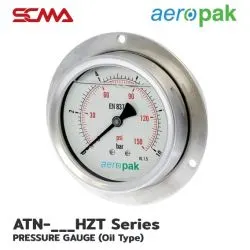 เกจ์วัดความดันมีน้ำมัน/เกลียวหลังมีปีก ATN-100HZT 0~10bar 3/8"PT SUS304Special Price THB 1,350.00 Regular Price THB 1,800.00
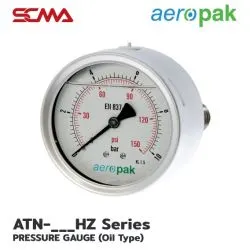 เกจ์วัดความดันมีน้ำมัน/เกลียวหลัง ATN-50HZ 0~20bar 1/4"PT SUS304Special Price THB 900.00 Regular Price THB 1,200.00
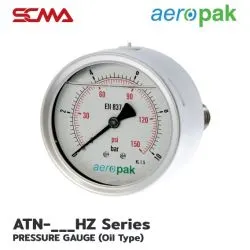 เกจ์วัดความดันมีน้ำมัน/เกลียวหลัง ATN-50HZ 0~10bar 1/4"PT SUS304Special Price THB 900.00 Regular Price THB 1,200.00
- เกจ์วัดความดันมีน้ำมัน/เกลียวหลัง ATN-63HZ 0~60 bar 1/4"PT SUS304Special Price THB 562.50 Regular Price THB 750.00
- เกจ์แวคคั่ม/เกลียวหลัง ATN-100HZ Oil, -750mm Hg … 0mm Hg, 1/4G SUS304Special Price THB 1,500.00 Regular Price THB 2,000.00
- เกจ์คอมปาวด์/เกลียวหลัง ATN-100HZ Oil, -750mm Hg … +750mm Hg, 1/4G SUS304Special Price THB 1,500.00 Regular Price THB 2,000.00
- เกจ์วัดความดันมีน้ำมัน/เกลียวล่าง Model : ATN-160H 0-400bar/0-5800psi G1/2" SUS304Special Price THB 3,225.00 Regular Price THB 4,300.00
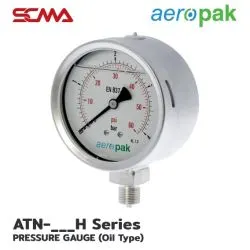 เกจ์วัดความดันหน้าปัดมีน้ำมัน:ATN-160H160mm.เกลียวล่าง3/4 NPT0-14kfg cm2(20)Special Price THB 2,025.00 Regular Price THB 2,700.00
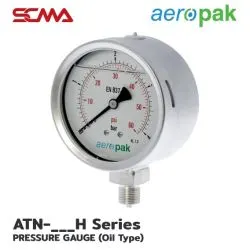 เกจ์วัดความดันหน้าปัดมีน้ำมัน:ATN-160H160mm.เกลียวล่าง3/4 NPT0-7kfg cm2(100)Special Price THB 2,025.00 Regular Price THB 2,700.00
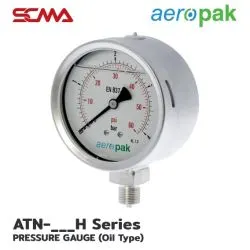 เกจ์วัดความดันหน้าปัดมีน้ำมัน:ATN-160H160mm.เกลียวล่าง3/4 NPT0-4kfg cm2(60)Special Price THB 2,025.00 Regular Price THB 2,700.00
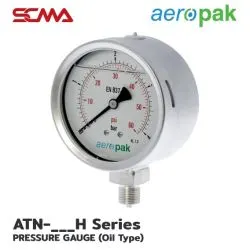 เกจ์วัดความดันหน้าปัดมีน้ำมัน:ATN-160H160mm.เกลียวล่าง1/2 NPT0-14kfgcm2(20)Special Price THB 1,725.00 Regular Price THB 2,300.00
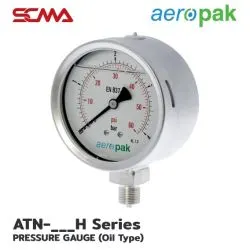 เกจ์วัดความดันมีน้ำมัน/เกลียวล่าง ATN-160H 0 - 7 kfg/cm2 1/2" NPT SUS304Special Price THB 1,725.00 Regular Price THB 2,300.00
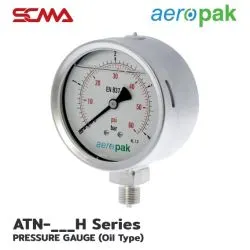 เกจ์วัดความดันหน้าปัดมีน้ำมัน:ATN-160H160mm.เกลียวล่าง1/2 NPT 0-4kfg cm2(60)Special Price THB 1,725.00 Regular Price THB 2,300.00
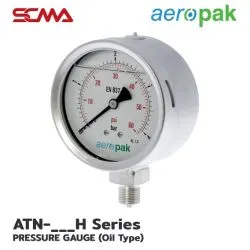 เกจ์วัดความดันมีน้ำมัน/เกลียวล่าง ATN-160H 0 - 14 kfg/cm2 3/4" NPT SUS304Special Price THB 2,025.00 Regular Price THB 2,700.00
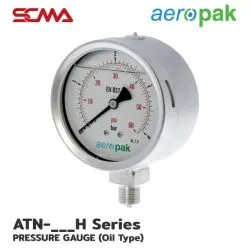 เกจ์วัดความดันมีน้ำมัน/เกลียวล่าง ATN-160H 0 - 7 kfg/cm2 3/4" NPT SUS304Special Price THB 2,025.00 Regular Price THB 2,700.00
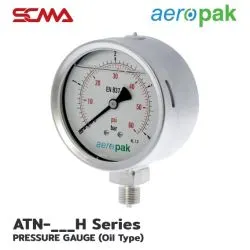 เกจ์วัดความดันมีน้ำมัน/เกลียวล่าง ATN-160H 0 - 4 kfg/cm2 3/4" NPT SUS304Special Price THB 2,025.00 Regular Price THB 2,700.00
- เกจ์วัดความดันมีน้ำมัน/เกลียวล่าง ATN-160H 0 - 14 kfg/cm2 1/2" NPT SUS304Special Price THB 1,725.00 Regular Price THB 2,300.00
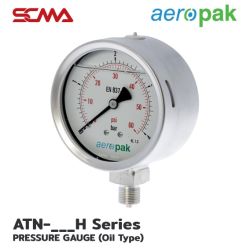 เกจ์วัดความดันหน้าปัดมีน้ำมัน: ATN-150H150mm.เกลียวล่าง3/4NPT0-14kfgcm2(20)Special Price THB 1,950.00 Regular Price THB 2,600.00
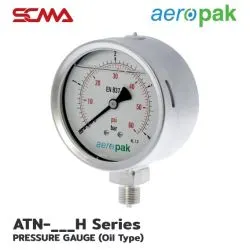 เกจ์วัดความดันหน้าปัดมีน้ำมัน:ATN-150H150mm.เกลียวล่าง3/4 NPT0-7cm2(100)Special Price THB 1,950.00 Regular Price THB 2,600.00
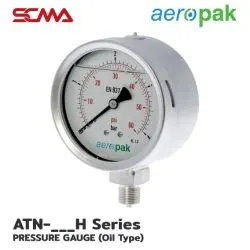 เกจ์วัดความดันหน้าปัดมีน้ำมัน:ATN-150H150mm.เกลียวล่าง3/4 NPT0-4kfgcm2(60)Special Price THB 1,950.00 Regular Price THB 2,600.00
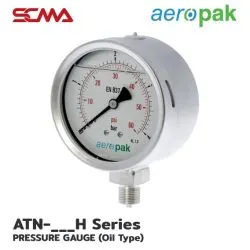 เกจ์วัดความดันหน้าปัดมีน้ำมัน:ATN-150H 150mm.เกลียวล่าง1/2NPT 0-14kfg cm2(20)Special Price THB 1,575.00 Regular Price THB 2,100.00
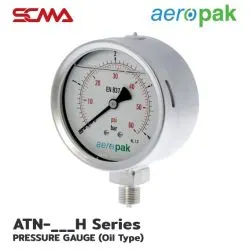 เกจ์วัดความดันหน้าปัดมีน้ำมัน:ATN-150H 150mm. เกลียวล่าง1/2"NPT0-7kfgCm2(100)Special Price THB 1,575.00 Regular Price THB 2,100.00
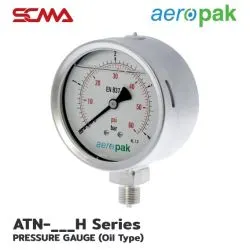 เกจ์วัดความดันหน้าปัดมีน้ำมัน:ATN-150H 150mm.เกลียวล่าง1/2NPT 0-4kfg cm2(60)Special Price THB 1,575.00 Regular Price THB 2,100.00
- เกจ์วัดความดันมีน้ำมัน/เกลียวล่าง ATN-150H 0 - 14 kfg/cm2 3/4" NPT SUS304Special Price THB 1,950.00 Regular Price THB 2,600.00
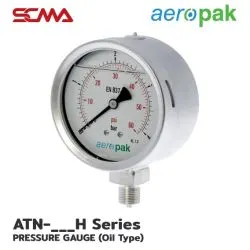 เกจ์วัดความดันมีน้ำมัน/เกลียวล่าง ATN-150H 0 - 7 kfg/cm2 3/4" NPT SUS304Special Price THB 1,950.00 Regular Price THB 2,600.00
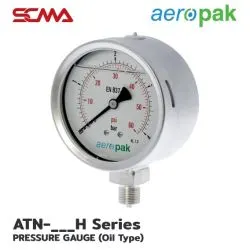 เกจ์วัดความดันมีน้ำมัน/เกลียวล่าง ATN-150H 0 - 4 kfg/cm2 3/4" NPT SUS304Special Price THB 1,950.00 Regular Price THB 2,600.00
- เกจ์วัดความดันมีน้ำมัน/เกลียวล่าง ATN-150H 0 - 14 kfg/cm2 1/2" NPT SUS304Special Price THB 1,575.00 Regular Price THB 2,100.00
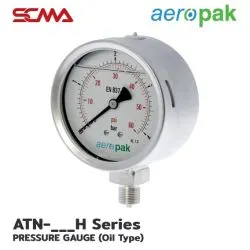 เกจ์วัดความดันมีน้ำมัน/เกลียวล่าง ATN-150H 0 - 7 kfg/cm2 1/2" NPT SUS304Special Price THB 1,575.00 Regular Price THB 2,100.00
- เกจ์วัดความดันมีน้ำมัน/เกลียวล่าง Model : ATN-100H 0-400bar/0-5800psi G1/2" SUS304Special Price THB 1,575.00 Regular Price THB 2,100.00
- เกจ์แวคคั่ม/เกลียวล่าง ATN-100H Oil, -750mm Hg … 0mm Hg, 1/4G SUS304Special Price THB 1,500.00 Regular Price THB 2,000.00
- เกจ์คอมปาวด์/เกลียวล่าง ATN-100H Oil, -750mm Hg … +750mm Hg, 1/4G SUS304Special Price THB 1,500.00 Regular Price THB 2,000.00
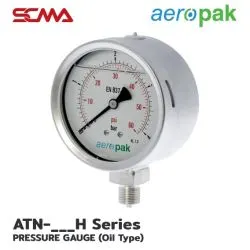 เกจ์วัดความดันมีน้ำมัน/เกลียวล่าง ATN-100H 0~50bar 3/8"PT SUS304Special Price THB 1,200.00 Regular Price THB 1,600.00
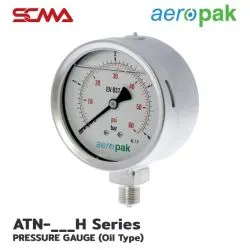 เกจ์วัดความดันมีน้ำมัน/เกลียวล่าง ATN-100H 0~20bar 3/8"PT SUS304Special Price THB 1,200.00 Regular Price THB 1,600.00
 เกจ์วัดความดันมีน้ำมัน/เกลียวล่าง ATN-100H 0~10bar 3/8"PT SUS304ราคาโปรดติดต่อเจ้าหน้าที่
 เกจ์วัดความดันมีน้ำมัน/เกลียวล่าง ATN-100H 0~7bar 1/2"NPT SUS304Special Price THB 1,200.00 Regular Price THB 1,600.00
 เกจ์วัดความดันมีน้ำมัน/เกลียวล่าง ATN-100H 0~5bar 3/8"PT SUS304Special Price THB 1,200.00 Regular Price THB 1,600.00
 เกจ์วัดความดันมีน้ำมัน/เกลียวล่าง ATN-100H 0~50bar/0~700psi 3/8G SUS304Special Price THB 1,200.00 Regular Price THB 1,600.00
 เกจ์วัดความดันมีน้ำมัน/เกลียวล่าง ATN-100H 0~20bar/0~300psi 3/8G SUS304Special Price THB 1,200.00 Regular Price THB 1,600.00
What is a Pressure Gauge?
A Pressure Gauge or pressure gauge is an instrument used to measure and display the pressure of fluids, both liquids and gases in various systems. It functions by converting physical pressure into needle movement on a dial or digital numbers, making it easy and quick for users to read the values. SCMA distributes pressure gauges for all industries, whether general factories, food and beverage industries, or high-precision pharmaceutical industries. We offer both Pressure Gauges, analog and digital types, with comprehensive services.
Diverse Types of Pressure Gauges Based on Usage
There are various types of pressure gauges to meet different needs in each industry. SCMA provides all types of pressure gauges for consultation and selection tailored to your specific requirements.
Categorized by Measuring Range
Pressure Gauges can be categorized into three main types based on the range of pressures they measure:
- General Pressure Gauge (general pressure gauge) is used to measure positive pressure values, suitable for general industrial applications such as checking water system pressure, compressed air systems, or machinery with pressure above atmospheric pressure.
- Vacuum Gauge (vacuum gauge) is designed to measure pressures lower than atmospheric pressure or vacuum conditions. It is used in systems requiring negative pressure, such as exhaust systems, vacuum machines, or work involving the creation of vacuum environments.
- Compound Gauge (compound pressure gauge) can measure both positive and negative pressures within a single unit, suitable for systems with fluctuating pressure changes, such as refrigeration systems, hydraulic systems, or measuring refrigerant pressure in air conditioning units.
Categorized by Display Type
Pressure gauges are primarily categorized into two types based on their display format:
Analog Pressure Gauge (analog pressure gauge)
This is the most commonly used needle-type pressure gauge with a dial. Its advantages include being cost-effective, not requiring electricity, and durability. It comes in two subtypes: standard gauges suitable for general work and oil-filled gauges that are ideal for installation on high-vibration machinery.
Digital Pressure Gauge (digital pressure gauge)
This is a Digital Pressure Gauge displaying numerical values on an LCD or LED screen. It offers higher accuracy than analog gauges and is suitable for work requiring precision and data logging. Many models can be connected to PLC control systems or computers.
Special Types - Pressure Gauges with Contacts
In addition to general pressure gauges, there are also gauges equipped with additional alarm switches:
- Low Alarm - alerts when the pressure drops below a set value.
- High Alarm - alerts when the pressure exceeds a set value.
This type of pressure gauge can send signals, sounds, or control other devices when abnormal pressure conditions occur.
Key Features of Pressure Gauge
High-quality Pressure Gauges help enhance work efficiency and safety. The Pressure Gauges selected by SCMA feature the following outstanding characteristics:
- High Accuracy - Provides precise and reliable measurement results, suitable for applications requiring strict pressure control.
- Durable in Harsh Environments - Designed for industrial use, resistant to vibration, high temperatures, and chemicals.
- Easy Installation and Use - Features an intuitive interface with simple setup options, saving installation time.
- Variety of Options Available - Offers both analog and digital models across various measurement ranges to meet all requirements.
- Clear Readability - Easy-to-read dial face; some models come with backlight for better visibility in dark environments.
- Long Service Life - High-quality materials and design reduce maintenance needs, extending the gauge's lifespan.
Selecting the Right Pressure Gauge for Your Application
Choosing the right Pressure Gauge is crucial to ensuring efficient and safe system operation. SCMA recommends considering these key factors:
Consider the Type of Substance Being Measured
The type of fluid being measured is the first factor to consider when selecting a pressure gauge, as each substance has different properties:
- Water and Air - Use general-purpose gauges with high sensitivity and low measurement range.
- Oil and Hydraulic Fluids - Choose gauges that support high pressures and are oil-resistant.
- Chemicals or Corrosive Substances - Must use stainless steel 316 or special materials resistant to chemicals.
- Food and Pharmaceutical Products - Should be sanitary-grade gauges that are easy to clean.
Consider the Environmental Conditions of Use
The environmental conditions where the pressure gauge is installed greatly affect its selection, ensuring durability and accuracy:
- Vibration-prone Environment - Select oil-filled Pressure Gauges (Oil Filled) to reduce needle vibration.
- High or Low Temperatures - Choose gauges that withstand temperatures according to the application conditions.
- Outdoor Conditions - Should select stainless steel case and waterproof Pressure Gauges.
- Reading Distance - Select dial size appropriate for the distance required for visibility.
Consider Budget and Requirements
Proper budget allocation helps in obtaining a cost-effective pressure gauge that meets your needs:
- General Applications - Ordinary analog gauges are sufficient and economical.
- Applications Requiring Precision - Should invest in digital or high-quality analog gauges.
- Data Recording Requirements - Choose digital Pressure Gauges that can be connected to systems.
- Heavy Industrial Applications - Oil-filled and premium-grade gauges are cost-effective over the long term.
Applications of Pressure Gauges in Industries
Pressure Gauges play a crucial role in various industries, enhancing efficiency, safety, and extending the lifespan of SCMA systems. We have extensive experience installing and servicing pressure gauges across different industries:
- Automotive Industry - Controlling hydraulic system pressure, lubrication systems, and pneumatic systems on production lines.
- Food and Beverage Industry - Monitoring pressure in manufacturing processes, packaging systems, and cleaning-in-place (CIP) systems.
- Water Treatment Systems - Measuring pressure in water filtration systems, pump delivery systems, and potable water distribution systems.
- Petrochemical and Energy Industry - Controlling pressure in pipeline systems, boilers, and distillation processes.
- Cooling and HVAC Systems - Checking refrigerant pressure and compressor efficiency.
- Pharmaceutical Industry - Controlling pressure in clean rooms and high-precision drug manufacturing processes.
- Pipe gas and steam systems - Monitoring safety and efficiency of power delivery systems.
- Machinery and Hydraulics - Checking oil pressure in machinery, forklifts, and heavy equipment.
Comprehensive Pressure Gauge System Services by SCMA
SCMA is not just a supplier of Pressure Gauges but also a technical partner ready to walk alongside you at every step. With over four decades of experience in the automation industry, we understand that selecting and using appropriate pressure gauges is crucial for an efficient system. Our team of expert engineers provides consultation from requirement analysis, selection of suitable Pressure Gauges, proper installation, tomaintenance and calibration servicesto ensure your system operates at peak efficiency and safety.
Summary
Pressure Gauges are essential tools for controlling and monitoring pressure in industrial systems. Choosing the right gauge enhances performance, reduces risks, and extends system lifespan. SCMA Company Limited is a reliable partner in providing high-quality Pressure Gauges from leading brands worldwide. With our team of experts and comprehensive services, we offer tailored and cost-effective solutions for your business. Contact us today to receive free consultation and discover how SCMA can be the answer you're looking for to elevate your industrial systems to international standards.
Frequently Asked Questions
How do analog and digital Pressure Gauges differ?
Analog Pressure Gauge uses a needle on the dial, does not require electricity, is cost-effective, and durable. It suits general work that doesn't need extremely high accuracy. On the other hand, Digital Pressure Gauge displays numbers on a screen, offering higher precision, data logging capability, and system integration. Suitable for tasks requiring detail or automatic data collection. The choice depends on your needs and budget.
How do I choose the right Pressure Gauge for my work?
Selecting a Pressure Gauge involves considering several factors such as the type of substance being measured (water, air, oil, or chemicals), pressure range required, ensuring operational pressure is within 50-75% of full scale, environmental conditions like vibration requiring an oil-filled gauge, and robust housing material for the application. The SCMA expert team is ready to advise you on choosing the most suitable and cost-effective gauge.
How do I maintain a Pressure Gauge?
To keep your Pressure Gauge in good condition, regular checks are necessary. Ensure the needle operates normally and there's no leakage at joints. Calibrate according to recommended intervals or annually for accuracy. Clean the dial and pressure inlet to prevent blockages, and avoid overloading beyond specified limits. Proper maintenance extends gauge life and preserves its accuracy.
How is an Oil-Filled Pressure Gauge better than a standard one?
An Oil-Filled Pressure Gauge contains glycerin or silicone oil inside the housing, offering advantages such as reduced needle vibration for clear readings even on vibrating machinery, protection of internal mechanisms from impact damage, moisture prevention to avoid dial fogging, and extended lifespan. Overall, it's ideal for heavy industrial applications with high vibration or impact, though more expensive than standard gauges but cost-effective in the long run.
This website uses cookies
We use cookies to make the site work properly, to understand how it is used, and to show content that is relevant to you. You choose which types to allow; strictly necessary cookies are always on. Privacy Policy
🤖 AI Assistant
Ask about products, specs and replacement models
Hello 👋 Ask us anything — find products, compare specs, or troubleshoot.
🗑 Clear history