
SPECIAL PROMOTION — Up to 40% off across many product groups, until 31 December 2026 · Click to see all promotion itemsIFM, Sensor, Automation SystemMeasuring / Testing InstrumentsTemp Indicator, Control, T/C, RTD, TimerHeater, SCR Control, Solid State, Power Supply, Control CabinetField Measuring Instruments, Pressure Gauge, Level Control, Flow MeasurementEMC, Pneumatic, Solenoid ValveInspection Test Lamp, Head Light, Automotive Measuring InstrumentWeighing Scales, Marking Machine, PrintersEducational Training SystemsHot Line Tools & Equipment SPECIAL PROMOTION — Up to 40% off across many product groups, until 31 December 2026 · Click to see all promotion itemsIFM, Sensor, Automation SystemMeasuring / Testing InstrumentsTemp Indicator, Control, T/C, RTD, TimerHeater, SCR Control, Solid State, Power Supply, Control CabinetField Measuring Instruments, Pressure Gauge, Level Control, Flow MeasurementEMC, Pneumatic, Solenoid ValveInspection Test Lamp, Head Light, Automotive Measuring InstrumentWeighing Scales, Marking Machine, PrintersEducational Training SystemsHot Line Tools & Equipment View promotion items View all
Vortex Flow Meter
Vortex Flow Meter Buying Guide: Key Factors and Advice
Wondering why Vortex Flow Meters are often the first choice for measuring steam and gas? This article is a comprehensive guide for engineers seeking information on what vortex means, how flow meters work, and everything in between. We delve into vortex devices and provide tips for installing flow meters to maximize value. If you need expert system support, SCMA's industrial measurement services are ready to advise.
Benefits of Using Vortex Flow Meters
- High accuracy in measuring the flow rate of liquids and gases
- No moving parts inside, so there's no need to worry about maintenance for a long time
- Can operate in high-pressure and high-temperature environments, such as the oil and gas industry
- Flexible use across various industries
Applications of Vortex Flow Meters in Various Industries
- Used to measure the flow of crude oil, natural gas, and steam in the oil and gas industry due to high accuracy and durability in harsh environments
- In the chemical industry, used for measuring the flow of various chemicals such as acids and bases, which require high precision for process control
- Used to measure liquid flow in food and beverage manufacturing processes to ensure proper and safe volume management
- In the energy industry, Vortex Flow Meters are used for measuring steam and gas flows in power generation systems for control and production efficiency improvement
- Used to measure water and wastewater flow in industrial water treatment systems for quality control and monitoring
 Vortex Flowmeter : FVC240-1GHABM0K5T4WG /DN150(6")/GASSpecial Price THB 40,350.00 Regular Price THB 53,800.00
Delivery: 30 ต.ค. 2569
- Vortex Flowmeter : FVC240-1CHABM0K5T4WG /DN100(4")/GASSpecial Price THB 32,250.00 Regular Price THB 43,000.00
Delivery: 30 ต.ค. 2569
- Vortex Flow Meter Model : FVC240-40HAAM1K5T4WG/DN40(1-1/2")/SteamSpecial Price THB 31,875.00 Regular Price THB 42,500.00
- Vortex Flow Meter Model : FVC240-1EHAAM1K5T4WG/DN125(5")/SteamSpecial Price THB 43,875.00 Regular Price THB 58,500.00
- Vortex Flow Meter Model : FVC240-1GHAAM1K5T4WG/DN150(6")/SteamSpecial Price THB 48,375.00 Regular Price THB 64,500.00
- Vortex Flow Meter : FVC240-15HABM0K5T1WG / DN15(1/2")/GASSpecial Price THB 24,750.00 Regular Price THB 33,000.00
- Vortex Flow Meter : FVC240-2C-HA-A-M-1-K5-T4-WG /DN200(8") /SteamSpecial Price THB 57,150.00 Regular Price THB 76,200.00
- Vortex Flow Meter : FVC240-65-HA-A-M-1-K5-T4-WG /DN65(2 1/2") /SteamSpecial Price THB 37,575.00 Regular Price THB 50,100.00
- Vortex Flow Meter : FVC240-80-HA-A-M-1-K5-T4-WG /DN80(3") /SteamSpecial Price THB 37,575.00 Regular Price THB 50,100.00
- Vortex Flow Meter : FVC240-1CHAAM1K5T4WG /DN100(4") /SteamSpecial Price THB 40,050.00 Regular Price THB 53,400.00
Delivery: 30 ต.ค. 2569
- Vortex Flow Meter : FVC240-50HABM0K5T1WG/GAS/FlangeSpecial Price THB 24,750.00 Regular Price THB 33,000.00
- Vortex Flow Meter : FVC240-50HAAM1K5T4WG /DN50(2") /SteamSpecial Price THB 32,325.00 Regular Price THB 43,100.00
Delivery: 30 ต.ค. 2569
- Vortex Flow Meter : FVC240-1G-HA-C-L-0-K5-T4-WG / DN150(6") / LiquidSpecial Price THB 43,500.00 Regular Price THB 58,000.00
- Vortex Flow Meter : FVC240-2C-U1-A-M-I-K5-T4-WGSpecial Price THB 42,150.00 Regular Price THB 56,200.00
Delivery: 30 ต.ค. 2569
- Vortex Flow Meter : FVC240-1G-U1-A-M-1-K5-T4-WGSpecial Price THB 36,525.00 Regular Price THB 48,700.00
- Vortex Flow Meter : FVC240-1C-U1-B-M-0-K5-T1-WGSpecial Price THB 25,200.00 Regular Price THB 33,600.00
Delivery: 30 ต.ค. 2569
- Vortex Flow Meter : FVC240-65-U1-B-M-0-K5-T1-WGSpecial Price THB 22,350.00 Regular Price THB 29,800.00
Delivery: 30 ต.ค. 2569
- Vortex Flow Meter : FVC240-50-U1-B-M-0-K5-T1-WGSpecial Price THB 20,325.00 Regular Price THB 27,100.00
Delivery: 30 ต.ค. 2569
- Vortex Flow Meter Model:SG-LUGB-DN150-S1-P1-C1-M4-K2-F2-D1-G2-B1B6/DN150(6")/SuperheatedSpecial Price THB 56,475.00 Regular Price THB 75,300.00
Delivery: 30 ต.ค. 2569
- Vortex Flow Meter Model:SG-LUGB-DN100-S1-P1-C1-M4-K2-F2-D1-G2-B1B6/DN100(4")/SuperheatedSpecial Price THB 46,200.00 Regular Price THB 61,600.00
- Vortex Flow Meter : SG-LUGB-DN80-S1-P1-C1-M4-K2-F2-D1-G2-B1B6/DN80(3")/SuperheatedSpecial Price THB 46,875.00 Regular Price THB 62,500.00
Delivery: 30 ต.ค. 2569
- Vortex Flow Meter : SG-LUGB-DN50-S1-P1-C1-M2-K2-F2-D1-G2-B1/ GasSpecial Price THB 29,062.50 Regular Price THB 38,750.00
Delivery: 30 ต.ค. 2569
- Vortex Flow Meter : SG-LUGB-DN50-S1-P1-C1-M1-K2-F2-D1-G2-B1 / LiquidSpecial Price THB 29,062.50 Regular Price THB 38,750.00
Delivery: 30 ต.ค. 2569
- Vortex Flow Meter : SG-LUGB-DN50-S1-P1-C1-M4-K2-F2(J20K)-D1-G2-B1/DN50(2")/Superheated SteamSpecial Price THB 46,875.00 Regular Price THB 62,500.00
- Vortex Flow Meter Model : SG-LUGB-DN50-S1-P1-C3-M1-K3-D1-G2-B1/DN50(2")/Tri-clampSpecial Price THB 39,750.00 Regular Price THB 53,000.00
- Vortex Flow Meter : SG-LUGB-DN50-S1-P1-C1-M4-K2-F2-D1-G2-B1/DN50(2")/Superheated SteamSpecial Price THB 39,600.00 Regular Price THB 52,800.00
Delivery: 30 ต.ค. 2569
- Vortex Flow Meter : SG-LUGB-DN25-S1-P1-C1-M1-K2-F3-D1-G2-B1Special Price THB 27,600.00 Regular Price THB 36,800.00
- SG-LUGB-2-DN150 Vortex Flow Meter SANGISpecial Price THB 69,000.00 Regular Price THB 92,000.00
Delivery: 30 ต.ค. 2569
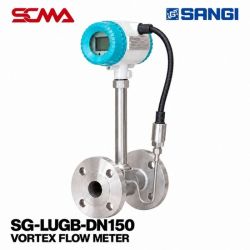 SG-LUGB-DN150 Vortex Flow Meter SANGISpecial Price THB 67,725.00 Regular Price THB 90,300.00
Delivery: 30 ต.ค. 2569
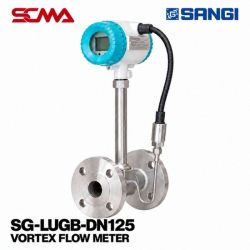 SG-LUGB-DN125 Vortex Flow Meter SANGISpecial Price THB 51,375.00 Regular Price THB 68,500.00
Delivery: 30 ต.ค. 2569
- SG-LUGB-DN100 Vortex Flow Meter SANGISpecial Price THB 48,225.00 Regular Price THB 64,300.00
- SG-LUGB-DN80 Vortex Flow Meter SANGISpecial Price THB 42,975.00 Regular Price THB 57,300.00
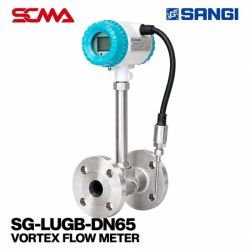 SG-LUGB-DN65 Vortex Flow Meter SANGISpecial Price THB 48,000.00 Regular Price THB 64,000.00
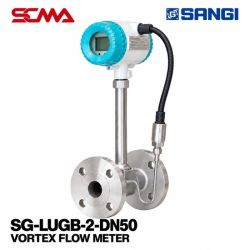 SG-LUGB-2-DN50 Vortex Flow Meter SANGISpecial Price THB 30,375.00 Regular Price THB 40,500.00
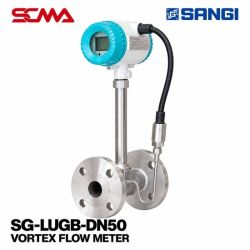 SG-LUGB-DN50 Vortex Flow Meter SANGISpecial Price THB 41,325.00 Regular Price THB 55,100.00
Delivery: 30 ต.ค. 2569
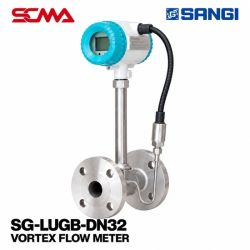 SG-LUGB-DN32 Vortex Flow Meter SANGISpecial Price THB 37,875.00 Regular Price THB 50,500.00
Delivery: 30 ต.ค. 2569
- SG-LUGB-DN25 Vortex Flow Meter SANGISpecial Price THB 27,600.00 Regular Price THB 36,800.00
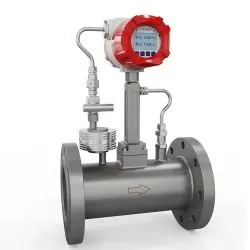 SUPMEA SUP-LUGB Vortex Flow Meter with temperature & pressure compensationSpecial Price THB 30,750.00 Regular Price THB 41,000.00
Delivery: 30 ต.ค. 2569
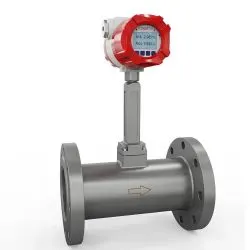 SUPMEA SUP-LUGB Vortex Flow Meter without temperature & pressure compensationSpecial Price THB 30,750.00 Regular Price THB 41,000.00
Delivery: 30 ต.ค. 2569
What is a Vortex Flow Meter?
A vortex flow meter is a widely used type of flow measuring instrument in industrial plants, particularly for steam and various gases. This type of flow meter falls under the category of volumetric flow meters or meters that measure the volume of fluid directly. The standout feature of vortex meters is their lack of moving parts inside the pipe, which makes them highly durable and capable of handling high pressure and temperature.
Overview and Role in Industry
In production processes requiring heat or energy, vortex flow meters play a crucial role in monitoring energy efficiency (Energy Monitoring), especially for measuring steam quantities supplied to various processes. This helps calculate actual production costs, which other types of flow meters find difficult or more expensive to achieve.
Why Popular for Certain Types of Flow Measurement?
The reason engineers prefer this vortex device is that it offers an "All-in-one" solution for most utility applications. It can measure liquids (Liquid), gases (Gas), and steam with high accuracy (Accuracy approximately ±0.75% to ±1.5%) and a wide rangeability, making it versatile in various uses.
How Does a Vortex Flow Meter Work (Von Kármán Effect)?
The core of vortex flow meters is not complex mechanics but a physical phenomenon called the "Von Kármán Effect," which forms the basis for this type of flow meter's operation.
Simplified Explanation of Von Kármán Phenomenon
Imagine a flag fluttering in strong wind or water swirling around a bridge pier. This is when fluid flows past an obstacle and separates into alternating vortices moving left-right rhythmically.
Main Components: Shedder Bar and Sensor Functionality
Inside the meter, there's a protruding bar called the Shedder Bar (or Bluff Body) mounted in the center of the pipe. When fluid hits this bar, alternating vortices are shed behind it. The sensor (often piezoelectric) installed downstream detects pressure or frequency changes from these vortices.
Relationship Between Vortex Frequency and Flow Rate
The vortex frequency is directly proportional to the flow velocity; the faster the fluid flows, the more frequent the vortices. Electronic circuits convert this frequency into speed and multiply it by pipe cross-sectional area to determine "flow rate." This principle is accurate and stable as long as Reynolds Number meets specified criteria.
Advantages and Limitations of Vortex Flow Meter
Before purchasing, understanding pros and cons compared to other flow meters ensures the device suits your application perfectly.
Strengths: Accuracy, Durability, No Moving Parts
- Durability: Without blades or gears, there's no wear and tear (Wear and tear), leading to low maintenance costs.
- Broad coverage: Measures liquids, gases, and steam in one unit.
- High temperature tolerance: Designed for steam specifically (some models withstand up to 300-400 °C).
- Low Pressure Drop: Less pressure loss compared to Orifice Plate.
Limits: Reynolds Number Requirements, Installation, and Vibration Sensitivity
- Inappropriate for very low flows: If fluid flow is too slow, no vortices form, making measurement impossible (Low cutoff).
- High viscosity fluids: Not suitable for highly viscous liquids.
- Vibration sensitivity: Strong pipe vibrations may interfere with sensor signals.
- Pipe length requirement: Needs a relatively long straight run of pipe to ensure stable flow.
Applications: What Types of Work Suit Vortex Flow Meters?
Based on SCMA's experience working across EEC, vortex flow meters excel in the following applications:
Measuring Steam Flow Rates
This is where vortex meters shine most. Over 80% of their use involves measuring saturated and superheated steam in power plants, food factories, or paper mills due to high heat tolerance and cost-effectiveness compared to mass flow meters.
Liquid and Gas Measurement in Various Industries
- Compressed Air Flow Meter: Measures air volume used in production lines for leak detection or costing.
- RO/DI Water: Clean water requiring precision without contamination from the meter.
- Natural Gas: Measures fuel gas entering burners or boilers.
Real-World Applications in Factories
In petrochemical plants, vortex meters are used to measure nitrogen (N2) for system purging or in food plant CIP systems to measure hot water and chemicals due to corrosion resistance. For more information on flow transmitters, visit Flow Transmitter.
How to Select a Vortex Flow Meter Suitable for Your Work
Mis-specifying can lead to inaccurate readings; factors to consider include:
Factors to Consider (Pipe Size, Fluid Type, Temperature, Pressure)
Don't always match flow meter size with pipe size! Often, reducing the meter size by one ensures stable vortex formation. Always check minimum and maximum flow rates against datasheets.
Selecting Housing and Sensor Materials
Standard materials are stainless steel 304 or 316 for durability; however, highly corrosive fluids may require special materials like Hastelloy with gaskets suitable for actual working temperatures.
Comparing to Other Flow Meter Types (Magnetic, Ultrasonic, Turbine)
- Compared to Magnetic Flow: For wastewater or conductive chemicals, magnetic flow meters may be better due to no obstruction. But they can't measure steam or gas.
- Compared to Turbine: Vortex is more durable without risk of blade breakage or jamming.
- Compared to Flow Switch Operation: Flow switches focus on system cutoff when flow occurs (On/Off), while vortex meters provide numerical measurement.
Installation Steps and Precautions for Maximum Accuracy
Vortex flow meter installation requires careful consideration of straight pipe lengths to ensure optimal fluid profile before hitting the shedder bar.
Pipe Length Requirements (Straight Pipe Run)
Generally, a minimum of 10-20 times the pipe diameter (10D-20D) upstream and 5 times downstream is needed. If there are bends or valves beforehand, lengths may need to be increased according to manufacturer guidelines or installation standards from Dwyer Omega.
Avoiding Vibration and Interference
Install away from reciprocating pumps or compressors causing high vibration. If unavoidable, secure pipe supports firmly both before and after the meter to minimize noise affecting sensors.
Initial Maintenance
Frequently check for scale buildup around the shedder bar that could alter its shape and cause inaccuracies; also inspect signal wires for heat damage.
If You're Looking for a Vortex Flow Meter, Think SCMA!
To ensure your vortex flow meter works effectively and cost-efficiently, SCMA is ready to advise you. Our team of experts in flow meters can help select the right specifications for your application, offering quality brands supporting steam, gas, and liquid work with installation and calibration services. See all products at SCMA Products and Services.
Summary
Vortex flow meters are excellent choices for industries needing to measure steam and gases due to their durability, accuracy, and ease of maintenance. However, precision depends on correct sizing and proper installation according to engineering principles. For more information on other control devices like Flow Switches, explore further or consult SCMA's team for the best advice.
Frequently Asked Questions
How Much Does a Vortex Flow Meter Cost?
The cost of vortex flow meters varies based on pipe size (Line Size), material, and additional features (e.g., built-in Pressure/Temperature Compensation). Generally starting at tens of thousands of baht, they offer good value with long service life.
How Often Should Calibration Be Done?
No moving parts mean K-factor is relatively constant. However, annual calibration or as per ISO plant requirements is recommended for accuracy assurance.
Can It Measure High Viscosity Fluids?
Not advisable; highly viscous fluids (High Viscosity) result in low Reynolds Number, preventing vortex formation or causing instability. Positive Displacement or Coriolis Flow Meters are better suited.
This website uses cookies
We use cookies to make the site work properly, to understand how it is used, and to show content that is relevant to you. You choose which types to allow; strictly necessary cookies are always on. Privacy Policy
🤖 AI Assistant
Ask about products, specs and replacement models
Hello 👋 Ask us anything — find products, compare specs, or troubleshoot.
🗑 Clear history