
SPECIAL PROMOTION — Up to 40% off across many product groups, until 31 December 2026 · Click to see all promotion itemsIFM, Sensor, Automation SystemMeasuring / Testing InstrumentsTemp Indicator, Control, T/C, RTD, TimerHeater, SCR Control, Solid State, Power Supply, Control CabinetField Measuring Instruments, Pressure Gauge, Level Control, Flow MeasurementEMC, Pneumatic, Solenoid ValveInspection Test Lamp, Head Light, Automotive Measuring InstrumentWeighing Scales, Marking Machine, PrintersEducational Training SystemsHot Line Tools & Equipment SPECIAL PROMOTION — Up to 40% off across many product groups, until 31 December 2026 · Click to see all promotion itemsIFM, Sensor, Automation SystemMeasuring / Testing InstrumentsTemp Indicator, Control, T/C, RTD, TimerHeater, SCR Control, Solid State, Power Supply, Control CabinetField Measuring Instruments, Pressure Gauge, Level Control, Flow MeasurementEMC, Pneumatic, Solenoid ValveInspection Test Lamp, Head Light, Automotive Measuring InstrumentWeighing Scales, Marking Machine, PrintersEducational Training SystemsHot Line Tools & Equipment View promotion items View all
Temperature & Humidity Transmitter
What is a Temperature & Humidity Transmitter?
A Temperature & Humidity Transmitter is an instrument used to measure and transmit data related to temperature and humidity in the environment. It plays a crucial role in various industries, with key features including:
- High accuracy, providing precise information about environmental temperature and humidity
- High durability, allowing long-term use and effective operation in harsh environments
- Connectivity to control systems via various communication protocols
- User-friendly interface with customizable settings
Benefits of a Temperature & Humidity Transmitter
- Quality control in various industries, such as food and pharmaceutical production
- Energy savings
- Prevention of product and equipment damage
- Increased production efficiency
Selecting the Right Temperature & Humidity Transmitter
Choosing the right Temperature & Humidity Transmitter involves considering factors such as accuracy, measurement range, durability, and connectivity to other control systems. Additionally, it's important to consider reputable manufacturers and suppliers with good after-sales service.
View Catalog for Temperature & Humidity Transmitter: Click here
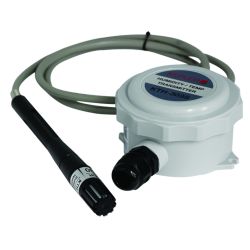 KEPLER Temperature & Humidity Transmitter KTH-303SSpecial Price THB 6,640.00 Regular Price THB 8,300.00
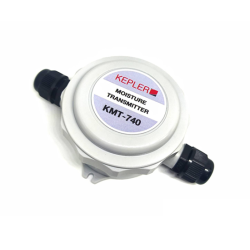 KEPLER Moisture Sensor Model KMT-740 Moisture TransmitterSpecial Price THB 7,600.00 Regular Price THB 9,500.00
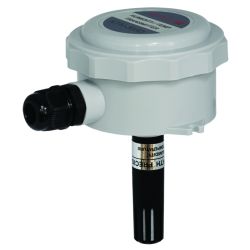 KEPLER Temperature & Humidity Transmitter KTH-303DSpecial Price THB 6,640.00 Regular Price THB 8,300.00
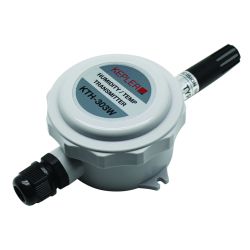 KEPLER KTH-303W Temperature & Humidity TransmitterSpecial Price THB 6,640.00 Regular Price THB 8,300.00
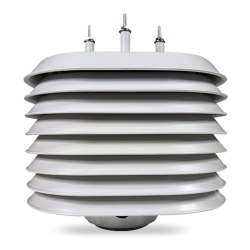 KEPLER KTH-3203 Temperature & Humidity TransmitterSpecial Price THB 12,800.00 Regular Price THB 16,000.00
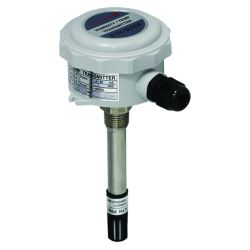 KEPLER Temperature & Humidity Transmitter KTH-303DFSpecial Price THB 8,400.00 Regular Price THB 10,500.00
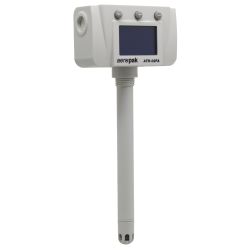 Aeropak Temperature-Humidity Transmitter Model ATH-02FASpecial Price THB 3,440.00 Regular Price THB 4,300.00
Delivery: 30 ต.ค. 2569
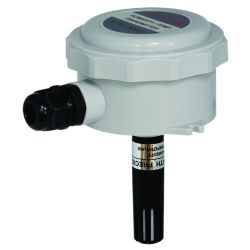 KEPLER Temperature Transmitter KTH-301DASpecial Price THB 2,800.00 Regular Price THB 3,500.00
Delivery: 30 ต.ค. 2569
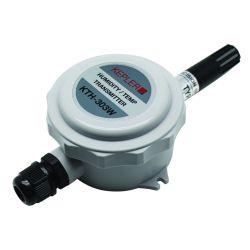 KEPLER Temperature Transmitter Model KTH-301WASpecial Price THB 2,800.00 Regular Price THB 3,500.00
Delivery: 30 ต.ค. 2569
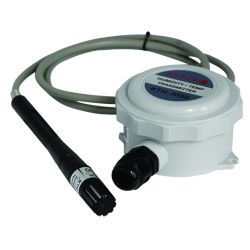 KEPLER Temperature Transmitter KTH-301SASpecial Price THB 2,800.00 Regular Price THB 3,500.00
Delivery: 30 ต.ค. 2569
What is a Temperature Humidity Transmitter? How to Choose One?
A temperature humidity transmitter is an essential industrial device that helps measure and control the environment accurately. If you are looking for precise and durable temperature and humidity transmitters, whether for duct mounting or outdoor use, this article provides a comprehensive guide to help you make confident purchasing decisions with comparisons of specifications and prices across various models. For immediate consultation, visit SCMA Services
What is a Temperature Humidity Transmitter? And Why Is It Important?
A temperature humidity transmitter, or humidity and temperature signal transmitter, is an electronic device that measures the air's temperature and relative humidity values and converts them into standard electrical signals (such as 4-20mA or 0-10V) to send data to automatic control systems (PLC), SCADA systems, or data loggers.
Basic Working Principle
The operation of this device starts with temperature sensors and humidity sensors inside or separate from the unit. They detect physical changes in the air, then internal circuits process and convert these values into stable electrical signals for long-distance data transmission without distortion. For more information on how it works, visit Temperature Humidity Transmitter Blog
The Importance of Temperature and Humidity Control in Industries and Buildings
Controlling temperature and humidity is crucial for maintaining product quality, such as in the pharmaceutical, food, and electronics industries. It also helps save energy in large building HVAC systems. Investing in high-quality temperature and humidity sensors is a worthwhile long-term investment.
Types of Temperature Humidity Transmitters You Should Know
There are several types designed for different installation environments on the market.
Duct Mount Type
Also known as Duct Mount Transmitter, it is designed with a probe extending into ducts to measure air temperature and humidity in HVAC systems. Suitable for building HVAC control.
Wall Mount / Outdoor Type
For wall mounting or outdoor use, these models have robust structures resistant to sun and rain (high IP rating) suitable for measuring external weather conditions or in greenhouses.
Remote Probe Type
Ideal for hard-to-reach areas with high temperatures, the unit is installed separately and connected to the probe via a signal cable. This makes it easy to read values and extends electronic circuit lifespan. Learn more about sensor types at Temperature – Humidity Sensor
Specialized Area Type (e.g., Clean Rooms)
Designed with smooth surfaces to reduce dust accumulation and withstand cleaning chemicals. Suitable for hospitals, pharmaceutical factories, or labs.
5 Key Factors in Choosing a Temperature Humidity Transmitter
To get the most suitable transmitter, consider these important factors:
1. Application & Environment
Know where you will install it first. If in a cold room, choose models that withstand low temperatures; if in chemical plants, select materials resistant to corrosion.
2. Desired Output Signal (4-20mA, 0-10V, RS485)
Choose the output signal that matches your existing control system, such as PLC systems commonly using 4-20mA due to its noise resistance. Smart Farm applications may prefer RS485 Modbus.
3. Measurement Range & Accuracy
Select a measurement range that covers actual usage and acceptable accuracy levels, such as ±3%RH for general work or ±1-2%RH for high precision tasks. Learn more about measuring instruments at Temperature Humidity Meter
4. Material & IP Rating
IP ratings are crucial for outdoor or high humidity environments, such as IP65 or IP67.
5. Calibration & Maintenance
Choose models with easily replaceable probes or easy calibration options to ensure accurate readings always.
Comparison Table of Specifications for Popular Temperature Humidity Transmitter Models
To get a clearer picture, let's compare the specifications of popular models in the market:
|
Feature |
HVAC Model |
Heavy Industry Model |
Outdoor Model |
|
Installation |
Duct / Wall Mount |
Wall Mount / Remote |
Wall Mount + Shield |
|
Accuracy |
±3% RH |
±1.5% RH |
±2-3% RH |
|
Output |
0-10V / 4-20mA |
4-20mA / RS485 |
4-20mA |
|
IP Rating |
IP54 |
IP65 |
IP65 / IP67 |
Comparison for General HVAC Work Models
Focuses on cost-effectiveness, easy installation suitable for office buildings and shopping malls.
Comparison for Heavy Industry Models
Emphasizes durability with high-grade materials resistant to chemicals and high accuracy.
Comparison for Outdoor and Special Environment Models
Focuses on water and dust protection, equipped with shields against sunlight and rain to extend lifespan.
If You Are Looking for a Temperature Humidity Transmitter, Think SCMA!
If you are looking for high-quality temperature humidity transmitters that are accurate and durable, whether for general air humidity sensors or specialized industrial applications, SCMA offers various models with expert engineers ready to provide purchasing advice and installation support. You can view all products at All Products
Summary and Expert Advice on Purchasing
Choosing the right temperature humidity transmitter starts with understanding your needs, selecting appropriate types and specifications such as measurement range, accuracy, and output signal. Investing in quality equipment reduces production risks and long-term maintenance costs. For further consultation, contact SCMA immediately.
Frequently Asked Questions
How Often Do You Need to Calibrate?
Generally, calibration is recommended at least once a year or more frequently in harsh environments for data accuracy.
What Are the Differences Between Output Signals?
4-20mA transmits signals over longer distances and resists noise better than 0-10V, while RS485 is a digital system that can transmit multiple values and connect several units on one line.
How Long Do Sensors Last?
It depends on the environment. With corrosion or dust, lifespan may shorten; typically, high-quality sensors last around 1-3 years.
Learn more about humidity at Wikipedia - Humidity
This website uses cookies
We use cookies to make the site work properly, to understand how it is used, and to show content that is relevant to you. You choose which types to allow; strictly necessary cookies are always on. Privacy Policy
🤖 AI Assistant
Ask about products, specs and replacement models
Hello 👋 Ask us anything — find products, compare specs, or troubleshoot.
🗑 Clear history