
SPECIAL PROMOTION — Up to 40% off across many product groups, until 31 December 2026 · Click to see all promotion itemsIFM, Sensor, Automation SystemMeasuring / Testing InstrumentsTemp Indicator, Control, T/C, RTD, TimerHeater, SCR Control, Solid State, Power Supply, Control CabinetField Measuring Instruments, Pressure Gauge, Level Control, Flow MeasurementEMC, Pneumatic, Solenoid ValveInspection Test Lamp, Head Light, Automotive Measuring InstrumentWeighing Scales, Marking Machine, PrintersEducational Training SystemsHot Line Tools & Equipment SPECIAL PROMOTION — Up to 40% off across many product groups, until 31 December 2026 · Click to see all promotion itemsIFM, Sensor, Automation SystemMeasuring / Testing InstrumentsTemp Indicator, Control, T/C, RTD, TimerHeater, SCR Control, Solid State, Power Supply, Control CabinetField Measuring Instruments, Pressure Gauge, Level Control, Flow MeasurementEMC, Pneumatic, Solenoid ValveInspection Test Lamp, Head Light, Automotive Measuring InstrumentWeighing Scales, Marking Machine, PrintersEducational Training SystemsHot Line Tools & Equipment View promotion items View all
Insulatior
What is an Insulator? Understanding the Crucial Role of Electrical Bushings in Power Transmission Systems
In industrial manufacturing and power transmission systems, the stability of the electrical system is crucial. A mere momentary disruption can result in significant damage to production processes. One component that appears basic but plays a critical role in "separating" and "securing" the electrical system for safe operation is an Insulator, commonly known as an electrical bushing or insulating material. This article will delve into understanding Insulators from basics to advanced selection techniques, helping operators and engineers maintain highly reliable power systems.
There are various types of thermal insulation:
CERAMIC FIBER (Special Ceramic Fiber Insulation)
Properties
- Suitable for high-temperature applications such as ovens and furnaces.
- Used to insulate pipes or cover walls, with various types available based on specific needs.
- CERAMIC FIBER in bulk form comes in two options: block-like and lightweight fabric that is flexible.
Properties
- Suitable for high-temperature applications such as ovens and furnaces.
- Used to insulate pipes or cover walls, with various types available based on specific needs.
INSULATOR (Thermal Insulation)
Properties
- Used for applications requiring the retention of heat or cold.
- Economical, lightweight, with very low thermal conductivity and excellent heat resistance.
View the Insulator Catalog Click Here
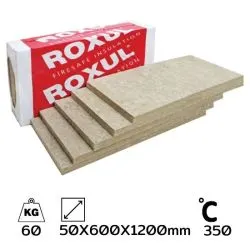 PROROX ASK-7602 60KG 50X600X1200 mm.Special Price THB 320.00 Regular Price THB 400.00
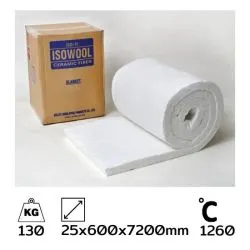 Caramic Fiber ISOWOOL ASK-7912 BLANKET 25x600x7200mm 1260C /130Kg (Isolite)Special Price THB 1,520.00 Regular Price THB 1,900.00
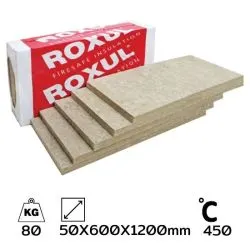 PROROX ASK-7602 80KG 50X600X1200 mm.Special Price THB 450.00 Regular Price THB 600.00
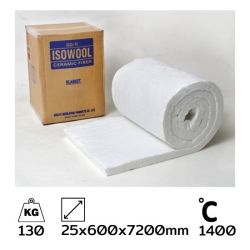 Caramic Fiber ASK-7912-H Blanket (Sheet Type) 25x600x7200mm 1400C /130Kg (Isolite)Special Price THB 2,080.00 Regular Price THB 2,600.00
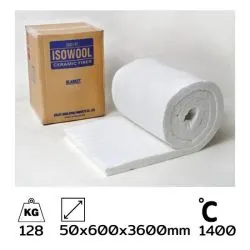 Caramic Fiber ASK-7912-H Blanket (Sheet Type) 50x600x3600mm 1400C /128Kg (Isolite)Special Price THB 3,075.00 Regular Price THB 4,100.00
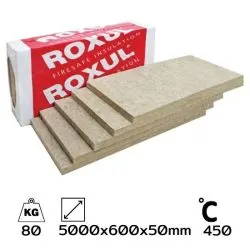 ProRox WM950 80K 5000x600x50 Model ASK-7603Special Price THB 2,025.00 Regular Price THB 2,700.00
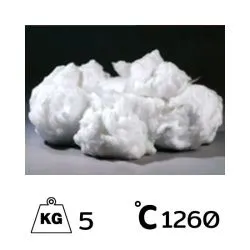 Caramic Fiber ISOWOOL ASK-7900 CERAMIC BULK (COTTON TYPE) 5 kg 1260CSpecial Price THB 880.00 Regular Price THB 1,100.00
What is an Insulator? Why is it Important for Electrical Systems?
An insulator, or electrical insulation material, is a type of material with high resistance to the flow of electric current, which results in the inability of the current to pass through the material or makes it extremely difficult. In electrical engineering, we use this equipment to prevent electric current from flowing from conductors to other parts that are not desired, such as power poles, building walls, or even human bodies. From SCMA team's on-site experience, many industrial factory issues of "short circuits" or "leakage currents" often originate from the deterioration or improper selection of insulation materials for the environment, making insulators akin to a "protective shield," the first line of defense that helps electrical systems operate smoothly and efficiently. If you want to delve deeper into the engineering definition, you can read more at what is an insulator definition types working properties and applications
The Role and Importance of Insulators
Insulators are not just about blocking electricity; they also play several crucial roles in power transmission systems and factory electrical systems, as follows:
- To Prevent Human Injury: The most important role is to prevent workers or general public from coming into direct contact with electric current, which reduces the risk of fatal accidents.
- Prevent Short Circuits (Short Circuit): Insulation helps prevent electric current from flowing in unintended directions, such as grounding faults or phase-to-phase short circuits, which may cause electrical equipment to explode or suffer severe damage.
- To Support and Secure Wires: In power transmission systems, insulators serve a mechanical function by "supporting the weight" of high-voltage wires and tensioning them while maintaining their insulation properties.
- Ensure System Reliability: Having good insulation reduces the likelihood of unexpected equipment downtime (Unplanned Downtime), which aligns with our emphasis on increasing production efficiency.
- To Facilitate Maintenance: Separating electrical components from the main structure allows maintenance teams to more easily inspect physical abnormalities.
Get to Know Various Types of Insulators
The commonly used insulators in the present day can be categorized into several types based on material characteristics and usage. Generally, they are divided into three major groups: electronic insulation materials, power insulation materials, and industrial insulation materials.
Categorized by Material (Material Type)
1) Ceramic Insulator
- Made from porcelain, glass-ceramic
- Tolerant to high temperatures and high voltage
- Used on utility poles, substations
- Examples: Pin insulators, suspension insulators, post insulators
2) Glass Insulator
- Good insulation properties
- Easily visible cracks
- Used in high voltage transmission systems (HV Transmission)
3) Polymer/Composite Insulator
- Made from silicone rubber, EPDM, FRP rod
- Lightweight, not brittle, resistant to pollution
- Popular nowadays as a replacement for ceramic insulators
- Used in high voltage–extra high voltage systems (HV-EHV)
4) Plastic Insulator
- PVC, PET, Polycarbonate
- Used to make wire insulation, PCB boards, equipment covers
5) Rubber Insulator
- Natural rubber, silicone
- Used for making electrical gloves, cable insulation, seals
6) Liquid Insulator
- Transformer oil (Transformer Oil)
- Used for cooling and insulating in transformers
7) Gas Insulator
- SF₆ (Sulfur Hexafluoride) – excellent insulation properties
- Used in GIS (Gas-Insulated Switchgear)
Categorized by Power Usage (Power Insulator)
1) Pin Insulator
- Used with low–medium voltage poles (LT-MV)
2) Suspension Insulator
- Used in high voltage transmission systems (HV)
- Hanging type, multiple discs connected together
3) Strain Insulator
- Used to withstand tension at the end or corner of a line
4) Post Insulator
- Used in substations (Substation)
- A rod standing on various equipment
5) Bushing Insulator
- Insulation for "conductor through wall" such as transformers, switchgear
Categorized by Properties (Property-Based)
1) Thermal Insulator
- Prevent heat transfer, e.g., fiberglass, ceramic foam
2) Electrical Insulator
- Prevent electrical conduction, e.g., PVC, rubber, ceramics
3) Chemical Insulator
- Resistant to chemicals, e.g., PTFE (Teflon)
Selecting the Appropriate Insulator for Usage
Selecting high-voltage electrical equipment such as an Insulator of the wrong type not only wastes budget but also acts as a time bomb waiting to create problems for your power system. Important considerations are:
1. Considering Voltage Level
You must always choose insulation with a higher insulation level than the actual operating voltage to account for safety factors, especially when surges occur in the system.
2. Selecting Based on Environmental and Pollution Conditions
This is often overlooked by many factories. If your factory is located in an industrial park with high chemical dust or near the sea (such as EEC areas), salt and dust will accumulate on the surface of the insulation, making flashover easier to occur. You should choose Insulators with a higher Creepage Distance or use Polymer types that have water-repelling properties.
3. Required Mechanical Strength
Calculate the weight of the power lines and actual tensile forces, including wind impact, to select the appropriate strain insulator type (such as choosing Strain Insulator at points requiring high tension).
4. Comparing Advantages and Disadvantages of Different Materials
- Porcelain: Durable and strong but heavy and prone to breakage if struck.
- Glass: Easy to visually inspect for cracks, but fragile.
- Polymer: Lightweight, easy to install, good resistance to pollution, but may be more expensive in some models.
For those seeking detailed information to aid decision-making, you can view additional details about How to Select Insulator Appropriately compiled by our team.
If you are interested in Insulator, you can now purchase from SCMA!
At SCMA, we are not just distributors but also "technical partners" who deeply understand the needs of factory engineers. We offer services to provide high-voltage electrical equipment and high-quality measuring tools that have been carefully selected for the Thai industrial environment. If you are looking for Insulators or electrical system components, our team of expert engineers is ready to consult with you to ensure you receive the right equipment, reduce installation errors, and make a worthwhile long-term investment. You can view more details about our services or contact us for free advice.
Summary
An Insulator or electrical insulating bushing is an essential component in the safety of an electrical system. Choosing the correct type, whether Pin, Suspension, or Strain Insulator, based on voltage level and environment, will help extend the life of your system and significantly reduce maintenance costs. If you want confidence in quality and safety, SCMA is ready to advise and deliver the best solutions for you.
Frequently Asked Questions
What is the difference between Insulator and Conductor?
An Insulator (insulating material) does not allow electricity to flow through it, used to prevent electrical leakage. On the other hand, a Conductor (conductive material) allows electricity to flow well, such as copper or aluminum, used for transmitting electric current.
How do you know if an insulator is deteriorating?
You can observe cracks on the exterior surface, black soot from arcing (arcing), or unusual "clicking" sounds around the bushing. If these symptoms are found, it should be replaced immediately.
Why must electrical insulators be cleaned?
Dust and salt deposits on the surface of the bushing when exposed to moisture can become conductive, causing a flashover (flashover) across the insulation surface. Cleaning helps prevent such issues.
This website uses cookies
We use cookies to make the site work properly, to understand how it is used, and to show content that is relevant to you. You choose which types to allow; strictly necessary cookies are always on. Privacy Policy
🤖 AI Assistant
Ask about products, specs and replacement models
Hello 👋 Ask us anything — find products, compare specs, or troubleshoot.
🗑 Clear history