
SPECIAL PROMOTION — Up to 40% off across many product groups, until 31 December 2026 · Click to see all promotion itemsIFM, Sensor, Automation SystemMeasuring / Testing InstrumentsTemp Indicator, Control, T/C, RTD, TimerHeater, SCR Control, Solid State, Power Supply, Control CabinetField Measuring Instruments, Pressure Gauge, Level Control, Flow MeasurementEMC, Pneumatic, Solenoid ValveInspection Test Lamp, Head Light, Automotive Measuring InstrumentWeighing Scales, Marking Machine, PrintersEducational Training SystemsHot Line Tools & Equipment SPECIAL PROMOTION — Up to 40% off across many product groups, until 31 December 2026 · Click to see all promotion itemsIFM, Sensor, Automation SystemMeasuring / Testing InstrumentsTemp Indicator, Control, T/C, RTD, TimerHeater, SCR Control, Solid State, Power Supply, Control CabinetField Measuring Instruments, Pressure Gauge, Level Control, Flow MeasurementEMC, Pneumatic, Solenoid ValveInspection Test Lamp, Head Light, Automotive Measuring InstrumentWeighing Scales, Marking Machine, PrintersEducational Training SystemsHot Line Tools & Equipment View promotion items View all
Heaters
We are a manufacturer of industrial heaters, both standard and custom-made, with over 45 years of expertise and experience.
Over 45 Years of Expertise in Manufacturing Industrial Heaters
Our company is a leader in the production of industrial heaters, with over 45 years of experience. With our expertise and dedication to developing high-quality products, we have built trust and satisfaction among many customers both domestically and internationally.
View All Heater Catalog : Click Here
|
|
|
|
|
Infrared Oven - Conveyor Belt Oven |
|
|
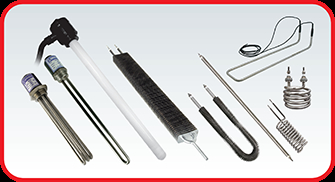
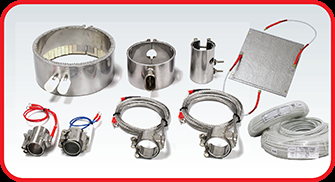
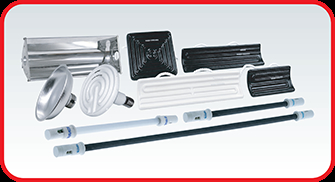
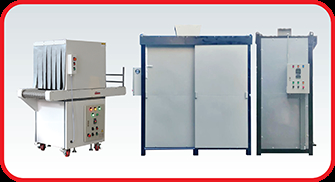
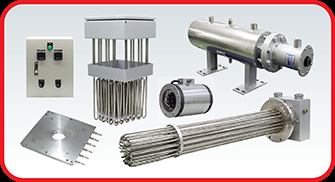
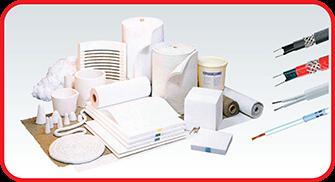
Types of Heaters We Produce
1. Standard Heaters (Standard Heaters)
We offer a variety of standard heaters that can meet the general needs of industrial applications, such as coil heaters, tubular heaters, strip heaters, and pipe heaters. These products are designed to be highly efficient and durable for long-term use.
2. Custom-Made Heaters (Custom Heaters)
In addition to standard heaters, we also offer custom-made heaters tailored to specific customer requirements. Our team of expert engineers can design and produce heaters that precisely meet the unique needs of each industry, whether it's high-temperature heating processes, precise temperature control, or challenging environments.
Expertise in Heater Manufacturing
Selection of High-Quality Materials
We use high-quality materials to ensure that our products are durable and highly efficient. The materials we use are tested and certified according to industry standards.
Design and Development
With a team of expert engineers and designers, we can quickly develop new products that meet customer needs and market trends. Our heaters are designed to be highly efficient in heating and energy-saving.
Quality Control
We have strict quality control systems at every stage of production to ensure that the products we deliver to customers are of the highest quality. Every component of our heaters is inspected and tested before leaving the factory.
Benefits of Choosing Our Heaters
- High Efficiency: Our heaters are highly efficient in heating, making production processes fast and high-quality.
- Durability: With high-quality materials and standard manufacturing processes, our products are durable with a long service life.
- Design Flexibility: We can produce heaters according to special customer requirements, making it possible to meet the diverse needs of various industries.
- Customer Service: With over 45 years of experience, we are skilled in providing consultation and after-sales service to ensure that customers have the best experience.
Our company is a manufacturer of industrial heaters with over 45 years of expertise and experience in both standard and custom-made production. We are committed to developing high-quality products that fully meet customer needs, with high-quality materials, precise design, and strict quality control. Our heaters are recognized and trusted across various industries.
If you're looking for high-quality heaters and excellent service, we are the best choice for you. Contact us to receive consultation and more information about our heater products. Our team of experts is ready to serve and assist you with any needs.

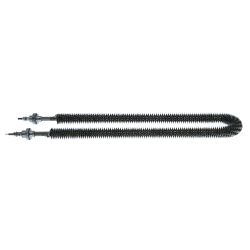 FUB-3010-N Finned Heater, Lf- 250MM 1000W AC220VSpecial Price THB 1,424.00 Regular Price THB 1,780.00
Delivery: 30 ต.ค. 2569
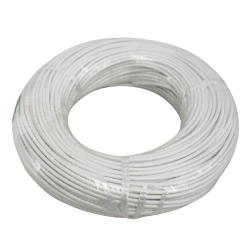 Heat Resistant Wire Model FBG-075 Dia. 0.75 sq.mm. -60+200C White SANGISpecial Price THB 1,125.00 Regular Price THB 1,500.00
Delivery: 30 ต.ค. 2569
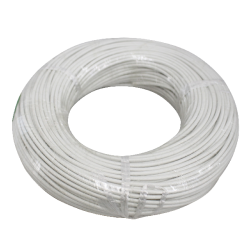 Heat Resistant Wire Model FBG-100 1.00 sq.mm -60+200C White SANGISpecial Price THB 2,175.00 Regular Price THB 2,900.00
Delivery: 30 ต.ค. 2569
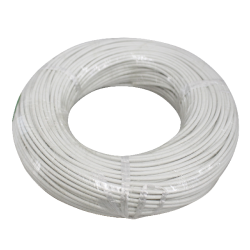 Heat Resistant Wire Model FBG-150 1.50sq.mm -60+200C White SANGISpecial Price THB 2,550.00 Regular Price THB 3,400.00
Delivery: 30 ต.ค. 2569
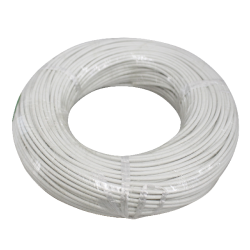 Heat Resistant Wire Model FBG-200 2.00sq.mm -60+200C White SANGISpecial Price THB 3,225.00 Regular Price THB 4,300.00
Delivery: 30 ต.ค. 2569
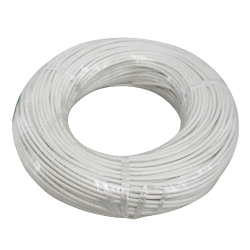 Heat Resistant Wire Model FBG-250 2.50sq.mm -60+200C White SANGISpecial Price THB 4,800.00 Regular Price THB 6,400.00
Delivery: 30 ต.ค. 2569
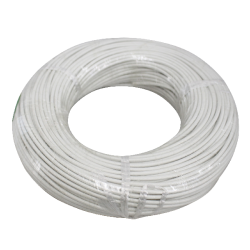 Heat Resistant Wire Model FBG-400 4.00sq.mm -60+200C White SANGISpecial Price THB 8,175.00 Regular Price THB 10,900.00
Delivery: 30 ต.ค. 2569
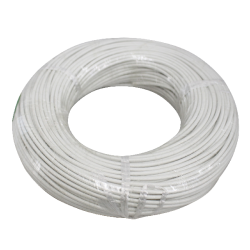 Heat Resistant Wire Model FBG-600 6.00sq.mm -60+200C White SANGISpecial Price THB 10,050.00 Regular Price THB 13,400.00
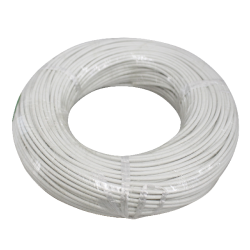 Heat Resistant Wire Model FBG-800 8.00sq.mm -60+200C White SANGISpecial Price THB 12,450.00 Regular Price THB 16,600.00
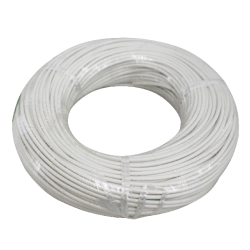 Heat Resistant Wire Model FBG-1000 10.00 sq.mm -60+200C White SANGISpecial Price THB 21,300.00 Regular Price THB 28,400.00
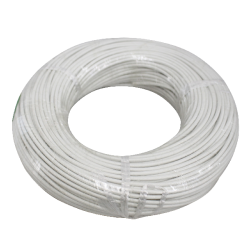 Heat Resistant Wire Model FBG-1600 16.00sq.mm -60+200C White SANGISpecial Price THB 750.00 Regular Price THB 1,000.00
Delivery: 30 ต.ค. 2569
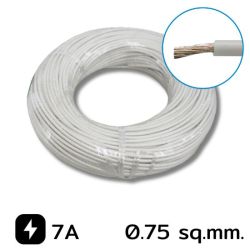 SLC-075 Heat Resistant/Silicone Dia 0.75 sq.mm.Special Price THB 8.00 Regular Price THB 10.00
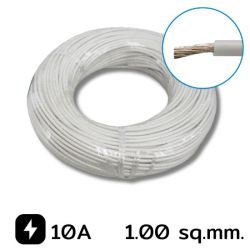 SLC-100 Dia 1.00 sq.mm.Special Price THB 9.60 Regular Price THB 12.00
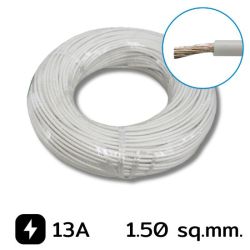 SLC-150 Dia 1.50 sq.mm.Special Price THB 13.60 Regular Price THB 17.00
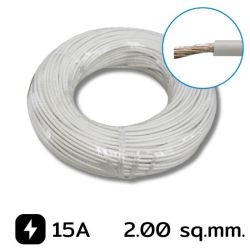 SLC-200 Dia 2.00 sq.mm.Special Price THB 17.60 Regular Price THB 22.00
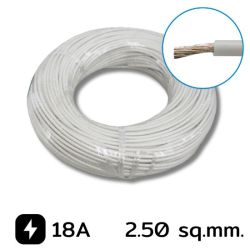 SLC-250 Dia 2.50 sq.mm.Special Price THB 22.40 Regular Price THB 28.00
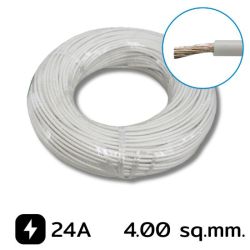 SLC-400 Dia 4.00 sq.mm.Special Price THB 31.20 Regular Price THB 39.00
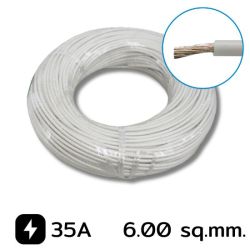 SLC-600 Dia 6.00 sq.mm.Special Price THB 48.80 Regular Price THB 61.00
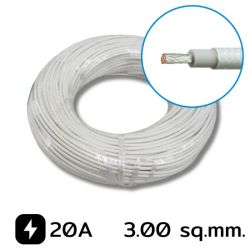 FBG-300 High Temperature/Fiberglass Cable Dia. 3.00sq.mm, -60+200C White (1 Roll=100M)Special Price THB 4,125.00 Regular Price THB 5,500.00
Delivery: 30 ต.ค. 2569
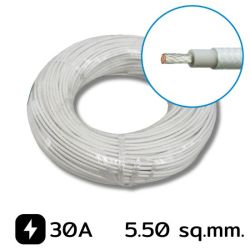 FBG-550 High Temperature/Fiberglass Cable Dia. 5.50 sq.mm, -60+200C White (1 Roll=100M)Special Price THB 6,975.00 Regular Price THB 9,300.00
Delivery: 30 ต.ค. 2569
 EL-3-T SERIES, 800W INFRARED CERAMIC HEATER INFRAPARAราคาโปรดติดต่อเจ้าหน้าที่
- A-1-T SERIES, A-1-T 150W INFRARED CERAMIC HEATER INFRAPARAราคาโปรดติดต่อเจ้าหน้าที่
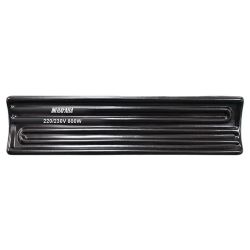 INFRAPARA Infrared Heater Model A-1-T-800W AC220V 4wire Black (With TC Type K)Special Price THB 960.00 Regular Price THB 1,200.00
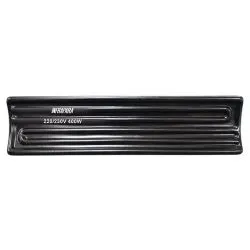 INFRAPARA Infrared Heater Model A-1-400W AC220V 2wire BlackSpecial Price THB 680.00 Regular Price THB 850.00
- SG-H SERIES, SG-H-1200 2000W INFRARED HEATER SANGIราคาโปรดติดต่อเจ้าหน้าที่
- SG-H SERIES, SG-H-550 650W INFRARED HEATER SANGIราคาโปรดติดต่อเจ้าหน้าที่
- SG-H SERIES, SG-H-500 650W INFRARED HEATER SANGISpecial Price THB 742.50 Regular Price THB 990.00
Delivery: 30 ต.ค. 2569
- SG-H SERIES, SG-H-450 550W INFRARED HEATER SANGIราคาโปรดติดต่อเจ้าหน้าที่
- CF SERIES, CF-300 500W INFRARED HEATER SANGISpecial Price THB 562.50 Regular Price THB 750.00
- CF SERIES, CF-250 300W INFRARED HEATER SANGIราคาโปรดติดต่อเจ้าหน้าที่
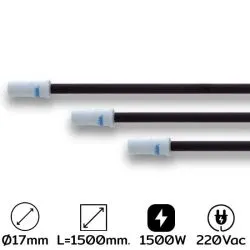 CS-1500MM 1500W AC220V INFRARED HEATERSpecial Price THB 1,760.00 Regular Price THB 2,200.00
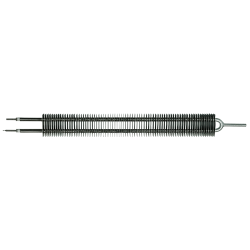 Finned Heater CAL-P1072 L-450MM LH-400MM 1500W AC220VSpecial Price THB 1,136.00 Regular Price THB 1,420.00
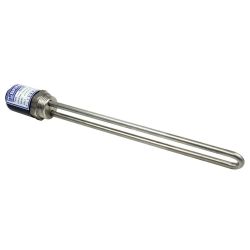 Immersion heater Model SG-152 L-300MM 1500W AC220VSpecial Price THB 840.00 Regular Price THB 1,050.00
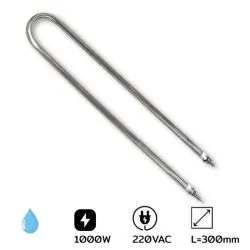 U-3100 Y-Shaped Heater 8mm Dia. 300X300MM 1000W AC220VSpecial Price THB 600.00 Regular Price THB 750.00
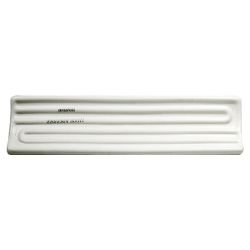 INFRAPARA AW-1-800W AC220V 2wire WhiteSpecial Price THB 680.00 Regular Price THB 850.00
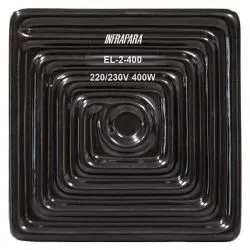 INFRAPARA Infrared Heater Model EL-2-400W AC220V 2wire BlackSpecial Price THB 1,040.00 Regular Price THB 1,300.00
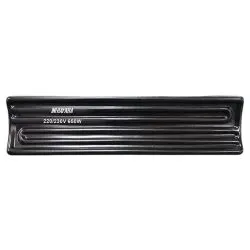 INFRAPARA Infrared Heater Model A-1-650W AC220V 2wire BlackSpecial Price THB 680.00 Regular Price THB 850.00
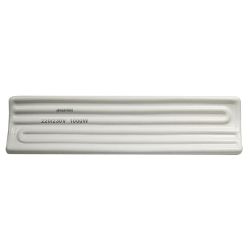 INFRAPARA AW-1-T-1000W AC220V 4wire White With TC Type KSpecial Price THB 960.00 Regular Price THB 1,200.00
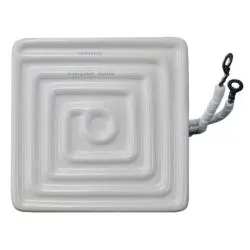 INFRAPARA ELW-2-800W AC220V 2wire WhiteSpecial Price THB 1,040.00 Regular Price THB 1,300.00
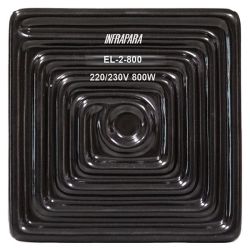 INFRAPARA Infrared Heater Model EL-2-T-800W AC220V 4wire Black (With TC Type K)Special Price THB 1,200.00 Regular Price THB 1,500.00
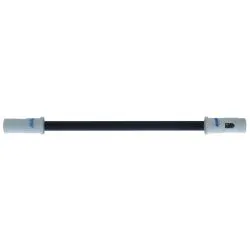 INFRAPARA Infrared Heater Model CF-300MM 350W AC220VSpecial Price THB 600.00 Regular Price THB 750.00
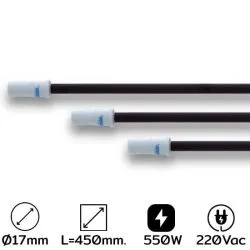 CS-450MM 550W AC220V INFRARED HEATERSpecial Price THB 744.00 Regular Price THB 930.00
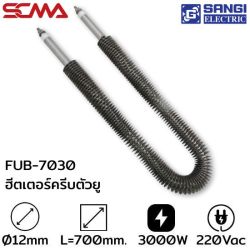 FUB-7030 Heater Fin Type U Lf - 650MM 3000W AC220VSpecial Price THB 1,536.00 Regular Price THB 1,920.00
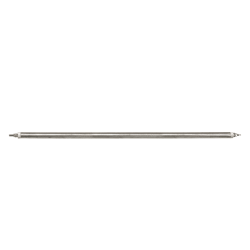 Tubular Heater I-1050 DIA. 8 x 1000MM 500W AC220V SANGISpecial Price THB 1,275.00 Regular Price THB 1,700.00
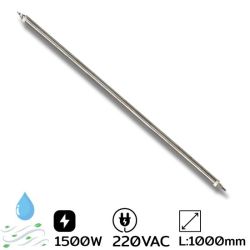 I-1510 Heater Forming Tool DIA. 8X1500MM 1000W AC220VSpecial Price THB 864.00 Regular Price THB 1,080.00
 U-8150 Heater Form U DIA. 8, 800X800MM 1500W AC220VSpecial Price THB 992.00 Regular Price THB 1,240.00
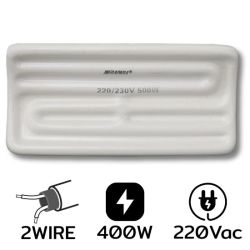 AW-2, 400W AC220V Infrared Heater 2 Wire WhiteSpecial Price THB 560.00 Regular Price THB 700.00
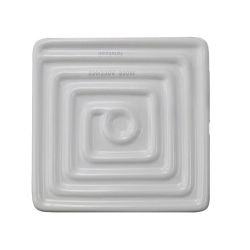 INFRAPARA ELW-2-T-800W AC220V 4wire White (With TC Type K)Special Price THB 1,200.00 Regular Price THB 1,500.00
What is a Heater (Heater)
A heater is an engineering device that converts electrical energy into thermal energy by utilizing the high resistance properties of conductive wires. When electric current flows through heating wire, thermal energy is released for various applications such as water heaters, rice cookers at household level and industrial ovens, plastic injection machines or hot oil systems requiring higher durability and precise control.
Basic Working Principle: Converting Electrical Energy into Heat
The mechanism of a heater begins when electric current flows through resistance wire, commonly nickel-chromium (Ni-Cr) due to its high heat resistance and low oxidation tendency. As the electrical current passes through the resistance of the wire, energy is lost in the form of heat (Joule Heating). This generated heat is transferred to target objects such as solids, liquids or air via three types of heat transfer mechanisms: conduction, convection, or radiation depending on each heater design. For those interested in a deeper understanding of electric heating theory, further reading can be found at Electric heating.
The Importance of Heaters in Industrial Work
Industrial heaters are crucial equipment for providing heat in various manufacturing processes. They help make production more efficient and enable precise temperature control, which is vital for energy savings and increased productivity.
Types of Industrial Heaters
1. Coil Heater (Coil Heater)
A coil heater is a wire wound into a coil, commonly used in high-temperature applications requiring even heat distribution such as plastic molding or metal melting.
2. Rod Heater (Rod Heater)
A rod heater is a metal rod with embedded heating wire, used for precise temperature control applications such as warming workpieces during manufacturing processes.
3. Plate Heater (Plate Heater)
A plate heater is a metal plate with embedded heating wire, used for wide area heating such as chemical tanks or large machinery.
4. Tubular Heater (Tubular Heater)
A tubular heater is a metal tube with embedded heating wire, commonly used in applications requiring distributed heat such as air or water.
5. Ceramic Heater (Ceramic Heater)
A ceramic heater is a ceramic rod or plate with embedded heating wire, used for high-temperature and durable applications such as firing ceramic or glass products.
Industrial Heater Usage
1. Metal Melting and Forming
Heaters are used to provide heat for metal melting and forming in the steel production industry and other metal industries.
2. Plastic Injection Molding
In the plastic injection molding process, heaters help to heat plastics before they are molded into various products.
3. Food Production and Processing
Heaters are used to provide heat in food production and processing processes, such as drying, pasteurization, and frying.
4. Chemical Production
In the chemical industry, heaters are used to control temperature in production processes and chemical storage.
5. Ceramic and Glass Manufacturing
Heaters are used to provide high heat in the firing and forming processes of ceramics and glass.
Benefits of Using Heaters in Industrial Work
- Temperature Control Accuracy: Heaters can accurately control temperature, making production processes high quality and consistent.
- Energy Efficiency: Well-designed heaters help save energy and reduce production costs.
- Durability and Long Service Life: High-quality heaters are durable with a long service life, reducing maintenance costs.
- Even Heat Distribution: Heaters can distribute heat evenly, making production processes efficient.
Selecting Heaters for Industrial Work
Choosing the right heater involves considering several factors such as the type of material to be heated, required temperature, accuracy of temperature control, and durability of the heater. Selecting an appropriate heater will enhance production efficiency and reduce costs.
Industrial heaters are crucial equipment for providing heat in various production processes. Choosing suitable and high-quality heaters can make production efficient, energy-saving, and yield high-quality products. Understanding the types and applications of different heaters will help select appropriate heaters for specific industrial needs.
If you are interested in the Heater, you can now purchase from SCMA!
Selecting a heater is not just about looking at wattage and voltage specifications; it's about choosing a "solution" that truly meets your production process needs. At SCMA, we do more than just distribute products; we are technical partners ready to provide consultation. We understand that engineers and business owners want to simplify equipment procurement. SCMA curates high-quality heaters and temperature control devices, along with a team of expert engineers who advise on power calculations, material selection for durability in operating environments, and automatic system design. This ensures your heating systems work stably and safely. If you need further guidance about heater articles or require us to help design a system, please view our technical services from SCMA at Our Services, or contact our team immediately. We are here to help you enhance your production efficiency.
Summary
A heater is an essential piece of equipment in the industrial sector. Understanding the types of heaters and selecting them correctly can help business owners control product quality, manage energy efficiently, and reduce maintenance costs effectively. Investing in high-quality heaters and proper system design from today will be a crucial foundation for your business's sustainable success.
Frequently Asked Questions
What does Heater mean?
A heater (Heater) literally means "heating device," referring to equipment that generates heat for various purposes, ranging from boiling water and drying to metal melting.
What is a factory heater? How does it differ from a home heater?
A factory heater is designed to be highly durable for continuous heavy-duty use over long periods, resistant to chemical environments or vibrations, and has much higher wattage than typical household heaters.
How many types of Heaters are there?
The main types include Tubular, Finned, Immersion, Cartridge, Band, and Infrared heaters based on physical characteristics and usage.
How should one choose a heater for their work?
Consider three key factors: 1. What needs to be heated (air, liquid, or solid) 2. The temperature required 3. Installation space If unsure, consult an expert to calculate the appropriate wattage.
This website uses cookies
We use cookies to make the site work properly, to understand how it is used, and to show content that is relevant to you. You choose which types to allow; strictly necessary cookies are always on. Privacy Policy
🤖 AI Assistant
Ask about products, specs and replacement models
Hello 👋 Ask us anything — find products, compare specs, or troubleshoot.
🗑 Clear history