
SPECIAL PROMOTION — Up to 40% off across many product groups, until 31 December 2026 · Click to see all promotion itemsIFM, Sensor, Automation SystemMeasuring / Testing InstrumentsTemp Indicator, Control, T/C, RTD, TimerHeater, SCR Control, Solid State, Power Supply, Control CabinetField Measuring Instruments, Pressure Gauge, Level Control, Flow MeasurementEMC, Pneumatic, Solenoid ValveInspection Test Lamp, Head Light, Automotive Measuring InstrumentWeighing Scales, Marking Machine, PrintersEducational Training SystemsHot Line Tools & Equipment SPECIAL PROMOTION — Up to 40% off across many product groups, until 31 December 2026 · Click to see all promotion itemsIFM, Sensor, Automation SystemMeasuring / Testing InstrumentsTemp Indicator, Control, T/C, RTD, TimerHeater, SCR Control, Solid State, Power Supply, Control CabinetField Measuring Instruments, Pressure Gauge, Level Control, Flow MeasurementEMC, Pneumatic, Solenoid ValveInspection Test Lamp, Head Light, Automotive Measuring InstrumentWeighing Scales, Marking Machine, PrintersEducational Training SystemsHot Line Tools & Equipment View promotion items View all
Hardness Testers
What are Hardness Testers?
Hardness testers are instruments used to measure the hardness of various materials such as metals, plastics, rubber, and other substances. They are essential tools in many industries for checking material hardness.
Types of Hardness Testers
- Rockwell Hardness Tester measures the hardness of metals and non-metals by assessing the indentation under a specified load.
- Brinell Hardness Tester uses a spherical indenter to measure material hardness on its surface.
- Vickers Hardness Tester employs a pyramid-shaped indenter for measuring the hardness of dense materials.
- Shore Hardness Tester is used to measure the hardness of rubber and plastic by assessing indentation under a defined force.
- Knoop Hardness Tester measures the hardness of thin or small parts such as films and electronic components.
Applications of Hardness Testers
- Testing the hardness of metal parts, tires, seals to ensure durability and quality in automotive industries.
- Evaluating various materials used in manufacturing such as metals, plastics, and rubber for product quality and consistency.
- Testing medical device production materials like silicone and other components to ensure safety and effectiveness.
- Assessing electronic component manufacturing materials such as circuit boards and wire insulation.
- Testing construction material hardness, like steel and concrete, to ensure strength and durability.
Renowned Brands of Hardness Testers
- Buehler offers a range of products including easy-to-use and accurate hardness testers.
- KEPLER INSTRUMENTS provides high-quality, reliable testing equipment across various industries.
- Elcometer is renowned for producing versatile hardness testers used in multiple sectors.
- Instron specializes in precise and durable material testing tools.
- Mitutoyo is famous for high-precision and robust measuring instruments.
- Wilson Hardness focuses on producing high-quality, reliable hardness testers.
View the Hardness Testers Catalogue : Click Here
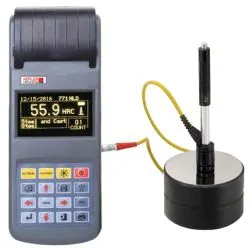 KH-382 KEPLER Portable Leeb Hardness TestersSpecial Price THB 19,200.00 Regular Price THB 24,000.00
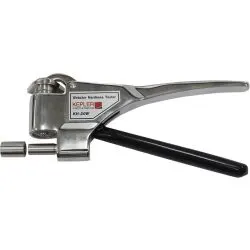 KH-20W KEPLER Webster Hardness TestersSpecial Price THB 19,760.00 Regular Price THB 24,700.00
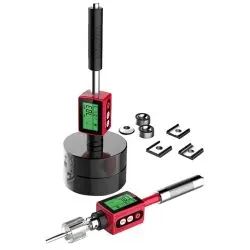 KH-100D KEPLER Portable Leeb Hardness TestersSpecial Price THB 24,640.00 Regular Price THB 30,800.00
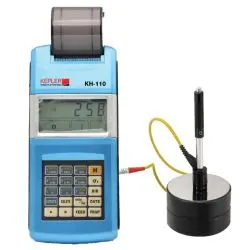 KH-110 KEPLER Portable Leeb Hardness TestersSpecial Price THB 40,000.00 Regular Price THB 50,000.00
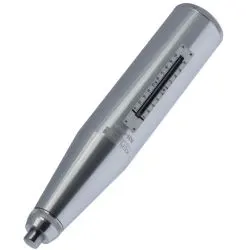 KH-500N KEPLER Concrete Test HammerSpecial Price THB 8,000.00 Regular Price THB 10,000.00
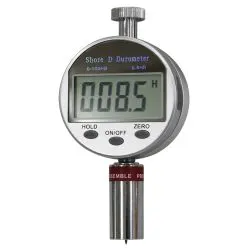 KS-120D KEPLER Shore D Hardness TestersSpecial Price THB 5,760.00 Regular Price THB 7,200.00
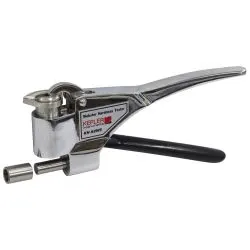 KH-92WS KEPLER Webster Hardness TestersSpecial Price THB 23,280.00 Regular Price THB 29,100.00
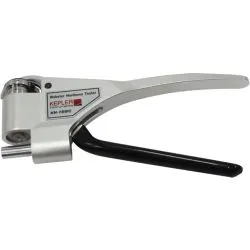 KH-75WC KEPLER Webster Hardness TestersSpecial Price THB 23,280.00 Regular Price THB 29,100.00
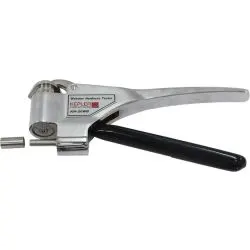 KH-20WB KEPLER Webster Hardness TestersSpecial Price THB 19,760.00 Regular Price THB 24,700.00
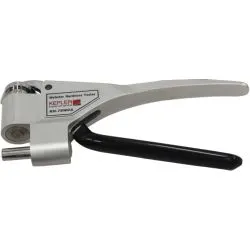 KH-75WCA KEPLER Webster Hardness TestersSpecial Price THB 33,840.00 Regular Price THB 42,300.00
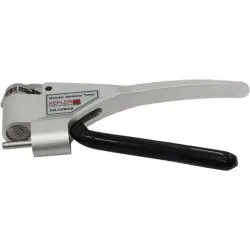 KH-75WCB KEPLER Webster Hardness TestersSpecial Price THB 23,280.00 Regular Price THB 29,100.00
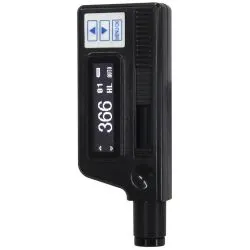 KH-270 KEPLER Portable Leeb Hardness TestersSpecial Price THB 12,000.00 Regular Price THB 15,000.00
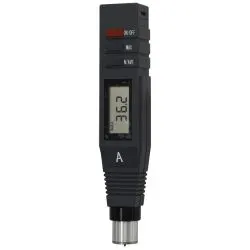 KS-200 KEPLER Shore A Hardness TestersSpecial Price THB 20,560.00 Regular Price THB 25,700.00
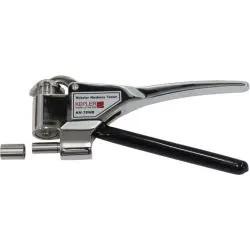 KH-75WB KEPLER Webster Hardness TestersSpecial Price THB 22,560.00 Regular Price THB 28,200.00
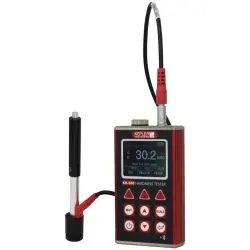 KH-660 KEPLER Portable Leeb Hardness TestersSpecial Price THB 46,560.00 Regular Price THB 58,200.00
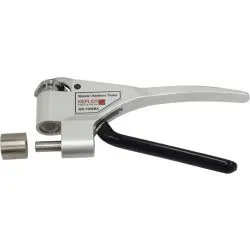 KH-75WBA KEPLER Webster Hardness TestersSpecial Price THB 33,840.00 Regular Price THB 42,300.00
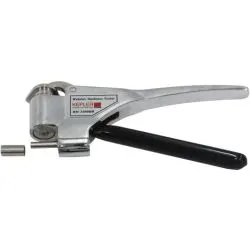 KH-75WBB KEPLER Webster Hardness TestersSpecial Price THB 23,280.00 Regular Price THB 29,100.00
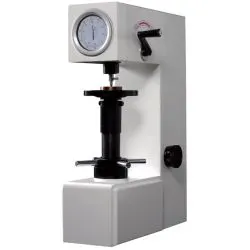 KH-500A KEPLER Rockwell Hardness TestersSpecial Price THB 76,000.00 Regular Price THB 95,000.00
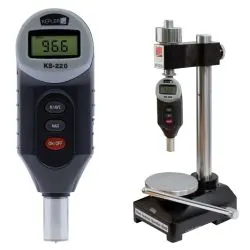 KS-220 KEPLER Shore A Hardness TestersSpecial Price THB 20,000.00 Regular Price THB 25,000.00
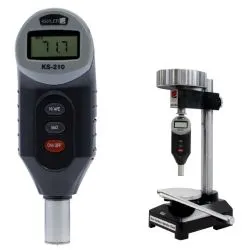 KS-210 KEPLER Shore D Hardness TestersSpecial Price THB 19,120.00 Regular Price THB 23,900.00
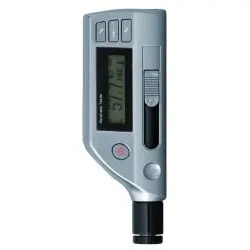 KH-172 KEPLER Portable Leeb Hardness TestersSpecial Price THB 51,120.00 Regular Price THB 63,900.00
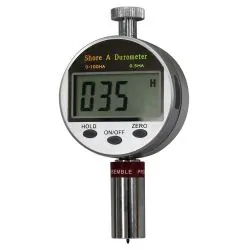 KS-100A KEPLER Shore A Hardness TestersSpecial Price THB 3,440.00 Regular Price THB 4,300.00
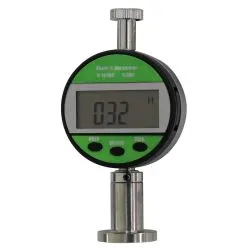 KS-110C KEPLER Shore C Hardness TestersSpecial Price THB 3,440.00 Regular Price THB 4,300.00
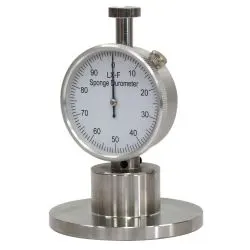 KS-130S KEPLER Sponge DurometerSpecial Price THB 12,800.00 Regular Price THB 16,000.00
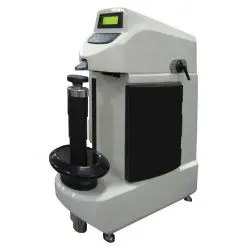 KH-300 KEPLER Rockwell Hardness TestersSpecial Price THB 223,600.00 Regular Price THB 279,500.00
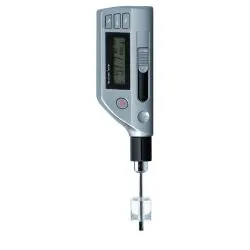 KH-174 KEPLER Portable Leeb Hardness TestersSpecial Price THB 72,000.00 Regular Price THB 90,000.00
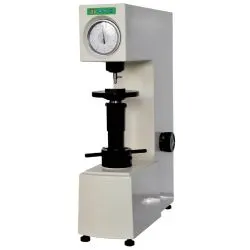 KH-6101 KEPLER Rockwell Hardness TestersSpecial Price THB 84,000.00 Regular Price THB 105,000.00
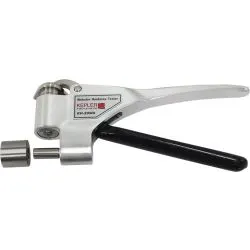 KH-20WA KEPLER Webster Hardness TestersSpecial Price THB 21,200.00 Regular Price THB 26,500.00
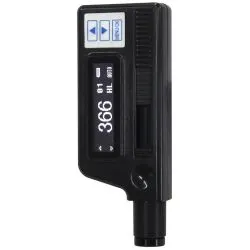 KH-278 KEPLER Portable Leeb Hardness TestersSpecial Price THB 16,400.00 Regular Price THB 20,500.00
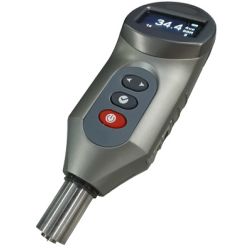 KS-5433AM KEPLER Shore AM Hardness TestersSpecial Price THB 28,800.00 Regular Price THB 36,000.00
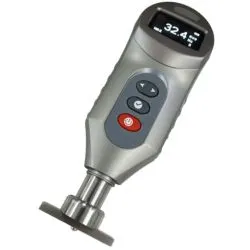 KS-5432C KEPLER Shore C Rubber Hardness Tester Type AO (Shore C Hardness Testers)Special Price THB 28,800.00 Regular Price THB 36,000.00
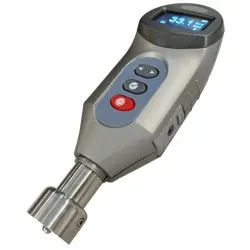 KS-5432AO KEPLER Shore AO Hardness TestersSpecial Price THB 28,800.00 Regular Price THB 36,000.00
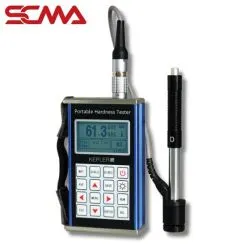 KH-600E KEPLER Portable Leeb Hardness TesterSpecial Price THB 10,640.00 Regular Price THB 13,300.00
Delivery: 30 ต.ค. 2569
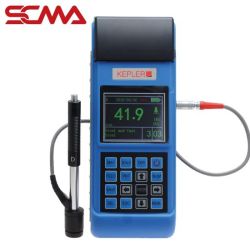 KH-601E KEPLER Portable Leeb Hardness TesterSpecial Price THB 12,800.00 Regular Price THB 16,000.00
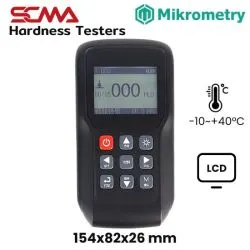 EHP110 Leeb Hardness TesterSpecial Price THB 7,760.00 Regular Price THB 9,700.00
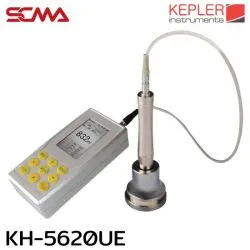 KH-5620UE (Manual probe) Metal Hardness Tester Ultrasonic TypeSpecial Price THB 150,960.00 Regular Price THB 188,700.00
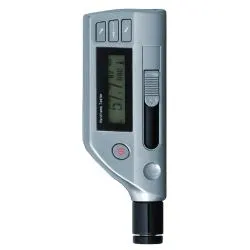 KH-170 KEPLER Portable Leeb Hardness TestersSpecial Price THB 40,000.00 Regular Price THB 50,000.00
Delivery: 30 ต.ค. 2569
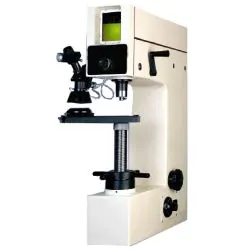 KH-722 KEPLER Universal Hardness TestersSpecial Price THB 299,200.00 Regular Price THB 374,000.00
Delivery: 30 ต.ค. 2569
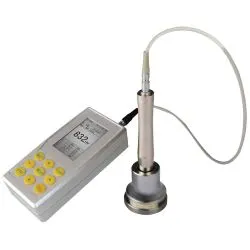 KH-5620U Manual KEPLER Ultrasonic Hardness TestersSpecial Price THB 151,200.00 Regular Price THB 189,000.00
Delivery: 30 ต.ค. 2569
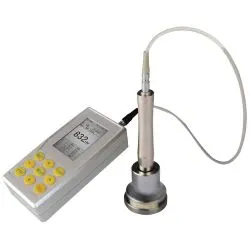 KH-5620U Motorized KEPLER Ultrasonic Hardness TestersSpecial Price THB 316,000.00 Regular Price THB 395,000.00
Delivery: 30 ต.ค. 2569
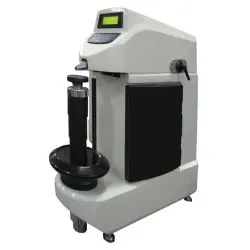 KH-320 KEPLER Rockwell Hardness TestersSpecial Price THB 327,200.00 Regular Price THB 409,000.00
Delivery: 30 ต.ค. 2569
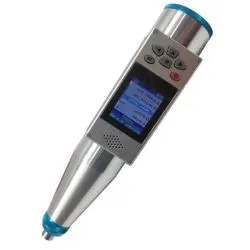 KH-225D KEPLER Concrete Hardness TesterSpecial Price THB 100,000.00 Regular Price THB 125,000.00
Delivery: 30 ต.ค. 2569
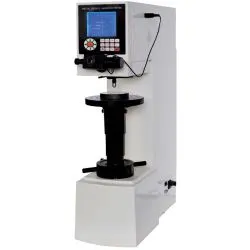 KH-6202 KEPLER Brinell Hardness TestersSpecial Price THB 251,600.00 Regular Price THB 314,500.00
Delivery: 30 ต.ค. 2569
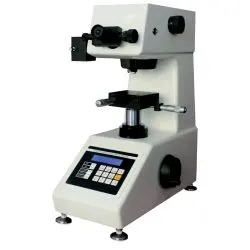 KH-6301 KEPLER Vickers Hardness TestersSpecial Price THB 144,640.00 Regular Price THB 180,800.00
Delivery: 30 ต.ค. 2569
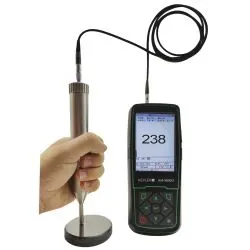 KH-5630U KEPLER Ultrasonic Hardness TestersSpecial Price THB 139,600.00 Regular Price THB 174,500.00
Delivery: 30 ต.ค. 2569
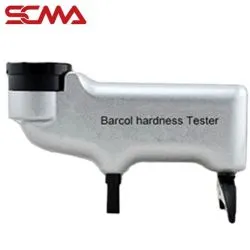 KH-93B KEPLER Barcol Hardness TesterSpecial Price THB 25,200.00 Regular Price THB 31,500.00
Delivery: 30 ต.ค. 2569
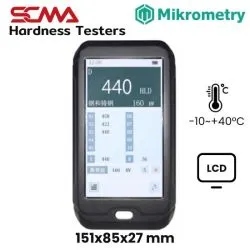 EHP210 Leeb Hardness TesterSpecial Price THB 16,960.00 Regular Price THB 21,200.00
Hardness Tester (Hardness Tester)
A Hardness Tester, or hardness testing machine, is a crucial device used to measure the ability of materials to resist permanent deformation by measuring the size of an indentation made by a test probe. This helps determine the quality and strength of metals, plastics, rubber, and other materials accurately. At SCMA, we offer high-quality hardness testers from leading global brands along with a team of expert engineers to provide consultation and help you choose the right tool for your specific industrial applications.
What is a Hardness Tester?
A Hardness Tester, or hardness testing machine, is designed to test the resistance of materials against permanent deformation by applying a specified force with a probe onto the material's surface and then measuring the size of the indentation. The hardness (Hardness) of a material refers to its ability to withstand applied forces such as pressing, grinding, scratching, or machining. This value must be determined throughspecific testing methodsthat produce a permanent mark on the surface. These machines come in portable and benchtop models, as well as digital versions that provide immediate readings.
Types of Hardness Testers
There are several types of hardness testers designed for different applications based on the type of material, size of the workpiece, and required level of accuracy:
Rockwell Hardness Tester
The Rockwell Hardness Test is the most popular method in industry due to its ease of use, speed, and immediate readout. The Rockwell Hardness Test measures the depth of an indentation made by a diamond cone or hardened steel ball probe using scales such as HRA, HRB, and HRC. It's suitable for testing various metals and non-metals.
Brinell Hardness Tester
The Brinell hardness tester uses a hardened steel ball or carbide ball to press into the material's surface with a constant force, then measures the diameter of the indentation and calculates the hardness value. It uses HB as its unit of measurement and is suitable for aluminum alloys, copper alloys, and materials with uneven surfaces.
Vickers Hardness Tester
The Vickers hardness tester uses a diamond pyramid indenter at an angle of 136 degrees to press into the material for 10-15 seconds, then measures the diagonal length of the indentation with a microscope. It uses HV as its unit of measurement and can measure both soft and hard materials without changing probes. Suitable for high-precision work.
Shore Hardness Tester
The Shore hardness testeruses a probe with a specific shape and size to press into the material's surface, then measures the compression of the material under pressure. Suitable for testing rubber and plastic materials that are flexible, using Shore A and Shore D scales. Commonly used in automotive and plastic product industries.
Knoop Hardness Tester
The Knoop hardness tester uses a long and narrow diamond pyramid indenter, suitable for testing thin materials, small parts, or brittle items such as thin films, electronic components, and ceramics. It provides accurate measurements without damaging the material.
Key Features of Hardness Testers
High-quality hardness testers help ensure efficient and reliable material inspection. At SCMA, we select hardness testers with standout features:
- High Accuracy - Provides detailed and precise measurements for trustworthy quality control results.
- Durable in Harsh Environments - Designed to operate in factories with dust, heat, and vibration.
- User-Friendly - Features an easy-to-understand interface, simple setup, and clear display screens.
- Variety of Options - Offers a range of measurement scales and signal types to suit different applications and budgets.
- Data Logging Capabilities - Newer models can log and export data for analysis and reporting.
Applications of Hardness Testers
Hardness testers are indispensable in many industries to ensure product quality and safety:
- Automotive Industry - Tests metal parts, tires, and seals for durability and system quality.
- Metal Manufacturing Industry - Tests metals, plastics, and rubber materials; Rockwell Hardness is often used as a standard for inspection.
- Medical Industry - Tests silicone and other medical-grade materials to ensure compliance with safety standards.
- Electronics Manufacturing Industry - Tests circuit boards, wire insulation, and small components for quality control.
- Construction Industry - Tests steel and concrete to ensure structural strength and durability.
- R&D - Studies the properties of new materials and develops efficient production processes.
Comprehensive Hardness Tester Solutions from SCMA
At SCMA, we are more than just hardness tester suppliers; we are technical partners who accompany you every step of the way. With over 40 years of experience in industrial automation systems, we understand quality control needs and challenges. We offercomprehensive servicesfrom consultation on selecting the right equipment to installation, training, calibration, maintenance, and rapid support from our team of expert engineers.
Summary
Choosing the right hardness tester is a crucial step in ensuring product quality standards. SCMA Company Limited is your reliable partner for selecting, using, and maintaining Hardness Testers with high-quality products from leading global brands, experienced experts, and comprehensive after-sales services. Contact us todayto receive free consultation and elevate your quality control processes to international standards.
Frequently Asked Questions
How do different types of hardness testers differ?
Each type uses a different measurement principle. Rockwell measures the depth of an indentation, suitable for quick work; Brinell measures the diameter of an indentation, suitable for uneven surfaces; Vickers uses a diamond indenter to measure both soft and hard materials; Shore is ideal for rubber and plastics; Knoop is used for thin and brittle materials.
Which hardness tester should I choose?
Consider the type of material, size of workpiece, required accuracy, and budget. For general metals, Rockwell is recommended due to its ease of use and speed; for high-precision work, Vickers is suitable; for rubber and plastics, Shore is appropriate. Our SCMA experts are ready to provide advice to help you choose the best tool.
This website uses cookies
We use cookies to make the site work properly, to understand how it is used, and to show content that is relevant to you. You choose which types to allow; strictly necessary cookies are always on. Privacy Policy
🤖 AI Assistant
Ask about products, specs and replacement models
Hello 👋 Ask us anything — find products, compare specs, or troubleshoot.
🗑 Clear history