
SPECIAL PROMOTION — Up to 40% off across many product groups, until 31 December 2026 · Click to see all promotion itemsIFM, Sensor, Automation SystemMeasuring / Testing InstrumentsTemp Indicator, Control, T/C, RTD, TimerHeater, SCR Control, Solid State, Power Supply, Control CabinetField Measuring Instruments, Pressure Gauge, Level Control, Flow MeasurementEMC, Pneumatic, Solenoid ValveInspection Test Lamp, Head Light, Automotive Measuring InstrumentWeighing Scales, Marking Machine, PrintersEducational Training SystemsHot Line Tools & Equipment SPECIAL PROMOTION — Up to 40% off across many product groups, until 31 December 2026 · Click to see all promotion itemsIFM, Sensor, Automation SystemMeasuring / Testing InstrumentsTemp Indicator, Control, T/C, RTD, TimerHeater, SCR Control, Solid State, Power Supply, Control CabinetField Measuring Instruments, Pressure Gauge, Level Control, Flow MeasurementEMC, Pneumatic, Solenoid ValveInspection Test Lamp, Head Light, Automotive Measuring InstrumentWeighing Scales, Marking Machine, PrintersEducational Training SystemsHot Line Tools & Equipment View promotion items View all
Power Supply
What is a Power Supply?
A power supply is an electrical device that provides electric energy to an electrical load, or in other words, it is a controllable source of electricity. It can control the output voltage or current to maintain constant values even when the load changes or there are variations in input power. It plays a crucial role in converting electrical energy from one form to another, such as mechanical, chemical, or solar energy into electrical energy.
Types of Power Supply
There are two main types of power supplies, each suitable for different applications. Let's explore both types and understand what they entail:
DC Power Supply Types
This type is used as a direct current (DC) power source, converting alternating current (AC) from the mains to DC voltage suitable for use. It can be categorized into:
- Switching Power Supply - Compact and lightweight, it filters signals before outputting them and adjusts the voltage by regulating at the primary transformer. Suitable for all types of electrical systems.
- Linear Regulated Power Supply - Larger in size with a higher price tag, it outputs regulated voltages as specified and can reduce excess input voltage to deliver maximum output voltage to the load.
- Unregulated Power Supply - This type provides non-constant voltage and has noise during DC power supply. It is inexpensive and easy to use.
- Ripple Regulated Power Supply - This type uses transistors in on/off mode, passing direct current through large capacitors while maintaining the output voltage within a specified range.
AC Power Supply Types
The second type is an alternating current (AC) power source that adjusts and maintains constant frequency output to meet usage requirements. It can be divided into three categories:
- Single-phase Output AC Frequency Conversion Power Supply
- Three-phase Output AC Frequency Conversion Power Supply
- Multi-mode 1 or 3 Phase Output AC Frequency Conversion Power Supply
View the AC Power Supply Catalog : Click here
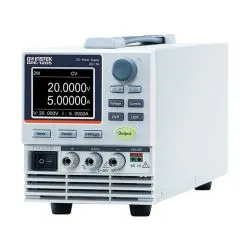 GPE-1205 SINGLE CHANNEL LINEAR DC POWER SUPPLY GW INSTEKSpecial Price THB 10,575.00 Regular Price THB 14,100.00
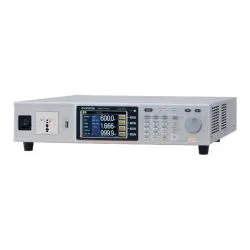 APS-7100 PROGRAMMABLE AC POWER SOURCE GW INSTEKSpecial Price THB 116,250.00 Regular Price THB 155,000.00
Delivery: 30 ต.ค. 2569
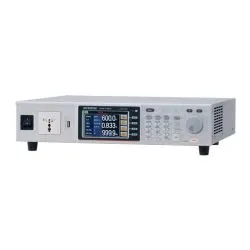 APS-7050 PROGRAMMABLE AC/DC POWER SOURCE GW INSTEKSpecial Price THB 79,125.00 Regular Price THB 105,500.00
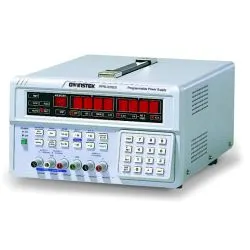 PPE-3323 GW instek Multiple Output Programmable Linear D.C. Power SupplySpecial Price THB 30,400.00 Regular Price THB 38,000.00
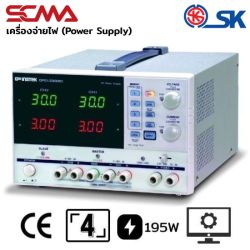 GPD-3303D GW instek Multiple Output Programmable Linear D.C. Power SupplySpecial Price THB 26,800.00 Regular Price THB 33,500.00
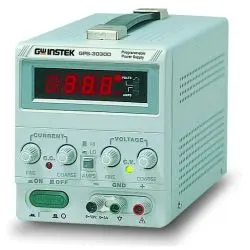 GW instek GPS-3030D Linear D.C. Power SupplySpecial Price THB 10,000.00 Regular Price THB 12,500.00
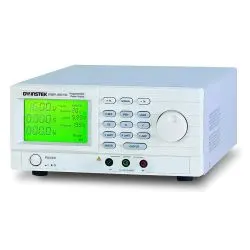 PSP-2010 GW instek Programmable Switching D.C. Power SupplySpecial Price THB 16,000.00 Regular Price THB 20,000.00
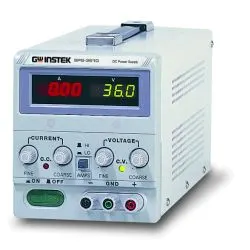 GW instek SPS-2415 Switching D.C. Power SupplySpecial Price THB 23,200.00 Regular Price THB 29,000.00
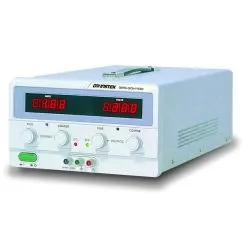 GW instek GPR-1820HD Linear D.C. Power SupplySpecial Price THB 30,880.00 Regular Price THB 38,600.00
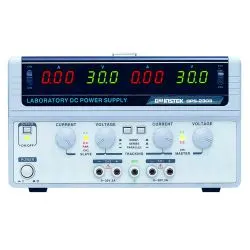 GW instek GPS-2303 Multiple Output Linear D.C. Power SupplySpecial Price THB 14,400.00 Regular Price THB 18,000.00
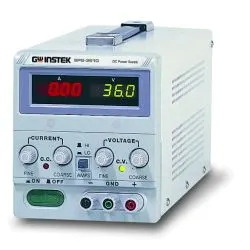 SPS-3610 GW instek Switching D.C. Power SupplySpecial Price THB 21,440.00 Regular Price THB 26,800.00
Delivery: 30 ต.ค. 2569
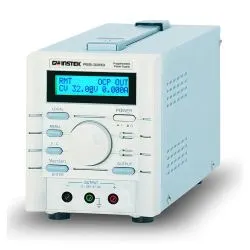 PSS-3203 GW instek Programmable Linear D.C. Power SupplySpecial Price THB 24,400.00 Regular Price THB 30,500.00
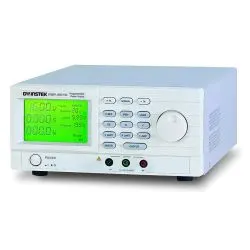 PSP-405 GW instek Programmable Switching D.C. Power SupplySpecial Price THB 16,000.00 Regular Price THB 20,000.00
Delivery: 30 ต.ค. 2569
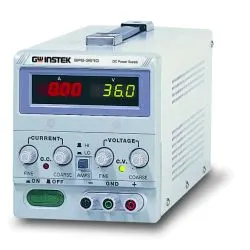 SPS-606 GW instek Switching D.C. Power SupplySpecial Price THB 21,440.00 Regular Price THB 26,800.00
Delivery: 30 ต.ค. 2569
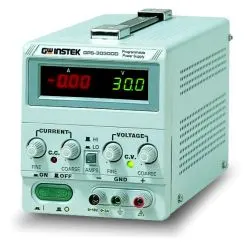 GW instek GPS-3030DD Linear D.C. Power SupplySpecial Price THB 10,400.00 Regular Price THB 13,000.00
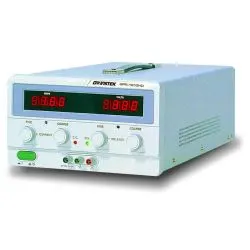 GW instek GPR-3060D Linear D.C. Power SupplySpecial Price THB 14,880.00 Regular Price THB 18,600.00
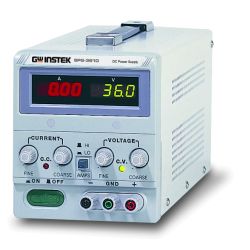 SPS-1230 GW instek Switching D.C. Power SupplySpecial Price THB 22,000.00 Regular Price THB 27,500.00
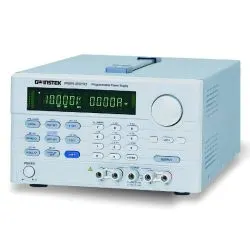 PSM-2010 GW instek Programmable Dual-Range Linear D.C. Power SupplySpecial Price THB 52,000.00 Regular Price THB 65,000.00
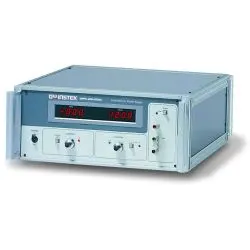 GPR-30H10D GW instek Linear D.C. Power SupplySpecial Price THB 26,560.00 Regular Price THB 33,200.00
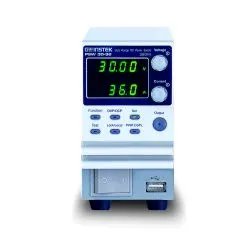 PSW 30-36 GW instek Programmable Switching D.C. Power SupplySpecial Price THB 63,600.00 Regular Price THB 79,500.00
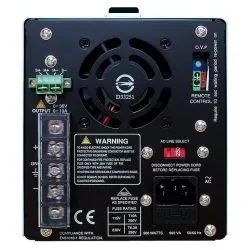 GW instek SPS-1820 Switching D.C. Power SupplySpecial Price THB 21,440.00 Regular Price THB 26,800.00
Delivery: 30 ต.ค. 2569
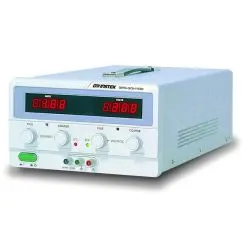 GW instek GPR-3510HD Linear D.C. Power SupplySpecial Price THB 27,440.00 Regular Price THB 34,300.00
Delivery: 30 ต.ค. 2569
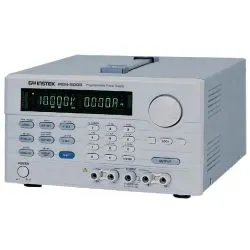 GW instek PSM-6003 Programmable Dual-Range Linear D.C. Power SupplySpecial Price THB 48,400.00 Regular Price THB 60,500.00
Delivery: 30 ต.ค. 2569
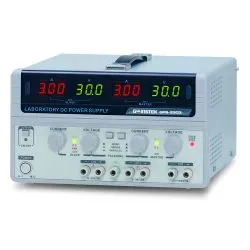 GW instek GPS-3303 Linear D.C. Power SupplySpecial Price THB 16,240.00 Regular Price THB 20,300.00
Delivery: 30 ต.ค. 2569
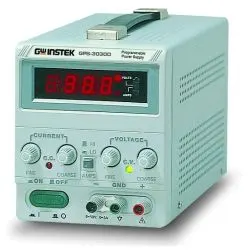 GW instek GPS-1850D Linear D.C. Power SupplySpecial Price THB 10,000.00 Regular Price THB 12,500.00
Delivery: 30 ต.ค. 2569
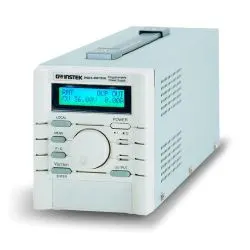 GW instek PSH-2018A Programmable Switching D.C. Power SupplySpecial Price THB 32,560.00 Regular Price THB 40,700.00
Delivery: 30 ต.ค. 2569
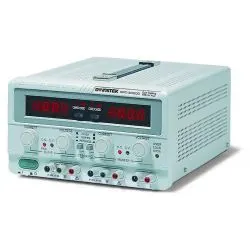 GW instek GPC-6030D Triple Output Linear D.C. Power SupplySpecial Price THB 30,375.00 Regular Price THB 40,500.00
Delivery: 30 ต.ค. 2569
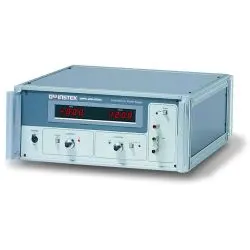 GW instek GPR-16H50D Linear D.C. Power SupplySpecial Price THB 62,080.00 Regular Price THB 77,600.00
Delivery: 30 ต.ค. 2569
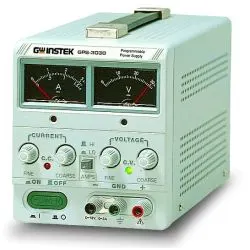 GW instek GPS-3030 Linear D.C. Power SupplySpecial Price THB 6,960.00 Regular Price THB 8,700.00
Delivery: 30 ต.ค. 2569
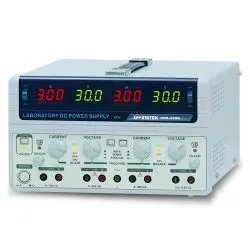 GPS-4303 GW Instek Multiple Output Linear D.C. Power SupplySpecial Price THB 17,520.00 Regular Price THB 21,900.00
Delivery: 30 ต.ค. 2569
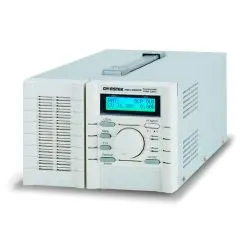 PSH-3620A GW instek Programmable Switching D.C. Power SupplySpecial Price THB 54,000.00 Regular Price THB 67,500.00
Delivery: 30 ต.ค. 2569
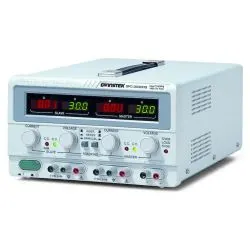 GPC-3030DQ GW instek Triple Output Linear D.C. Power SupplySpecial Price THB 16,960.00 Regular Price THB 21,200.00
Delivery: 30 ต.ค. 2569
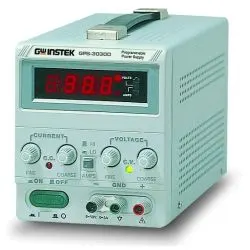 GPS-1830D GW instek Linear D.C. Power SupplySpecial Price THB 10,000.00 Regular Price THB 12,500.00
Delivery: 30 ต.ค. 2569
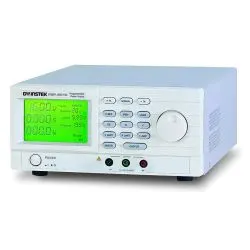 PSP-603 GW instek Programmable Switching D.C. Power SupplySpecial Price THB 16,000.00 Regular Price THB 20,000.00
Delivery: 30 ต.ค. 2569
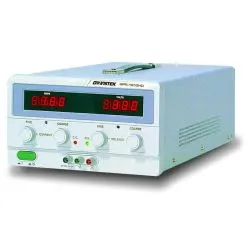 GPR-1810HD GW instek Linear D.C. Power SupplySpecial Price THB 16,000.00 Regular Price THB 20,000.00
Delivery: 30 ต.ค. 2569
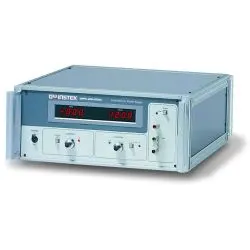 GPR-11H30D GW instek Linear D.C. Power SupplySpecial Price THB 27,440.00 Regular Price THB 34,300.00
Delivery: 30 ต.ค. 2569
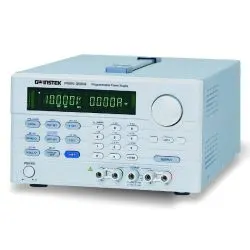 PSM-3004 GW instek Programmable Dual-Range Linear D.C. Power SupplySpecial Price THB 42,800.00 Regular Price THB 53,500.00
Delivery: 30 ต.ค. 2569
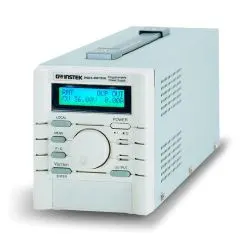 PSH-3610A GW instek Programmable Switching D.C. Power SupplySpecial Price THB 31,600.00 Regular Price THB 39,500.00
Delivery: 30 ต.ค. 2569
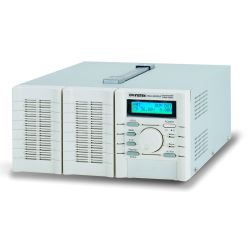 PSH-3630A GW instek Programmable Switching D.C. Power SupplySpecial Price THB 74,480.00 Regular Price THB 93,100.00
Delivery: 30 ต.ค. 2569
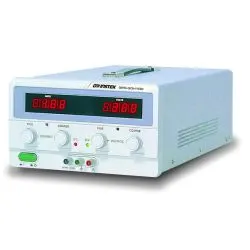 GPR-7550D GW instek Linear D.C. Power SupplySpecial Price THB 28,240.00 Regular Price THB 35,300.00
Delivery: 30 ต.ค. 2569
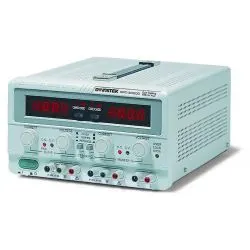 GPC-3060D GW instek Triple Output Linear D.C. Power SupplySpecial Price THB 30,375.00 Regular Price THB 40,500.00
Delivery: 30 ต.ค. 2569
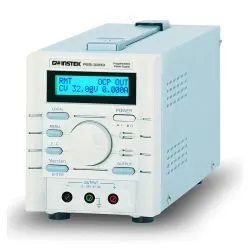 PSS-2005 GW instek Programmable Linear D.C. Power SupplySpecial Price THB 24,400.00 Regular Price THB 30,500.00
Delivery: 30 ต.ค. 2569
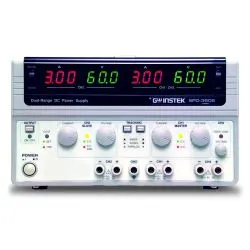 SPD-3606 GW Instek Multiple Output Dual Range D.C. Power SupplySpecial Price THB 35,600.00 Regular Price THB 44,500.00
Delivery: 30 ต.ค. 2569
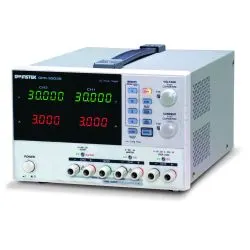 GPD-3303S GW instek Multiple Output Programmable Linear D.C. Power SupplySpecial Price THB 28,800.00 Regular Price THB 36,000.00
Delivery: 30 ต.ค. 2569
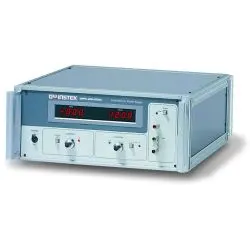 GPR-1850HD GW instek Linear D.C. Power SupplySpecial Price THB 70,640.00 Regular Price THB 88,300.00
Delivery: 30 ต.ค. 2569
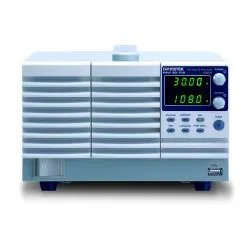 PSW 80-27 GW instek Programmable Switching D.C. Power SupplySpecial Price THB 77,680.00 Regular Price THB 97,100.00
Delivery: 30 ต.ค. 2569
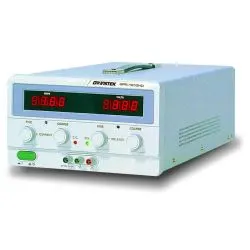 GPR-6030D GW instek Linear D.C. Power SupplySpecial Price THB 15,280.00 Regular Price THB 19,100.00
Delivery: 30 ต.ค. 2569
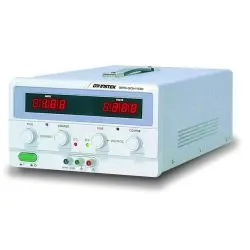 GPR-0830HD GW instek Linear D.C. Power SupplySpecial Price THB 32,560.00 Regular Price THB 40,700.00
Delivery: 30 ต.ค. 2569
What is a Power Supply? Why is it Important in Industrial Work?
A power supply is the core component responsible for providing electricity. Understanding what a power supply is and its importance can help operators and technicians select the right power supply for their work appropriately. This article delves into information from basics to purchasing power supplies, ensuring your electrical system operates at maximum efficiency. For additional consultation on industrial electrical systems, seehere
What is a Power Supply?
A power supply (PSU) or simply referred to as "supply" in technician language, is an electronic device that serves as the primary source of electrical power. It converts AC electricity from main sources (such as household AC 220V) into DC voltage and current suitable for various electronic devices like computers, servers, or industrial machinery. The importance of this equipment lies in providing stable, steady, and sufficient power.
Main Functions of a Power Supply
The primary function of a power supply is to convert and control electrical energy for maximum stability. It starts with the transformer adjusting voltage levels appropriately, followed by diodes converting AC to DC current, which then passes through capacitors filtering out noise signals for smoothest possible output before entering rectifier and regulator circuits to maintain constant output voltage levels, preventing potential damage to sensitive electronic components.
The Importance of Power Supply in Industrial Work
In industrial settings, power supplies play a critical role in production processes by supplying electricity to automatic control systems (PLC), sensors, and drive motors. These must be highly accurate and durable; even minor electrical supply issues can cause machinery downtime with significant productivity losses.
Know the Types and Standards of Power Supply Before Buying
Before purchasing, understanding types and standards of power supplies is crucial. Mainly divided into Linear Power Supplies that offer high current smoothness but are large in size, and Switching Power Supplies with high efficiency, small size, and widespread use today. Additionally, there's the 80 PLUS standard indicating energy conversion efficiency (Energy Efficiency) which helps save electricity costs over time. Knowing these types will help users select power supplies better suited to their needs and usage environments. Learn morehere
Benefits of Power Supply
Power supplies or power sources are crucial components in all electronic systems, not only providing electrical energy but also protecting valuable equipment from damage caused by voltage spikes, drops, or current fluctuations. In today's technology-dependent world, while power supplies may be the most frequently replaced parts due to heavy use and hot environments, investing in high-quality units ensures overall system efficiency, stability, and extended lifespan. Learn more about international standardshere
Protect Equipment from Damage (Protection)
One of the highest benefits is acting as a frontline defense against damage. Good power supplies come with complete protection circuits such as OVP (Over Voltage Protection) for voltage overloads, OCP (Over Current Protection) for current overloads, and SCP (Short Circuit Protection) to prevent short circuits, reducing risks of downstream equipment damage from electrical system abnormalities.
Increase Stability in Operation (Stability)
For high-precision work such as medical devices or CNC machines, having a power supply that provides steady voltage is crucial. High-quality power supplies help equipment operate at full efficiency, reducing malfunctions caused by unstable electricity, which is vital for maintaining production standards.
Extend Equipment Lifespan (Longevity)
Clean and stable power supply reduces stress on internal electronic components of machinery, lowering heat accumulation and extending capacitor and IC lifespans. Investing in high-grade power supplies saves long-term maintenance costs and reduces premature equipment failure risks.
Who Needs a Power Supply?
Whether you're anyone using electrical devices, you need some form of power supply. Requirements vary based on usage such as AC to DC conversion, voltage control, environmental conditions, or power needs. Gamers may require high-efficiency power supplies for new graphics cards while factory operators might need robust systems for harsh environments and scientists may need highly accurate ones for delicate experiments.
When Looking for a Power Supply, Think SCMA!
Reliable electrical systems are the heart of industrial success. If you're looking for high-quality, durable power supplies with international standards, SCMA is ready to provide solutions. We offer various models that meet all needs, supported by expert engineers advising on selection and wattage calculations for optimal performance in real-world applications. Browse our full rangehere
Summary
Power supplies are essential devices converting and supplying electrical power to various electronic equipment, mainly categorized into Linear Power Supplies and Switching Power Supplies with different pros and cons based on usage. Proper selection extends machinery lifespan and reduces electrical risks. For comprehensive energy solutions, contact us for further consultationhere
Frequently Asked Questions
Which PSU Brand is Good and How to Choose?
Choosing a good PSU brand depends on budget and usage. Opt for reputable brands with long warranties, read genuine user reviews focusing on 80 PLUS standards and comprehensive protection systems for peace of mind over the long term.
How to Calculate Power Supply Wattage?
Calculating power supply wattage involves summing up maximum power consumption (TDP) values of all components in a system (like CPU, GPU, HDD), then adding an extra 20-30% as buffer to ensure the PSU operates efficiently without overloading.
What are Symptoms of a Failing Power Supply?
Signs indicating power supply issues include inability to turn on, frequent restarts during heavy use, burning smell or unusual fan noises. Upon noticing these symptoms, immediate inspection or replacement is advised to prevent further damage.
This website uses cookies
We use cookies to make the site work properly, to understand how it is used, and to show content that is relevant to you. You choose which types to allow; strictly necessary cookies are always on. Privacy Policy
🤖 AI Assistant
Ask about products, specs and replacement models
Hello 👋 Ask us anything — find products, compare specs, or troubleshoot.
🗑 Clear history