
SPECIAL PROMOTION — Up to 40% off across many product groups, until 31 December 2026 · Click to see all promotion itemsIFM, Sensor, Automation SystemMeasuring / Testing InstrumentsTemp Indicator, Control, T/C, RTD, TimerHeater, SCR Control, Solid State, Power Supply, Control CabinetField Measuring Instruments, Pressure Gauge, Level Control, Flow MeasurementEMC, Pneumatic, Solenoid ValveInspection Test Lamp, Head Light, Automotive Measuring InstrumentWeighing Scales, Marking Machine, PrintersEducational Training SystemsHot Line Tools & Equipment SPECIAL PROMOTION — Up to 40% off across many product groups, until 31 December 2026 · Click to see all promotion itemsIFM, Sensor, Automation SystemMeasuring / Testing InstrumentsTemp Indicator, Control, T/C, RTD, TimerHeater, SCR Control, Solid State, Power Supply, Control CabinetField Measuring Instruments, Pressure Gauge, Level Control, Flow MeasurementEMC, Pneumatic, Solenoid ValveInspection Test Lamp, Head Light, Automotive Measuring InstrumentWeighing Scales, Marking Machine, PrintersEducational Training SystemsHot Line Tools & Equipment View promotion items View all
Turbine Flow Meter
Turbine Flow Meter: A Comprehensive Guide to Selection and Usage
The Turbine Flow Meter is one of the most popular measuring instruments in industrial plants. If you are looking for a highly accurate flow meter for water or oil at an affordable price, this article will help you understand its working mechanism, how to select specifications that fit your needs, and maintenance techniques to ensure you get a cost-effective flow meter with long-term usability, reducing production downtime (Downtime). Our team of engineers from SCMA is ready to provide consultation and full industrial product care services.
Benefits of Turbine Flow Meter
- High accuracy due to the direct relationship between the rotation of the turbine and the volume of liquid or gas flowing through it.
- Durable and suitable for various environmental conditions.
- Compact size, easy to install, and simple maintenance, making it convenient for use in different situations.
- Available in a variety of sizes and styles to meet the specific needs of various industries.
Usage of Turbine Flow Meter in Various Industries
- Oil and Gas Industry for measuring crude oil, natural gas, and petroleum products flow.
- Chemical Industry for measuring the flow of liquid chemicals and solutions that require high accuracy in production control processes.
- Food and Beverage Industry for measuring water, fruit juice, milk, and other fluid flows during production processes.
- Automotive Industry for measuring fuel oil, lubricating oil, and other liquid flows in manufacturing and testing processes.
- Water Treatment Industry for measuring water flow during treatment processes and wastewater management.
- Power Generation Industry for measuring cooling water, fuel oil, and other liquid flows in power generation systems.
 Turbine Flowmeter : FLC240-50B0M1TGNT1K0WF /DN50(2")/Pulse/No Display, ThreadSpecial Price THB 11,925.00 Regular Price THB 15,900.00
- Turbine Flowmeter : FLC240-25B0M1TGNT1K0WF/DN25(1")/Pulse/No DisplaySpecial Price THB 7,725.00 Regular Price THB 10,300.00
- Turbine Flowmeter : FLC240-50G1M1TGNT1R1WG/DN50(2")/RS485/DisplaySpecial Price THB 26,250.00 Regular Price THB 35,000.00
- Turbine Flowmeter : FLC240-50G1M1TGNT1A1WG/DN50(2")/Two-wire 4-20mA/DisplaySpecial Price THB 21,000.00 Regular Price THB 28,000.00
- Turbine Flowmeter : FLC240-25G1M1TGNT1R1WG/DN25(1")/RS485/DisplaySpecial Price THB 20,625.00 Regular Price THB 27,500.00
- Turbine Flowmeter : FLC240-25G1M1TGNT1A1WG/DN25(1")/Two-wire 4-20mA/DisplaySpecial Price THB 15,375.00 Regular Price THB 20,500.00
- Turbine Flowmeter : FLC240-15B0M1TGNT1K0WF/DN15(1/2")/Pulse/No DisplaySpecial Price THB 7,725.00 Regular Price THB 10,300.00
- Turbine Flow Meter : SG-LWGY-DN50-F-5-S-W-4-H-C-D16Special Price THB 18,825.00 Regular Price THB 25,100.00
- Turbine Flow Meter : SG-LWGY-DN50-E-5-S-W-4-H-C-D16Special Price THB 25,125.00 Regular Price THB 33,500.00
- Turbine Flow Meter : SG-LWGY-050C105SSNN-D16-T2 /DN50(2")Special Price THB 24,750.00 Regular Price THB 33,000.00
Delivery: 30 ต.ค. 2569
- Turbine Flow Meter: SG-LWGY-040C105SSNN-TH-T1 /DN40(1-1/2")/4-20mA,RS485,Pulse /เกลียวG2"Special Price THB 21,375.00 Regular Price THB 28,500.00
- Turbine Flow Meter: SG-LWGY-025N05SSNN-TH-T1 /DN25(1")/Pulse/No Display /เกลียวG1 1/4"Special Price THB 7,650.00 Regular Price THB 10,200.00
- Turbine Flow Meter: SG-LWGY-020C105SSNN-TH-T2 /DN20(3/4")/4-20mA,RS485,Pulse /เกลียวG1"Special Price THB 20,475.00 Regular Price THB 27,300.00
- Turbine Flow Meter : SG-LWGY-015B02SSNN-TH-T1 / DN15(1/2")/Display/No Output/Lithium Battery PowerSpecial Price THB 15,750.00 Regular Price THB 21,000.00
Delivery: 30 ต.ค. 2569
- Turbine Flow Meter: SG-LWGY-015A05SSNN-TH-T3 /DN15(1/2")/4-20mA/No Display /เกลียว G1"Special Price THB 13,275.00 Regular Price THB 17,700.00
- Turbine Flow Meter: SG-LWGY-015C105SSNN-TH-T1 /DN15(1/2")/4-20mA,RS485,Pulse /เกลียวG1"Special Price THB 16,125.00 Regular Price THB 21,500.00
- FLC240 Turbine Flow Meter SUPMEASpecial Price THB 10,500.00 Regular Price THB 14,000.00
- SG-LWGY-200 Turbine Flow Meter SANGISpecial Price THB 59,850.00 Regular Price THB 79,800.00
Delivery: 30 ต.ค. 2569
- SG-LWGY-150 Turbine Flow Meter SANGISpecial Price THB 50,250.00 Regular Price THB 67,000.00
Delivery: 30 ต.ค. 2569
- SG-LWGY-100 Turbine Flow Meter SANGISpecial Price THB 31,275.00 Regular Price THB 41,700.00
- SG-LWGY-080 Turbine Flow Meter SANGISpecial Price THB 29,400.00 Regular Price THB 39,200.00
- SG-LWGY-065 Turbine Flow Meter SANGISpecial Price THB 26,925.00 Regular Price THB 35,900.00
- SG-LWGY-DN50 Turbine Flow Meter SANGISpecial Price THB 29,400.00 Regular Price THB 39,200.00
- SG-LWGY-050 Turbine Flow Meter SANGISpecial Price THB 22,275.00 Regular Price THB 29,700.00
- SG-LWGY-040 Turbine Flow Meter SANGISpecial Price THB 12,225.00 Regular Price THB 16,300.00
- SG-LWGY-032 Turbine Flow Meter SANGISpecial Price THB 19,950.00 Regular Price THB 26,600.00
- SG-LWGY-DN25 Turbine Flow Meter SANGISpecial Price THB 16,575.00 Regular Price THB 22,100.00
Delivery: 30 ต.ค. 2569
- SG-LWGY-025 Turbine Flow Meter SANGISpecial Price THB 21,375.00 Regular Price THB 28,500.00
- SG-LWGY-020 Turbine Flow Meter SANGISpecial Price THB 7,350.00 Regular Price THB 9,800.00
- SG-LWGY-015 Turbine Flow Meter SANGISpecial Price THB 6,900.00 Regular Price THB 9,200.00
- SG-LWGY-010 Turbine Flow Meter SANGISpecial Price THB 12,450.00 Regular Price THB 16,600.00
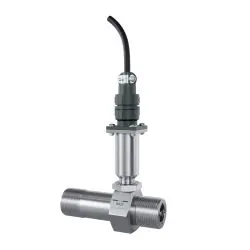 SUPMEA SUP-LWGY Turbine Flow Meter Flange ConnectionSpecial Price THB 7,760.00 Regular Price THB 9,700.00
Delivery: 30 ต.ค. 2569
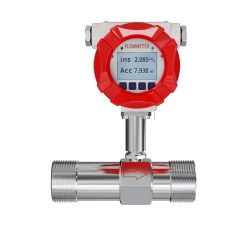 SUPMEA SUP-LWGY Turbine Flow Meter Thread ConnectionSpecial Price THB 20,480.00 Regular Price THB 25,600.00
Delivery: 30 ต.ค. 2569
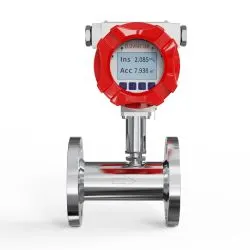 SUPMEA SUP-LWGY Turbine Flow Meter Thread ConnectionSpecial Price THB 26,080.00 Regular Price THB 32,600.00
Delivery: 30 ต.ค. 2569
What is a Turbine Flow Meter?
A Turbine Flow Meter, or turbine flowmeter, is a type of velocity flow meter that measures the rate of fluid flow by utilizing the spinning blades placed perpendicular to the direction of liquid or gas flow within a pipe. The speed at which the blades spin varies directly with the speed of the flowing fluid, allowing for accurate measurement of volume and flow rate.
Definition and Importance in Industry
In production processes requiring knowledge of water consumption or chemical addition, the flow meter is essential to controlling production costs. If measurements are inaccurate, it can lead to material waste or substandard products. Turbine meters are a primary choice for low-viscosity clean liquids due to their high accuracy relative to cost.
Main Components and Functions
The structure of this water flow meter consists of three main parts:
- Housing: A metal pipe (usually stainless steel) with flanges or threads for connecting to the pipeline system.
- Blade Assembly (Rotor/Turbine): Spins due to fluid pressure, mounted on a bearing-supported rotating shaft.
- Pick-up Coil: An instrument that detects blade rotation without contacting the liquid (non-wetted part).
How Does a Turbine Flow Meter Work?
The fundamental principle of Flow meter - What is it? for turbine types centers on "blade speed = fluid flow rate." When liquid flows and hits the blades, the rotor spins, cutting through an external sensor's magnetic field.
How Does Blade Rotation Relate to Flow Rate?
As fluid moves through a pipe, pressure pushes the blades causing them to spin. The higher the water flow, or flow rate, the faster the blades rotate. This relationship is linear within the specified measurement range, ensuring high accuracy.
Converting Blade Rotation Signals into Digital Data (K-Factor)
Each time a blade rotates past the sensor, an electrical signal (pulse) occurs. The number of pulses per unit volume (e.g., 1 liter) is called K-Factor. This value is unique to each meter and comes from calibration. The system uses pulse frequency to calculate flow rate displayed on the screen.
Differences Between Liquid and Gas Measurement
While principles are similar, turbine sensor designs differ due to "density" differences between gas and liquid flows. Gas has less force pushing blades, requiring lightweight blades and low-friction bearings for lower flow rates.
Advantages and Limitations of Turbine Flow Meters You Should Know
Before purchasing a water or oil turbine flow meter, engineers must weigh the pros and cons clearly.
Strengths: High Accuracy, Quick Response, Cost-Effective
- High Accuracy: Typically ±0.5% to ±1.0% of reading.
- Rapid Response Time: Blades respond immediately to flow changes, suitable for batch processes.
- Cheap Price: Compared to Coriolis or Magnetic Flow Meters, it's cost-effective with good specs.
- Durability: Supports high temperatures and pressures (depending on material).
Weaknesses: Sensitive to Impurities, Viscosity Limitations, Straight Pipe Requirement
- Clean Fluids Only: Bearings may be damaged by impurities in the flow meter.
- Inappropriate for High Viscosity Liquids: Viscosity slows blade rotation, leading to inaccurate readings.
- Requires Straight Pipes: Needs straight pipe sections upstream and downstream to reduce fluid swirl before entering the meter.
Turbine Flow Meters Suit Which Applications?
With diverse measurement capabilities, they are seen in various industries.
Water and Wastewater Industry
Mainly used as water meters for clean water, cooling water, or RO water in treatment systems without suspended solids. For more detailed information about Flow Meters for Water Applications, read here.
Oil and Petrochemical Industry
A standard for oil flow meters including diesel, gasoline, various fuels, and mjb gas turbines in power plants due to high accuracy in custody transfer.
Food and Pharmaceutical Industry
Used to measure pure water, alcohol, or low-viscosity beverages. The housing must be 316L stainless steel with sanitary fittings for cleanliness.
Fuel Oil Measurement
Installed to check boiler combustion efficiency or generator fuel flow accurately.
How to Choose the Right Turbine Flow Meter?
Selecting a turbine flow meter involves more than price; it requires engineering suitability. Choosing incorrectly can lead to malfunction or premature failure. Read basic knowledge about Flow Meters.
Fluid Type Consideration
Determine if it's a water, oil, or chemical flow meter. For corrosive chemicals, choose durable materials; for wastewater with solids, avoid turbines.
Flow Range and Pipe Size Selection
Select based on normal flow rate rather than pipe size alone. Aim for 60-70% of the meter's range to extend bearing life.
Required Accuracy
General work ±1.0% is sufficient, but custody transfer may need High Precision ±0.5% or better.
Construction Material Selection
Stainless Steel 304/316: For general water and chemicals; Plastic (PVC/PVDF): For high-corrosion work; Tungsten Carbide: For shafts and bearings for maximum durability.
Desired Output Signal
Local display or remote signals like 4-20mA / Pulse / RS485 to PLC for system control?
Installation and Maintenance for Longevity
To achieve highest accuracy, installation must meet standards.
Installation Precautions (Upstream/Downstream Piping)
The fluid flow should be laminar before entering the meter. Reserve straight pipe sections upstream at least 10 times the pipe diameter and downstream 5 times.
Predictive Maintenance
Turbine meters measuring dirty water or solids cause blade wear; always install a Y-Strainer (filter) ahead of the meter to catch debris.
Calibration Importance
Bearing wear can change K-Factor, so annual calibration is recommended. SCMA offers standard international calibration services.
If You're Looking for a Turbine Flow Meter, Think of SCMA!
Choosing the wrong spec leads to undetermined damage and downtime. SCMA isn't just a seller but your Technical Partner with engineers ready in EEC and North regions to assess real sites, select turbine flow meters fitting your process, and support throughout their lifespan.
Summary
Turbine Flow Meters balance accuracy and cost for clean, low-viscosity liquids and gases. Key is installing filters and selecting the right measurement range. For accurate water meter pricing and engineering advice, contact SCMA's team for free consultation immediately.
Frequently Asked Questions
How Much Does a Turbine Flow Meter Cost?
Pricing varies by pipe size, material, and features (e.g., display). Starting from thousands for small plastic models to tens of thousands for industrial-grade stainless steel versions.
What Sets It Apart From Other Types of Flow Meters?
Turbine meters focus on clean fluids at a low cost with high accuracy. Unlike Magnetic Flow Meters that measure wastewater but are pricier, or Coriolis which measures mass directly but costs much more.
Is Installing a Strainer Necessary?
Vital if fluid contains dust, powder, or solids; otherwise, blades may jam or bearings break leading to inaccurate readings or meter damage.
This website uses cookies
We use cookies to make the site work properly, to understand how it is used, and to show content that is relevant to you. You choose which types to allow; strictly necessary cookies are always on. Privacy Policy
🤖 AI Assistant
Ask about products, specs and replacement models
Hello 👋 Ask us anything — find products, compare specs, or troubleshoot.
🗑 Clear history