
SPECIAL PROMOTION — Up to 40% off across many product groups, until 31 December 2026 · Click to see all promotion itemsIFM, Sensor, Automation SystemMeasuring / Testing InstrumentsTemp Indicator, Control, T/C, RTD, TimerHeater, SCR Control, Solid State, Power Supply, Control CabinetField Measuring Instruments, Pressure Gauge, Level Control, Flow MeasurementEMC, Pneumatic, Solenoid ValveInspection Test Lamp, Head Light, Automotive Measuring InstrumentWeighing Scales, Marking Machine, PrintersEducational Training SystemsHot Line Tools & Equipment SPECIAL PROMOTION — Up to 40% off across many product groups, until 31 December 2026 · Click to see all promotion itemsIFM, Sensor, Automation SystemMeasuring / Testing InstrumentsTemp Indicator, Control, T/C, RTD, TimerHeater, SCR Control, Solid State, Power Supply, Control CabinetField Measuring Instruments, Pressure Gauge, Level Control, Flow MeasurementEMC, Pneumatic, Solenoid ValveInspection Test Lamp, Head Light, Automotive Measuring InstrumentWeighing Scales, Marking Machine, PrintersEducational Training SystemsHot Line Tools & Equipment View promotion items View all
Flow sensors meters
What are Flow Sensors Meters?
Flow sensors meters are sensors used to measure the flow of fluids or control the rate of fluid and gas flow within pipes. They can be used in both mechanical and electrical systems, allowing for the measurement of physical properties of fluids and calculating flow as needed.
The benefits of this type of sensor include measuring and controlling the flow rate of liquids or gases, detecting leaks, detecting blockages, and measuring mass flow. They provide accurate values that can be used across various industries. The types of Flow sensors are as follows:
Types of Flow Sensors Meters
- Flow sensors meters for differential pressure measurement, used to measure flow rate by measuring the difference in pressure within the pipe.
- Mass flow heat flow sensors meters, used to measure mass heat flow rates in systems.
- Flow rate measurement flow sensors meters, used to measure the flow rate of liquids or gases in pipes.
- Oval gear type flow sensors meters, used to measure flow rates using oval gear adjustments.
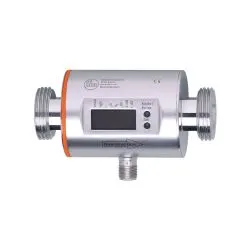 SM0504 \ effector 300 \ Flow sensors \ SMR11GGX50KG/US100 \ DESpecial Price THB 38,475.00 Regular Price THB 51,300.00
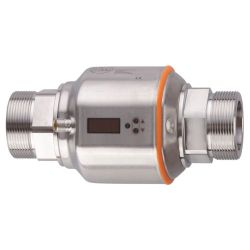 SM2001 \ efector 300 \ Flow sensor \SMR21XGXFRKG/US \ DESpecial Price THB 45,900.00 Regular Price THB 61,200.00
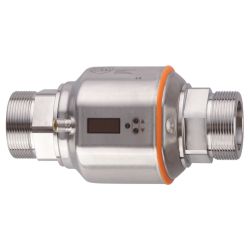 SM2004 \ effector 300 \ Flow sensors \ SMR21XGX50KG/US \ DESpecial Price THB 46,575.00 Regular Price THB 62,100.00
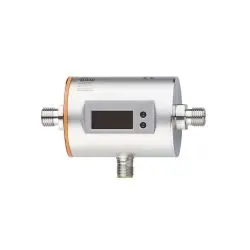 SM4000 \ efector 300 \ Flow sensor \ SMR14DXXFRKG/US-100 \ DESpecial Price THB 30,300.00 Regular Price THB 40,400.00
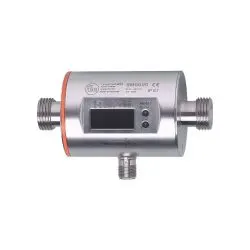 SM6004 \ efector 300 \ Flow sensors \ SMR12GGX50KG/US-100 \ DESpecial Price THB 28,950.00 Regular Price THB 38,600.00
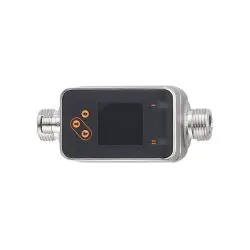 SM6020 \ effector 300 \ Flow sensors \ SMR12XGXFRKG/US-100 \ DE \Special Price THB 26,700.00 Regular Price THB 35,600.00
 SM6100 \ efector 300 \ Flow sensor \ SMR12GGXFRKG/US-100 \ DESpecial Price THB 28,725.00 Regular Price THB 38,300.00
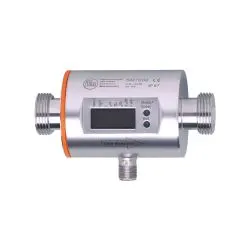 SM7004 \ effector 300 \ Flow sensors \ SMR34GGX50KG/US100 \ DESpecial Price THB 33,450.00 Regular Price THB 44,600.00
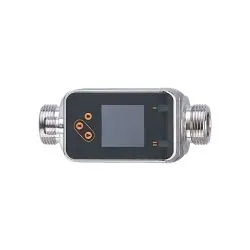 SM7020 \ effector 300 \ Flow sensors \ SMR34XGXFRKG/US-100 \ DE \Special Price THB 30,750.00 Regular Price THB 41,000.00
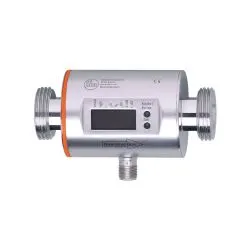 SM8004 \ efector 300 \ Flow sensors \ SMR11GGX50KG/US100 \ DESpecial Price THB 38,475.00 Regular Price THB 51,300.00
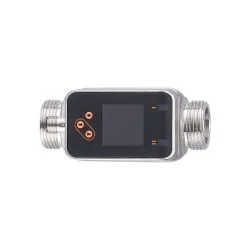 SM8020 \ effector 300 \ Flow sensors \ SMR11XGXFRKG/US-100 \ DE \Special Price THB 35,550.00 Regular Price THB 47,400.00
 SM8100 \ efector 300 \ Flow sensor \ SMR11GGXFRKG/US-100 \ DESpecial Price THB 38,175.00 Regular Price THB 50,900.00
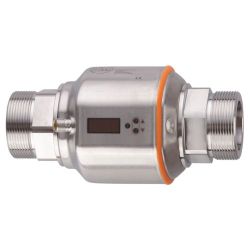 SM9100 \ efector 300 \ Flow sensor \SMR21XGXFRKG/US \ DESpecial Price THB 40,125.00 Regular Price THB 53,500.00
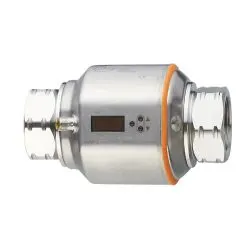 SM9400 \ effector 300 \ Flow sensors \ SMK32XGXFRKG/US-100 \ DESpecial Price THB 40,125.00 Regular Price THB 53,500.00
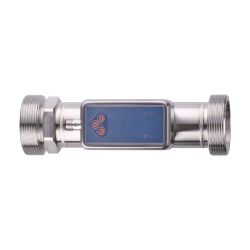 SU2030 \ efector 300 \ Flow sensors \ SUR21XFBFRKG/USSpecial Price THB 31,725.00 Regular Price THB 42,300.00
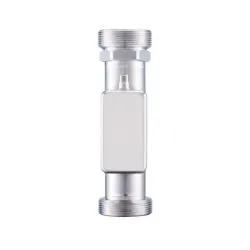 SU2050 \ efector 300 \ Flow sensor \ SUR21XJBFRKG/USSpecial Price THB 31,725.00 Regular Price THB 42,300.00
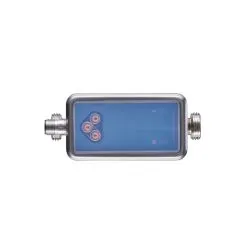 SU6020 \ efector 300 \ Flow sensors \ SUR12XXBFRKG/US \ US \Special Price THB 22,125.00 Regular Price THB 29,500.00
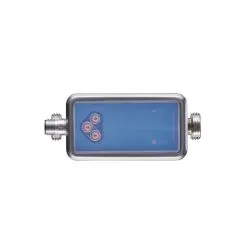 SU6030 \ efector 300 \ Flow sensors \ SUR12XFBFRKG/US \ US \Special Price THB 24,750.00 Regular Price THB 33,000.00
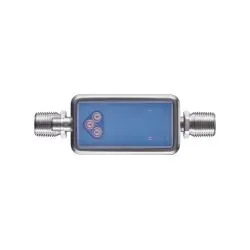 SU6621 \ efector 300 \ Flow sensors \ SUN12XXBFRKG/US \ US \Special Price THB 22,125.00 Regular Price THB 29,500.00
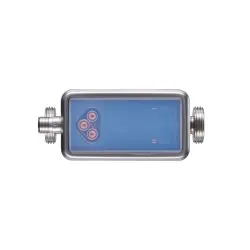 SU7020 \ effector 300 \ Flow sensors \ SUR34XXBFRKG/USSpecial Price THB 23,325.00 Regular Price THB 31,100.00
 SU8030 \ effector 300 \ Flow sensors \ SUR11XFBFRKG/USSpecial Price THB 27,075.00 Regular Price THB 36,100.00
 SU9020 \ efector 300 \ Flow sensors \ SUR54XXBFRKG/USSpecial Price THB 25,725.00 Regular Price THB 34,300.00
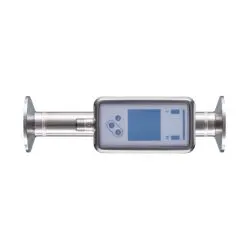 SUH200 \ efector 300 \ Flow sensors \ SUC25IJBFRKG \ USSpecial Price THB 33,375.00 Regular Price THB 44,500.00
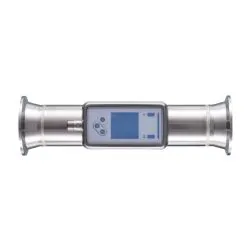 SUH400 \ efector 300 \ Flow sensors \ SUC50IJBFRKG \ USSpecial Price THB 38,175.00 Regular Price THB 50,900.00
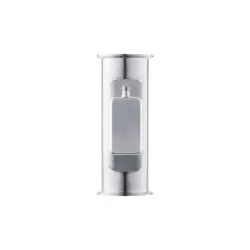 SUH601 \ effector 300 \ Flow sensors \ SUC80XJBFRKG/USSpecial Price THB 55,575.00 Regular Price THB 74,100.00
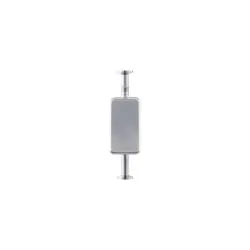 SUH801 \ effector 300 \ Flow sensors \ SUC20XJBFRKG/USSpecial Price THB 31,425.00 Regular Price THB 41,900.00
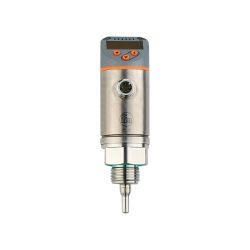 SA2000 \ efector 300 \ Flow sensor \ SAR12XDBFRKG/US-100 \ DESpecial Price THB 16,950.00 Regular Price THB 22,600.00
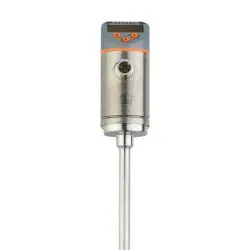 SA4110 \ effector 300 \ Flow sensors \ SAEXXXXBFRKG/US-100 \ DESpecial Price THB 17,175.00 Regular Price THB 22,900.00
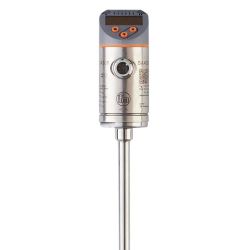 SA4300 \ efector 300 \ Flow sensor \ SAEXXXXBFRKG/US-100 \ DESpecial Price THB 17,775.00 Regular Price THB 23,700.00
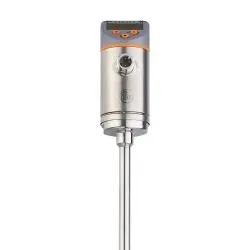 SA4304 \ efcator 300 \ Flow sensors \ SAEXXXXB50KG/US-100 \ DESpecial Price THB 17,925.00 Regular Price THB 23,900.00
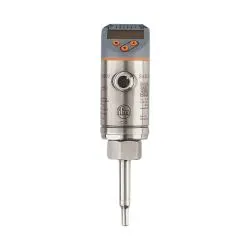 SA5000 \ effector 300 \ Flow sensors \ SAD10XDBFRKG/US-100 \ DESpecial Price THB 16,575.00 Regular Price THB 22,100.00
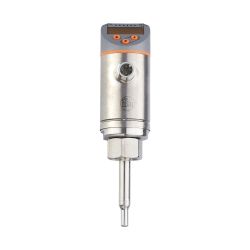 SA5004 \ efector 300 \ Flow sensors \ SAD10XDB50KG/US-100 \ DESpecial Price THB 16,725.00 Regular Price THB 22,300.00
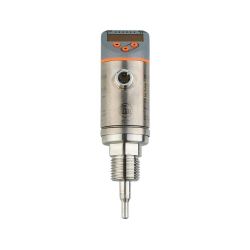 SA6010 \ efector 300 \ Flow sensor \SAN12XDBFRKG/US-100 \ DESpecial Price THB 16,950.00 Regular Price THB 22,600.00
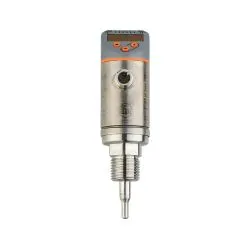 SA6014 \ efector 300 \ Flow sensors \ SAN12XDB50KG/US-100 \ DESpecial Price THB 17,400.00 Regular Price THB 23,200.00
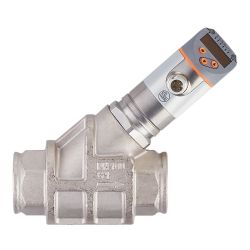 SB1246 \ effector 300 \ Flow sensors \ SBG11KL0FRKG \ DESpecial Price THB 21,150.00 Regular Price THB 28,200.00
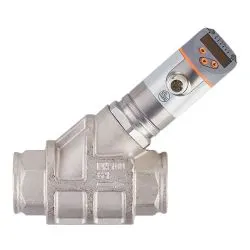 SB4243 \ effector 300 \ Flow sensors \ SBG11KL0FRKG \ DESpecial Price THB 21,150.00 Regular Price THB 28,200.00
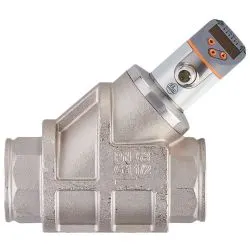 SB4256 \ effector 300 \ Flow sensors \ SBG32KM0FRKG \ DESpecial Price THB 24,600.00 Regular Price THB 32,800.00
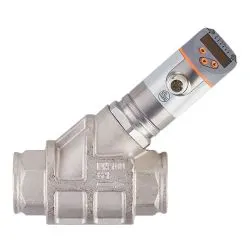 SB5242 \ effector 300 \ Flow sensors \ SBG11KL0FRKG \ DESpecial Price THB 21,150.00 Regular Price THB 28,200.00
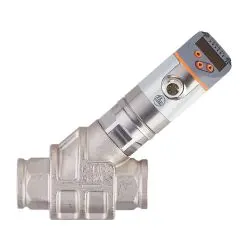 SB9232 \ effector 300 \ Flow sensors \ SBG34KL0FRKG \ DESpecial Price THB 17,400.00 Regular Price THB 23,200.00
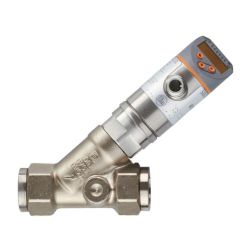 SBG232 \ efector 300 \ Flow sensor \SBG12IF0FRKG \ DESpecial Price THB 15,375.00 Regular Price THB 20,500.00
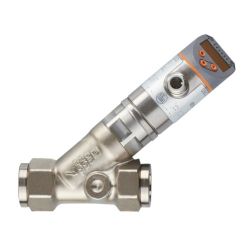 SBG233 \ efector 300 \ Flow sensor \SBG12IF0FRKG \ DESpecial Price THB 15,375.00 Regular Price THB 20,500.00
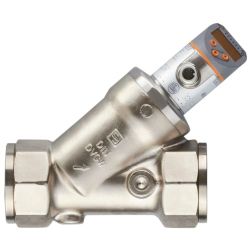 SBG257 \ efector 300 \ Flow sensor \SBG54IF0FRKG \ DESpecial Price THB 22,050.00 Regular Price THB 29,400.00
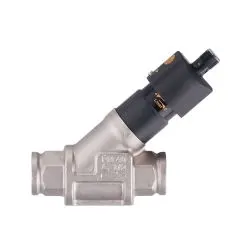 SBG332 \ effector 300 \ Flow sensors \ SBG34BF0BPKG/US \ DESpecial Price THB 12,675.00 Regular Price THB 16,900.00
 SBY232 \ effector 300 \ Flow sensors \ SBY34IF0FRKG \ DESpecial Price THB 14,625.00 Regular Price THB 19,500.00
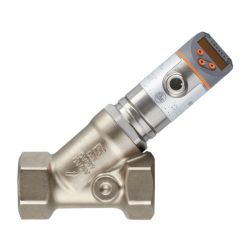 SBY246 \ efector 300 \ Flow sensor \ SBY11IF0FRKG \ DESpecial Price THB 15,975.00 Regular Price THB 21,300.00
Delivery: 30 ต.ค. 2569
 SBY321 \ effector 300 \ Flow sensors \ SBY12IR0BPKG/US \ DESpecial Price THB 11,250.00 Regular Price THB 15,000.00
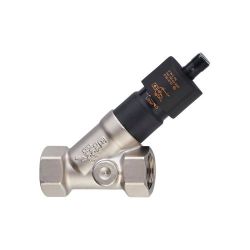 SBY333 \ efector 300 \ Flow sensor \ SBY34BF0BPKG/US \ DESpecial Price THB 12,075.00 Regular Price THB 16,100.00
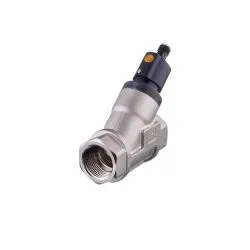 SBY346 \ effector 300 \ Flow sensors \ SBY11BF0BPKG/US \ DESpecial Price THB 13,500.00 Regular Price THB 18,000.00
Flow Sensors & Meters
Are you facing measurement errors that affect production quality, or worried about fluid leaks in the system that are hard to detect? As a leading technical partner, SCMA is ready to deliver high-quality flow measuring instruments and flow sensors and meters, selected from world-class brands specifically to solve the problems on your site. This article will help you understand the sensor types, how to choose, and how to improve production efficiency with the most modern measuring technology.
What Are Flow Sensors & Meters?
Flow sensors and meters are sensors used to measure the flow of a fluid, or to control the flow rate of liquids and gases inside a pipe accurately. They can work through both mechanical and electrical sub-systems, detecting changes in the physical characteristics of the fluid and calculating the required flow value. If you would like to get to know flow meters better in order to choose correctly, these devices let operators detect leaks and blockages and measure the mass of a substance effectively across many industries.
Types of Flow Sensors & Meters
For the most effective measurement, it is important to choose the type of flow measuring instrument that suits the medium. Here we summarise the main types widely used in industry:
- Differential pressure flow sensors and meters: Measure flow rate using the principle of pressure difference within the pipe, suited to applications that demand high durability
- Thermal mass flow sensors and meters: Designed to measure thermal mass flow rate in the system, particularly for gases sensitive to temperature
- Volumetric flow sensors and meters: The basic instrument for measuring the volumetric flow of liquid or gas in a pipe, giving stable and dependable values
- Oval gear flow sensors and meters: Used to measure the flow of highly viscous media using the movement of oval gears, for the highest level of accuracy
Choosing Flow Sensors & Meters
Choosing a flow sensor that suits the site requires consideration of several engineering factors so the investment gives the best value. The SCMA team summarises the key points engineers should consider before deciding to buy a flow measuring instrument:
Water Flow Meters for Plumbing and Cooling Systems
For general water measurement in industrial plants or cooling systems, choosing a water flow meter that resists scale and basic corrosion will extend the equipment's service life and give consistent readings. You can study more about water flow meters for correct maintenance.
Gas Flow Meters for Gas and Compressed Air Measurement
In systems that must measure the flow of gas or compressed air, a gas flow meter is the most suitable instrument, because it is designed to compensate for frequently changing pressure and temperature, letting you control energy costs in the compressed air system accurately. The vortex flow meter is another highly popular choice for this kind of work.
Mass Flow Meters for the Highest Accuracy
If your production process requires fine resolution — in the food or pharmaceutical industries, for example — using a mass flow meter to measure mass directly reduces errors caused by changes in fluid density, giving consistent product quality to standard.
Benefits of Installing Flow Sensors & Meters
Choosing a high-quality sensor not only gives accurate values, it also benefits the underlying structure of the control system in the long term. The outstanding benefits are:
Durability in Harsh Industrial Environments
The equipment we select withstands vibration, chemicals and high temperatures, reducing premature failure and letting the production process continue without concern.
Easy Connection to Automatic Control Systems
Modern sensors support both digital and analogue signal transmission, so values can be processed immediately in a PLC or SCADA system, making real-time data monitoring from the control room more convenient.
Lower Maintenance and Repair Costs
With modern measuring technology and no moving parts in some models, wear is reduced and the calibration interval extended, clearly lowering the plant's operating cost (OPEX).
Accuracy That Reduces Losses in the Production Process
Accurate measurement lets you control raw material quantities precisely, reduces unnecessary waste of resources, and makes production efficiency analysis (OEE) far more dependable.
Installing and Maintaining Flow Sensors & Meters
So that your flow meter works at full efficiency and lasts a long time, the SCMA engineering team recommends these important care steps to keep flow measurement smooth and as accurate as possible:
- Install in a suitable position: Fit it where there is a straight run of pipe both upstream and downstream as specified, to reduce turbulence that could distort the reading
- Check the sensor is clean: Check regularly for blockages or scale, particularly when using an industrial water flow meter where contaminants may build up around the measuring element
- Calibrate on schedule: To maintain the accuracy standard, send the device for calibration by an accredited laboratory every year as required by the ISO system
Buy Flow Sensors & Meters from a Professional Distributor
Buying flow measuring equipment does not end with receiving the goods — it means receiving a solution that genuinely works. SCMA supports you at every stage:
- Consultation by specialist engineers: We help you analyse the site to choose the type of flow sensor or meter, or accessories such as a flow switch, that best suits your budget and technical requirements
- Stock ready to ship, with a full range of spares: We hold stock from leading brands so you do not have to wait, reducing the risk of a production stoppage
- Complete after-sales service: From installation guidance and parameter setting through to maintenance, by technicians trained directly by the brand owner
Interested in Flow Sensors & Meters? Order from SCMA Today!
Choosing accurate measuring technology is a key factor in raising competitiveness in the Industry 4.0 era. SCMA is ready to supply flow measuring instruments and engineering services that meet the needs of Thai engineers and operators. We focus on delivering high-quality products that reduce the difficulty of integrating systems yourself, so you can concentrate fully on developing your core business with confidence in every measured value.
Summary
Installing flow sensors and meters and flow measuring instruments that meet the standard is a worthwhile investment for quality control and long-term cost reduction in any plant. Whether you choose a flow meter for water, gas or mass, the accuracy you gain will greatly raise the reliability of your production process. If you want a solution proven on real sites, the SCMA engineering team is ready to be the partner that drives your business forward with superior technology.
Frequently Asked Questions
What is a flow meter and why does it matter?
It is a device that measures the quantity or rate of fluid flow in a pipe. It matters for controlling raw material proportions, checking machine efficiency and controlling production costs.
How do I know which type of flow meter to choose?
You must consider the type of fluid (liquid or gas), viscosity, temperature, pressure and the size of the pipe it will be fitted to. You can ask SCMA engineers for advice to be sure.
Why have readings from my flow sensors and meters started to drift?
The most common causes are scale build-up on the sensor, installation at a point where air is entrained in the pipe, or the device reaching the point where it needs recalibration.
How is an ultrasonic flow meter better than a magnetic one?
The ultrasonic type can be fitted from outside the pipe without cutting into it (non-invasive), making it suitable where the system cannot be shut down. The magnetic type suits conductive liquids and offers high stability at better value.
Does SCMA also offer flow meter installation services?
We have engineers and technicians ready to advise, design the system and recommend the correct installation method, to be sure the customer obtains the most accurate readings.
This website uses cookies
We use cookies to make the site work properly, to understand how it is used, and to show content that is relevant to you. You choose which types to allow; strictly necessary cookies are always on. Privacy Policy
🤖 AI Assistant
Ask about products, specs and replacement models
Hello 👋 Ask us anything — find products, compare specs, or troubleshoot.
🗑 Clear history