
SPECIAL PROMOTION — Up to 40% off across many product groups, until 31 December 2026 · Click to see all promotion itemsIFM, Sensor, Automation SystemMeasuring / Testing InstrumentsTemp Indicator, Control, T/C, RTD, TimerHeater, SCR Control, Solid State, Power Supply, Control CabinetField Measuring Instruments, Pressure Gauge, Level Control, Flow MeasurementEMC, Pneumatic, Solenoid ValveInspection Test Lamp, Head Light, Automotive Measuring InstrumentWeighing Scales, Marking Machine, PrintersEducational Training SystemsHot Line Tools & Equipment SPECIAL PROMOTION — Up to 40% off across many product groups, until 31 December 2026 · Click to see all promotion itemsIFM, Sensor, Automation SystemMeasuring / Testing InstrumentsTemp Indicator, Control, T/C, RTD, TimerHeater, SCR Control, Solid State, Power Supply, Control CabinetField Measuring Instruments, Pressure Gauge, Level Control, Flow MeasurementEMC, Pneumatic, Solenoid ValveInspection Test Lamp, Head Light, Automotive Measuring InstrumentWeighing Scales, Marking Machine, PrintersEducational Training SystemsHot Line Tools & Equipment View promotion items View all
Position sensors
What are Position Sensors?
Position sensors are devices that detect the position of an object, allowing for precise spatial or movement data to be identified. They are widely used in industries and manufacturing processes where the control of component movement is required, as well as for detailed distance measurements, to ensure maximum production efficiency.
Types of Position Sensors
- Potentiometric Sensors use electrical resistance principles to measure position. They are commonly used for linear and angular positioning measurements, suitable for applications that do not require extremely high accuracy.
- Encoders come in two main types: linear and rotary. They use digital signal reading to detect position and are primarily used in industrial robots and CNC machines.
- Linear Variable Differential Transformers (LVDT) utilize electromagnetic induction to detect linear positional changes, sending continuous electrical signals. They are ideal for high-precision applications.
- Hall Effect Sensors use magnetic fields to detect position by sensing changes in magnetic force to identify object location. They offer high accuracy and durability in dusty or wet environments.
- Optical Sensors use light for positioning detection, often employing lasers or LEDs with photoreceptors to detect position changes or movement. Suitable for long-distance measurements requiring high accuracy.
- Ultrasonic Sensors use high-frequency sound waves to measure distance or object movement, ideal for detecting in areas that cannot be reached by touch.
- Capacitive Sensors work on the principle of changing electrical capacitance according to position or distance. They are commonly used for metal object detection and high-precision distance measurements.
- Magnetostrictive Sensors use changes in magnetic force to detect movement or distance, popular in hydraulic systems and position measurement in high-impact environments.
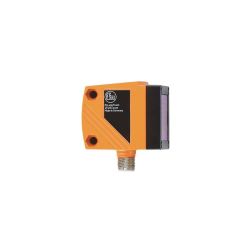 O1D300 \ efector 220 \ PMD \ O1DLF3KG/IO-LINK \ DESpecial Price THB 16,425.00 Regular Price THB 21,900.00
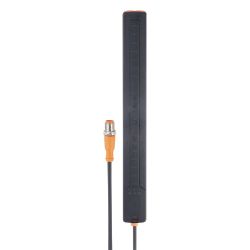 KQ1001 \ effector 150 \ Capacitive sensors \ KQ-5xxxNFPKG/IO/0,1M/US \ DE \Special Price THB 10,050.00 Regular Price THB 13,400.00
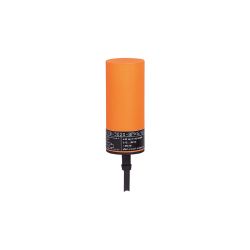 KB0025 \ effector 150 \ Capacitive sensors \ KB-2020-ABOA/NI \ DE \Special Price THB 7,800.00 Regular Price THB 10,400.00
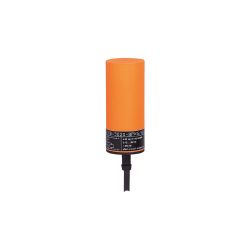 KB0041 \ effector 150 \ Capacitive sensors \ KB-2020-ABOA/NI RT \ DE \Special Price THB 8,550.00 Regular Price THB 11,400.00
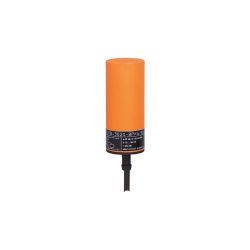 KB5004 \ efector 150 \ Capacitive sensor \ KB-3020-BPKG/NI \ DESpecial Price THB 5,700.00 Regular Price THB 7,600.00
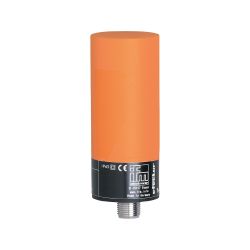 KB5062 \ effector 150 \ Capacitive sensors \ KB-3020-BPKG/NI/US-100-DPS \ DE \Special Price THB 5,775.00 Regular Price THB 7,700.00
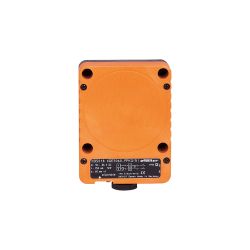 KD0009 \ effector 150 \ Capacitive sensors \ KDE2060-FBOA/NI \ DESpecial Price THB 11,850.00 Regular Price THB 15,800.00
Delivery: 30 ต.ค. 2569
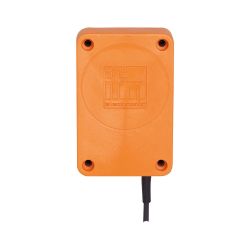 KD0012 \ effector 150 \ Capacitive sensors \ KD-2060-ABOA/NI \ DE \Special Price THB 11,700.00 Regular Price THB 15,600.00
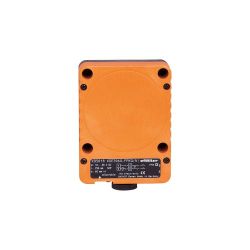 KD5018 \ efector 150 \ Capacitive sensor \ KDE3060-FPKG/NI \ DESpecial Price THB 10,275.00 Regular Price THB 13,700.00
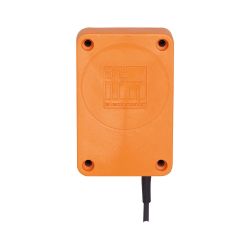 KD5022 \ effector 150 \ Capacitive sensors \ KD-3060-BPKG/NI \ DE \Special Price THB 9,900.00 Regular Price THB 13,200.00
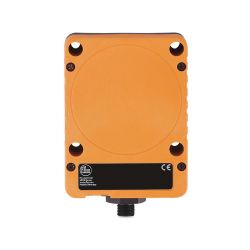 KD5044 \ effector 150 \ Capacitive sensors \ KDE3060-BPKG/NI/US-100-DPS \ DESpecial Price THB 10,275.00 Regular Price THB 13,700.00
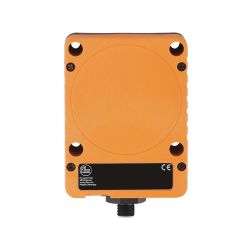 KD5039 \ effector 150 \ Capacitive sensors \ KDE3060-FPKG/NI/US-100-KPF \ DESpecial Price THB 10,800.00 Regular Price THB 14,400.00
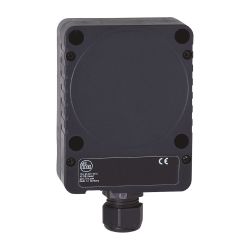 KD501A \ effector 150 \ Capacitive sensors \ KDE3060-FPKG/NI/3D \ DESpecial Price THB 11,550.00 Regular Price THB 15,400.00
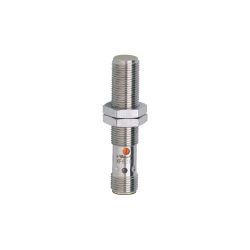 KF5001 \ efector 150 \ Capacitive sensor \ KFA3040BBPKG/NI/US \ DESpecial Price THB 4,950.00 Regular Price THB 6,600.00
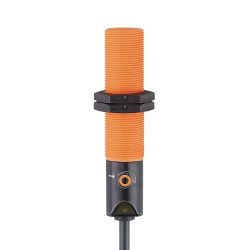 KG0010 \ effector 150 \ Capacitive sensors \ KG-2008-BBOA/NI \ DE \Special Price THB 7,500.00 Regular Price THB 10,000.00
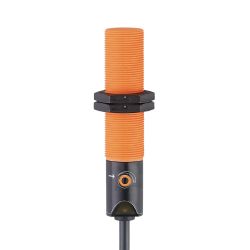 KG5043 \ effector 150 \ Capacitive sensors \ KG-3008-BPKG/NI \ DE \Special Price THB 6,000.00 Regular Price THB 8,000.00
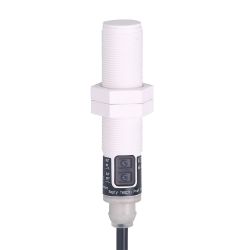 KG5069 \ effector 150 \ Capacitive sensors \ KG-3080NFPKGS2T \ DE \Special Price THB 4,950.00 Regular Price THB 6,600.00
Delivery: 30 ต.ค. 2569
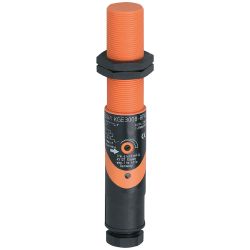 KG5041 \ effector 150 \ Capacitive sensors \ KGE3008-BPKG/NI \ DE \Special Price THB 6,150.00 Regular Price THB 8,200.00
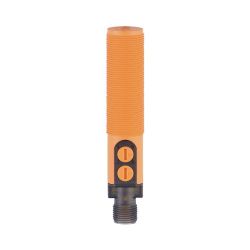 KG6000 \ efector 150 \ Capacitive sensor \ KG-3150NFPKG/PL/2P/US/IO \ DESpecial Price THB 4,575.00 Regular Price THB 6,100.00
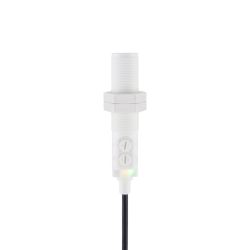 KG6015 \ effector 150 \ Capacitive sensors \ KG-3150NFPKG/PL/2P/IO \ DE \Special Price THB 4,425.00 Regular Price THB 5,900.00
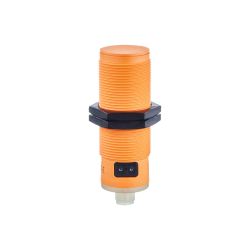 KI0054 \ effector 150 \ Capacitive sensors \ KI-2200NFBOAP2T/LS100 \ DE \Special Price THB 5,550.00 Regular Price THB 7,400.00
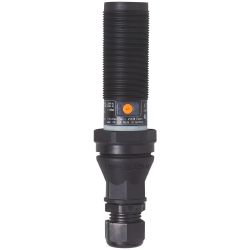 KI000A \ effector 150 \ Capacitive sensors \ KIE2150NFBOA/3D \ DE \Special Price THB 9,000.00 Regular Price THB 12,000.00
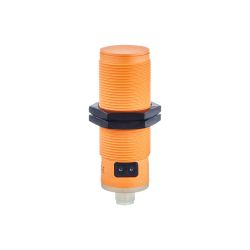 KI0058 \ effector 150 \ Capacitive sensors \ KI-2200NFBOAP2T/LS100 \ DE \Special Price THB 5,550.00 Regular Price THB 7,400.00
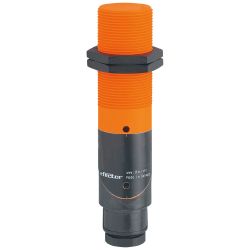 KI0205 \ effector 150 \ Capacitive sensors \ KIE2015-FBOA/NI RT \ DESpecial Price THB 7,425.00 Regular Price THB 9,900.00
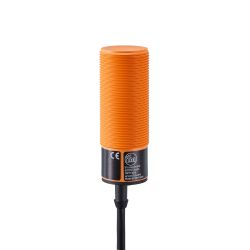 KI0020 \ effector 150 \ Capacitive sensors \ KI-2015-BBOA/NI \ DE \Special Price THB 7,200.00 Regular Price THB 9,600.00
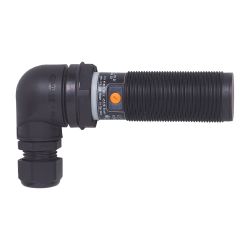 KI001A \ effector 150 \ Capacitive sensors \ KIE2150NFBOA/3D \ DESpecial Price THB 9,000.00 Regular Price THB 12,000.00
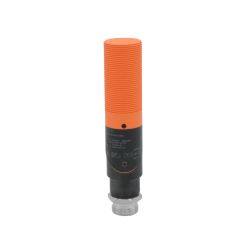 KI3517 \ effector 150 \ Capacitive sensors \ KI-2015-ABOA/NI/7"AMP \ DE \Special Price THB 8,250.00 Regular Price THB 11,000.00
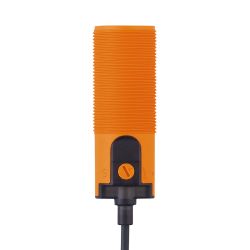 KI5304 \ effector 150 \ Capacitive sensors \ KI-3150QAPKG/SL/1P/IO \ DE \Special Price THB 3,825.00 Regular Price THB 5,100.00
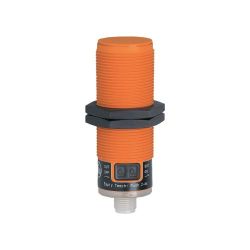 English name: KI5082 \ efector 150 \ Capacitive sensor \KI-3200NFAKGP2T/US \ DESpecial Price THB 5,250.00 Regular Price THB 7,000.00
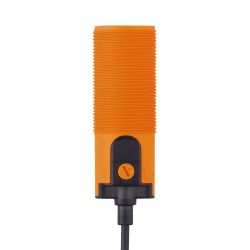 KI5301 \ effector 150 \ Capacitive sensors \ KI-3250NAPKG/SL/1P/IO \ DE \Special Price THB 3,825.00 Regular Price THB 5,100.00
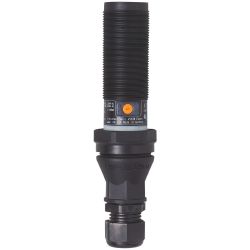 KI503A \ effector 150 \ Capacitive sensors \ KIE4150NCPKG/3D \ DE \Special Price THB 6,150.00 Regular Price THB 8,200.00
Delivery: 30 ต.ค. 2569
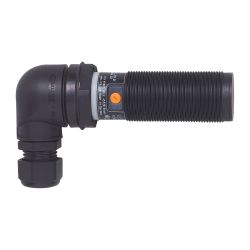 KI505A \ effector 150 \ Capacitive sensors \ KIE4150NCPKG/3D \ DE \Special Price THB 6,150.00 Regular Price THB 8,200.00
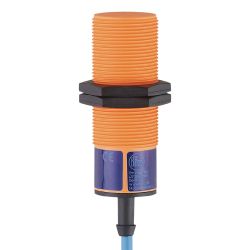 KI5031 \ effector 150 \ Capacitive sensors \ KI-2015-N/NI/6M/1D/1G \ DE \Special Price THB 5,400.00 Regular Price THB 7,200.00
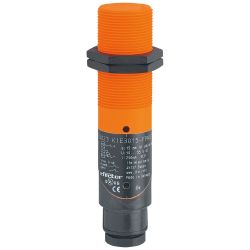 KI5023 \ effector 150 \ Capacitive sensors \ KIE3015-FPKG/NI/55V \ DE \Special Price THB 5,400.00 Regular Price THB 7,200.00
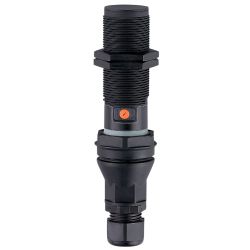 KI530A \ effector 150 \ Capacitive sensors \ KIE4150NCPKG/IO/3D \ DE \Special Price THB 6,075.00 Regular Price THB 8,100.00
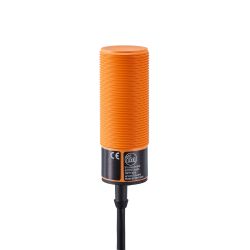 KI5209 \ effector 150 \ Capacitive sensors \ KI-3015-FPKG/NI/0,10M/PH/US100 \ DE \Special Price THB 6,225.00 Regular Price THB 8,300.00
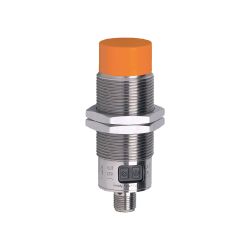 KI5087 \ effector 150 \ Capacitive sensors \ KIA3150NFPKG/2T/US \ DE \Special Price THB 5,550.00 Regular Price THB 7,400.00
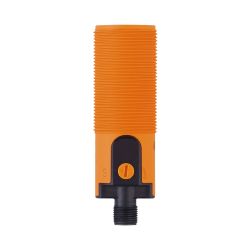 KI5306 \ effector 150 \ Capacitive sensors \ KI-3250NANKG/SL/1P/US/IO \ DE \Special Price THB 3,825.00 Regular Price THB 5,100.00
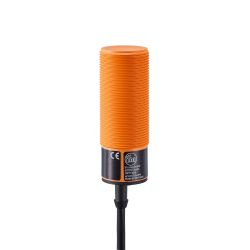 KI5019 \ effector 150 \ Capacitive sensors \ KI-3015-BNKG/NI \ DE \Special Price THB 5,400.00 Regular Price THB 7,200.00
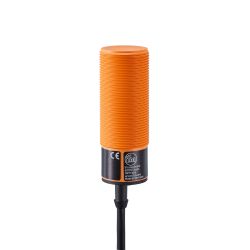 KI5015 \ effector 150 \ Capacitive sensors \ KI-3015-ANKG/NI \ DE \Special Price THB 5,400.00 Regular Price THB 7,200.00
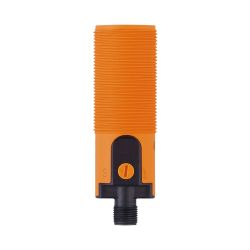 KI5310 \ effector 150 \ Capacitive sensors \ KI-3150QAPKG/SL/1P/US/IO \ DE \Special Price THB 3,825.00 Regular Price THB 5,100.00
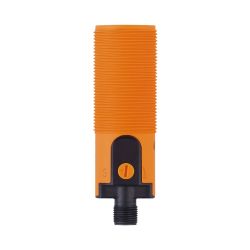 KI5309 \ efector 150 \ Capacitive sensors \ KI-3250NBPKG/SL/1P/US/IO \ DE \Special Price THB 3,825.00 Regular Price THB 5,100.00
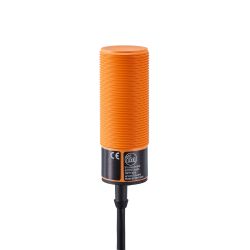 KI5001 \ effector 150 \ Capacitive sensors \ KI-3015-APKG/NI \ DE \Special Price THB 5,400.00 Regular Price THB 7,200.00
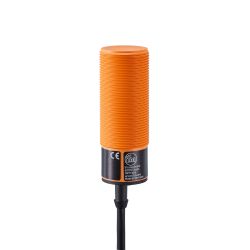 KI5207 \ efector 150 \ Capacitive sensors \ KI-3015-FPKG/NI RT \ DE \Special Price THB 5,700.00 Regular Price THB 7,600.00
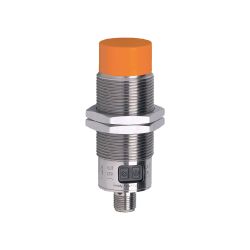 KI5086 \ effector 150 \ Capacitive sensors \ KIA3150NFAKG/2T/US \ DE \Special Price THB 5,775.00 Regular Price THB 7,700.00
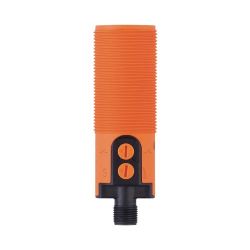 KI6000 \ efector 150 \ Capacitive sensor \ KI-3250NFPKG/PL/2P/US/IO \ DESpecial Price THB 4,575.00 Regular Price THB 6,100.00
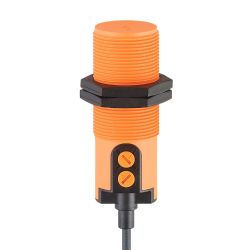 KI6003 \ efector 150 \ Capacitive sensors \ KI-3250NFNKG/PL/2P/IO/10M/PUR \ DE \Special Price THB 4,725.00 Regular Price THB 6,300.00
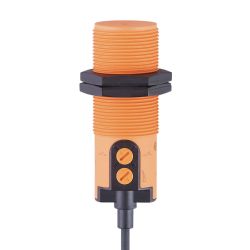 KI6001 \ effector 150 \ Capacitive sensors \ KI-3250NFPKG/PL/2P/IO \ DE \Special Price THB 4,575.00 Regular Price THB 6,100.00
Position Sensors: Precise Position Detection for Perfect Motion Control
Position sensors represent the most advanced form of precise position detection, allowing machines to run perfectly and without error. The way a sensor position device works together with a position sensing system is clearly superior to an ordinary object detection sensor. If you are looking for an urgent replacement part, SCMA can cross-check the specification through our online service to keep your plant at zero downtime.
What Is a Position Sensor? The Heart of an Automatic Control System
A position sensor converts the mechanical position of a machine part into an electrical signal for the control system. These devices differ from an ordinary object detection sensor that only reports whether a workpiece is present or not: industrial-grade position sensors can determine distance, angle of rotation or linear position down to micron level. An accurate sensor position device allows the position sensing system to coordinate robot arms and pneumatic cylinders perfectly, decisively reducing scrap on the production line.
The Engineering Principles Behind Position Sensing
Position sensing relies on several physical principles to achieve accuracy. The internal circuit may use changes in a magnetic field (magnetic/Hall effect), the reflection of light (optical), changes in capacitance (capacitive) or ultrasonic waves. The processing circuit of the position sensors takes these changes and calculates the target distance in real time. Choosing the sensor position technology that matches the workpiece material allows the object detection sensor to feed coordinate data into the PLC quickly, meeting the demands of a modern position sensor system.
Classifying Object Detection Sensors Used to Report Position
Machine mechanisms move in many different ways, so the choice of object detection sensor must be based mainly on the direction of travel of the part. Identifying the right sensor position type reduces mistakes in system design.
Linear Position Sensors
This type mainly detects movement along a straight line, making it suitable for fitting into pneumatic cylinders, hydraulic cylinders or plastic injection platens. Using a linear position sensor allows fine control of cylinder stroke. Technicians can use this kind of object detection sensor to check workpiece thickness on a conveyor accurately, meeting the needs of a position sensing system that demands high stability.
Rotary Position Sensors (Encoders)
This type detects angular rotation, making it suitable for measuring motor shaft revolutions or the joints of an industrial robot arm. The engineering team must select the position sensors format that matches the on-site mechanism in order to reduce measurement error. Applying this group of object detection sensors lets the control system manage speed and angle of rotation flawlessly.
Failure Analysis When Sensor Position Readings Drift
Drifting sensor position readings are a constant headache for maintenance teams. Analysing the true root cause helps prevent serious damage to the position sensing system in good time.
Main Causes and How to Prevent Drift
The main problem is accumulated vibration, which loosens the bolts at the mounting point. Site temperatures above the rated limit can also cause the circuit of the object detection sensor to report distorted values. Maintenance technicians must set a strict calibration interval for the position sensor. Looking after the object detection sensor correctly prevents machines from operating out of sequence and parts from colliding and being damaged.
Technical Specifications for Selecting the Right Model
Ordering a replacement object detection sensor requires careful analysis of the engineering data. Understanding the specification of the position sensor prevents ordering the wrong model and finding it unusable.
- Engineers must consider the resolution required by the position sensing system, to avoid readings that are too coarse
- Check repeatability, which matters even more than accuracy in automated assembly work using a sensor position device
- Check the IP rating: environments with splashing coolant mist require IP67 or higher to protect the internal circuit
- Confirm the mounting distance of the object detection sensor against the free space in front of the machine, to prevent impact during operation
Output Signal Standards and Connection to the PLC
Wiring the signal from the object detection sensor into the control system must follow the standards. Choosing the wrong communication format for the object detection sensor will make the PLC read distorted values.
- The 4-20 mA analogue signal is highly stable and resistant to noise, making it suitable for running position sensors cabling over long distances around the plant
- The 0-10 V signal suits short runs at the control cabinet; technicians must watch for voltage drop if the sensor position cable is run too far
- Current technology supports the IO-Link protocol, letting engineers pull operating status data from the position sensor for real-time analysis
- IO-Link allows the parameters of the position sensing system to be set over a single signal cable, reducing wiring complexity at the cabinet
Summary
Deploying position sensors raises the standard of your machinery to the highest level of accuracy. Choosing the sensor position device that matches the application lets the position sensing system work seamlessly, and scrap caused by assembly errors disappears with a high-quality object detection sensor. SCMA is ready to act as your online engineering adviser so you can cross-check replacement part specifications immediately.
Looking to Buy Position Sensors? Order from SCMA Today!
SCMA provides full online engineering support for position sensors. Photograph the nameplate of your existing object detection sensor and send it through our chat channel: our engineering team is on standby to cross-check the sensor position specification immediately, with no waiting for a technician to visit. We hold ample stock ready for express delivery from our Chonburi and Lamphun branches, professionally supporting the zero-downtime policy of your plant's position sensing system.
Frequently Asked Questions about Position Sensors
What is the difference between potentiometer and magnetostrictive linear position sensors?
The potentiometer type uses a contact wiper sliding along a resistive track. It is economical but has a limited service life because of mechanical wear. The magnetostrictive type uses non-contact magnetic field technology, withstands impact and lasts far longer, meeting the needs of object detection sensor applications and a position sensing system that requires high stability.
The area around the machine is heavy with metal dust — which technology should be chosen?
Avoid optical and magnetic sensors: metal dust obscures the lens and is attracted to the sensor position device. We recommend considering inductive position sensors, which are designed specifically to withstand dust and industrial oil films, allowing the position sensor to work for a long time.
Is repeatability really more important than accuracy when programming a robot arm?
Yes. Repeatability of the same position matters most in automated assembly work. If the object detection sensor repeats steadily, engineers can program an offset in the PLC to compensate for deviation, and the position sensing system will work in full coordination. Choosing a good object detection sensor therefore means looking at this value first.
This website uses cookies
We use cookies to make the site work properly, to understand how it is used, and to show content that is relevant to you. You choose which types to allow; strictly necessary cookies are always on. Privacy Policy
🤖 AI Assistant
Ask about products, specs and replacement models
Hello 👋 Ask us anything — find products, compare specs, or troubleshoot.
🗑 Clear history