
SPECIAL PROMOTION — Up to 40% off across many product groups, until 31 December 2026 · Click to see all promotion itemsIFM, Sensor, Automation SystemMeasuring / Testing InstrumentsTemp Indicator, Control, T/C, RTD, TimerHeater, SCR Control, Solid State, Power Supply, Control CabinetField Measuring Instruments, Pressure Gauge, Level Control, Flow MeasurementEMC, Pneumatic, Solenoid ValveInspection Test Lamp, Head Light, Automotive Measuring InstrumentWeighing Scales, Marking Machine, PrintersEducational Training SystemsHot Line Tools & Equipment SPECIAL PROMOTION — Up to 40% off across many product groups, until 31 December 2026 · Click to see all promotion itemsIFM, Sensor, Automation SystemMeasuring / Testing InstrumentsTemp Indicator, Control, T/C, RTD, TimerHeater, SCR Control, Solid State, Power Supply, Control CabinetField Measuring Instruments, Pressure Gauge, Level Control, Flow MeasurementEMC, Pneumatic, Solenoid ValveInspection Test Lamp, Head Light, Automotive Measuring InstrumentWeighing Scales, Marking Machine, PrintersEducational Training SystemsHot Line Tools & Equipment View promotion items View all
Inspection sensors
What are Inspection Sensors?
SCMA has been officially appointed as the sole authorized distributor of ifm in Thailand.
Inspection sensors are quality inspection cameras used to detect and verify various characteristics of objects or parts during production, including Quality Control (QC). These sensors are designed to accurately and quickly identify issues with the parts being inspected.
Types of Inspection Sensors
- Optical Sensors (Light Sensors) such as vision sensors or lasers for inspecting very fine details
- Ultrasonic Sensors (Ultrasonic Sensors) using sound waves to inspect materials, like measuring the thickness of objects
- Proximity Sensors (Near Object Detection Sensors) used to detect nearby objects, such as in automated production lines
- Capacitive Sensors (Electrostatic Capacitance Sensors) detecting materials that change electrical capacitance, such as plastics or liquids
- Magnetic Sensors (Magnetic Sensors) for detecting magnetic objects
Why Choose ifm Inspection Sensors?
ifm electronic is a global brand specializing in the production and distribution of sensors for industrial automation systems. Their high-quality products and advanced technology make smart factory production highly efficient and reliable. The sensors themselves feature IO-Link, which is crucial for developing intelligent industries. This technology enhances production efficiency, reduces errors, and improves process control accuracy, ensuring excellent product quality.
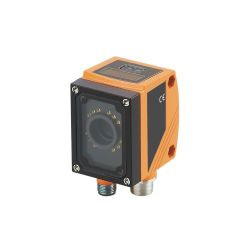 English name: O2V100 \ efector 250 \ Inspection sensor \O2VWRPKG/O/V/GM/E1/E2/S \ DESpecial Price THB 53,700.00 Regular Price THB 71,600.00
Delivery: 30 ต.ค. 2569
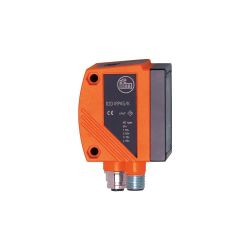 O2D220 \ efector 250 \ Contour sensor \ O2DIRPKG/K \ DESpecial Price THB 72,100.00 Regular Price THB 103,000.00
Delivery: 30 ต.ค. 2569
คำถามที่พบบ่อยเกี่ยวกับ Inspection Sensors
1. Inspection Sensor คืออะไร?
Inspection Sensor คืออุปกรณ์ตรวจจับและวิเคราะห์ภาพสำหรับงานอุตสาหกรรม ใช้ตรวจสอบความถูกต้องของชิ้นงานแทนการตรวจด้วยสายตามนุษย์ โดยสามารถตรวจจับความผิดปกติ เช่น รูปร่าง ขนาด สี ตำแหน่ง หรือชิ้นส่วนที่ไม่ครบตามเกณฑ์ที่กำหนด
2. Inspection Sensor ทำงานอย่างไร?
Inspection Sensor จะจับภาพของชิ้นงานผ่านเลนส์และเซนเซอร์รับภาพ จากนั้นระบบประมวลผลจะวิเคราะห์และเปรียบเทียบภาพกับค่าอ้างอิงหรือ Master Image ที่ตั้งไว้ ก่อนตัดสินผลเป็น Pass หรือ Fail และส่งสัญญาณไปยัง PLC หรือ Actuator เพื่อคัดแยกชิ้นงานที่ไม่ผ่านออกจากสายการผลิต
3. Inspection Sensor ต่างจาก Photoelectric Sensor อย่างไร?
Photoelectric Sensor โดยทั่วไปใช้ตรวจจับว่ามีหรือไม่มีวัตถุผ่านลำแสง ขณะที่ Inspection Sensor สามารถวิเคราะห์ข้อมูลจากภาพได้ละเอียดกว่า เช่น รูปร่าง สี ขนาด ตำแหน่ง หรือความถูกต้องของการประกอบ จึงเหมาะกับงานตรวจสอบคุณภาพที่ซับซ้อนมากกว่า
4. Inspection Sensor มีกี่ประเภท?
Inspection Sensor สามารถแบ่งได้หลายประเภทตามลักษณะงาน เช่น Vision Sensor แบบ 2D สำหรับตรวจสอบรูปร่างและตำแหน่ง, 3D Inspection System สำหรับตรวจสอบความลึกหรือปริมาตร และ Smart Camera ที่รวมกล้องกับหน่วยประมวลผลไว้ในอุปกรณ์เดียว
5. Inspection Sensor ใช้ตรวจสอบอะไรได้บ้าง?
Inspection Sensor สามารถใช้ตรวจสอบการมีหรือไม่มีชิ้นส่วน รูปร่าง ขนาด ตำแหน่ง สี การประกอบชิ้นส่วน รอยตำหนิบนพื้นผิว รวมถึงข้อมูลบนบรรจุภัณฑ์ เช่น ฉลาก ตัวอักษร หรือวันหมดอายุ ขึ้นอยู่กับความสามารถของระบบ Vision ที่นำมาใช้
6. Inspection Sensor ช่วยลด Human Error ได้อย่างไร?
Inspection Sensor ช่วยลดการพึ่งพาการตรวจสอบด้วยสายตามนุษย์ ซึ่งอาจเกิดความผิดพลาดจากความล้า ความเร็วของสายการผลิต หรือความแตกต่างในการตัดสินของแต่ละคน โดยระบบสามารถตรวจสอบชิ้นงานตามเกณฑ์ที่ตั้งไว้ได้อย่างสม่ำเสมอและต่อเนื่อง
7. Inspection Sensor สามารถตรวจชิ้นงานที่มีพื้นผิวสะท้อนแสงได้หรือไม่?
ได้ แต่ต้องออกแบบระบบแสงให้เหมาะสมกับพื้นผิวของชิ้นงาน โดยชิ้นงานที่มีความมันวาว เช่น โลหะ กระป๋อง หรือขวด อาจต้องใช้ระบบกระจายแสงหรืออุปกรณ์ช่วยลดแสงสะท้อน เพื่อให้กล้องเห็นรายละเอียดของพื้นผิวได้ชัดและลดความผิดพลาดในการตรวจสอบ
8. HMI Inspection คืออะไร?
HMI Inspection คือการนำผลจากระบบ Inspection มาแสดงบนหน้าจอ Human Machine Interface หรือ HMI เช่น ภาพของชิ้นงาน สถานะ Pass/Fail และข้อมูลความผิดปกติ ช่วยให้โอเปอเรเตอร์สามารถติดตามผลการตรวจสอบและตรวจสอบสถานะของระบบได้แบบเรียลไทม์
9. Inspection Sensor ใช้กับอุตสาหกรรมอะไรได้บ้าง?
Inspection Sensor ใช้ได้ในหลายอุตสาหกรรม เช่น ยานยนต์สำหรับตรวจสอบการประกอบชิ้นส่วน อิเล็กทรอนิกส์สำหรับตรวจสอบ PCB และรอยบัดกรี รวมถึงอาหารและเครื่องดื่มสำหรับตรวจสอบระดับสินค้า ฉลาก หรือข้อมูลบนบรรจุภัณฑ์
10. ควรเลือก Inspection Sensor อย่างไรให้เหมาะกับงาน?
ควรเริ่มจากลักษณะของชิ้นงานและสิ่งที่ต้องการตรวจสอบ เช่น ขนาดของตำหนิ ความละเอียดที่ต้องการ ความเร็วของสายการผลิต สภาพแสง ระยะติดตั้ง และสภาพแวดล้อม เช่น ฝุ่นหรือน้ำ รวมถึงตรวจสอบว่าเซนเซอร์สามารถสื่อสารกับ PLC หรือระบบควบคุมที่ใช้งานอยู่ได้หรือไม่
This website uses cookies
We use cookies to make the site work properly, to understand how it is used, and to show content that is relevant to you. You choose which types to allow; strictly necessary cookies are always on. Privacy Policy
🤖 AI Assistant
Ask about products, specs and replacement models
Hello 👋 Ask us anything — find products, compare specs, or troubleshoot.
🗑 Clear history