
SPECIAL PROMOTION — Up to 40% off across many product groups, until 31 December 2026 · Click to see all promotion itemsIFM, Sensor, Automation SystemMeasuring / Testing InstrumentsTemp Indicator, Control, T/C, RTD, TimerHeater, SCR Control, Solid State, Power Supply, Control CabinetField Measuring Instruments, Pressure Gauge, Level Control, Flow MeasurementEMC, Pneumatic, Solenoid ValveInspection Test Lamp, Head Light, Automotive Measuring InstrumentWeighing Scales, Marking Machine, PrintersEducational Training SystemsHot Line Tools & Equipment SPECIAL PROMOTION — Up to 40% off across many product groups, until 31 December 2026 · Click to see all promotion itemsIFM, Sensor, Automation SystemMeasuring / Testing InstrumentsTemp Indicator, Control, T/C, RTD, TimerHeater, SCR Control, Solid State, Power Supply, Control CabinetField Measuring Instruments, Pressure Gauge, Level Control, Flow MeasurementEMC, Pneumatic, Solenoid ValveInspection Test Lamp, Head Light, Automotive Measuring InstrumentWeighing Scales, Marking Machine, PrintersEducational Training SystemsHot Line Tools & Equipment View promotion items View all
Air quality sensor
Air Quality Sensor What Is It?
An Air Quality Sensor is an air quality sensor used to monitor and measure pollutants and compounds in the air, assessing the quality of air in various environments. It works by measuring the amount of compounds or particles in the air. Each type of sensor has different operating principles but can be broadly categorized into two main groups:
1. Particle Sensors use light scattering or absorption techniques to measure particle levels, such as PM2.5 and PM10 particles in the air.
2. Gas Sensors utilize various technologies including:
- Electrochemical sensors measure gases through changes in electrical current when gases react with electrodes.
- Infrared (NDIR) sensors use infrared light absorption to detect gases such as carbon dioxide (CO2).
- Metal Oxide Semiconductor (MOS) sensors measure gases through changes in resistance when gases react with semiconductors.
Types of Air Quality Sensors
- Dust Sensors measure the levels of dust and small particles in the air, such as PM2.5 and PM10.
- Gas Sensors detect harmful gases like carbon dioxide (CO2), carbon monoxide (CO), nitrogen dioxide (NO2), ozone (O3), and volatile organic compounds (VOCs).
- Multi-Parameter Air Quality Sensors measure multiple factors in one device, such as gases and particles simultaneously.
Use of Air Quality Sensor in Industries
- In the construction industry, used to monitor air quality at construction sites to prevent dust pollution.
- In manufacturing industries, used for monitoring and controlling air pollutants in production facilities.
- In the energy industry, used for monitoring and controlling air pollution from energy production.
- In transportation industries, used to monitor air pollution caused by transport and vehicles.
Famous Brands of Air Quality Sensors
- Aeroqual specializes in producing highly accurate air quality sensors.
- Honeywell is renowned for manufacturing sensors and control equipment for air quality.
- KEPLER INSTRUMENTS offers a wide range of high-quality, reliable products.
- PurpleAir produces outdoor-focused air quality sensors with network connectivity features.
- Siemens manufactures reliable measuring and control equipment for air quality.
Watch Air Quality Sensor : Click Here
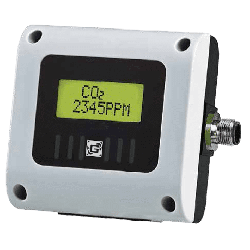 CO2 Sensor Transmitter Model : SGS43-1115-2MDSpecial Price THB 8,800.00 Regular Price THB 11,000.00
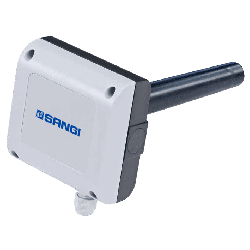 CO Sensor Transmitter Model : SGM34-1115-2MSpecial Price THB 11,840.00 Regular Price THB 14,800.00
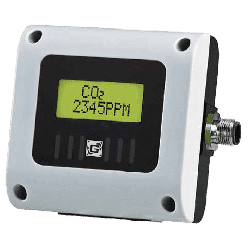 CO2 Sensor Transmitter Model : SGS43-1118-0MDSpecial Price THB 10,880.00 Regular Price THB 13,600.00
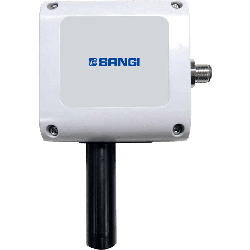 CO Sensor Transmitter Model : SGM33-1115-2MSpecial Price THB 8,640.00 Regular Price THB 10,800.00
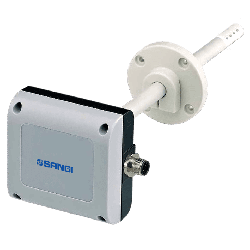 CO2 Sensor Transmitter Model : SGS44-1115-2MDSpecial Price THB 12,000.00 Regular Price THB 15,000.00
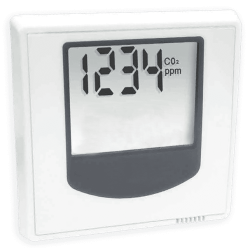 CO2 Sensor Transmitter Model : SGS23-1112-2DSpecial Price THB 7,600.00 Regular Price THB 9,500.00
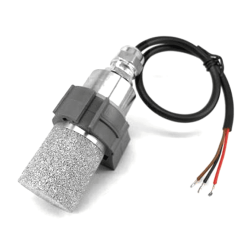 CO2 Sensor Transmitter Model : SGS07-15Special Price THB 14,080.00 Regular Price THB 17,600.00
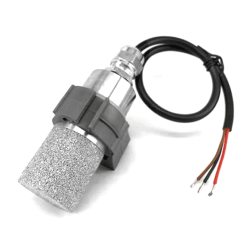 CO2 Sensor Transmitter Model : SGS07-N5Special Price THB 14,080.00 Regular Price THB 17,600.00
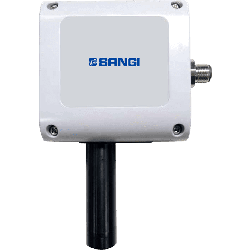 CO Sensor Transmitter Model : SGM33-1115-2NSpecial Price THB 9,600.00 Regular Price THB 12,000.00
Delivery: 30 ต.ค. 2569
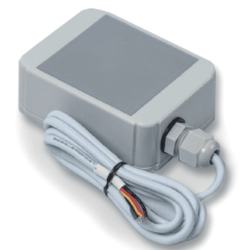 CO2 Sensor Transmitter Model : SGS45-7Special Price THB 31,680.00 Regular Price THB 39,600.00
Delivery: 30 ต.ค. 2569
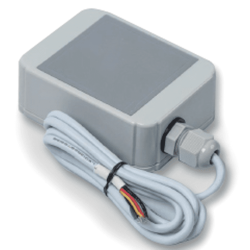 CO2 Sensor Transmitter Model : SGS45-NSpecial Price THB 31,680.00 Regular Price THB 39,600.00
Delivery: 30 ต.ค. 2569
Is an Air Quality Sensor Necessary? How to Choose for Industrial Use
An air quality sensor, or air quality detector, is the first line of defense in helping us understand the safety of the air we breathe. Whether it's PM 2.5 detection at home or toxic gases in industrial settings, this article delves into how an air quality monitor works, what types there are, and how to choose one that meets standards and provides the best value for health and well-being of residents and employees. If you need a comprehensive air quality monitoring solution, consult our engineering teamhere.
What is an Air Quality Sensor? Why Do You Need One at Home and in the Factory?
An air quality sensor is an electronic device that measures and analyzes the composition of air in a given area to determine concentrations of pollutants such as fine dust (PM2.5, PM10), carbon dioxide (CO2), volatile organic compounds (VOCs), and ambient temperature & humidity sensors. Data from an air quality detector is processed and displayed for users to take timely action against pollution hazards. Today, air quality checkers are being developed to be smaller and easier to use, making them suitable for both home air quality monitors and large industrial systems.
How Air Quality Sensors Work
The principle depends on the type of pollutant being detected. For PM2.5 dust, laser scattering is commonly used by shooting a laser through air and detecting light refraction when it hits particles to calculate dust density. Other gases like CO2 use NDIR (Non-Dispersive Infrared) or Electrochemical Sensor methods which are highly accurate. Choosing quality sensors ensures reliable readings.
Importance for Health and Work Efficiency
Having an indoor air quality monitor helps avoid respiratory diseases, allergies, and long-term impacts of air pollution (indoor air pollution monitor). In industry, good air conditions increase employee focus and productivity, reduce sick leave rates, and prevent machine damage from dust and humidity. Investing in monitoring systems is a sustainable investment for organizations.
Air Quality Sensor Types to Know
Categorizing sensors helps choose the right one based on pollutants measured and technology used.
1. Particulate Matter Sensors (PM Sensors)
Focuses mainly on PM2.5 and PM10 detection, or what we call pm2.5 sensors and pm2 5 meters. Commonly used in air purifiers and air quality stations, laser technology is much more accurate than traditional infrared.
2. Gas Sensors
Used to detect dangerous gases or those indicating air quality such as CO2 (ventilation indication), TVOCs (chemicals from furniture or paint), and CO (poisonous combustion gas). These sensors are crucial in closed buildings and chemical factories.
3. Temperature & Humidity Sensors
Often included in air quality monitors to assess thermal comfort and mold risk. Controlling humidity is critical in pharmaceutical and electronics manufacturing plants.
How to Choose the Right Air Quality Monitor for Your Needs
Choosing an air quality monitor involves considering several factors to get truly useful data, not just numbers on a screen.
Parameters to Measure
Identify your main concerns first. If outdoor smoke is a worry, focus on accurate pm2 5 detectors. In sealed air-conditioned rooms, CO2 and VOCs are more important. Some models like qp pro air quality monitor measure all functions in one device.
Accuracy & Standards
Choose brands using industrial-grade sensors or certified standards, avoiding overly cheap ones that often give inaccurate readings. Comparing reviews with official government monitors (airvisual bangkok) or apps like measure app and aqi application can help initially, but real measuring tools are always better.
Connectivity & Alerts
In the IoT era, monitors should connect via WiFi or Bluetooth for mobile app data viewing (interior vision) and alerts when standards are exceeded. This helps manage issues immediately even if you're not present.
When Looking for an Air Quality Sensor, Think SCMA!
If your factory or building needs to enhance air quality with high-precision and durable sensors, SCMA offers top-quality products from leading brands. Whether it's dust measurement, gas detection, or comprehensive monitoring systems, our expert engineering team provides advice on specifications and installation for the best health and safety of everyone in your organization. You can browse all products and solutionshere.
Summary
Air quality sensors are essential for modern living. Choosing the right tool that fits your environment helps us tackle air pollution effectively. SCMA hopes this information is useful in making decisions. If you have questions or need further consultation, contact ushere.
Frequently Asked Questions
What is AQI and How to Read It?
AQI (Air Quality Index) translates pollutant concentrations into easily understandable numbers, divided by colors such as green (good), yellow (moderate), orange (beginning impact), red (impact). Values above 100 are considered unhealthy for sensitive groups.
Do PM2.5 Dust Sensors Need Cleaning?
Yes, because dust can accumulate on lenses or light-receiving ports causing inaccurate readings. Gently blow off the dust or follow manual instructions at least monthly.
How Reliable Are Air Quality Monitors?
Depends on internal sensor quality. Consumer-grade models may have a 10-20% variance compared to standard stations, but are sufficient for home monitoring. Industrial-grade models are much more accurate.
This website uses cookies
We use cookies to make the site work properly, to understand how it is used, and to show content that is relevant to you. You choose which types to allow; strictly necessary cookies are always on. Privacy Policy
🤖 AI Assistant
Ask about products, specs and replacement models
Hello 👋 Ask us anything — find products, compare specs, or troubleshoot.
🗑 Clear history