
SPECIAL PROMOTION — Up to 40% off across many product groups, until 31 December 2026 · Click to see all promotion itemsIFM, Sensor, Automation SystemMeasuring / Testing InstrumentsTemp Indicator, Control, T/C, RTD, TimerHeater, SCR Control, Solid State, Power Supply, Control CabinetField Measuring Instruments, Pressure Gauge, Level Control, Flow MeasurementEMC, Pneumatic, Solenoid ValveInspection Test Lamp, Head Light, Automotive Measuring InstrumentWeighing Scales, Marking Machine, PrintersEducational Training SystemsHot Line Tools & Equipment SPECIAL PROMOTION — Up to 40% off across many product groups, until 31 December 2026 · Click to see all promotion itemsIFM, Sensor, Automation SystemMeasuring / Testing InstrumentsTemp Indicator, Control, T/C, RTD, TimerHeater, SCR Control, Solid State, Power Supply, Control CabinetField Measuring Instruments, Pressure Gauge, Level Control, Flow MeasurementEMC, Pneumatic, Solenoid ValveInspection Test Lamp, Head Light, Automotive Measuring InstrumentWeighing Scales, Marking Machine, PrintersEducational Training SystemsHot Line Tools & Equipment View promotion items View all
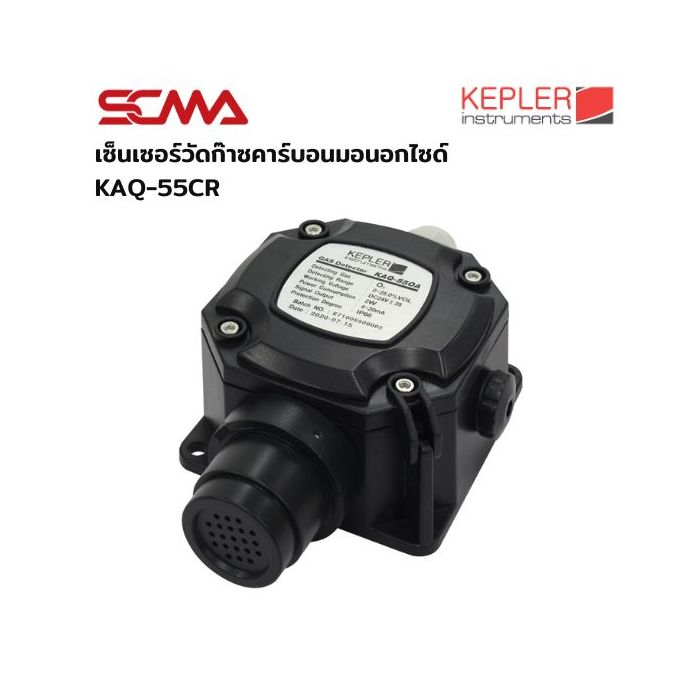
KAQ-55CR KEPLER CO Fixed Gas Detector
Special Price THB 4,960.00 Regular Price THB 6,200.00
In stock
SKU
038757
In stock: 2 pcs
Delivery within: 13/10/2569
🚚 ซื้อครบ THB 2,500 จัดส่งฟรี! (ปกติค่าจัดส่ง THB 100)

Gas Detector, Gas Leak Detector, Refrigerant Leak Detector, Gas Sensor, Gas leak detector, Fixed Gas Detector
*Price does not include VAT
Details of KEPLER CO Gas Detector (Fixed Gas Detector) Model KAQ-55CR
The KEPLER CO Gas Detector (Fixed Gas Detector) model KAQ-55CR is a carbon monoxide gas detector.
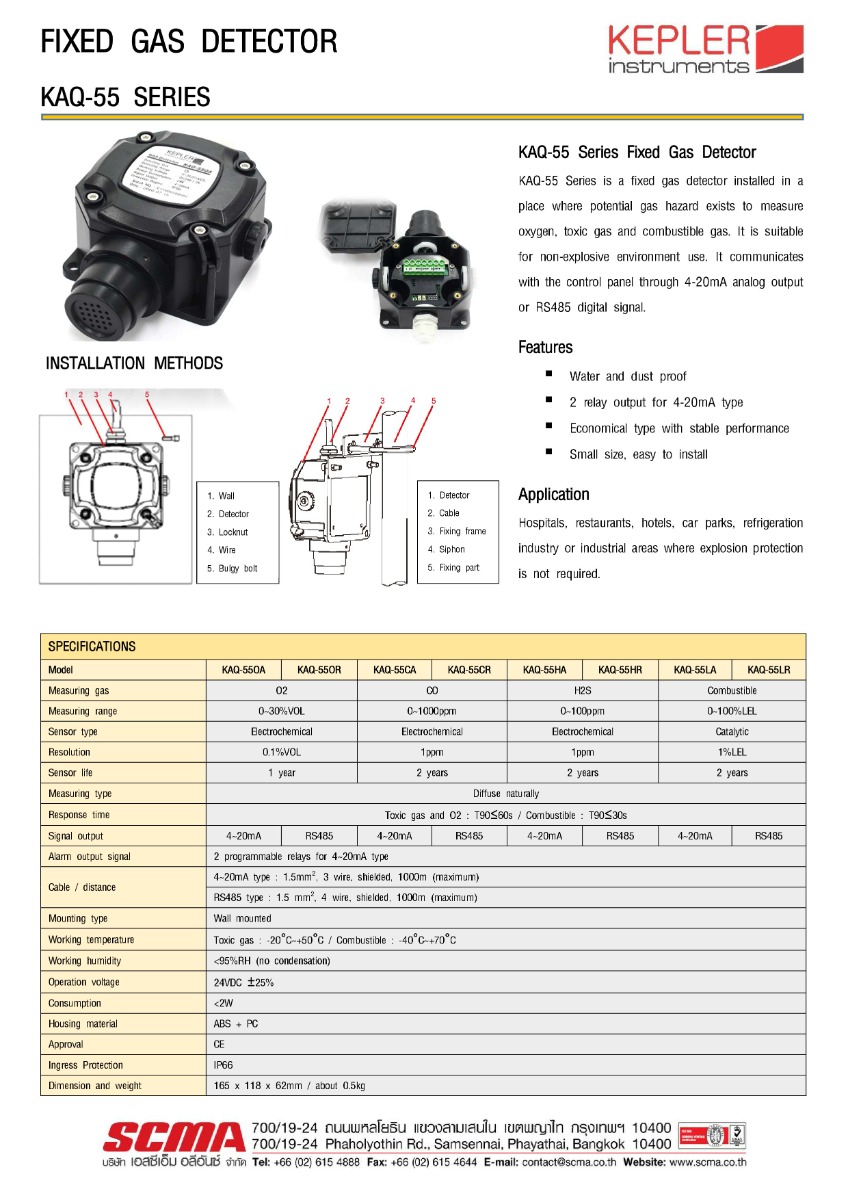
- CO gas sensor
- RS485 interface
- Dust and water protection standard IP66
- Sleek design, easy to install
- Affordable price with excellent performance
- Suitable for installation in environments that do not require explosion-proof measures
- Used in workplace safety applications to prevent hazards such as oxygen deficiency, toxins, toxic gases, confined spaces, and flammable gas explosions
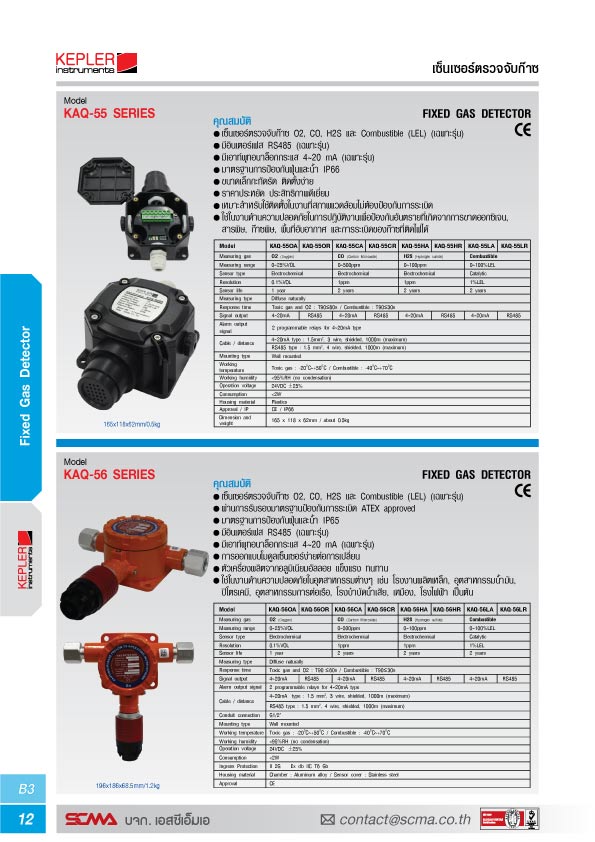
Tech Specifications of KEPLER CO Gas Detector (Fixed Gas Detector) Model KAQ-55CR
- Measuring gas : CO (Carbon Monoxide)
- Measuring range : 0~500ppm
- Sensor type : Electrochemical
- Resolution : 1ppm
- Sensor life : 2 years
- Measuring type : Diffuse naturally
- Response time : Toxic gas and O2 : T90≤60s / Combustible : T90≤30s
- Signal output : RS485
- Alarm output signal : 2 programmable relays for 4~20mA type
- Cable / distance : RS485 type : 1.5 mm2, 4 wire, shielded, 1000m (maximum)
- Mounting type : Wall mounted
- Working temperature : Toxic gas : -20°C~+50°C / Combustible : -40°C~+70°C
- Working humidity : <95%RH (no condensation)
- Operation voltage : 24VDC ±25%
- Consumption : <2W
- Housing material : Plastics
- Approval / IP : CE / IP66
- Dimension and weight : 165 x 118 x 62mm / about 0.5kg
| Delivery Days | 3 days |
|---|
Write Your Own Review
Related Products
-
 KAQ-55CA KEPLER CO Fixed Gas DetectorSpecial Price THB 4,960.00 Regular Price THB 6,200.00
 -
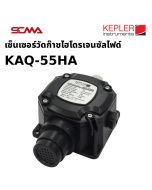 KAQ-55HA KEPLER Fixed Gas Detector H2S 0C~50C 20A/250V JB-30 4X100 mm Type KSpecial Price THB 4,960.00 Regular Price THB 6,200.00
 -
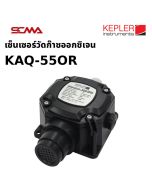 KAQ-55OR KEPLER O2 Fixed Gas DetectorSpecial Price THB 5,760.00 Regular Price THB 7,200.00
 -
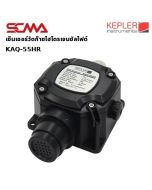 KAQ-55HR KEPLER Fixed Gas Detector H2S 0C~50C 20A/250V JB-30 4X100 mm Type KSpecial Price THB 4,960.00 Regular Price THB 6,200.00
This website uses cookies
We use cookies to make the site work properly, to understand how it is used, and to show content that is relevant to you. You choose which types to allow; strictly necessary cookies are always on. Privacy Policy
🤖 AI Assistant
Ask about products, specs and replacement models
Hello 👋 Ask us anything — find products, compare specs, or troubleshoot.
🗑 Clear history